US Weighs Sanctions Relief for Russian Fund in Diesel Supply Talks
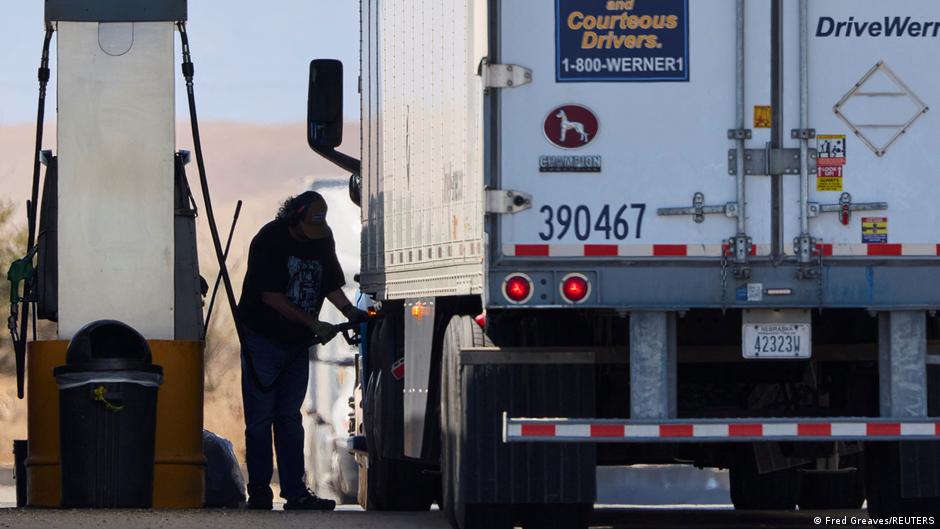
Washington is reviewing sanctions on Russia’s RDIF as proposed diesel shipments bring energy prices, investment ties and sanctions policy into the same negotiation.

Washington is reviewing sanctions on Russia’s RDIF as proposed diesel shipments bring energy prices, investment ties and sanctions policy into the same negotiation.

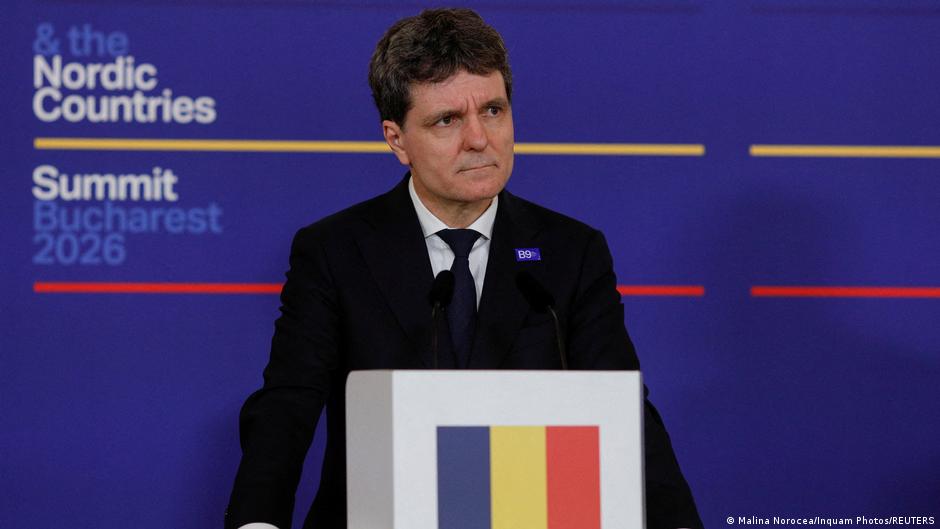
Romania says a Russian-coordinated network targeted an arms plant, underscoring security and supply-chain risks for Europe’s defense expansion.

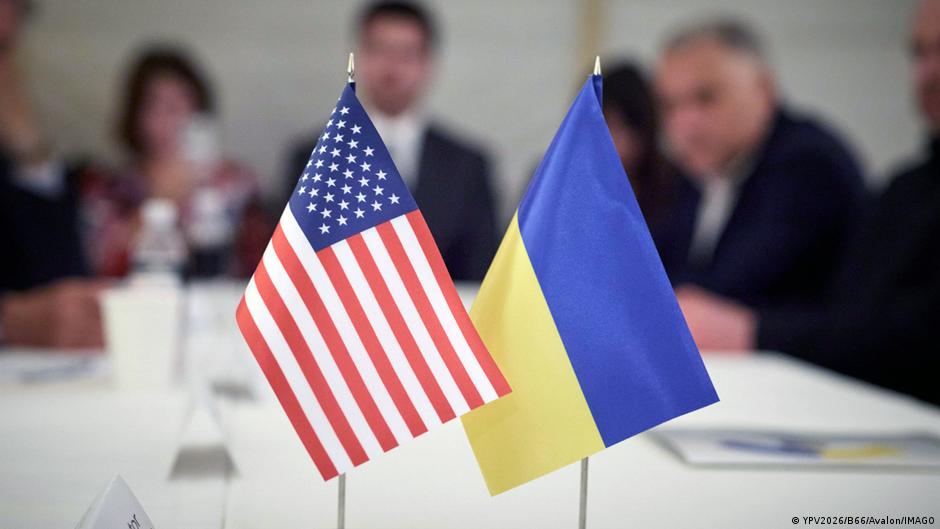
The US, Ukraine and Russia may meet in Abu Dhabi or Switzerland as negotiators seek a path toward leader-level talks and a postwar security framework.

Trump says SpaceX restored Starlink access in Ukraine, highlighting the strategic risks of relying on privately controlled wartime infrastructure.

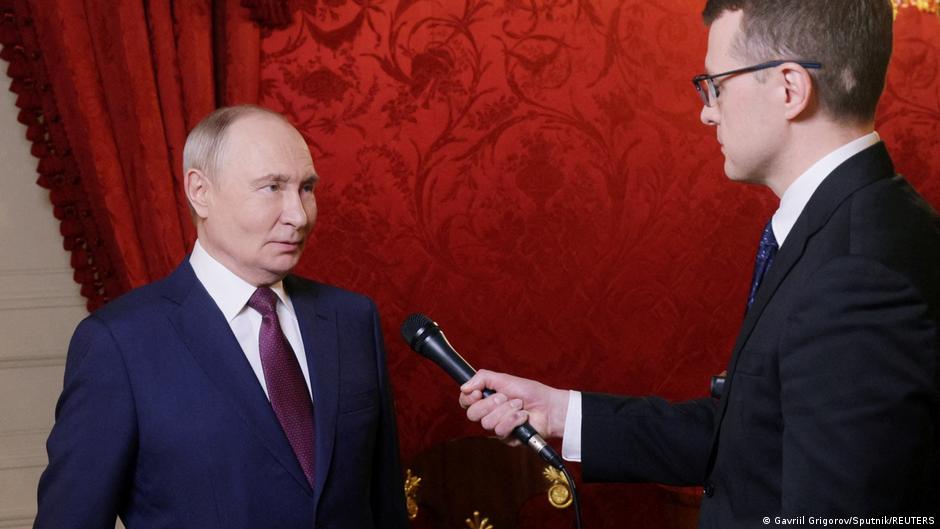
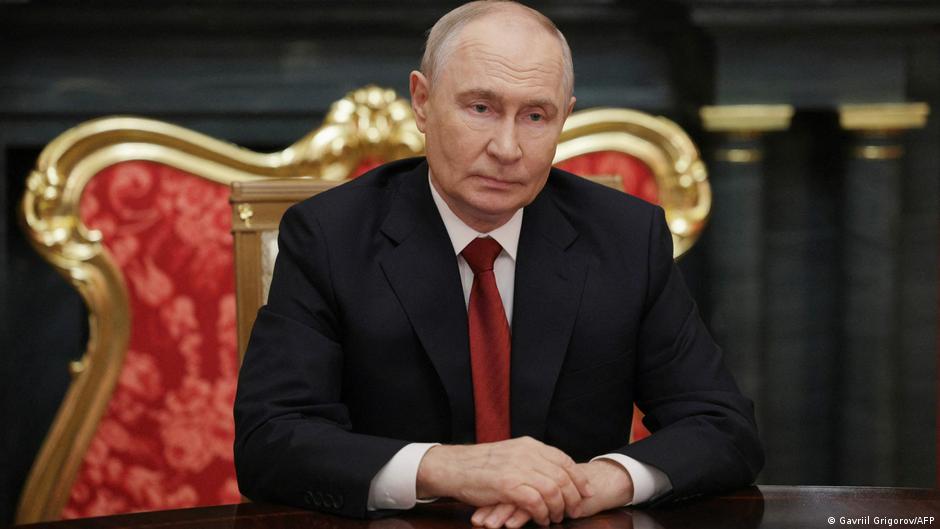
Putin backed US-mediated talks with Kyiv but rejected freezing the current front, leaving territorial disputes and war-related economic uncertainty unresolved.

A bipartisan Senate group says Trump’s Russian diesel deal would offer little price relief while funding Moscow’s war effort.

Finland is urging the EU to halt tourist visas for Russians, turning mobility rules into a broader tool of pressure over the war in Ukraine.

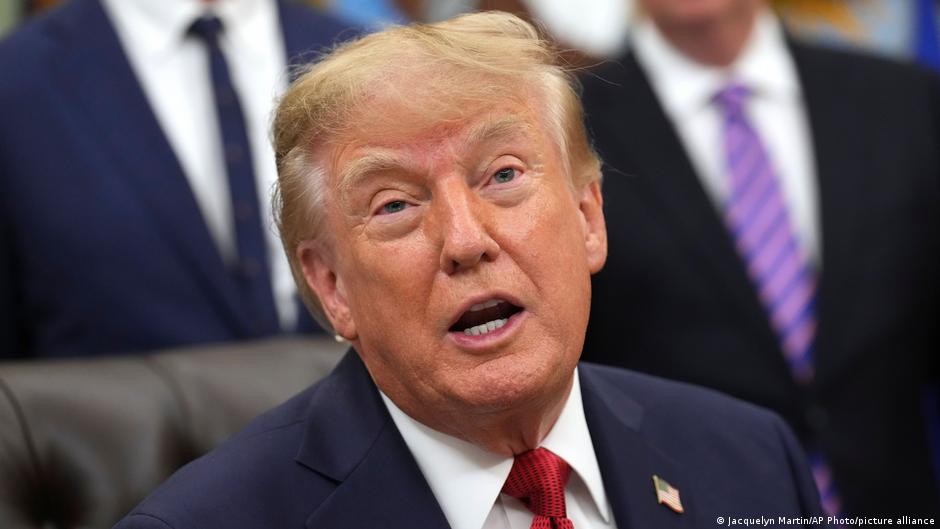
Trump said Putin is more interested than Zelensky in a Ukraine peace deal as Kyiv urged U.S. pressure over an energy ceasefire.

Washington’s reported threat to block a Ukraine arms channel highlights the growing economic stakes of energy infrastructure strikes.

A bipartisan House bill would seek to ban Russian oil purchases, challenging Trump’s reported diesel supply agreement with Moscow.

Zelensky warned that easing Russian diesel export limits without de-escalation would strengthen Moscow and risk prolonging the war.

Ukraine will discuss a new U.S.-linked peace proposal as Kyiv urges tougher sanctions on Russia and broader Starlink access.

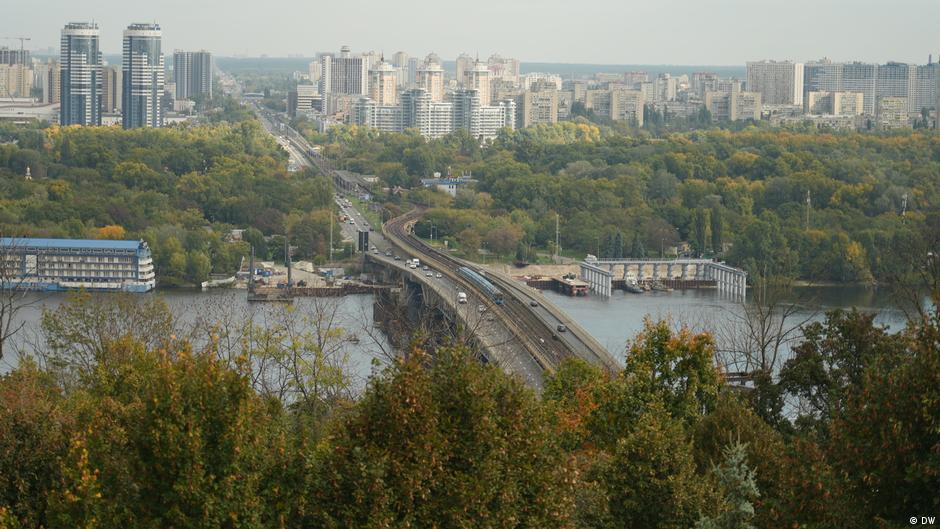
Kyiv’s mayor urged temporary departures for residents with options elsewhere as intensified Russian strikes threaten water, heating and transport systems.

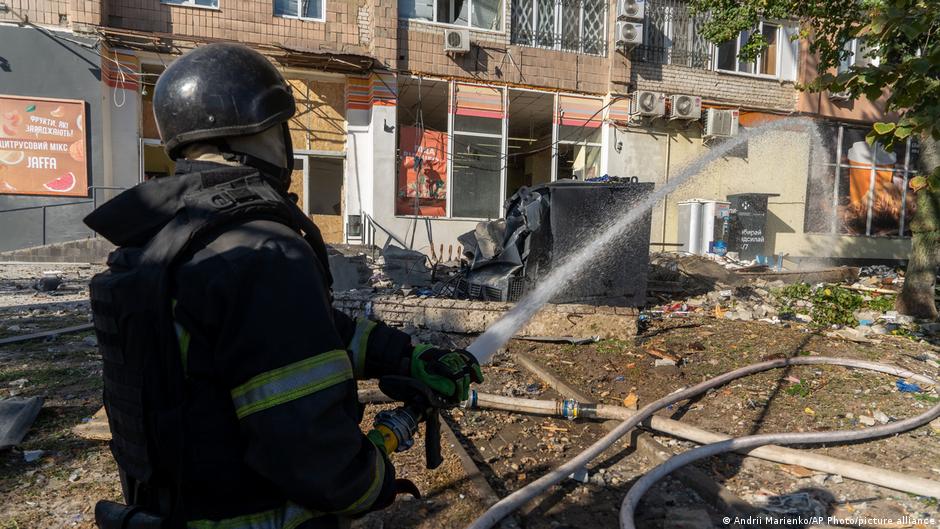
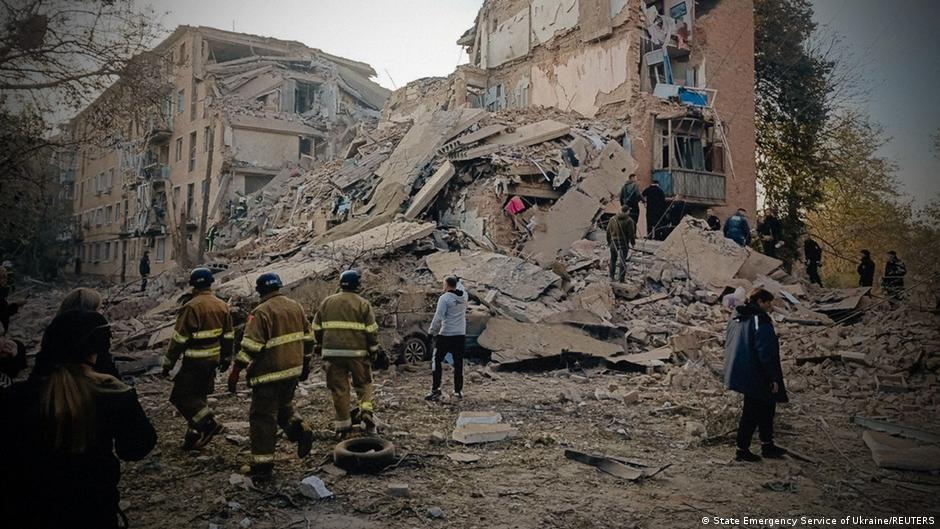
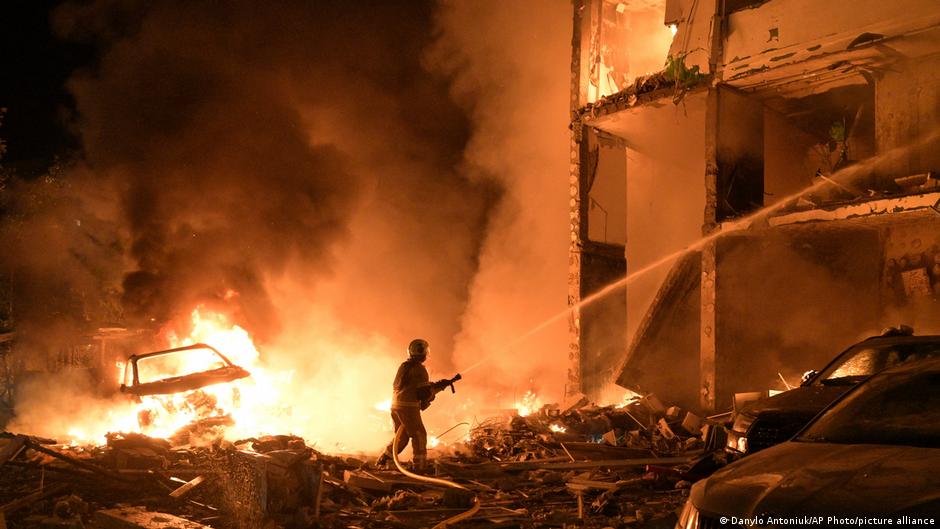
Ukraine says 28 people were killed in a Russian missile and drone barrage, renewing Kyiv’s warning that oil revenues and weak sanctions prolong the war.

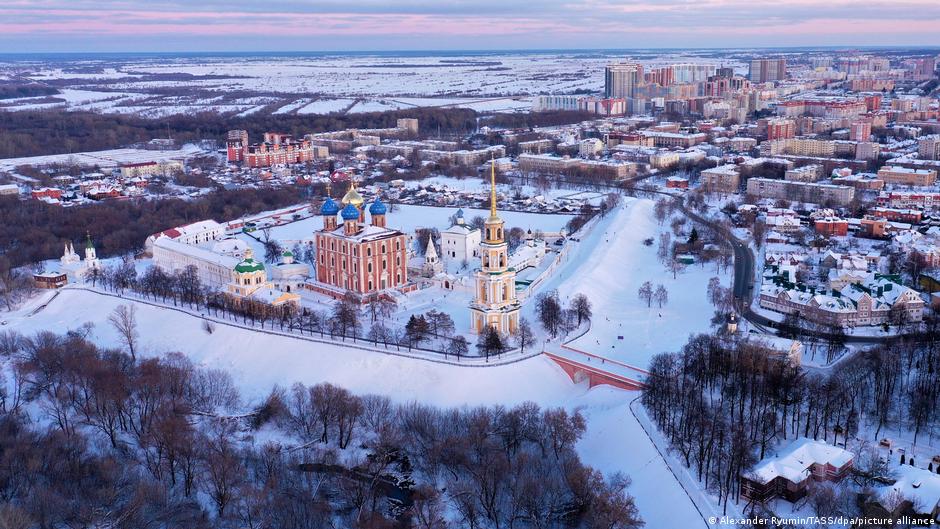
A reported fire at a sanctioned Ryazan machine-tool plant hosting a Yandex data center highlights infrastructure risks in wartime economies.

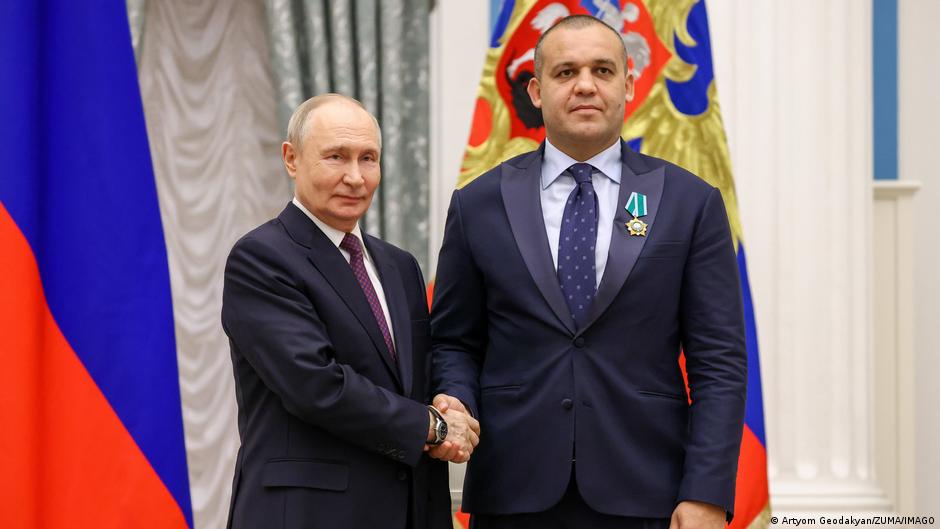
Umar Kremlev says Donald Trump Jr. repaid wedding event costs, intensifying scrutiny over foreign ties, ethics and U.S. policy risk.

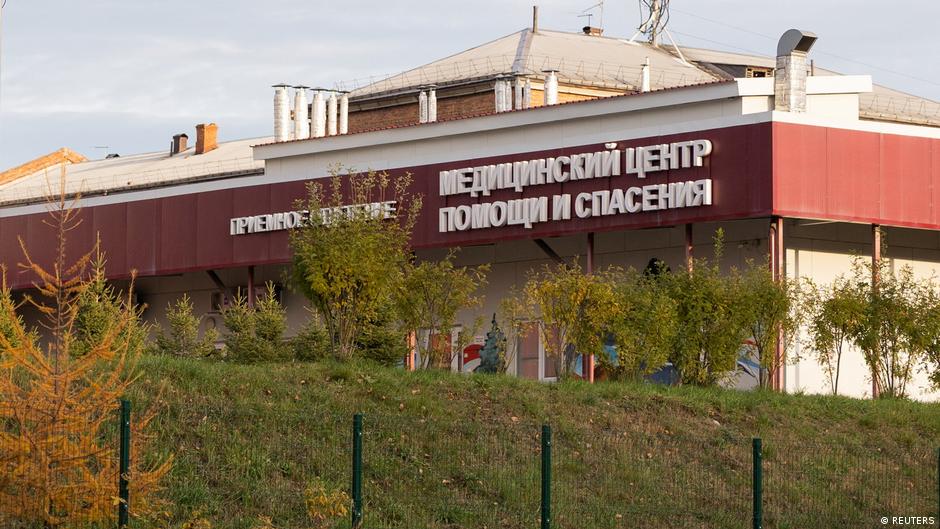
Trump plans a Putin call as WHO seeks details from Russia over reports tied to a possible plague-related death in Irkutsk.

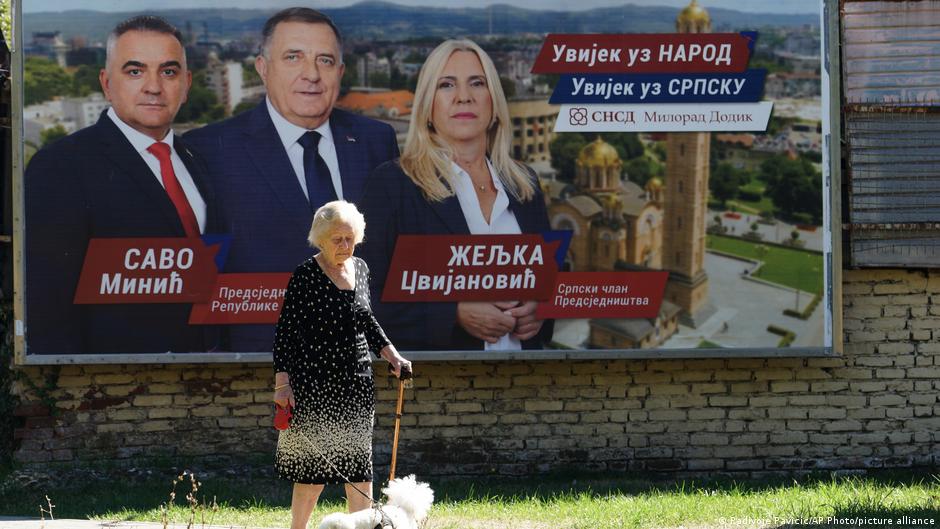
Preliminary results show ruling-party candidates and Dodik allies strengthening their hold across Bosnia and Herzegovina’s institutions.

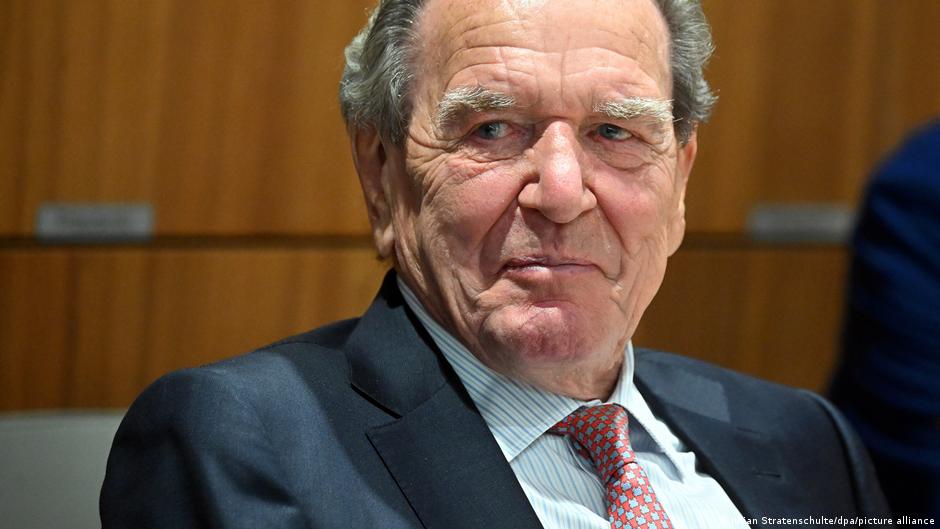
Gerhard Schröder’s new role at Hyperglobus in Russia has drawn German criticism and renewed scrutiny of Western-linked corporate exposure.

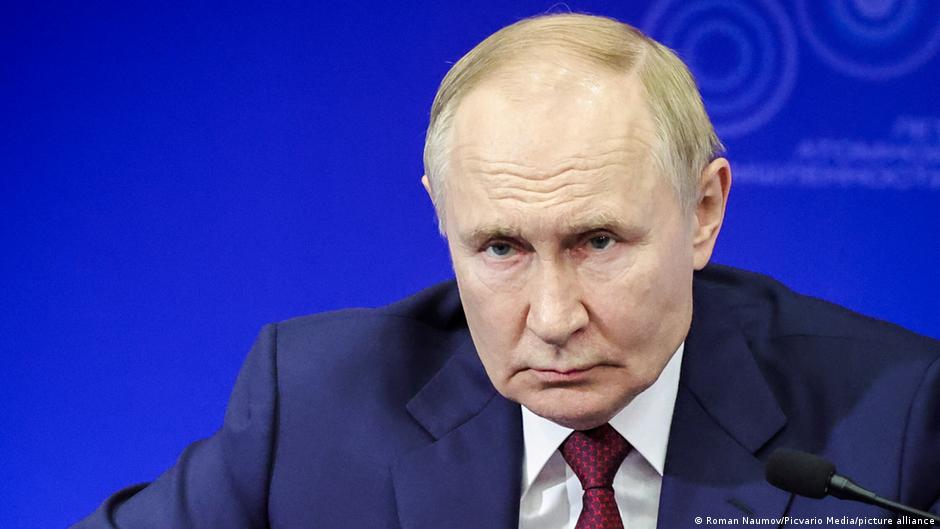
Putin’s Valdai speech sharpened nuclear rhetoric and blamed the West, reinforcing Europe’s long-term geopolitical and economic risk outlook.

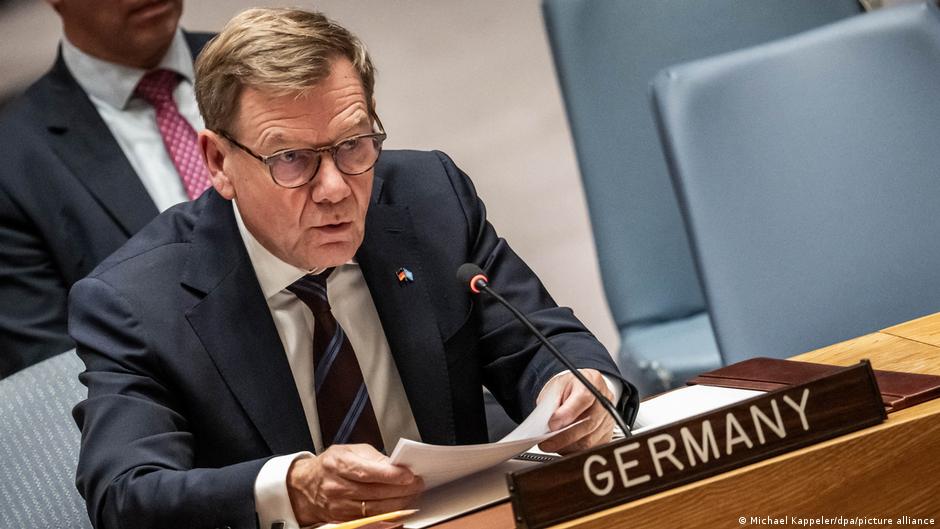
Germany says Putin’s possible G20 appearance would test Moscow’s readiness for Ukraine talks, with sanctions and global governance at stake.

Kyiv denied that Trump proposed Moscow talks for Zelensky as U.S. diplomacy focuses on energy strikes and rising diesel prices.

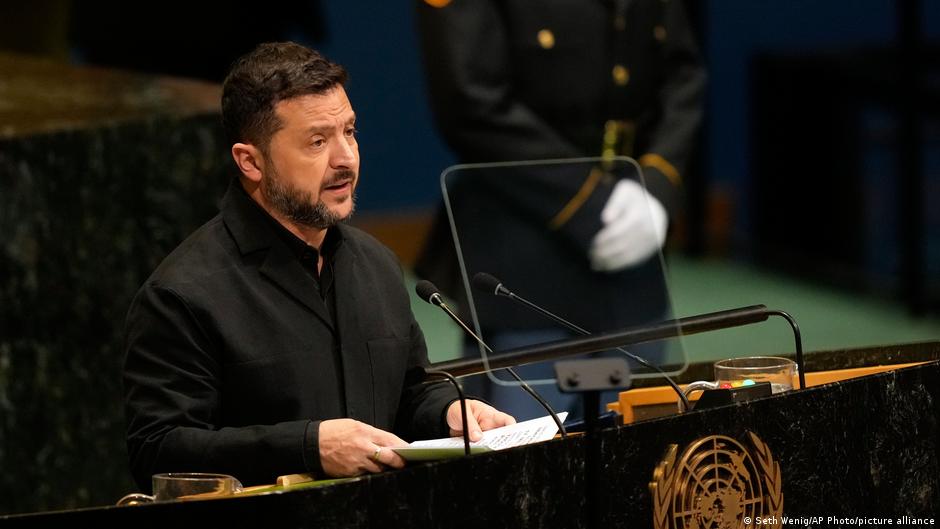
Zelenskyy used his UN address to link Russia’s war to energy revenues, global instability, AI risks and the long-term economic costs of conflict.

Russia says it will not pause operations for Ukraine talks, even as Washington offers to support ceasefire efforts and keeps channels open.

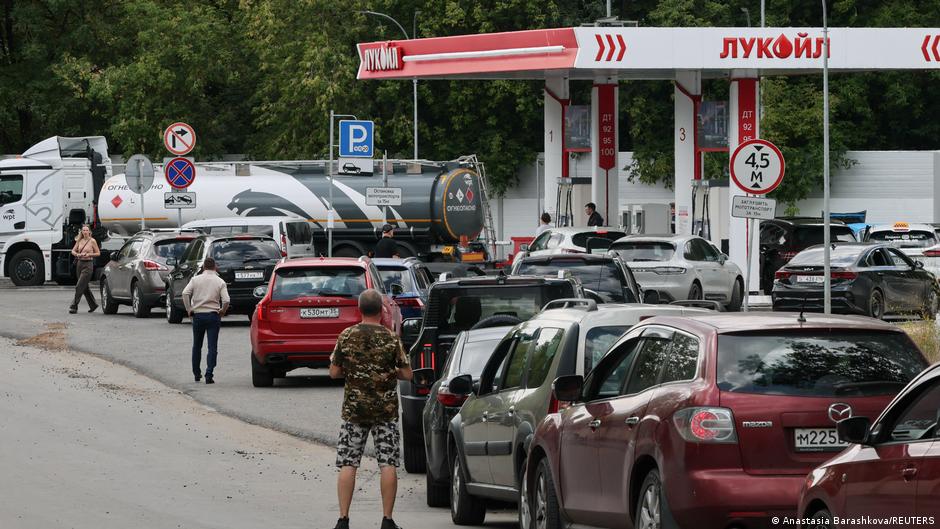
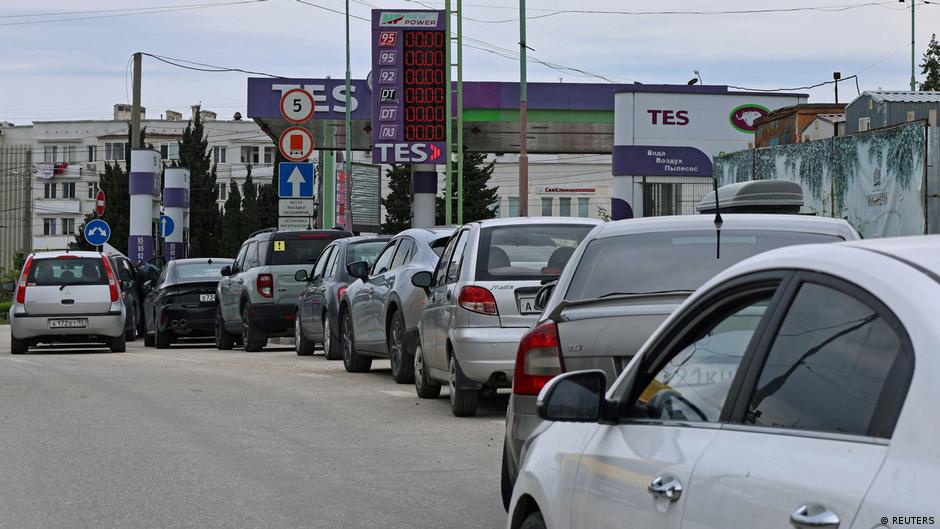
Kaluga and Zabaykalsky are restoring petrol limits as refinery strikes deepen Russia's second wave of fuel shortages.

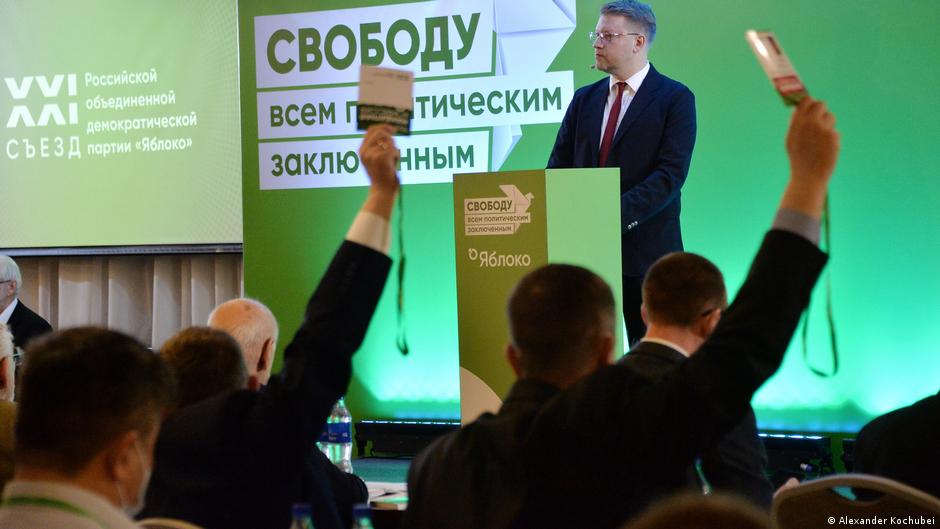
Yabloko’s Novgorod result preserves a formal route into future State Duma elections, with broader implications for Russian political risk.

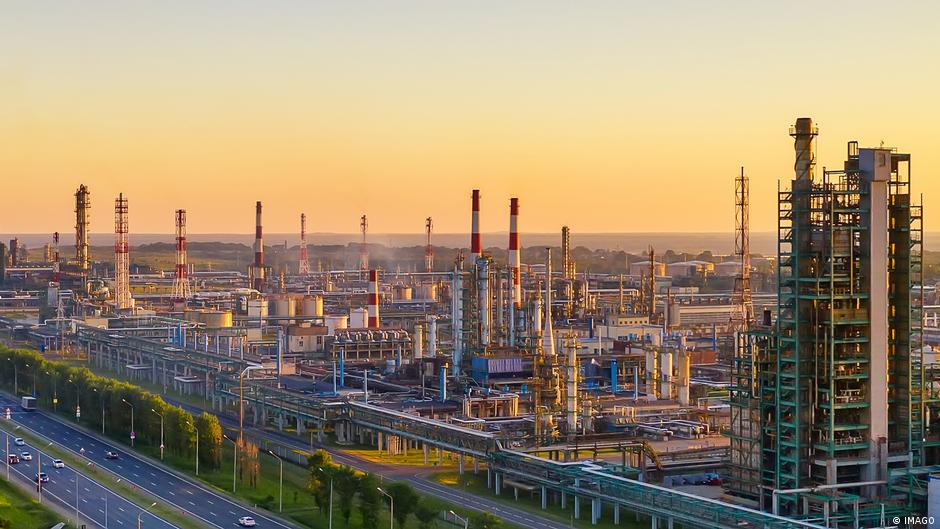
The halt at Yaroslavl’s YANOS refinery deepens Russia’s fuel shortages and exposes rising wartime risks to its energy infrastructure.

The House opened debate on a bill allowing 100% tariffs on major Russian energy buyers, raising stakes for energy markets and U.S. policy.

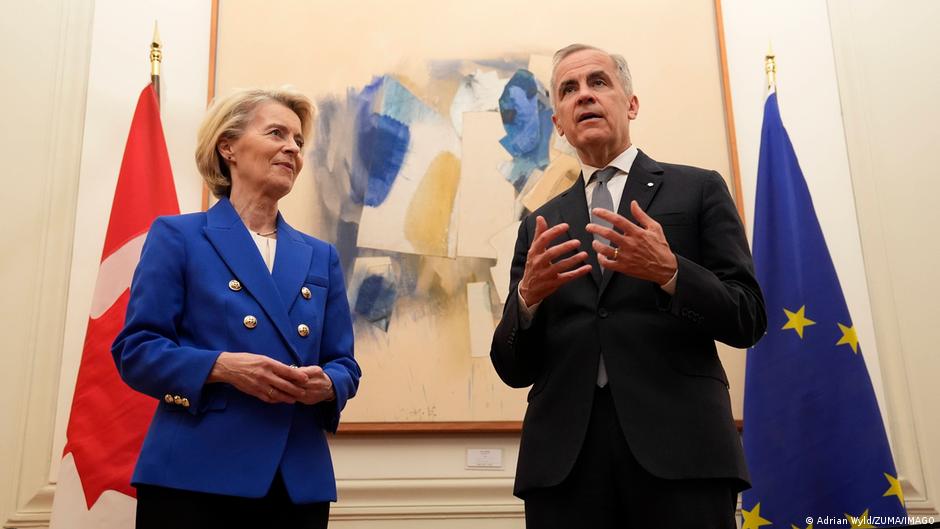
Canada is in talks to join the EU’s €90 billion Ukraine loan as Ottawa seeks deeper ties with Europe and less dependence on the United States.

Zelensky expects late-September US talks on food and energy security as Ukraine warns of Black Sea export disruption and infrastructure attacks.

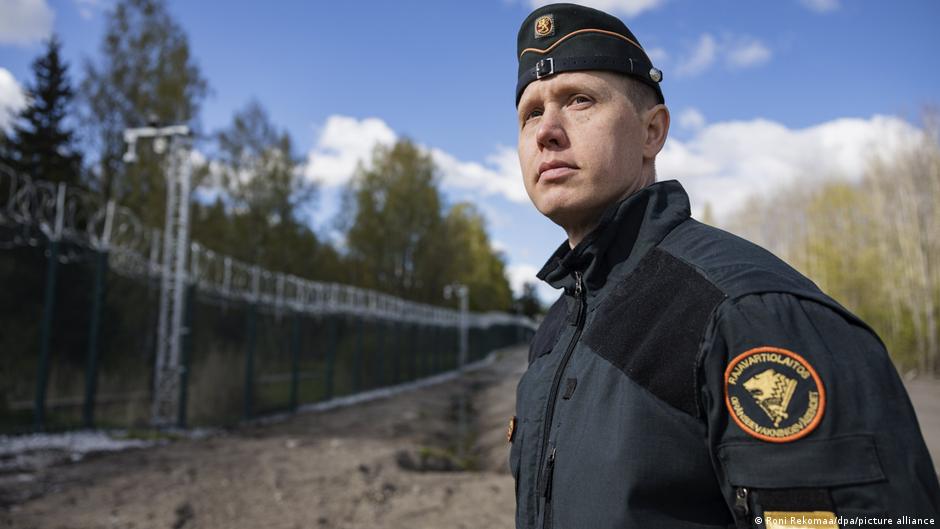
Finland has completed a 200-kilometer border fence with Russia, reflecting Europe’s shift toward security infrastructure amid geopolitical risk.

Putin backed using citizens deemed fully unfit for military service in rear-area drone defense, highlighting Russia’s manpower strain.

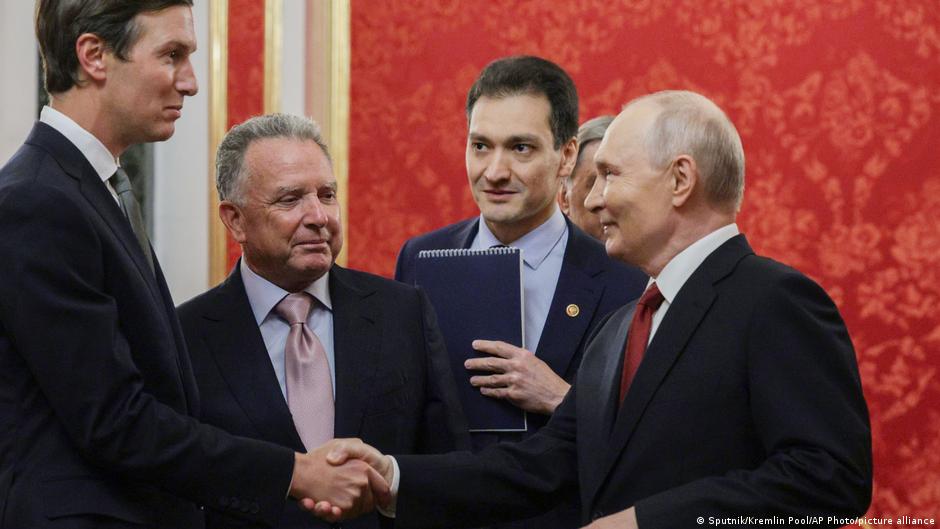
U.S. envoys discussed concrete Ukraine peace plans with Putin before Kyiv talks, raising major questions for sanctions, security and markets.

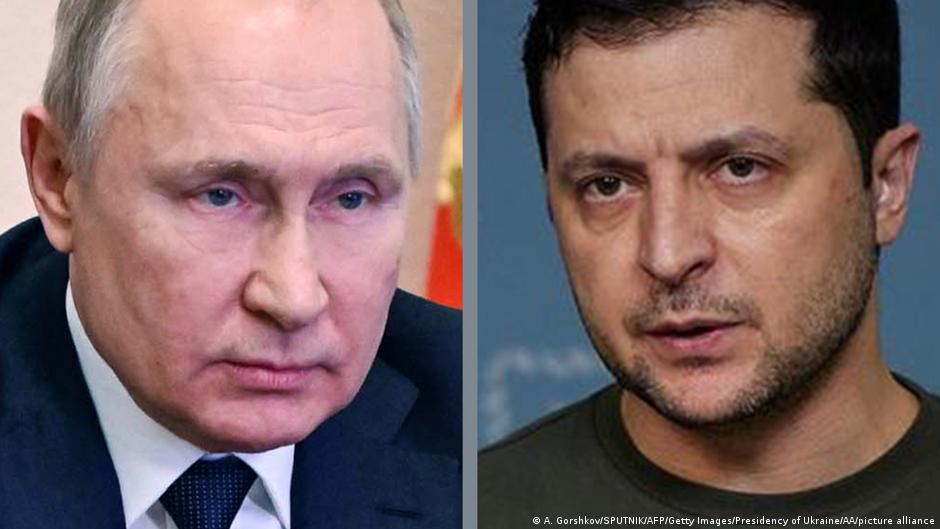
Putin and Zelensky signaled possible diplomatic movement as U.S. envoys prepare visits that could influence sanctions, trade risk and Europe’s economic outlook.

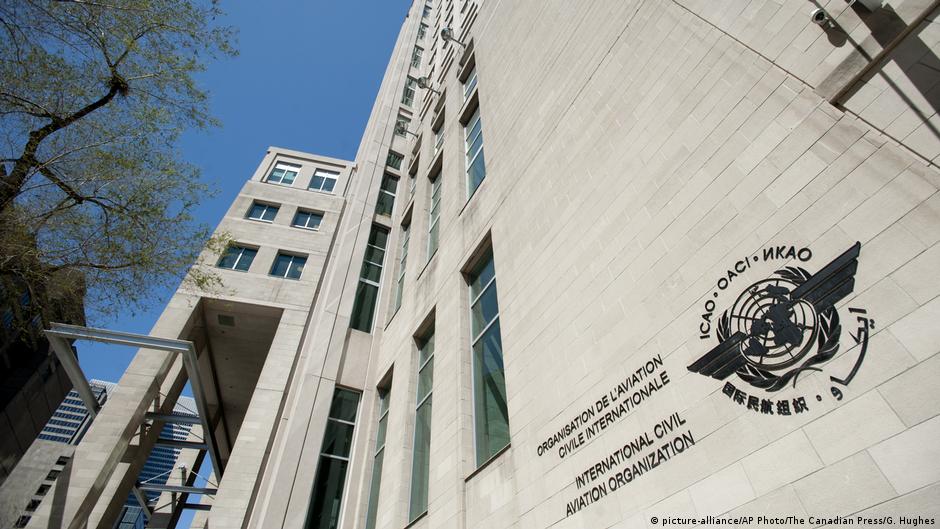
ICAO urged stronger protection for civilian aircraft near conflict zones after Ukraine warned that Russian airspace is becoming unsafe.

Putin told Pashinyan that Armenia's EU bid would effectively mean leaving the EAEU, deepening a dispute with regional trade and policy implications.

Former Kremlin-aligned blogger Ilya Remeslo faces detention for criticizing Putin and the Ukraine war, highlighting Russia's escalating suppression of dissent amid ongoing conflict.

Russia has revised medical restrictions, allowing individuals with limb disabilities to drive public transport, aiding veteran reintegration and addressing labor shortages amid demographic challenges.

Germany confronts escalating hybrid warfare threats, including explosive drone attacks, prompting new technological defenses amid rising geopolitical tensions in Europe.

The EU and Ukraine welcome new US sanctions targeting Russia's energy sector and officials, highlighting coordinated Western efforts amid shifting global economic dynamics.

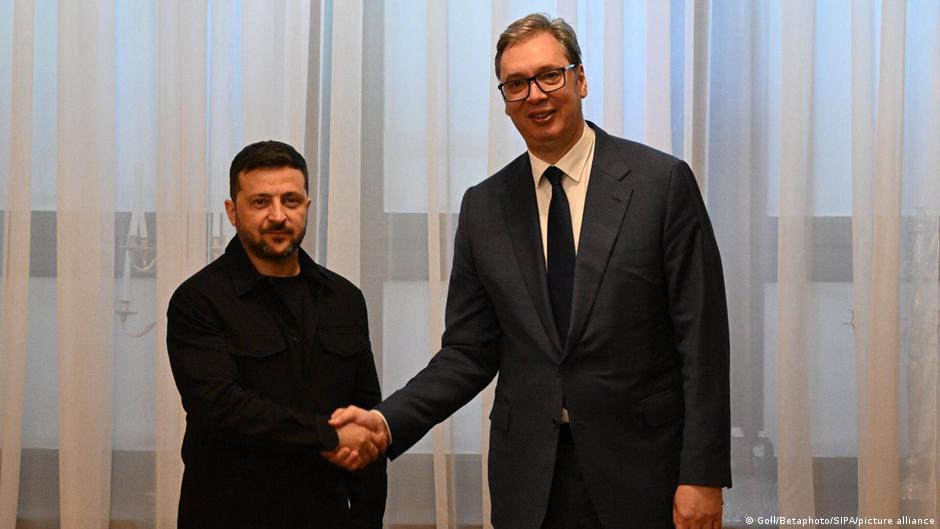
Ukrainian President Zelensky’s first visit to Serbia since the war aims to deepen economic cooperation and address energy and security ties amid complex regional dynamics.

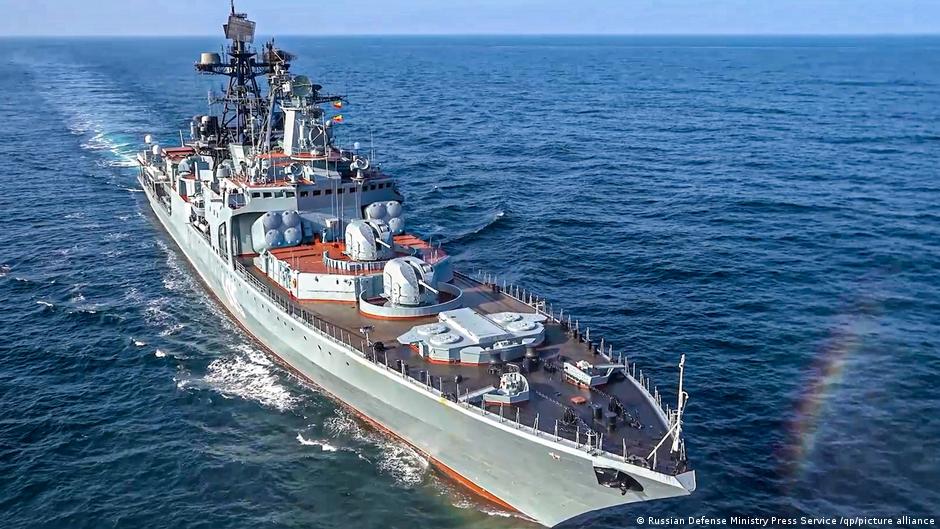
Russia has redeployed the Northern Fleet's large anti-submarine ship Admiral Levchenko near German waters, signaling strategic maritime shifts with significant implications for Baltic security and global trade.

Ukraine warns of Russia's planned expanded mobilization in autumn 2026 and increased military cooperation with North Korea, underscoring global economic and geopolitical risks.
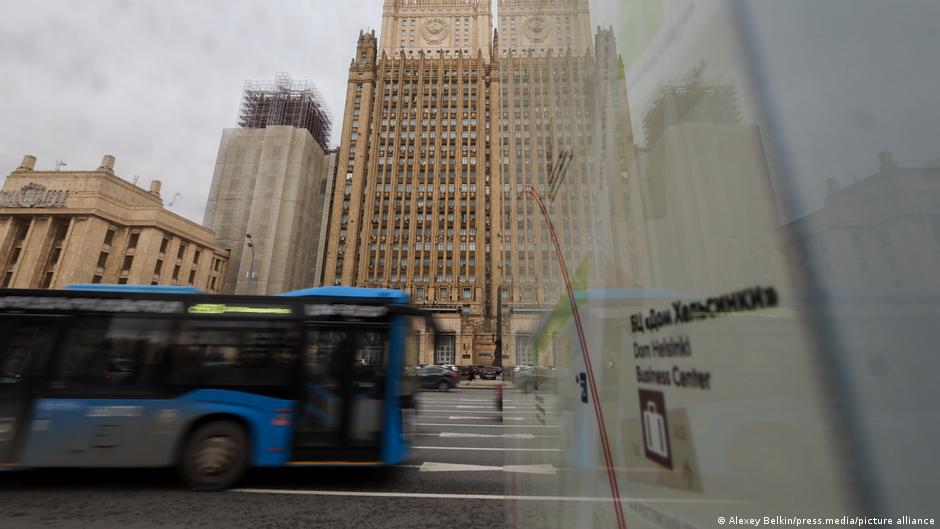
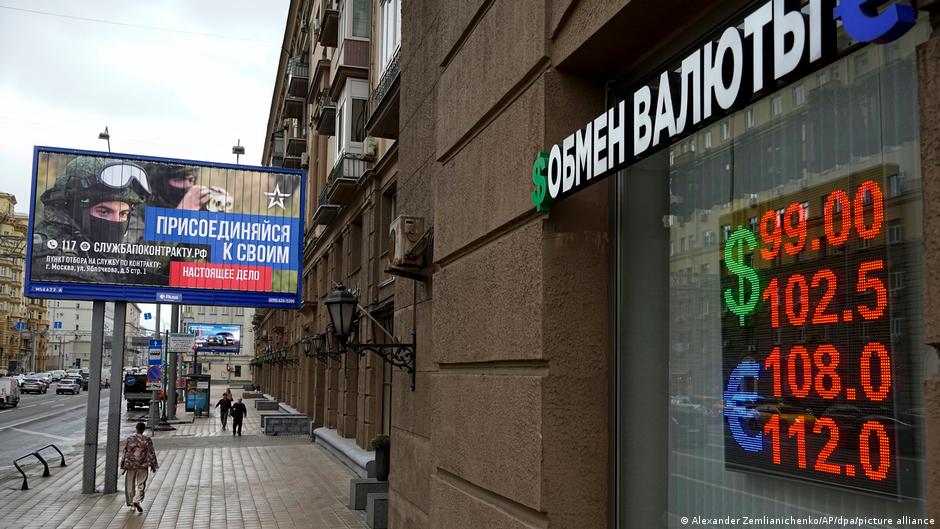
The Russian government proposes expanding criminal convictions eligible for military contracts amid mobilization, signaling deeper labor and defense challenges during ongoing conflict.

Russia’s missile strikes on Kyiv intensify civilian casualties amid rising hostilities, with major implications for regional stability and global energy markets.

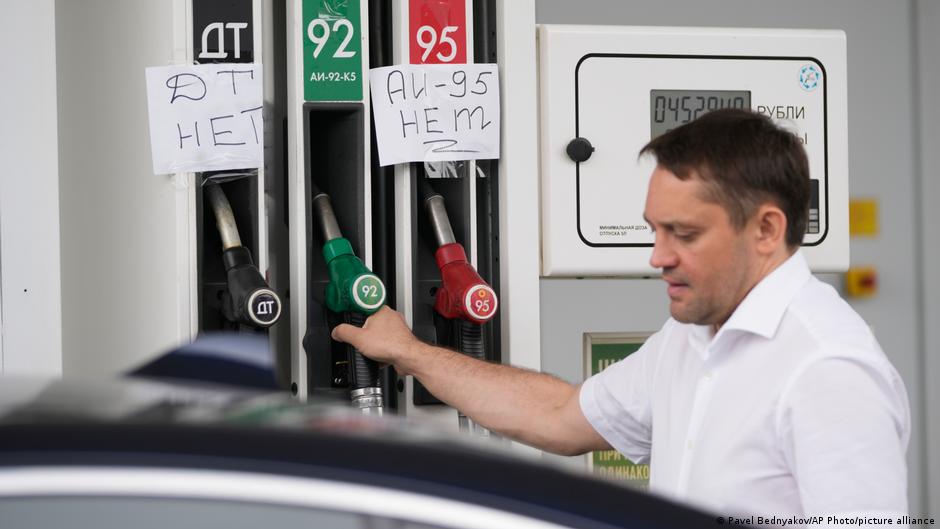
Fuel prices in Crimea have surged nearly 80% in one week amid Russia’s export restrictions and supply shortages, signaling broader energy market challenges and policy shifts.

Germany’s 2027 budget increases defense spending and borrowing amid Russian security concerns, raising questions about economic growth and fiscal sustainability.

Russia plans to end mandatory medical exams for contract soldiers, revealing recruitment challenges amid the ongoing Ukraine conflict.

Russia permits continued use of higher-sulfur Euro-3 fuels domestically until 2026 amid refining disruptions, excluding exports to EAEU countries, signaling a shift in energy policy priorities.
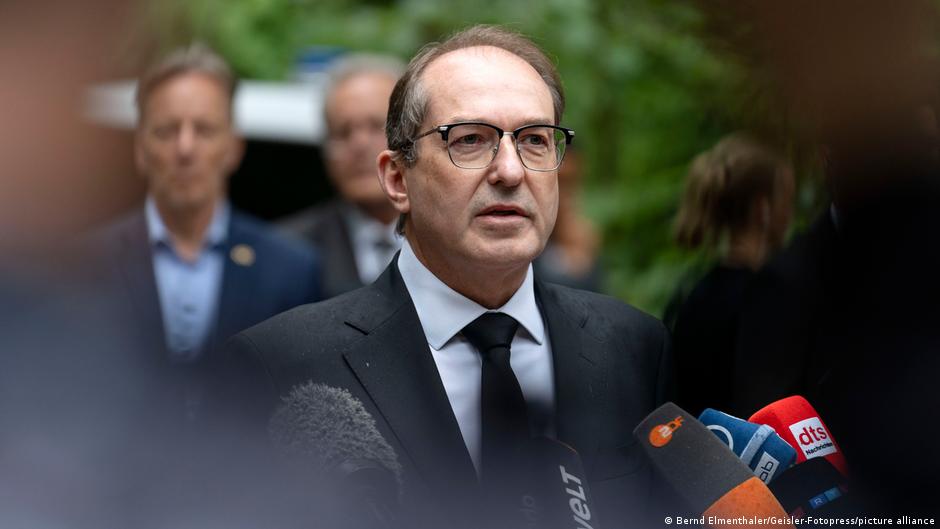
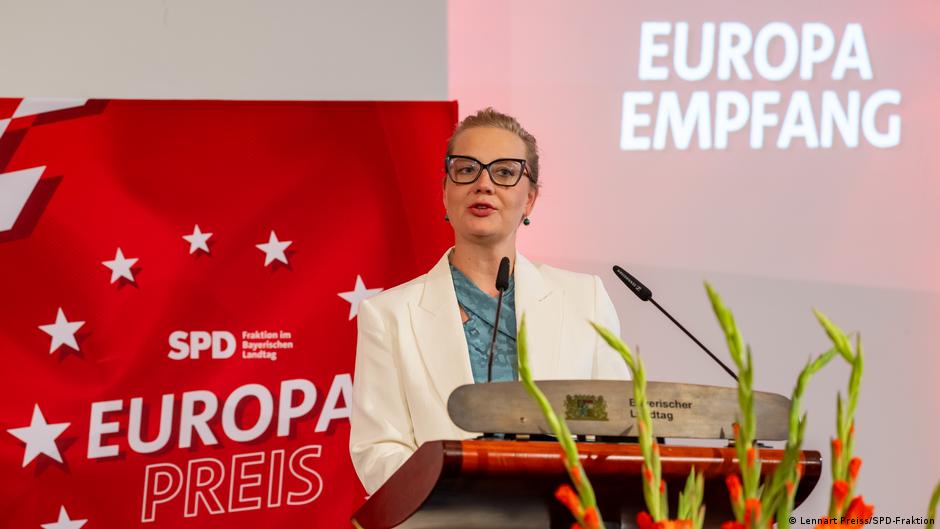
Yulia Navalnaya receives Bavaria’s European Prize for her resilient opposition to Russia’s authoritarian regime and her advocacy for human rights and democracy.