Russia Deploys Northern Fleet Anti-Submarine Ship Near German Shores Amid Baltic Security Shifts
The transfer of the Admiral Levchenko to the Baltic Sea highlights Moscow’s strategic maritime adjustments impacting regional and global economic security.
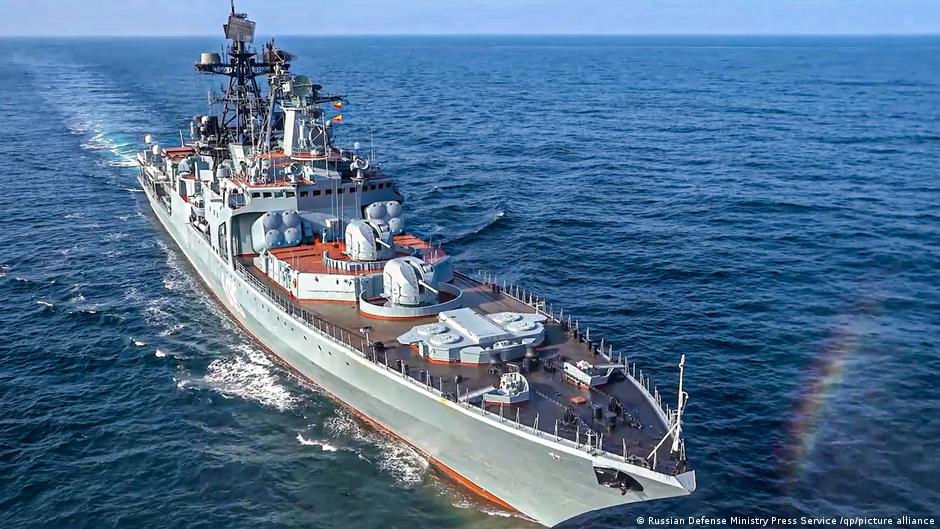
In a notable shift reflecting evolving maritime security dynamics in the Baltic region, Russia has redeployed the large anti-submarine warship Admiral Levchenko from the Barents Sea to waters near the German island of Fehmarn. This movement, confirmed through multiple German maritime monitoring sources, underscores Moscow’s intensified naval presence close to key European shipping lanes and signals potential implications for global trade and energy supply security.
Strategic Context and Security Implications
The Admiral Levchenko, one of the Northern Fleet's largest anti-submarine vessels, was observed passing the Fehmarn island on July 31 and remains active north of Rostock, according to German industry reports. The Russian government has not officially announced this redeployment or its operational objectives in the Baltic Sea, leaving analysts to interpret the strategic calculus behind this move.
Industry observers suggest that the Admiral Levchenko may be replacing the Severomorsk, another Northern Fleet anti-submarine ship that had been patrolling the strategically vital Fehmarn Belt strait between Denmark and Germany. This route is critical not only for commercial shipping but also for vessels associated with Russia’s so-called “shadow fleet,” which transports Russian oil circumventing Western sanctions.
“The redeployment of a large anti-submarine vessel near German waters reflects a calculated effort to safeguard Russian maritime logistics amid increasing geopolitical pressures,” a maritime security analyst noted.
The Severomorsk left the Fehmarn patrol position in late June after completing its long-range deployment. Its departure had left only a Baltic Fleet corvette, the Soobrazitelny, in the area until the arrival of the Admiral Levchenko bolstered Russian naval capabilities once again.
Broader Economic and Policy Repercussions
This naval redeployment occurs against a backdrop of intensified Western sanctions targeting Russian economic and military assets. Notably, the superyacht Graceful, linked to Russian President Vladimir Putin and built in Germany, recently left the Kaliningrad region with a path to Murmansk, ostensibly to evade potential drone attacks. The yacht’s transit underscores heightened protective maneuvers by Russian leadership over high-value assets amid ongoing conflict tensions.
For global decision-makers, these maritime developments signal the Kremlin’s determination to maintain control over critical logistics routes in the Baltic Sea, essential for Russian energy exports and naval operations. The continued shadow fleet operations highlight challenges in enforcing sanctions and preserving the integrity of international trade networks.
In the long term, Russia’s naval posture near Germany and broader Northern European waters may provoke recalibrations of European maritime security strategies, potentially leading to increased NATO naval deployments and heightened surveillance measures. This dynamic interplay between geopolitical military actions and economic sanctions will shape the security environment in one of the world's busiest and economically crucial maritime corridors.
Policymakers and economic strategists must closely monitor these shifts, as disruptions or escalations could impact energy markets, supply chains, and regional stability, with ripple effects felt across global economies.