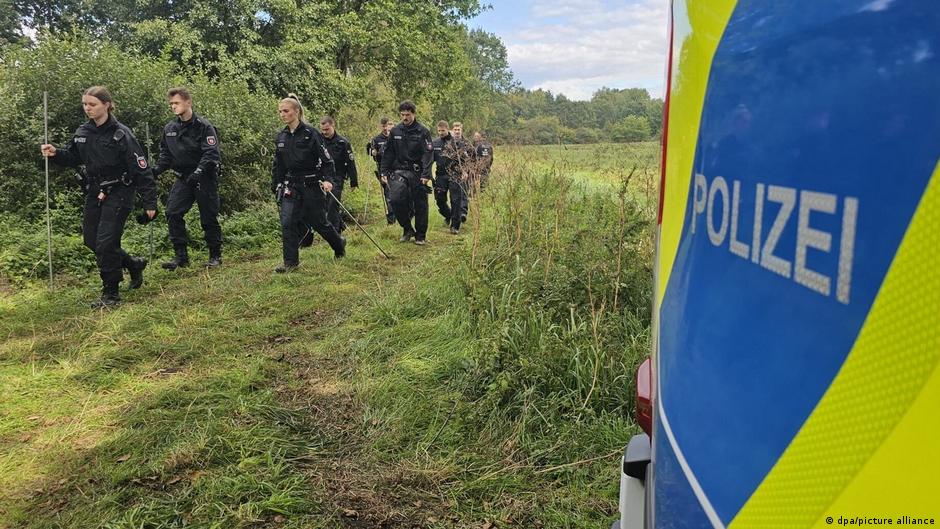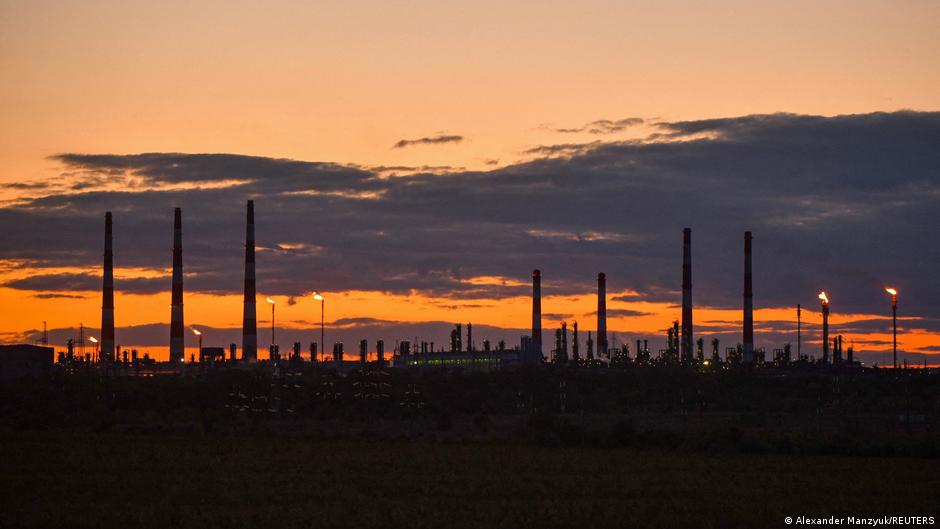
Leipzig Sabotage Probe Expands as Latvia Says Suspect Had Lived in Russia
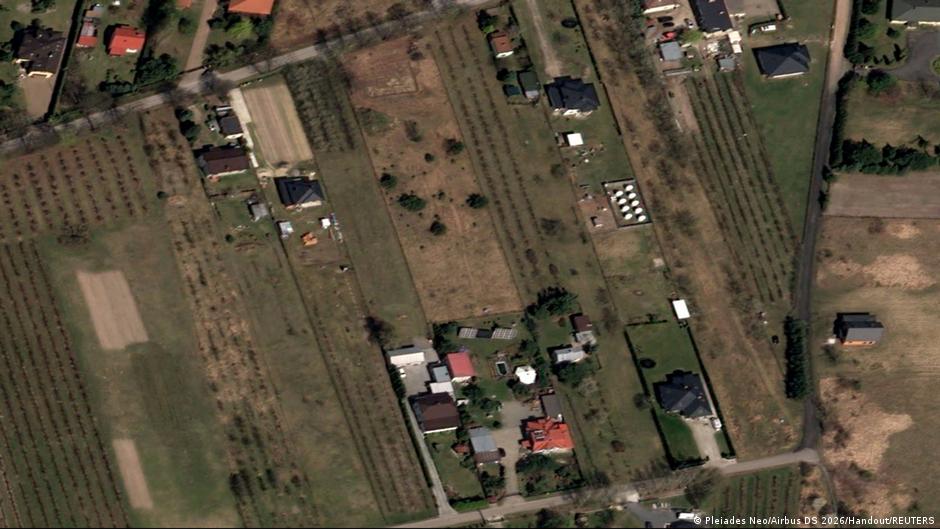
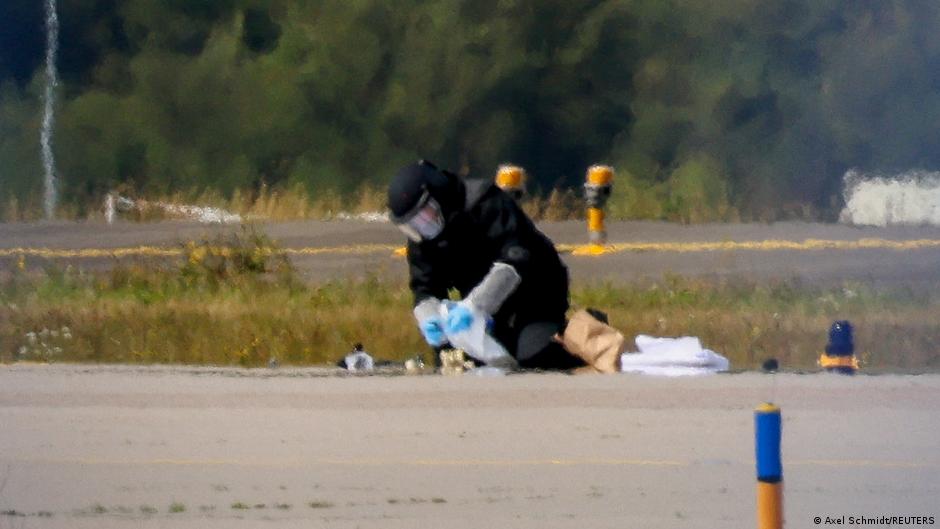
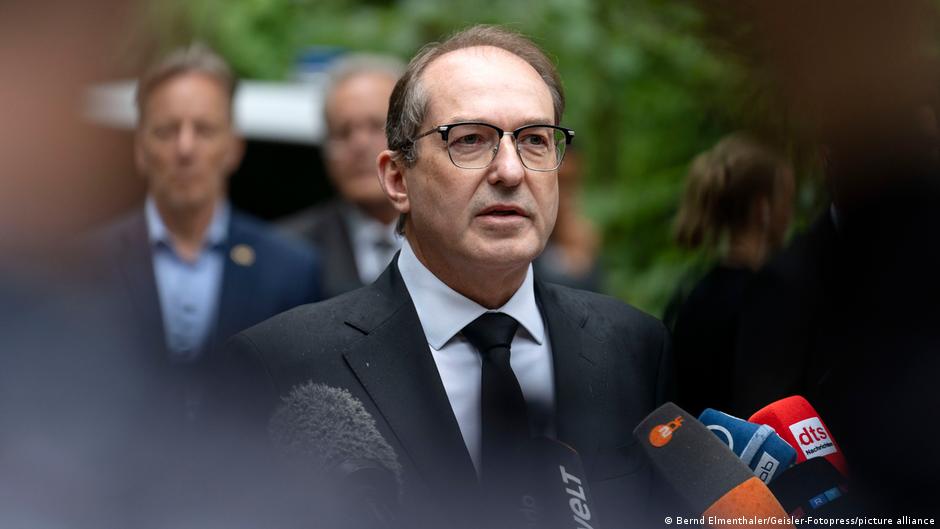
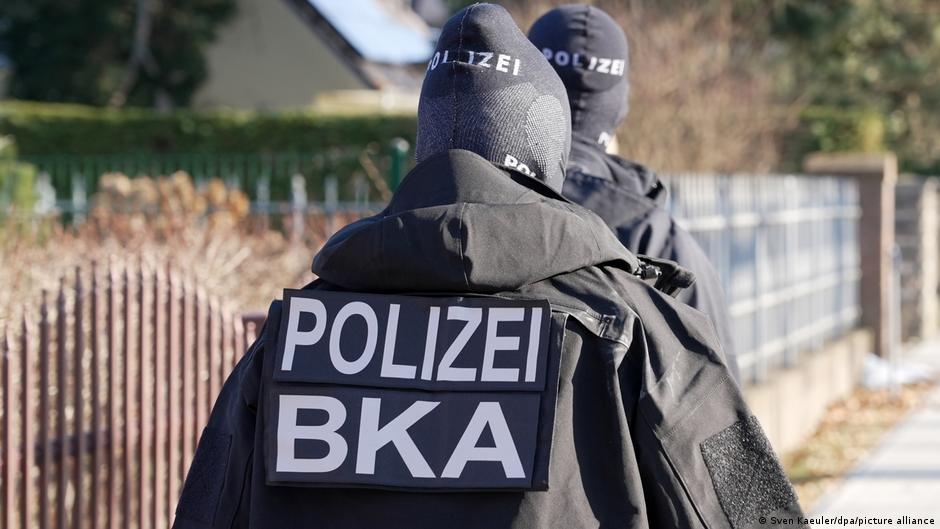
Latvia says a suspect in the Leipzig sabotage case had lived in Russia, as the incident drives wider EU security, sanctions and border-policy responses.

Latvia says a suspect in the Leipzig sabotage case had lived in Russia, as the incident drives wider EU security, sanctions and border-policy responses.

Volkswagen’s approved overhaul signals deeper shifts in European industry, global auto demand and capital allocation across major markets.

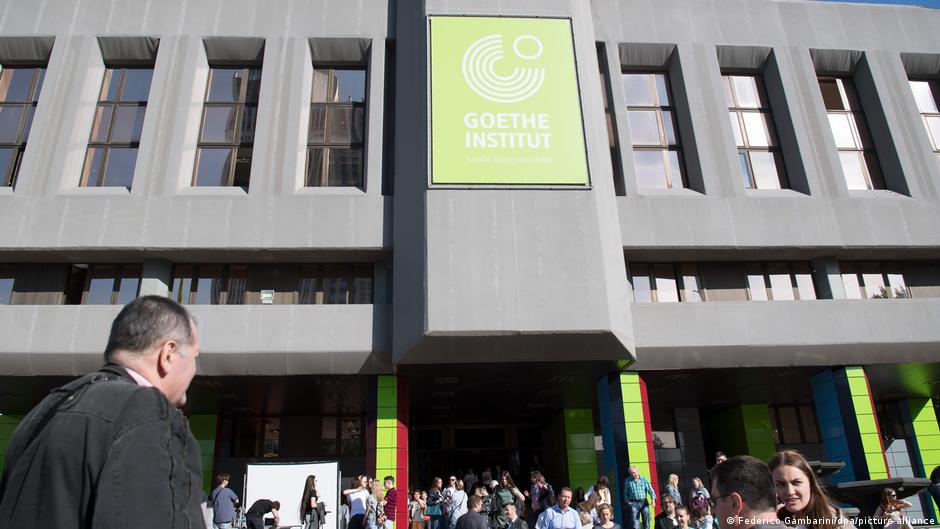
Russia said it will close Goethe Institute branches after Germany tightened sanctions, deepening the institutional split between Moscow and Europe.

Germany’s foreign investment rose to 86 billion euros in 2025, with EU capital dominant, U.S. inflows falling sharply and UK investment surging.
Russia’s covert sabotage of European defense factories tests NATO’s unity and resilience, posing strategic and economic challenges across the alliance.

In 2025, Germany’s wage gap between German and foreign full-time workers stood at 23.6%, reflecting ongoing labor market inequalities and the need for policy reforms.

Several hundred Ukrainian soldiers have deserted military training programs in Germany since 2022, revealing new security and policy challenges for European defense cooperation.

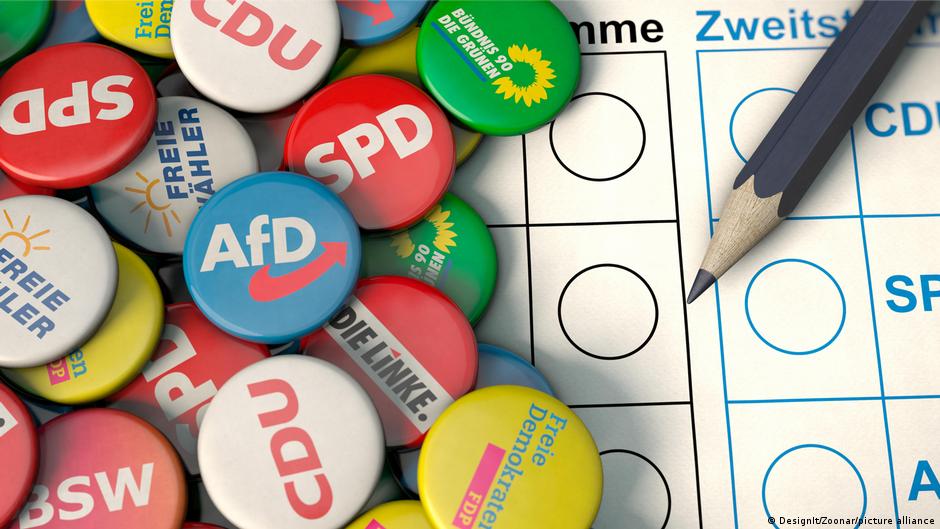
Germany’s CDU/CSU support drops to 20%, the lowest in five years, as far-right AfD leads polls ahead of key federal state elections, signaling shifting voter dynamics.

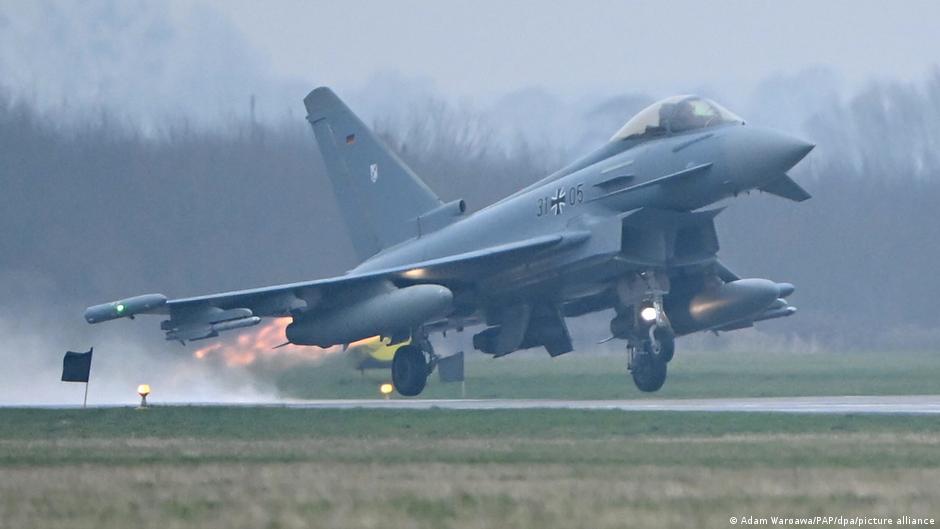
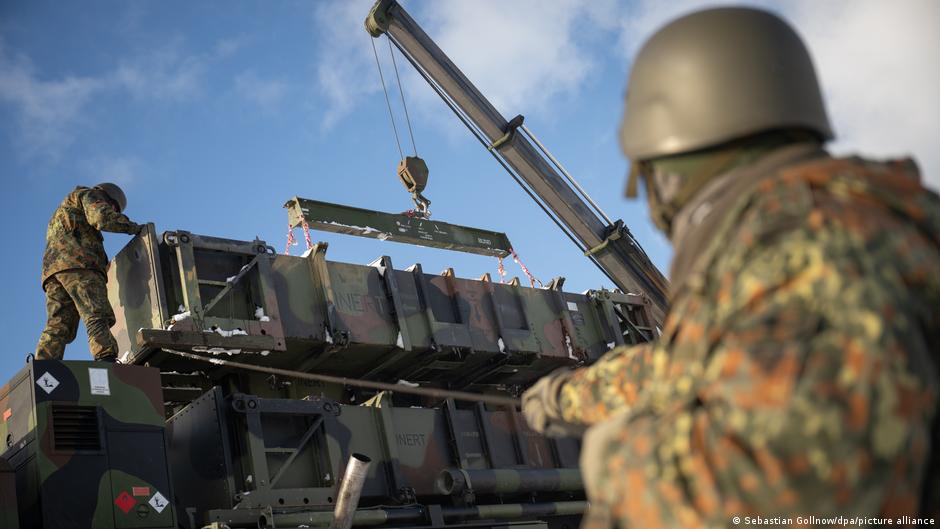
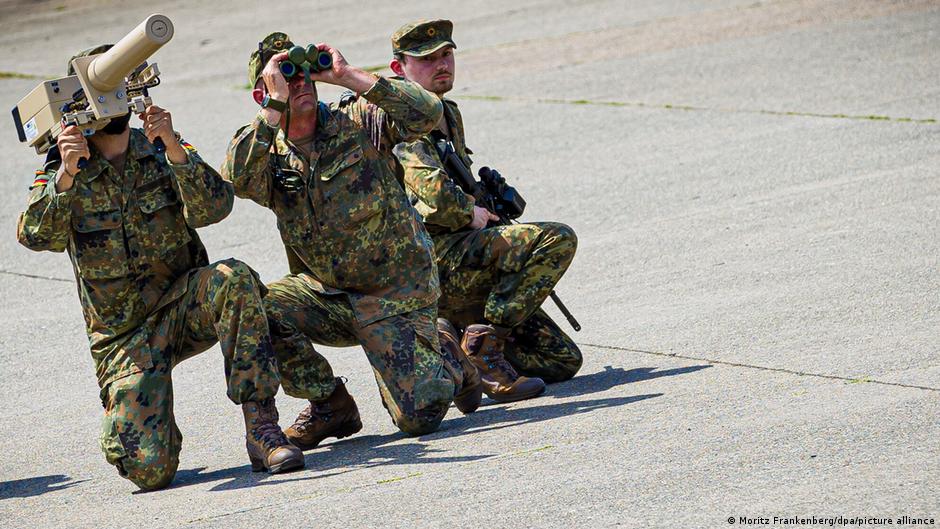
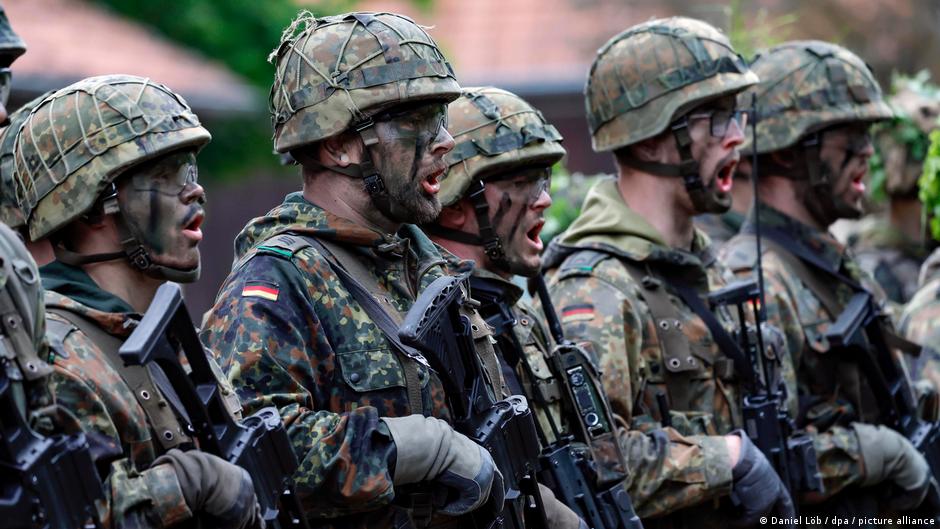
German military bases face a surge in drone incursions linked to hybrid threats, prompting new counter-UAV technology initiatives amid rising security concerns.

Germany confronts escalating hybrid warfare threats, including explosive drone attacks, prompting new technological defenses amid rising geopolitical tensions in Europe.

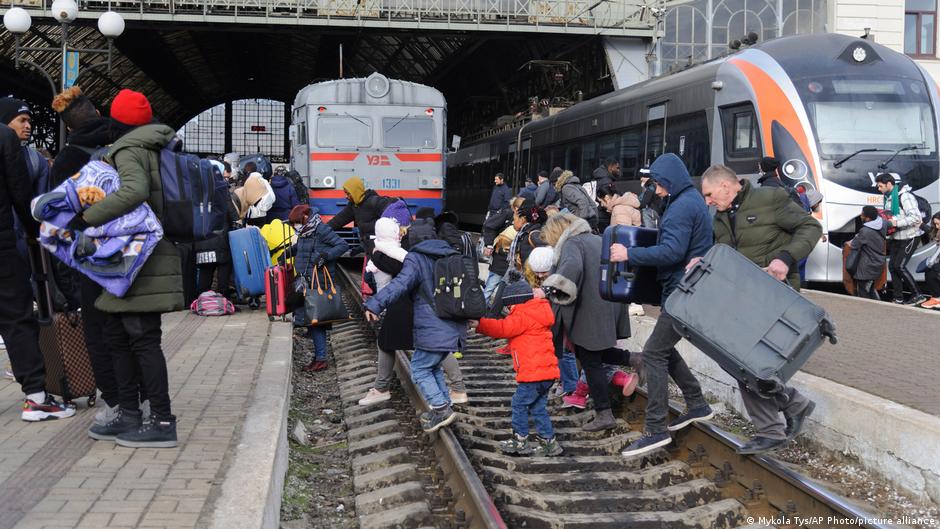
Over 8.4 million Ukrainians live abroad as of 2026, reflecting deep demographic changes due to conflict and posing challenges for Ukraine’s economic recovery and policy planning.

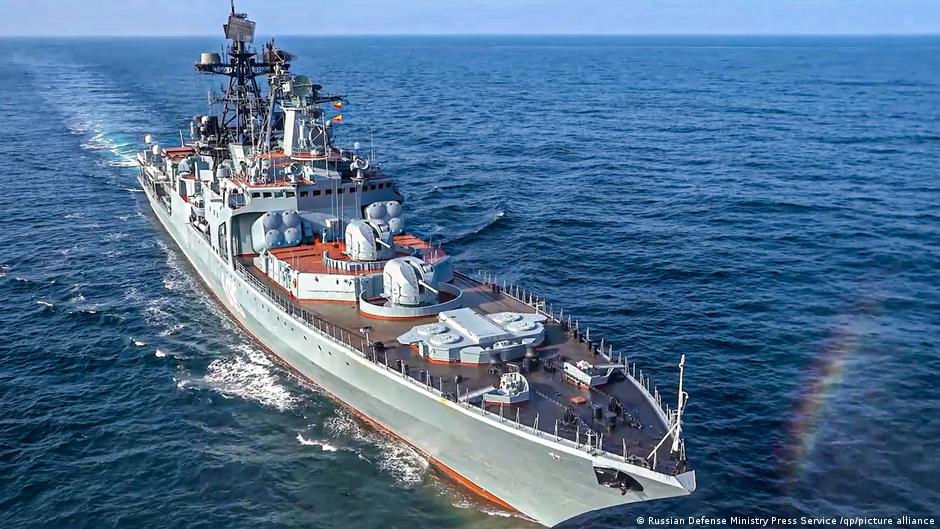
Russia has redeployed the Northern Fleet's large anti-submarine ship Admiral Levchenko near German waters, signaling strategic maritime shifts with significant implications for Baltic security and global trade.

NATO is contemplating deployment of tactical nuclear weapons in Finland, Poland, and Lithuania, marking a strategic shift amid rising security tensions with Russia.

Germany reports 410 Islamist individuals posing threats, highlighting ongoing radicalization challenges and prompting calls for enhanced deradicalization and security measures.

German Transport Minister Patrick Schnieder resigns amid political tensions; Chancellor Friedrich Merz to nominate Steffen Bilger as successor amid critical transport sector challenges.

A Kremlin-linked bot network spreads false German media-style content to influence voter sentiment ahead of September regional elections, targeting all but pro-Russian parties.

Germany seeks a formal agreement with Ukraine to access advanced drone technologies, aiming to enhance its military capabilities amid ongoing security challenges.

US military casualties in the Iran conflict have risen to 17, accompanied by increased US military deployments and retaliatory strikes, impacting global economic and security dynamics.

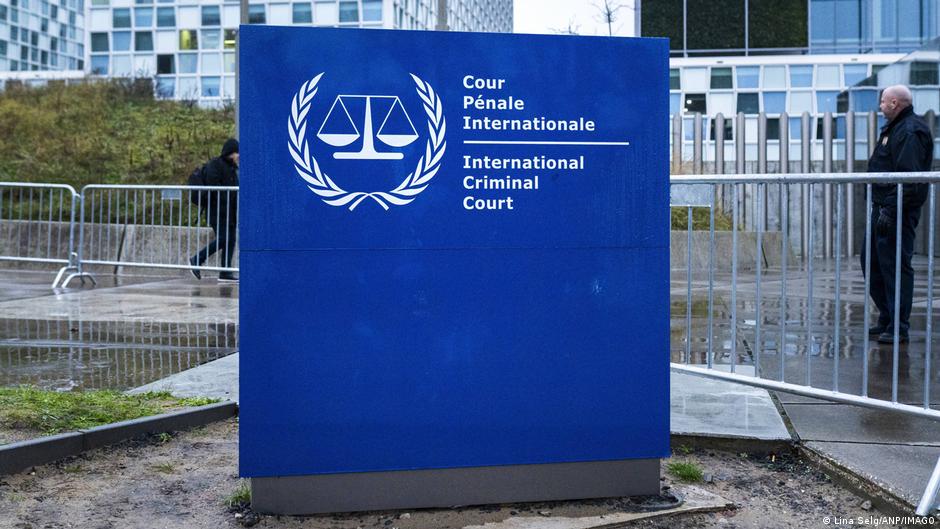
Germany defends the International Criminal Court against U.S. efforts to curtail its authority, highlighting global justice and sovereignty implications.

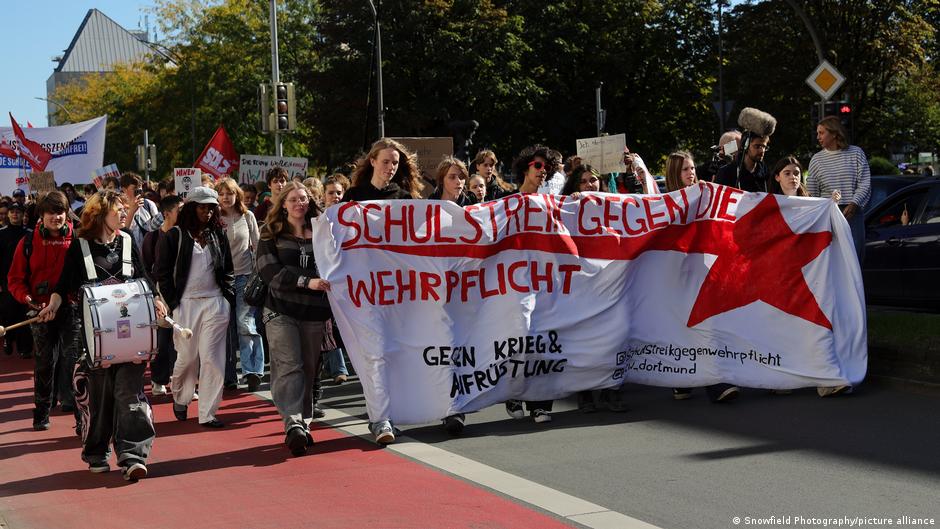
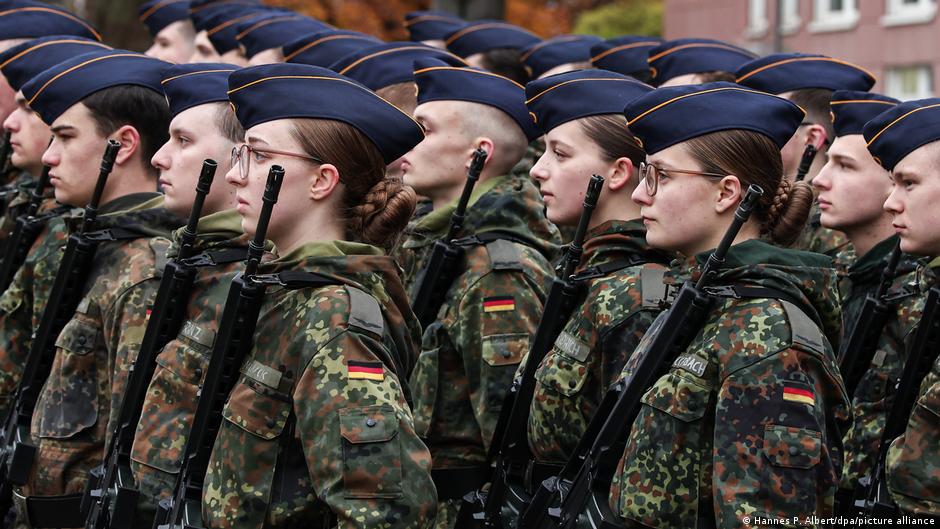
Germany has seen a sharp increase in military service refusals in early 2026, driven by security concerns and conscription reforms aimed at expanding the Bundeswehr’s size.

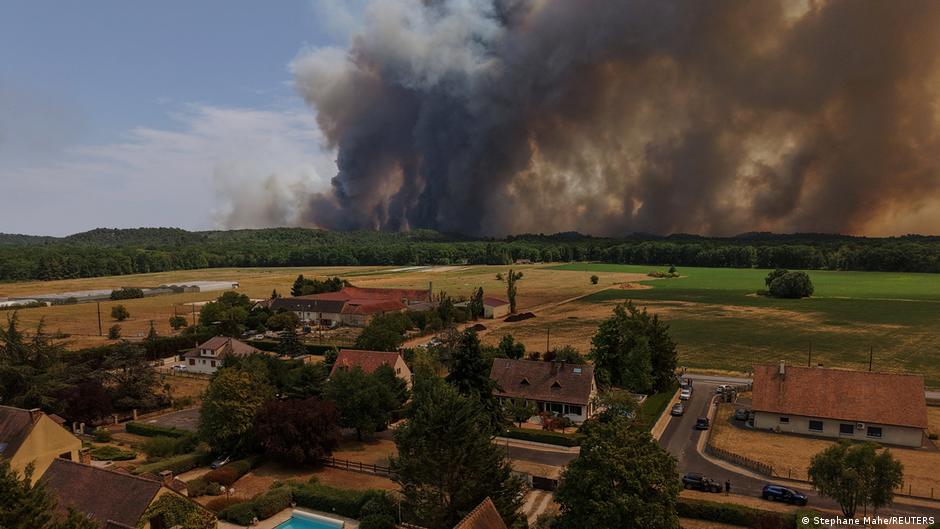
A massive wildfire near Paris has destroyed over 1,300 hectares, underscoring the intensifying risks of climate-induced disasters amid Europe’s record heatwave.

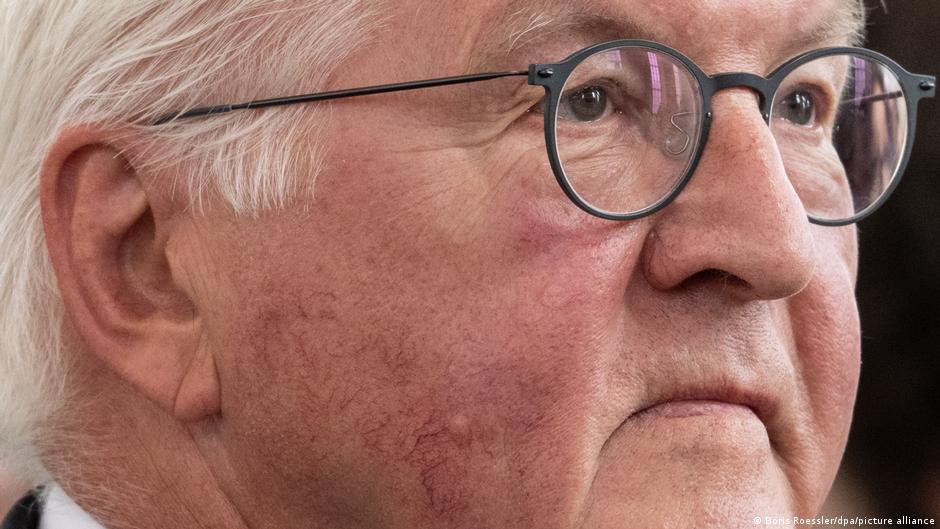
German President Steinmeier calls for Europe to uphold international law and counteract the ruthless geopolitical strategies of Russia and the US amid rising populism and reform challenges.

Germany plans a record €124.7 billion defense budget for 2026, marking a 25.5% rise and signaling a major shift in European security and economic policy.

Germany’s 2027 budget increases defense spending and borrowing amid Russian security concerns, raising questions about economic growth and fiscal sustainability.

Canada's decision to procure German-designed Type 212CD submarines marks a pivotal moment in transatlantic defense collaboration and Arctic security strategy.

A recent INSA poll shows 45% of Germans oppose banning the far-right AfD, which remains the country's most popular party, outpacing CDU/CSU by 8 points.

A DGB study finds 40% of German workers doubt they can work until retirement due to physical and psychological strain, raising concerns for pension reforms and labor policies.

Latvian President Edgars Rinkēvičs warns NATO to prepare for potential escalation with Russia, stressing the need for increased military capabilities and clear deterrence signals to Moscow.

Two German businessmen admitted to violating EU sanctions by shipping machinery components to Russia via front companies in Kyrgyzstan and Turkey, raising concerns about enforcement challenges.

The EU reduces duty-free steel import quotas by 47%, imposing a 50% tariff on excess imports to protect its steel industry from cheap global steel surpluses.

German and US foreign ministers reaffirmed their indispensable partnership amid global economic instability and discussed NATO burden-sharing and support for Ukraine.

Yulia Navalnaya receives Bavaria’s European Prize for her resilient opposition to Russia’s authoritarian regime and her advocacy for human rights and democracy.


Trump praises Zelensky's resilience in the Russia-Ukraine war and criticizes European allies, reflecting shifting diplomatic dynamics with far-reaching economic and geopolitical implications.

Belgium issued one-day visas to five Taliban representatives for EU talks on Afghan deportations, spotlighting the EU's complex migration and security challenges.

Germany urges the EU and Turkey to exclude Russian gas in future contracts, reflecting a strategic shift as Turkey seeks to become a regional gas hub amid evolving geopolitical tensions.

The EU is conducting discreet talks with Kremlin officials to prepare for possible peace negotiations, reflecting a strategic shift amid evolving conflict dynamics in Ukraine.

G7 leaders have announced new sanctions targeting Russian oil and gas exports and pledged increased military support for Ukraine, signaling a strategic shift with significant global economic implications.

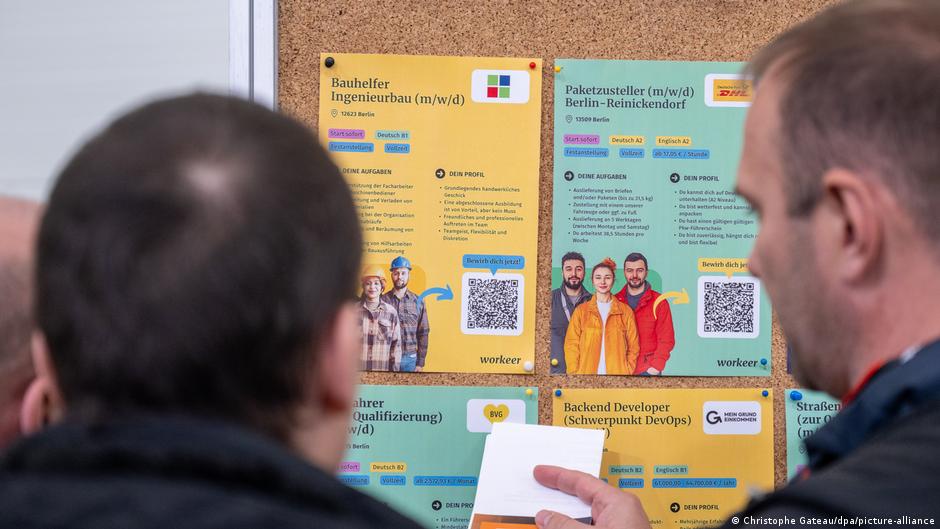
Germany's labor shortage is set to rise to 4.3 million by 2036 due to baby boomer retirements and reduced immigration, challenging economic growth and social welfare sustainability.

France, Germany, UK, and Italy endorse the US-Iran agreement as a vital step toward regional peace and global economic stability, stressing the need to prevent Iran’s nuclear armament.

Twenty-two countries, including the US and European states, jointly condemn Iran for orchestrating attacks on their territories against dissidents and Jewish communities.

Germany allocates an extra €300 million to support the Czech-led ammunition supply initiative for Ukraine, highlighting evolving European defense commitments and strategic funding challenges.

Ukrainian President Zelensky held a positive discussion with Trump envoys to boost diplomacy aimed at ending the Russia-Ukraine war, amid broader European summit talks.

Rheinmetall signs a €5.7 billion arms supply contract with Romania, funded by the EU’s Security Action for Europe program, marking a shift in European defense industry strategy.

The United Nations faces a funding crisis as delayed payments from the US and China threaten its operations, prompting urgent budget cuts and raising concerns about global governance stability.

Putin’s presumed children receive high-cost language education from Western tutors, revealing complex use of foreign expertise amid Russia’s geopolitical tensions.

Friedrich Merz’s circle denies plans for his early replacement amid CDU rumors, highlighting risks to political stability and economic policy continuity in Germany.

The EU postpones appointing a special envoy to negotiate with Russia over Ukraine, prioritizing a clear strategy and unified objectives before engaging in talks.

Ukraine and European leaders convened to discuss reinvigorating diplomacy to end the war with Russia amid shifting global priorities and evolving conflict dynamics.

The US announces deployment of 5,000 additional troops to Poland amid evolving military strategy in Europe, signaling strategic shifts and NATO adaptation.