Germany Defends International Criminal Court Amid U.S. Campaign Challenging Its Authority
German Foreign Minister emphasizes the ICC’s role in global justice as U.S. intensifies diplomatic pressure against the court.
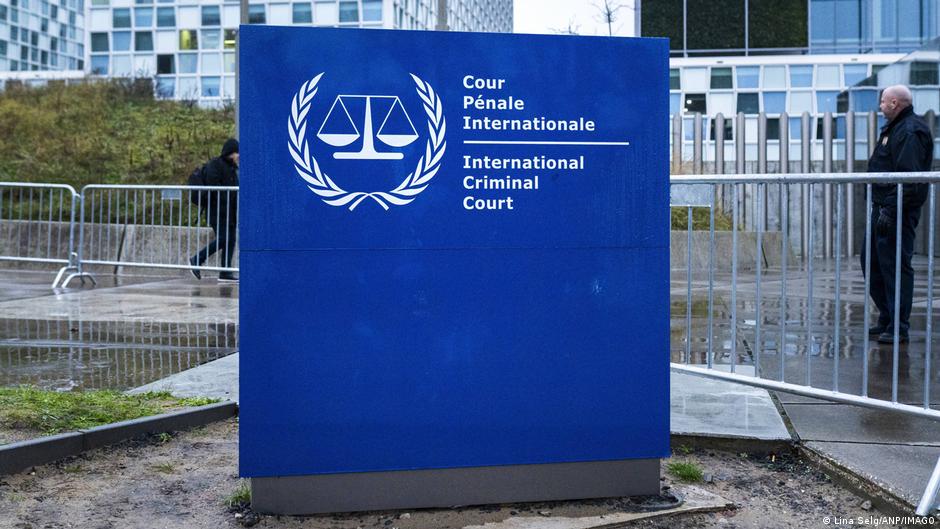
The International Criminal Court (ICC) continues to face mounting pressure from the United States, which has launched a comprehensive campaign challenging the court's legitimacy and jurisdiction. In response, Germany’s Foreign Minister Johann Wadephul has publicly defended the ICC, underscoring its crucial role in promoting global justice and security.
Germany Supports ICC Independence Despite U.S. Opposition
Speaking in an interview with Redaktionsnetzwerk Deutschland, Wadephul highlighted the ICC's instrumental role in adjudicating some of the gravest crimes against humanity, such as the recruitment of child soldiers. He emphasized that while the court may have imperfections, these do not justify undermining its existence or achievements.
"The International Criminal Court makes the world safer and more just," Wadephul stated, reinforcing Germany’s commitment to upholding the institution as an independent body essential to the international legal order.
Wadephul also affirmed that Berlin backs a rules-based international system and the network of international courts that underpin it. This stance contrasts sharply with Washington’s recent denunciations of the ICC.
U.S. Campaign Against ICC Raises Sovereignty Concerns
On July 13, the U.S. State Department publicly accused the ICC of posing an "unacceptable threat to U.S. sovereignty," particularly over investigations involving American military personnel and officials. The U.S. has long maintained that the ICC lacks jurisdiction over its nationals, having never ratified the Rome Statute, the treaty establishing the court.
U.S. Secretary of State Marco Rubio described the ICC's investigative actions as attempts to elevate itself "above the nation-state," characterizing the court's approach as a legal offensive against the country rather than a traditional military threat. Washington’s announced response includes a broad spectrum of measures, including diplomatic efforts to convince other countries to withdraw support from the ICC, bans on court officials entering the U.S., and intensified sanctions.
This campaign aims to suppress the ICC’s capacity to investigate or prosecute U.S. personnel, framing such efforts as necessary to protect national sovereignty from what the U.S. perceives as extraterritorial legal overreach.
European Commission Rejects U.S. Sovereignty Argument
European Union representatives have countered U.S. claims that the ICC threatens sovereignty. An EU Commission spokesperson dismissed attacks on the court and its personnel as unacceptable and reaffirmed that the ICC does not target sovereign states or impinge upon their sovereignty.
This divergence between the U.S. and its European allies reflects broader tensions over international legal frameworks and the balance between national sovereignty and global governance.
Long-Term Implications for International Law and Global Governance
The U.S. campaign against the ICC represents a significant challenge to the post-World War II international legal order, which is predicated on multinational institutions enforcing accountability for violations of human rights and humanitarian law.
Germany’s defense of the ICC signals a commitment among key European powers to preserve the integrity of international justice mechanisms, viewing them as integral to global stability and the deterrence of atrocities.
However, continued U.S. opposition and efforts to weaken the ICC could embolden other states to reject international legal norms, potentially undermining cooperation in transnational crime prevention, human rights enforcement, and conflict resolution.
As the geopolitical landscape evolves, the debate over the ICC’s authority encapsulates broader questions about sovereignty, the limits of international law, and the future architecture of global governance.