Germany Sees Sharp Rise in Military Service Refusals Amid Security Concerns and Conscription Reform
Applications to refuse military service in Germany nearly doubled in the first half of 2026 amid heightened security tensions and new conscription policies.
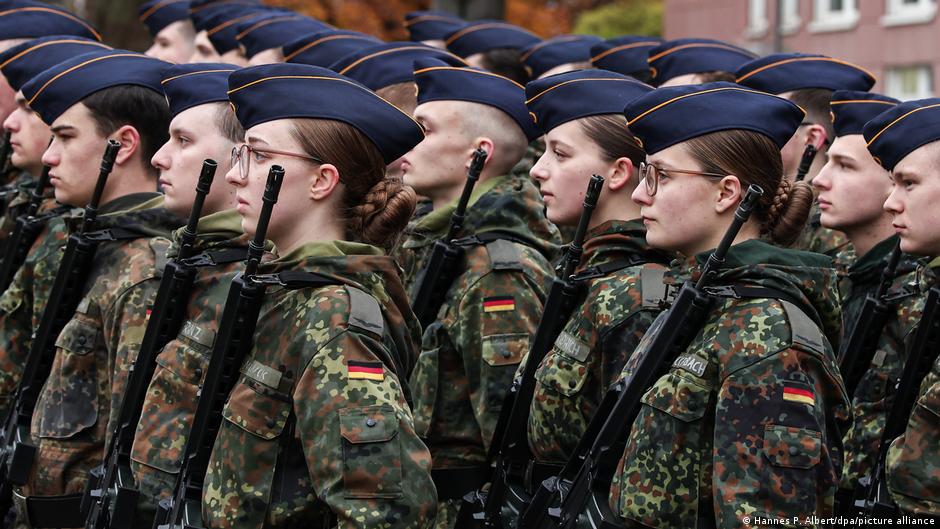
Germany is experiencing a significant surge in the number of individuals refusing military service, a development that signals broader shifts in national defense policy and has implications for European security dynamics. According to official data, 5,862 applications to decline military service were submitted in the first half of 2026, nearly doubling figures from previous years and raising questions about the future composition and readiness of the Bundeswehr.
Context and Causes of the Increase in Service Refusals
The sharp rise in refusals is attributed to a combination of heightened security tensions in Europe and the introduction of new conscription reforms effective from January 1, 2026. The Federal Office for Family and Civil Society Affairs (BAFzA) reports that this number represents a significant increase compared to 3,867 refusals filed during the entire year of 2025 and just 2,998 in 2024.
Since the suspension of mandatory military service in 2011, refusal rates tended to be lower; that year saw 4,348 refusals. However, changes to the conscription system foresee the reintroduction of compulsory medical evaluations for all 18-year-old males starting July 1, 2027, regardless of whether they opt to serve voluntarily. This policy shift aims to categorize fitness for service but may also act as a precursor to reinstating partial conscription.
“The planned reintroduction of a conditional conscription mechanism reflects Germany’s strategic intent to expand its military capacity amid evolving security challenges.”
Parliament is considering the reactivation of so-called "military obligation as needed," which would mandate service for those volunteers fail to meet recruitment targets. The Bundeswehr’s active personnel strength is projected to rise from 186,000 currently to 260,000 by 2035, underscoring the government’s commitment to bolstering defense capabilities in the face of geopolitical uncertainty.
Legal and Social Dimensions
Although compulsory service was suspended, it remains constitutionally enshrined in Germany’s Basic Law. Individuals retain the right to conscientious objection to armed service under Article 4, paragraph 3. Importantly, refusal applications can be submitted not only by conscripts but also by reservists and active-duty personnel, indicating complex attitudes toward military engagement across demographics.
Conversely, some applicants have withdrawn their refusal requests. In 2025, 781 reversals were recorded, with 233 in the first quarter of 2026 alone, suggesting that evolving security circumstances and policy adjustments influence personal decisions regarding military service.
Global and Economic Implications
The resurgence of military conscription debates in Germany reflects a broader recalibration of defense postures across Europe. Increasing manpower in the Bundeswehr aligns with NATO’s strategic emphasis on collective security and rapid mobilization amid heightened tensions near the continent.
For global economic policymakers and senior decision-makers, these developments highlight the intersection of security policy and economic planning. Expanding military personnel may affect labor markets, public spending, and budget priorities, potentially influencing Germany’s broader economic trajectory and its role in European economic stability.
Moreover, Germany’s conscription reforms signal a shift in long-term policy frameworks that could impact defense procurement, industrial output related to military needs, and international partnerships. Observers should monitor how workforce dynamics and societal attitudes evolve as the country navigates these complex challenges.