Forest Fire Near Paris Highlights Growing Risks of Climate-Driven Disasters in Europe
A massive wildfire in the Fontainebleau forest underscores the escalating economic and environmental challenges posed by extreme heatwaves and climate change in Europe.
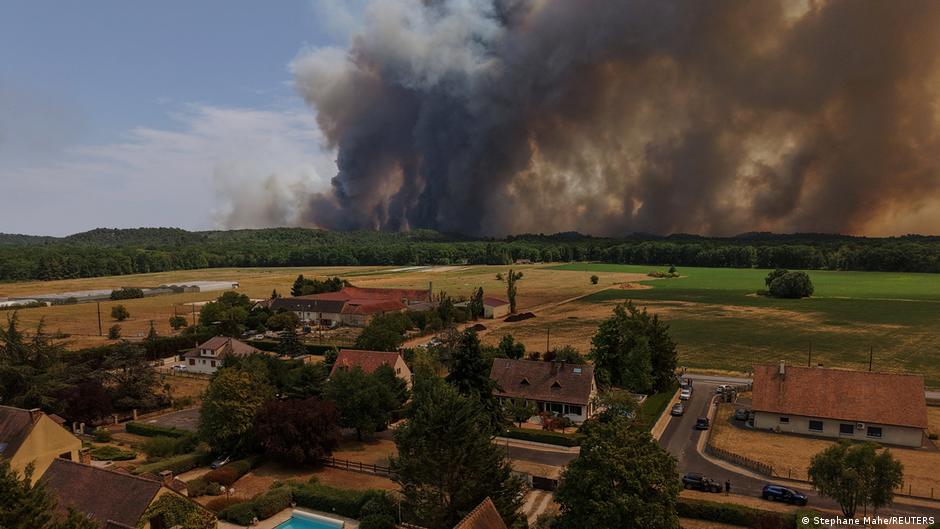
Two suspects have been detained in connection with a massive wildfire that devastated over 1,300 hectares of the Fontainebleau forest, located approximately 60 kilometers southeast of Paris. Authorities are investigating the blaze as a possible case of arson—either intentional or accidental. The incident forced the evacuation of nearly 1,000 residents and mobilized an extensive firefighting response.
Escalating Wildfires Amid Europe’s Record Heatwave
According to French Interior Minister Laurent Nunez, the two suspects include an 18-year-old with no prior criminal record, whose hands were reportedly covered in soot at the time of arrest. A lighter was found on the individual, suggesting potential involvement in the fire’s ignition. The scale and intensity of the Fontainebleau fire rank it among the most severe forest fires in the Paris metropolitan area in recent memory.
The firefighting operation was extensive, involving 600 firefighters and multiple aircraft, including four Canadair water bombers, two Dash planes, and three helicopters, which together completed 187 water drops. Despite efforts, the fire led to the closure of several major highways and required overnight vigilance by firefighting teams.
"The Fontainebleau fire is symptomatic of the new climate reality, where extreme weather events pose increasingly grave economic and social risks," said Jean-Marc Sicard, commander of the rescue operation.
France is currently experiencing its third wave of heat this year, with wildfires having consumed 32,000 hectares nationwide—double the area destroyed during the same period last year. Authorities have detained 59 individuals across the country on suspicion of causing fires through negligence or deliberate action, including improperly discarded cigarette butts.
Broader Economic and Climate Implications for Europe
The Fontainebleau wildfire is emblematic of the broader challenges Europe faces amid rising temperatures driven by climate change. The European Copernicus Climate Change Service (C3S) recorded June 2026 as the hottest June on record for Western Europe, with average temperatures approximately three degrees Celsius above the 1991-2020 average. This anomalous heatwave has exacerbated heat-related mortality, with the Robert Koch Institute estimating around 5,100 deaths in Germany during June alone, likely an underestimation of the full impact.
These extreme weather conditions have multifaceted economic consequences. They strain emergency services, disrupt transportation infrastructure, and threaten critical natural resources such as forests. The increasing frequency and severity of such incidents necessitate adaptive policy measures focused on climate resilience, disaster preparedness, and sustainable land management.
From a macroeconomic perspective, the rising incidence of wildfires and heatwaves in Europe is poised to accelerate expenditures on emergency response and recovery, increase insurance costs, and potentially reduce productivity across multiple sectors including agriculture, forestry, and tourism. The Fontainebleau event highlights the urgent need for coordinated European strategies to mitigate climate risks and protect vulnerable communities.
As heatwaves become more common and intense, the economic and social stability of the region could be increasingly compromised. Policymakers must therefore integrate climate adaptation into national and EU-level planning to minimize long-term damage and ensure sustainable economic growth.