Uzbek State Sells 'Fonon' Jewelry Factory Amid Financial Recovery Challenges
Uzbek government auctions 100% stake in 'Fonon' factory with outstanding debts, reflecting ongoing state asset privatization efforts.
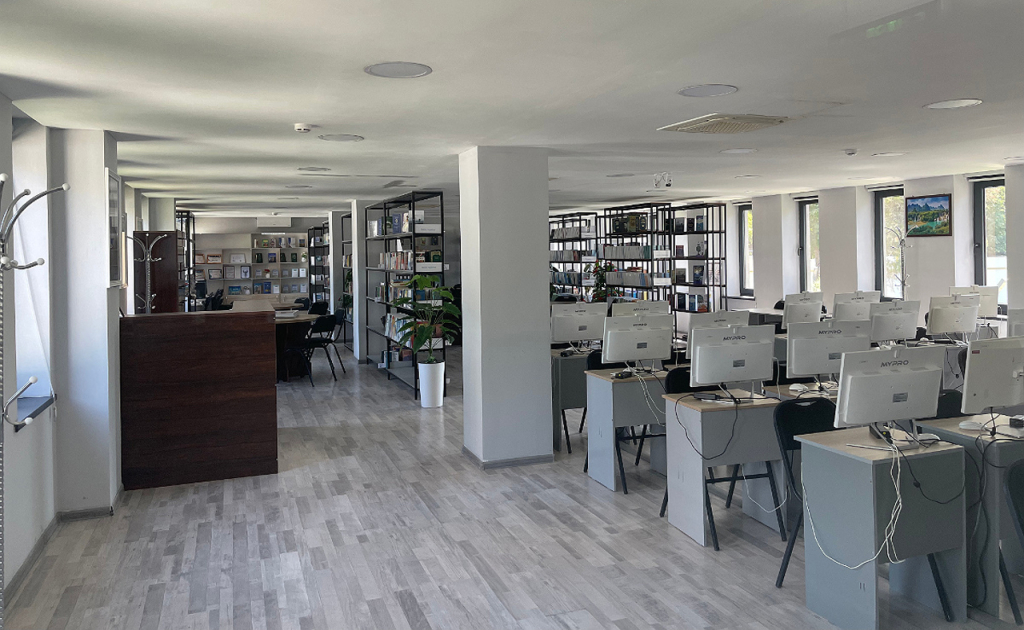
The Uzbek government has initiated the sale of its entire 100% stake in "Gold Moon Tashkent," the holding company of the "Fonon" jewelry factory, through an open auction. The starting price for the state share has been set at 316.7 billion Uzbek soms, signaling a significant transaction within Uzbekistan's ongoing economic reforms and privatization campaigns.
Financial Performance and Liabilities
Despite a turnaround in operational profitability, the company's overall financial health remains fragile. In the first half of 2026, "Gold Moon Tashkent" reported a net profit of 33.4 billion soms after years of loss. Revenues in 2025 reached 413.8 billion soms, slightly down from the previous year by nearly 1%. The net loss decreased from 12.3 billion soms in 2024 to 7.8 billion soms in 2025, indicating some operational improvements.
However, as of July 1, 2026, the company's liabilities exceeded its assets by approximately 107.3 billion soms, with total assets at 443 billion soms and liabilities at 550.3 billion soms. This represents financial leverage challenges that the prospective buyer will inherit along with the company's 305.9 billion soms in creditor debt and 13.2 billion soms in debtor obligations.
"The purchaser will acquire the company together with all creditor and debtor liabilities, underscoring the need for careful financial risk assessment."
The company’s tangible assets include a 2.56-hectare land plot in Tashkent's Chilanzar district and buildings with a total area of 11,370 square meters. The book value of fixed assets stands at 110.7 billion soms, with depreciation at 33.2%.
Implications for State Asset Privatization and Industrial Policy
The auction terms provide the buyer the option to pay up to 36 months post-sale, with an initial payment of at least 35%. Remaining payments will accrue interest based on the Central Bank's base rate. Notably, the sale conditions do not mandate additional investments or employment preservation, leaving strategic decisions to the investor’s discretion.
This sale exemplifies Uzbekistan's broader economic policy emphasizing the divestment of non-core state assets to stimulate private sector efficiency and reduce fiscal burdens. However, the transaction also highlights challenges of transitioning legacy industrial enterprises burdened with debt and requiring restructuring.
The discrepancy in reported employee numbers—459 in auction documents versus 309 in financial passports—points to potential operational uncertainties. The company was initially established in 2021, transforming from a previous scientific-production entity with an estimated project value of $21 million and an annual jewelry output capacity of 6 tons.
While the "Fonon" brand is associated with both the factory and a jewelry retail house, only the factory's state ownership stake is being sold. The retail operations and trademarks linked to "Empire Jewelry" LLC are not included, which could impact brand integration and market positioning post-sale.
Conclusion
The forthcoming auction of "Gold Moon Tashkent" represents a microcosm of Uzbekistan’s efforts to modernize its industrial sector and improve fiscal sustainability through privatization. For global investors and policy-makers, this case offers insight into the complexities of acquiring state-owned enterprises in emerging markets, where legacy financial problems and asset valuation are critical considerations.
As Uzbekistan continues to reform its economy, understanding such transactions' long-term impacts on industrial capacity, employment, and private sector development will be essential for informed international economic engagement.