Uzbekistan’s Decade of Business Reform Signals a Broader Economic Pivot
Uzbekistan’s ten-year reform drive has reshaped business rules, tax policy and investor conditions as part of a broader economic liberalization strategy.

Uzbekistan’s ten-year reform drive has reshaped business rules, tax policy and investor conditions as part of a broader economic liberalization strategy.

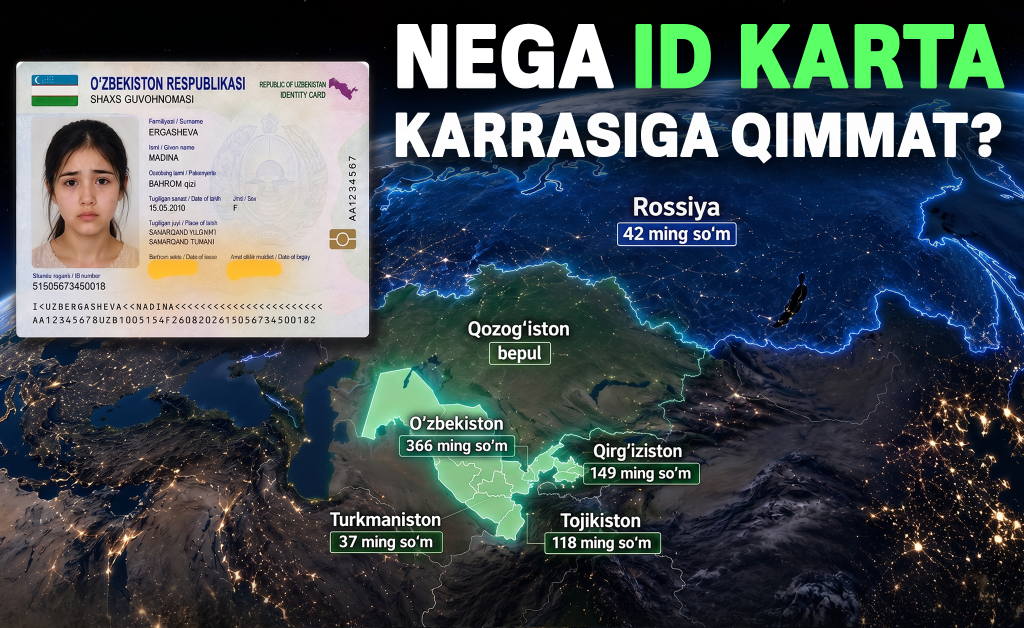
A debate over Uzbekistan's first ID card fee is widening as regional peers charge less or waive first-time costs, raising questions about access and policy design.

Uzbekistan auctions its full stake in the 'Fonon' jewelry factory, with the buyer assuming significant debts amid ongoing financial recovery efforts.

Humo payment system’s net profit surged over 3.3 times in H1 2026, driven by tripled revenues and despite elimination of key tax benefits, signaling strong fintech sector resilience.

Uzbekistan offers subsidies covering up to half of construction costs for modern swimming pools to boost tourism, create jobs, and diversify its economy by 2028.
Uzbekistan launches comprehensive digital reforms including a national navigation system and unified governance platform to boost economic efficiency and IT growth.

A UN report spotlights Uzbekistan’s success in reducing water stress through reforms, digital innovation, and international cooperation, offering a model for global water sustainability.

Uzbek aluminium producer AKFA Aluminium is preparing for its first international bond issuance, marking a milestone in regional capital market integration and corporate transparency.

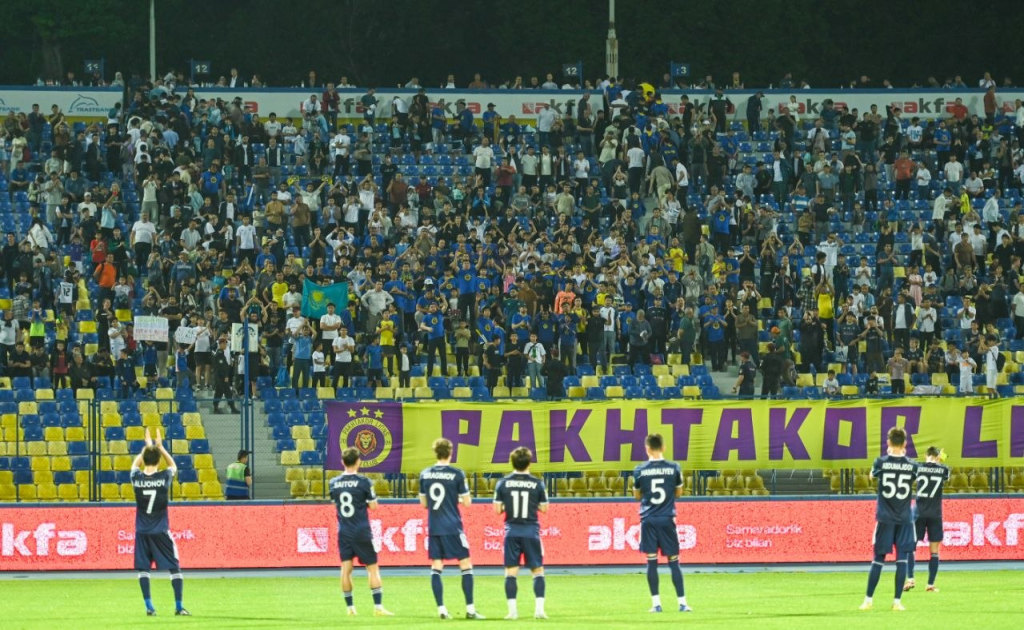
Uzbekistan’s Paxtakor football club reported a 50 billion UZS loss in 2025 amid reduced state funding and stalled privatization efforts, signaling wider economic shifts in the sports sector.

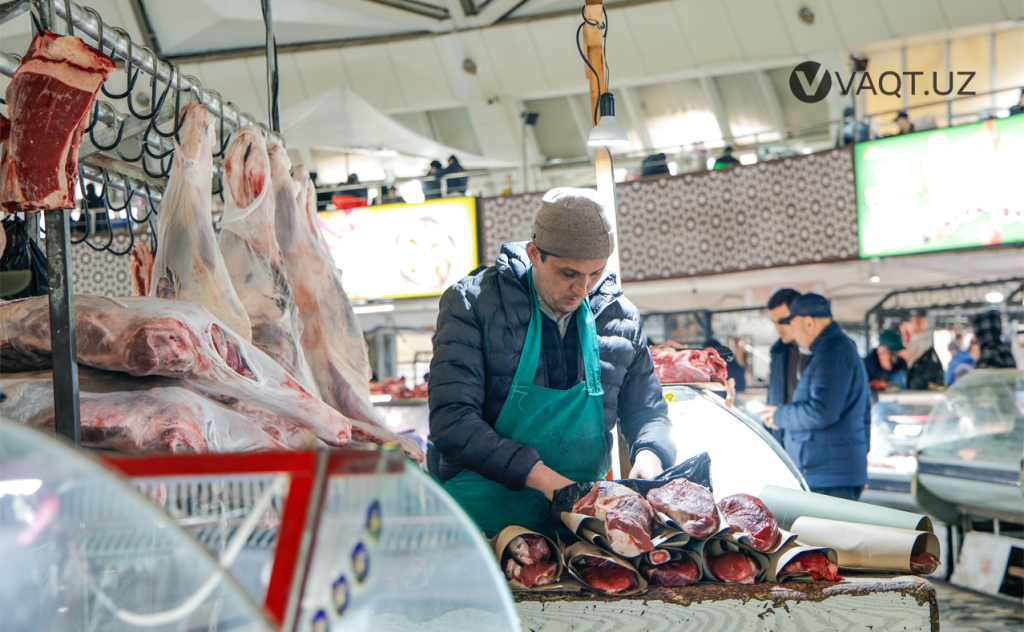
Uzbekistan’s meat imports surged 62.8% in early 2026 amid slowing domestic production and rising global prices, raising risks of sustained inflation and food security concerns.

Uzbek banks recorded a 30.88% deposit increase in Q1 2026, driven by rising trust and liquidity; Octobank led with a 416% surge in corporate deposits.

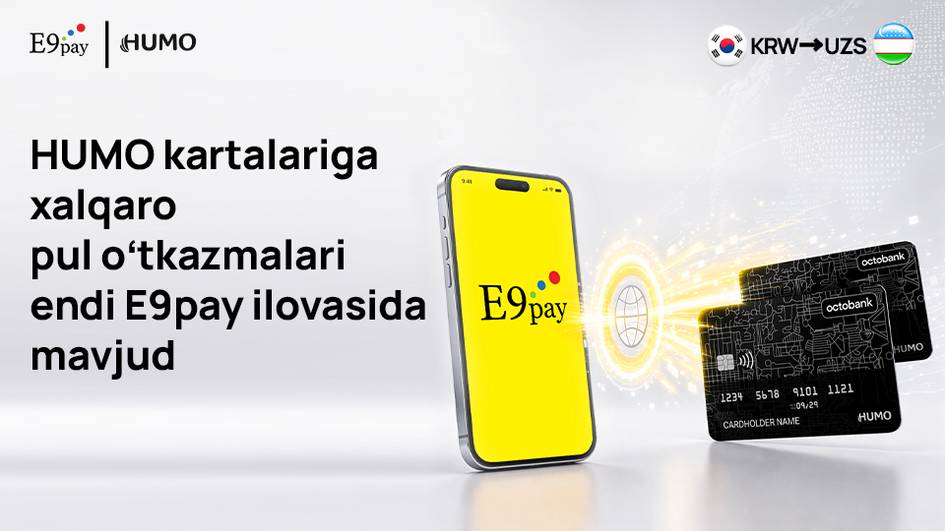
Octobank enables money transfers from South Korea to Uzbekistan’s HUMO cards via E9PAY, enhancing cross-border payment infrastructure and regional economic integration.

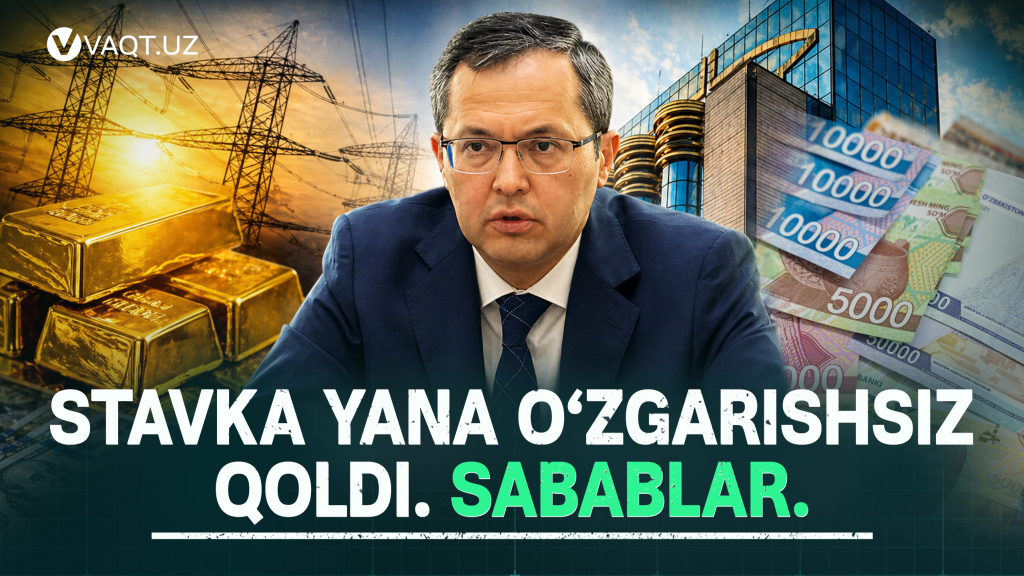
Uzbekistan's Central Bank keeps the key rate at 14% amid ongoing food inflation and external risks, balancing growth and price stability concerns.

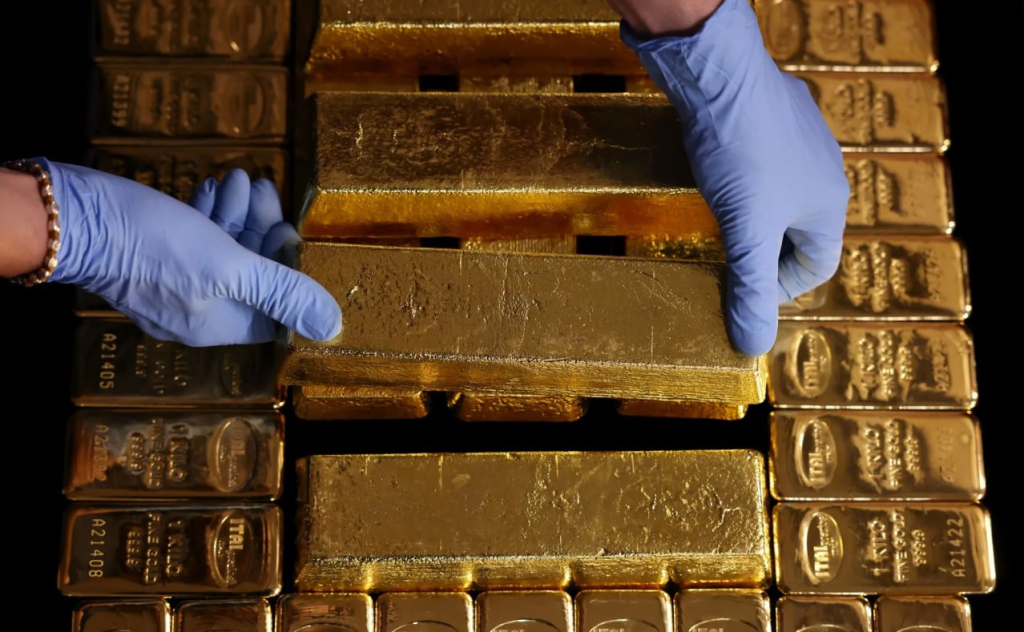
Uzbekistan's suspension of gold exports for over six months has resulted in a nearly 30% drop in exports, impacting trade balances and economic policy amid shifting regional partnerships.

Major Uzbek payment companies report varied profit increases in Q1 2026, with Paynet’s surge driven by a significant one-time dividend inflow.

Uzbekistan faces rising urban divorce rates and declining birth rates, signaling demographic challenges that may impact its economic growth and policy landscape.

Uzbekistan's banking sector expanded its credit portfolio significantly in Q1 2026, but rising non-performing loans, especially in state banks, highlight emerging financial risks.

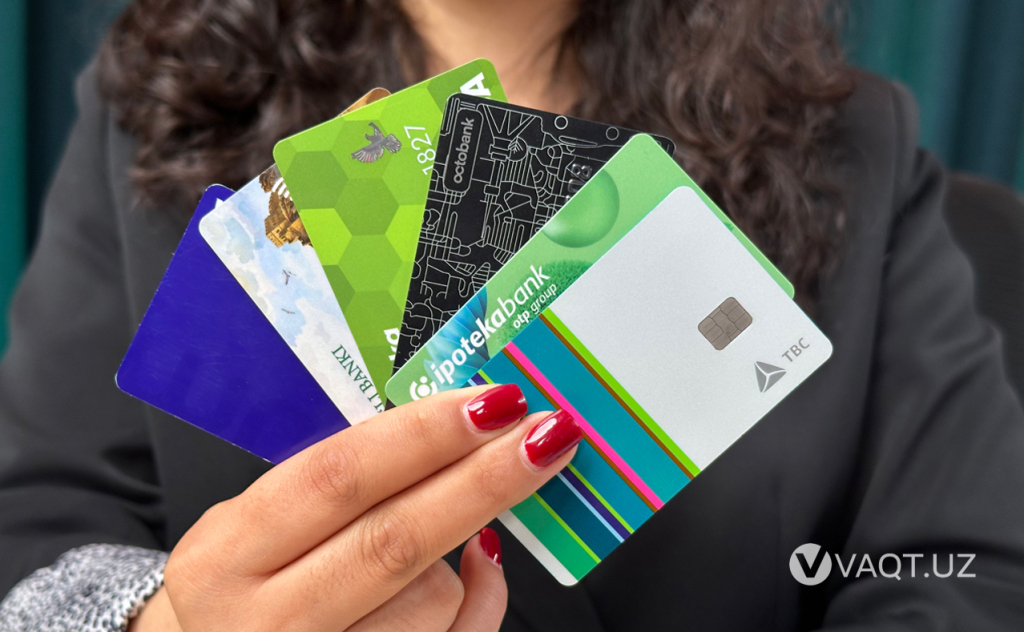
Uzbekistan enforces new banking rules requiring minimum balances on cards during automatic debt repayments to prevent full fund depletion and protect consumers.

US President Trump views Putin's possible attendance at the 2026 G20 Miami summit as beneficial, signaling potential shifts in global economic diplomacy amidst ongoing geopolitical tensions.

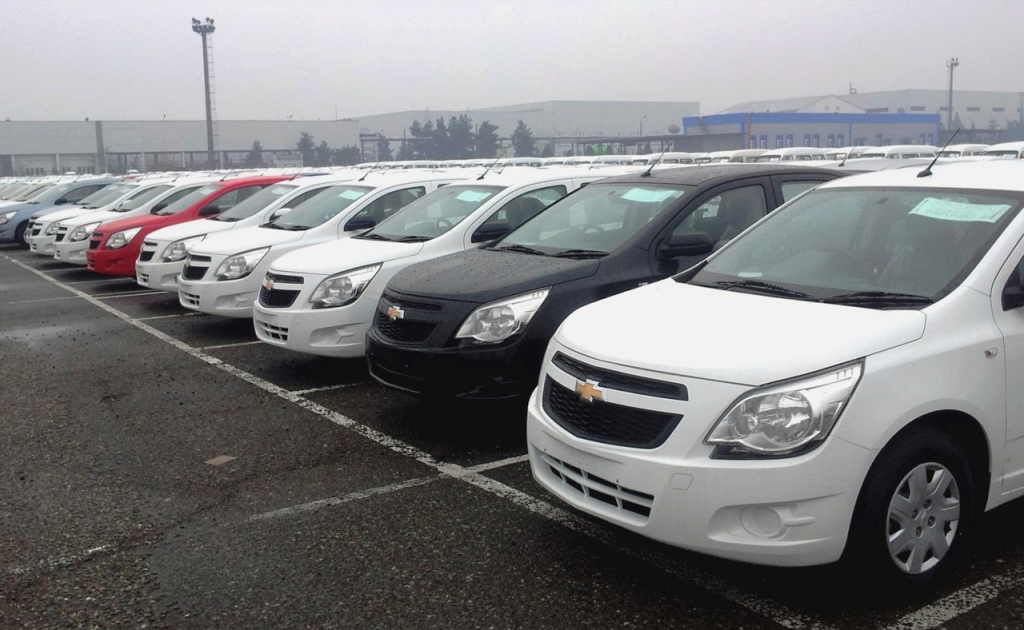
Uzbekistan’s March 2026 auto sales surged 11% month-on-month, with new and used light vehicles reaching 78,000 units, signaling a stable growth phase and rising electric vehicle adoption.

Uzbekistan fast-tracks Asakabank privatization with targeted asset transfers, capital injections, and strategic partnerships, signaling a pivotal reform in the state banking sector.

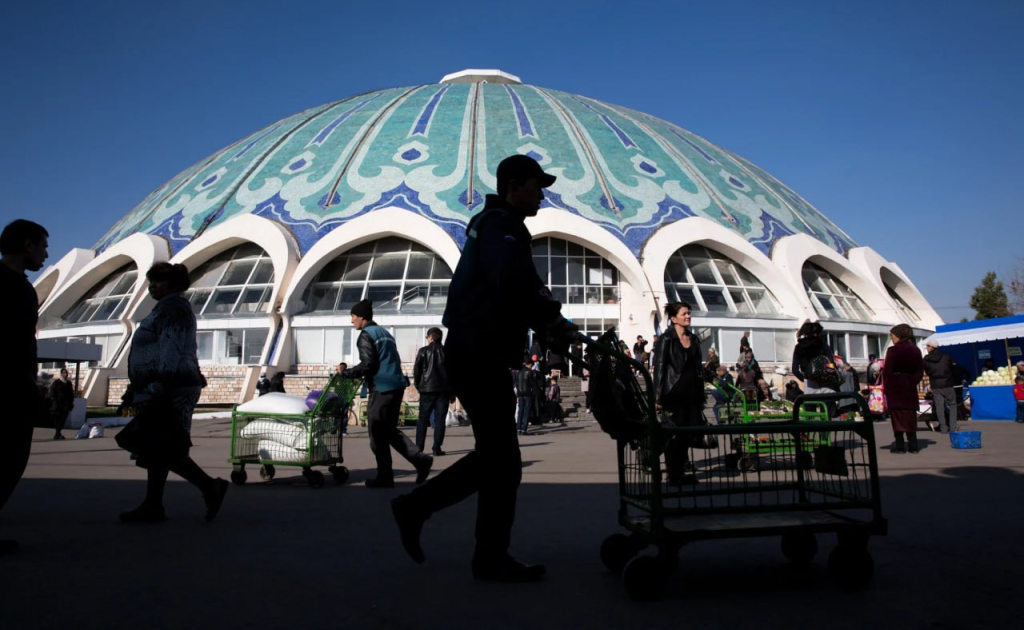
Tashkent's farmer markets witnessed strong profit growth in 2025, with key gains in 'Askiya' and 'Mirobod,' while some faced declines, indicating nuanced local economic shifts.

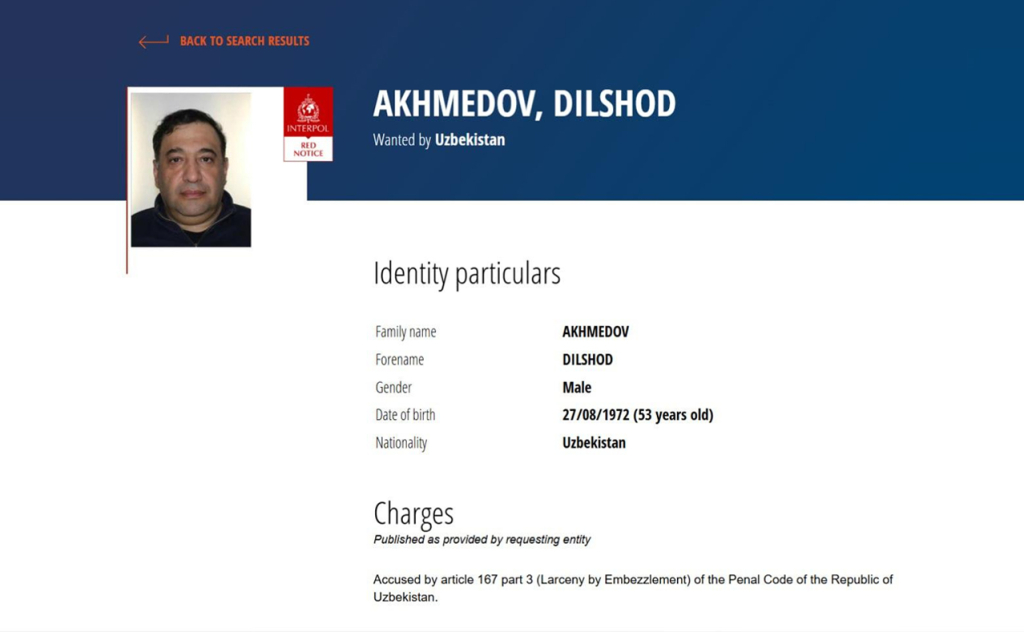
Dilshod Ahmedov, former head of Uzbekistan's metallurgical plant O‘zmetkombinat, is internationally wanted over alleged large-scale embezzlement, triggering sector reforms.

Germany has restricted access to its Bundeswehr Military Technology Museum in Koblenz for Uzbek and other Central Asian citizens due to new security laws.

Leading Uzbek banks reported strong Q1 2026 earnings with rising profits, expanded assets, and diversified income amid increased competition and growing credit risks.

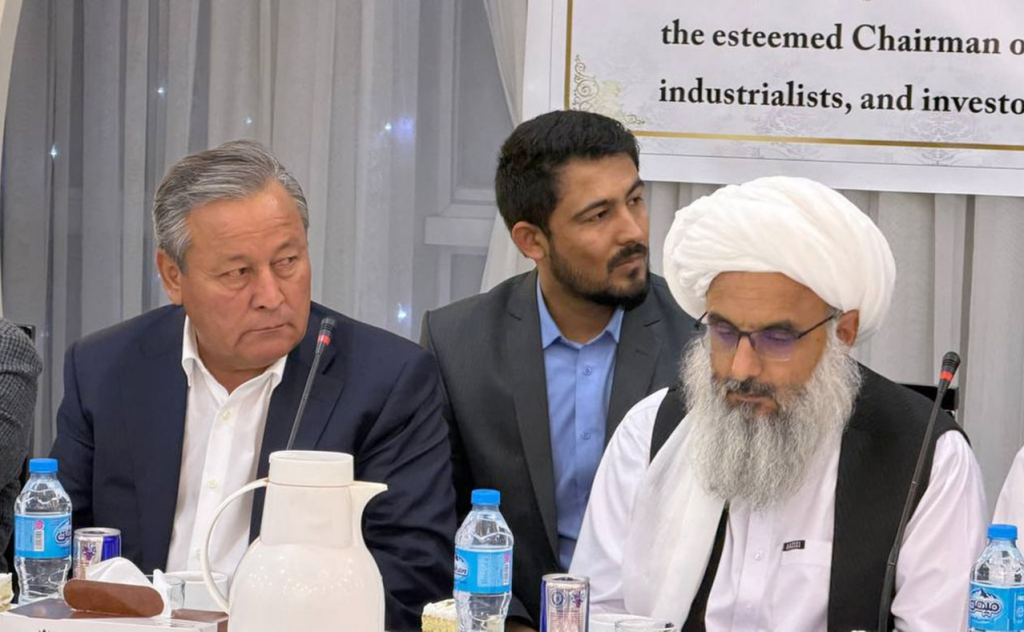
Uzbek and Afghan businesses have secured $300 million in trade agreements, signaling a strategic push toward regional economic integration and diversification.