Uzbekistan Accelerates Privatization of Asakabank Amid Financial Restructuring
Uzbek government outlines strategic shift to expedite Asakabank’s privatization and enhance financial stability through targeted asset transfers and capital injections.
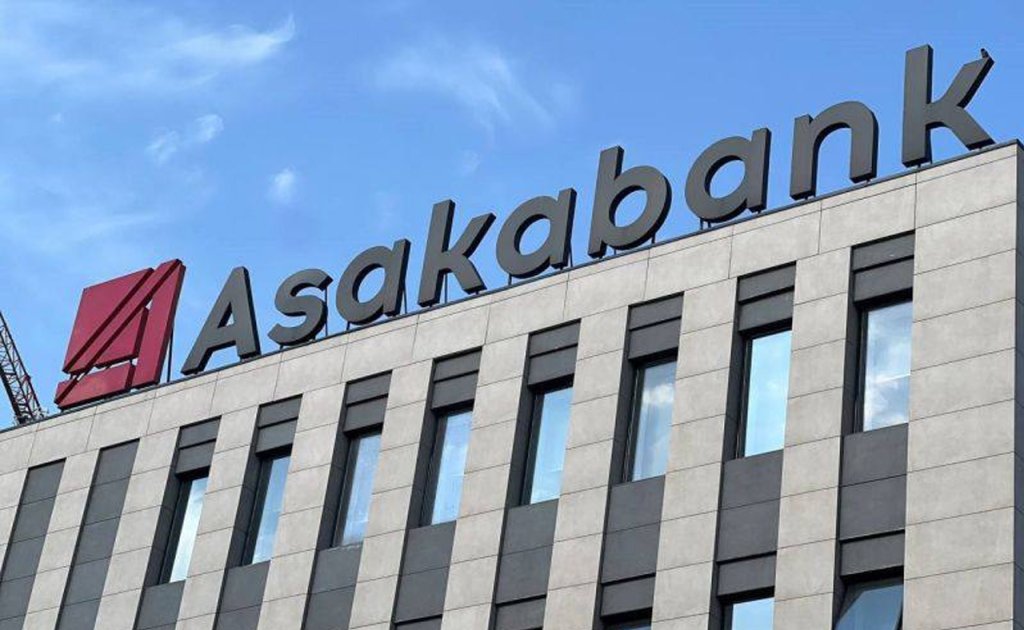
Uzbekistan has announced a series of accelerated measures to privatize Asakabank, the country’s second-largest bank, marking a significant step in the broader reform of its state-owned banking sector. The April 2026 presidential decree formalizes a comprehensive plan to streamline the bank’s operations, optimize its asset portfolio, and ensure financial sustainability by leveraging market-based principles and modern risk management practices.
Strategic Asset Transfers and Capital Restructuring
The decree mandates the cessation of all activities unrelated to Asakabank's core banking functions to sharpen operational focus. Notably, ownership of non-core assets such as the former "Tashkent Agricultural Machinery Plant" complex will be transferred to the State Asset Management Agency. These assets, alongside investment projects valued at approximately 382.6 billion Uzbek soms—including ventures like "Green Energy," "Uz CLAAS Agro," and "Khorezm Invest Project"—are being repositioned to facilitate streamlined privatization.
A further strategic move involves transferring pharmaceutical startups "Asaka Farm Ventures" and "Asaka Farm Invest," collectively valued at 780 billion soms, to the National Venture Fund (UzVC), with continued state budget support. This reflects a broader initiative to foster innovation and investment in emerging sectors while offloading operational responsibilities from the bank.
"All banking operations will be conducted under market principles and modern risk management frameworks, aligning with internal policies to enhance financial health and investor appeal," the decree emphasizes.
To underpin this structural reform, Uzbekistan plans a $95 million capital injection in 2026 aimed at financial stabilization. Additionally, the state will cover potential losses from non-performing loans, thereby mitigating fiscal risks associated with legacy credit exposures. Dividend payouts for 2024 and 2025 are deferred, with net profits earmarked for reinvestment to strengthen capital buffers.
The decree also addresses capital structure adjustments by aligning the nominal share value with market valuations. Approximately 1.98 trillion soms of state claims on the bank will be converted into equity, improving transparency and facilitating the privatization process.
Privatization Timelines and Policy Implications
Privatization deadlines for Asakabank and other state banks have been extended to 2025, reflecting pragmatic adjustments in response to market and operational realities. While earlier plans envisaged full sale of state stakes in banks like "O‘zsanoatqurilishbank" by 2022-2023, delays have necessitated revised fiscal strategies, pushing privatization schedules into the mid-2020s.
These shifts indicate a measured approach by Uzbekistan to balance fiscal consolidation, financial sector reform, and socio-economic stability. The involvement of the European Bank for Reconstruction and Development (EBRD), which has acquired a 15% stake in Asakabank as part of privatization preparations, signals growing confidence from international investors.
Despite acceleration efforts, certain state-owned banks including "National Bank," "Agrobank," "People’s Bank," "Microcredit Bank," and "Business Development Bank" will retain state ownership through at least 2028, reflecting strategic imperatives in sectors critical to national development.
Uzbekistan’s phased privatization policy underscores the government’s commitment to modernizing its financial system, enhancing capital market depth, and attracting foreign investment while carefully managing systemic risks.
As the reform progresses towards the 2030 horizon, the selective divestment of remaining state bank holdings will remain a critical barometer of the country’s economic liberalization and integration into global financial markets.