EU Considers Withholding €1.5 Billion in Funding from Serbia Over Democratic Concerns
The European Commission warns Serbia may lose crucial reform funds amid deteriorating democratic standards and judicial independence issues.
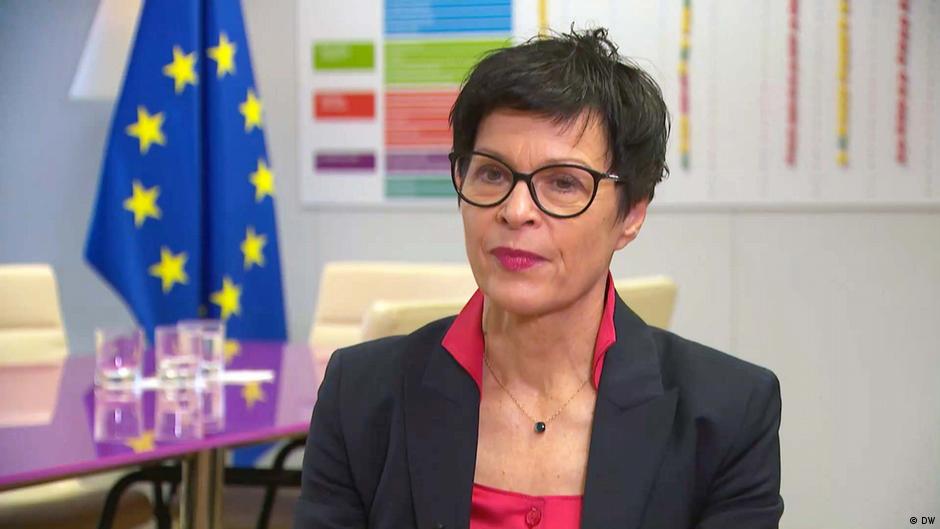
The European Union has signaled a potential halt to approximately €1.5 billion in financial support to Serbia, citing growing concerns over democratic backsliding and weakening institutional independence. Marta Kos, EU Commissioner for Enlargement, addressed the issue during a session of the European Parliament on April 20, underscoring the risks to Serbia's reform agenda and European integration process.
Democratic Erosion Threatens EU Support
Commissioner Kos highlighted a series of democratic deficiencies observed in Serbia, particularly referencing irregularities in the municipal elections held in March, which were monitored by EU observers. She also pointed to legislative measures undermining the independence of the judiciary, systemic interference with independent media, and suppression of protests as key indicators of anti-democratic trends.
"We are increasingly concerned about the developments in Serbia," Kos stated, emphasizing that the European Commission is currently assessing whether Serbia meets the criteria necessary for continued reform support as an EU candidate country.
To date, Serbia has received roughly €100 million from EU funds. However, the disbursement of the remaining €1.5 billion is now uncertain pending the Commission’s forthcoming evaluation, expected within the coming weeks. The EU demands that Serbia align its judicial legislation with the recommendations of the Venice Commission, an advisory body on democracy and constitutional law, and restore the independence of its media environment.
Geopolitical Stakes and Regional Stability
The EU has intensified its engagement with Serbia and other Western Balkan nations since Russia’s full-scale invasion of Ukraine, driven by fears that Moscow could destabilize the sensitive region. Serbia, while officially pursuing European integration, maintains strong ties with Russia—a relationship that complicates the EU’s leverage.
Serbian President Aleksandar Vučić continues to affirm a pro-EU stance yet preserves close relations with Russia. Notably, Vučić attended the 2023 Victory Day celebrations in Moscow alongside President Vladimir Putin, despite warnings from the European Commission. Moreover, Serbia has refrained from imposing sanctions on Russia, a stance at odds with broader EU policy.
The potential withholding of funds underscores a critical diplomatic and economic juncture. The EU’s funding is instrumental not only for Serbia’s reform momentum but also for maintaining stability in the Western Balkans. Any suspension could stall Serbia’s EU accession path and exacerbate regional uncertainty.
Long-Term Economic and Political Implications
From a macroeconomic perspective, the suspension of €1.5 billion in EU funding would drastically affect Serbia’s fiscal space and reform capacity. The funds are primarily aimed at supporting structural reforms, strengthening rule of law, and enhancing governance frameworks necessary for EU integration.
This development signals a broader recalibration of EU enlargement policy, prioritizing democratic standards and institutional resilience over rapid accession. For senior decision-makers, the situation presents a cautionary example of how geopolitical complexities and governance issues can derail economic support and integration efforts.
As the EU weighs its next steps, Serbia’s trajectory will likely influence wider regional dynamics, affecting investor confidence, economic stability, and the balance of influence between Western institutions and Russia in Southeast Europe.