France and Poland Collaborate on Military Satellite to Enhance EU Defense Autonomy
France and Poland announce joint development of a secure military satellite to reduce EU reliance on foreign space assets by 2030.
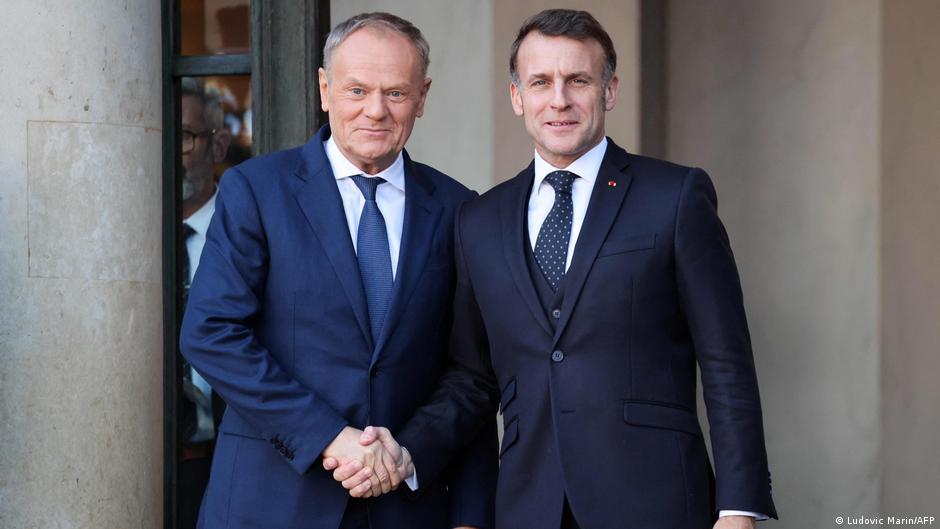
In a significant step towards strengthening European defense capabilities, France and Poland have announced a collaborative project to build a military communication satellite dedicated to the Polish armed forces. This initiative was revealed during a meeting in Gdańsk between French President Emmanuel Macron and Polish Prime Minister Donald Tusk on April 20.
Strategic Drive for European Defense Independence
The joint satellite project, undertaken by key aerospace and defense companies including Thales Alenia Space, Airbus Defence and Space, and RADMOR, aims to create a secure communication channel for Poland's military operations. This development is positioned as an alternative to existing systems such as SpaceX's Starlink, which, despite its advanced technological capabilities, presents geopolitical and operational dependencies due to its privately owned status.
According to a press release from Thales Alenia Space, this cooperative effort aligns with the European Commission’s broader defense strategy. The plan envisions that by 2030, the European Union will possess the necessary capabilities to ensure autonomous defense infrastructure, reducing reliance on non-European providers.
"Europe seeks to reduce strategic vulnerabilities by developing independent satellite services, mitigating risks associated with reliance on politically unpredictable external actors."
Broader Implications for EU Security and Defense Policy
During their discussions, Macron and Tusk also addressed critical topics including nuclear deterrence, energy security, and the European Union's Security Action for Europe (SAFE) initiative. The SAFE fund supports investments aimed at enhancing the EU's defense posture, reflecting a growing recognition among member states of the need for coordinated efforts in security domains.
Furthermore, the two leaders outlined plans for deeper cooperation on missile defense, long-range weaponry, and early warning systems for missile attacks. These areas are crucial for responding to evolving security threats in Europe and demonstrate a strategic push towards integrated defense capabilities within the EU.
Long-Term Economic and Geopolitical Consequences
The France-Poland satellite project underscores a broader macroeconomic trend: the increasing prioritization of technological sovereignty and resilience in critical infrastructure. For policymakers and global economic strategists, this signals an acceleration in European investments aimed at reducing external dependencies that could disrupt defense readiness and economic stability.
Moreover, the collaboration highlights shifting dynamics in international defense markets, where state-led partnerships are emerging to counterbalance dominant private sector players. This development may prompt a re-evaluation of supply chains, investment flows, and geopolitical alignments, with long-term implications for transatlantic relations and global security architectures.