Tashkent Markets Report Strong Profit Growth in 2025, Highlighting Economic Trends
Most Tashkent farmer markets saw significant profit increases in 2025, with key shifts revealing broader economic patterns in the region.
In 2025, Tashkent's farmer markets experienced notable financial gains, reflecting shifts in consumer behavior and market dynamics within Uzbekistan's capital. While most markets saw increased profitability compared to the previous year, select exceptions offer insight into evolving economic conditions.
Profit Growth Across Major Markets
The "Askiya" farmer market emerged as the top performer, with annual profits soaring to 7.95 billion Uzbek soms in 2025, a remarkable rise from just 4.1 million soms in 2024. This dramatic increase underscores strong demand and effective market strategies.
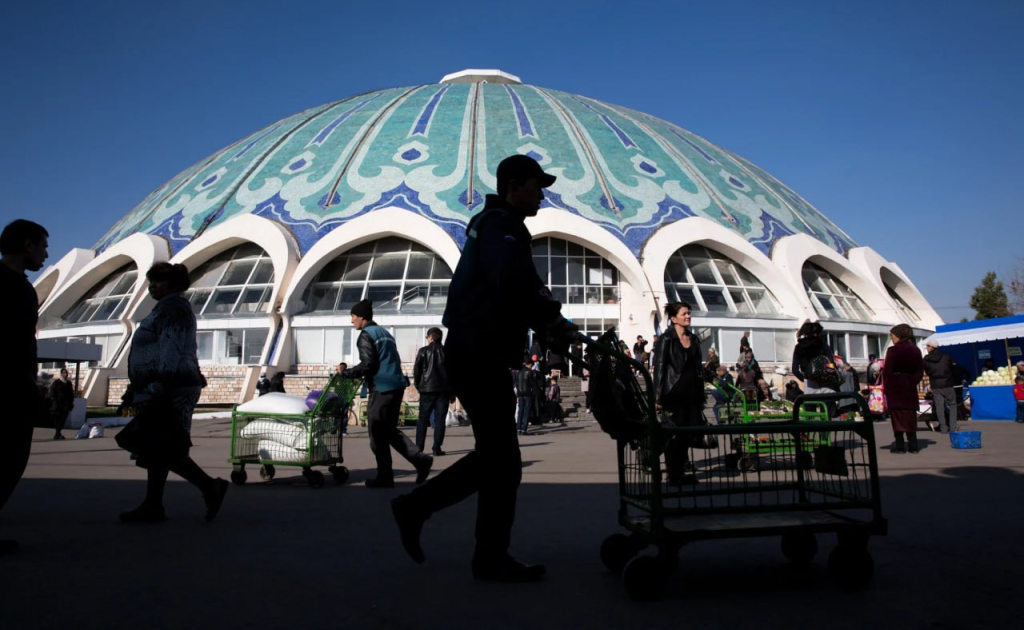
Following closely, the "Mirobod" market generated 6.2 billion soms in profits, an increase of 1.8 billion since the prior year. The "Farhod" market and "Chorsu" market secured third and fourth places respectively, with profits of 3.7 billion and 3.1 billion soms, indicating broad-based growth across Tashkent's agricultural trade hubs.
Meanwhile, the "Yunusobod" market maintained stable financial performance, improving slightly by 50 million soms to reach 2.6 billion soms in 2025. Stability in this market suggests steady consumer demand and supply chain resilience.
Markets Facing Challenges and Broader Economic Implications
"The decrease in profits at the 'Qo‘yliq' farmer market, down by 1.6 billion soms to 557.3 million soms, indicates localized challenges despite overall market growth."
Conversely, the "Qo‘yliq" farmer market experienced a significant downturn, with profits falling by 1.6 billion soms year-over-year, reaching just 557.3 million soms. This decline highlights uneven growth and potential structural issues within specific market segments.
Beyond agricultural markets, the "Sergeli" automobile market recorded substantial gains, posting a net profit of 18.85 billion soms in 2025. This exceptional growth in the automotive sector signals increased consumer purchasing power and diversification in Tashkent's market economy.
Macro-Economic Context and Policy Considerations
The marked profit increases across most of Tashkent's farmer markets suggest rising consumer spending capacity and improved market efficiencies in 2025. Such trends may reflect broader economic reforms and urbanization patterns influencing supply chains and retail infrastructure.
However, the contrasting performance of markets like "Qo‘yliq" signals the necessity for targeted policy interventions to address localized economic disparities and sustain inclusive growth. Additionally, the surge in automobile market profits points to shifting consumer preferences and potential impacts on urban transport policy and environmental planning.
For senior decision-makers, these market developments underscore the importance of continuous monitoring of sectoral performance and adaptive economic policies to support balanced urban economic growth.
Based on reporting by Deutsche Welle.