Novorossiysk Drone Attack Triggers Fires at Fuel Terminal and Residential Site
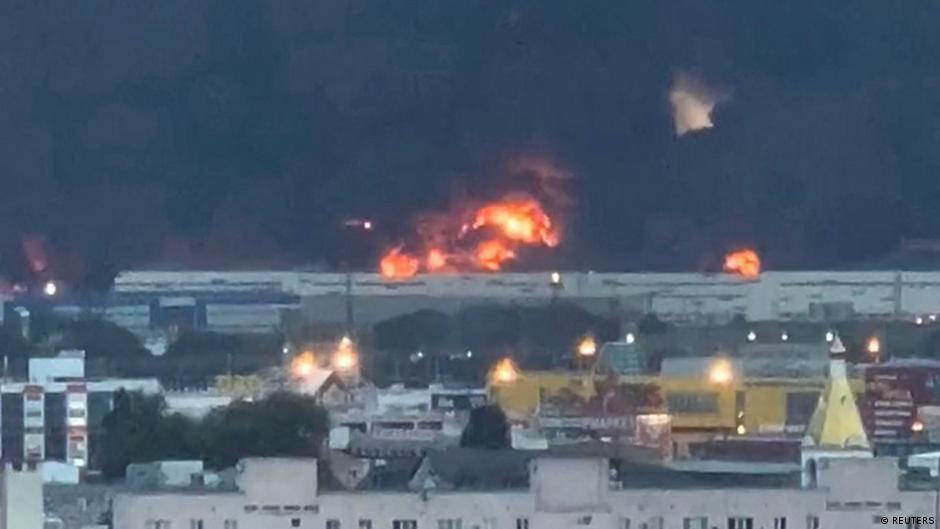
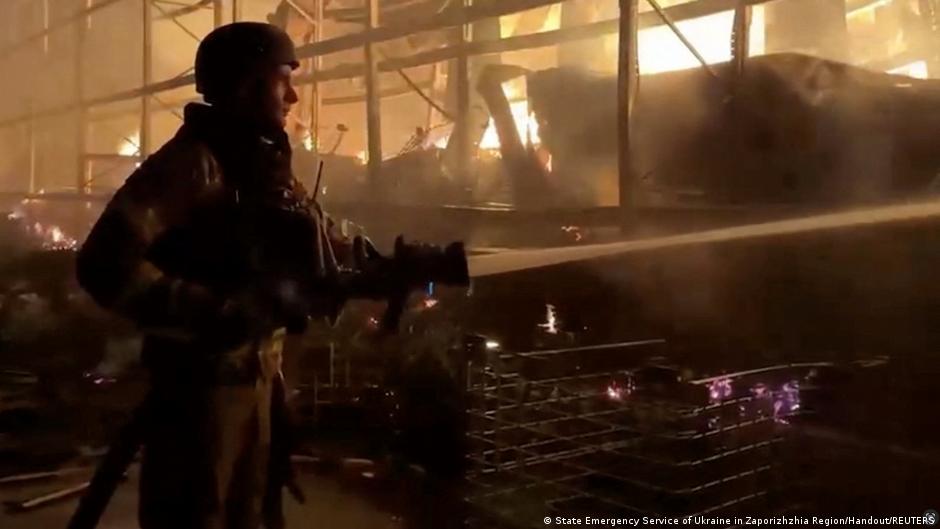
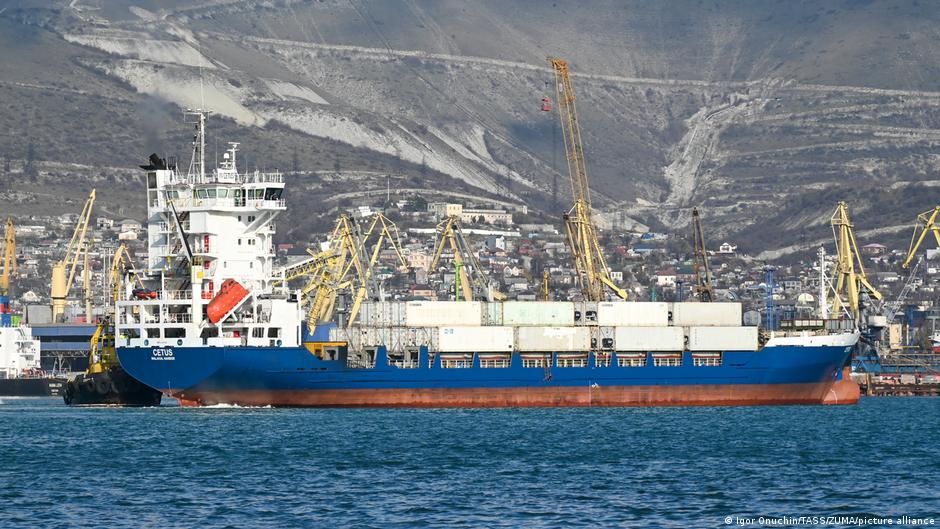
A drone attack on Novorossiysk caused fires at a fuel oil terminal and residential building, raising risks for Russian oil, grain and cargo flows.

A drone attack on Novorossiysk caused fires at a fuel oil terminal and residential building, raising risks for Russian oil, grain and cargo flows.

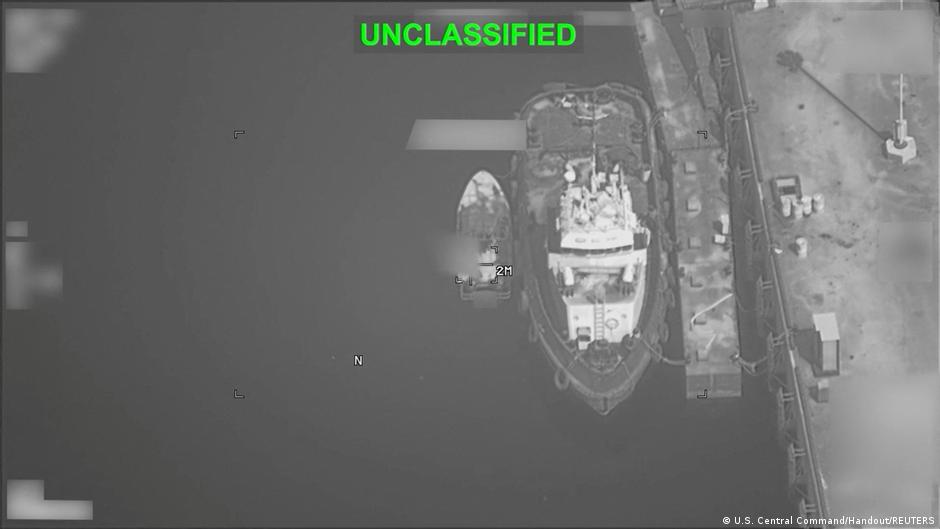
CENTCOM said it destroyed five Iranian oil tankers after IRGC missile attacks, deepening risks around Gulf shipping and oil markets.

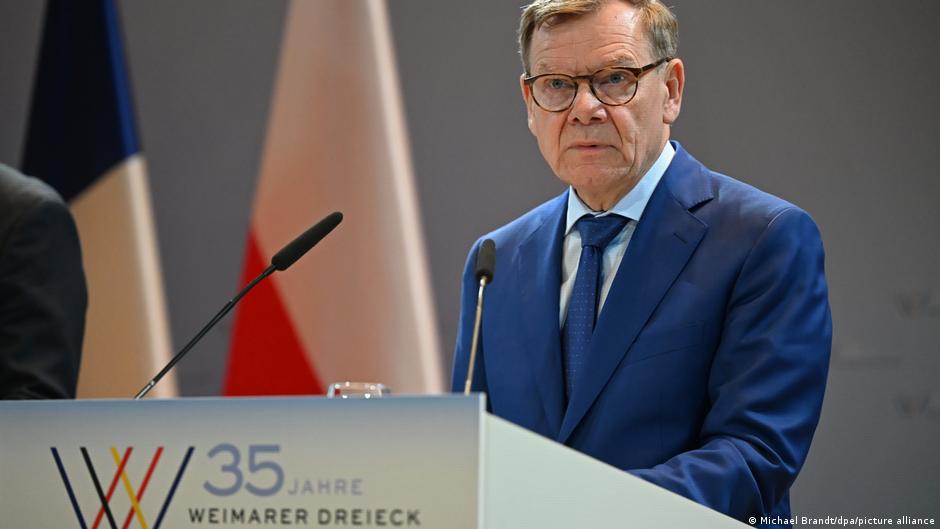
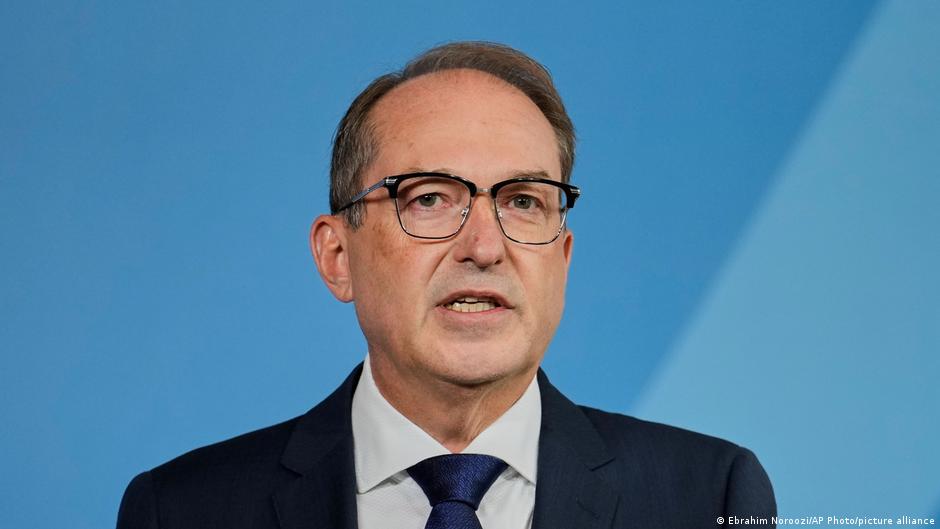
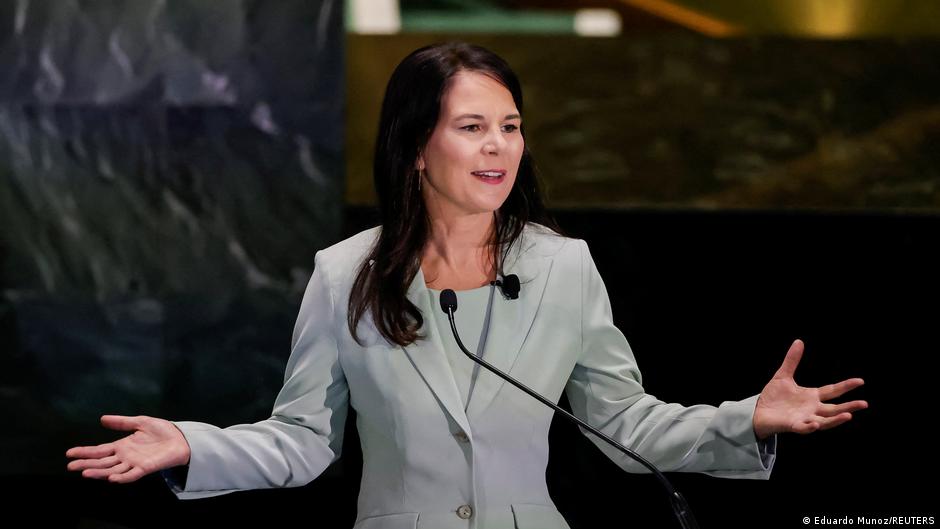
Germany’s foreign minister says Berlin’s defense industry should benefit from Ukraine support, tying aid policy to taxpayer and industrial interests.

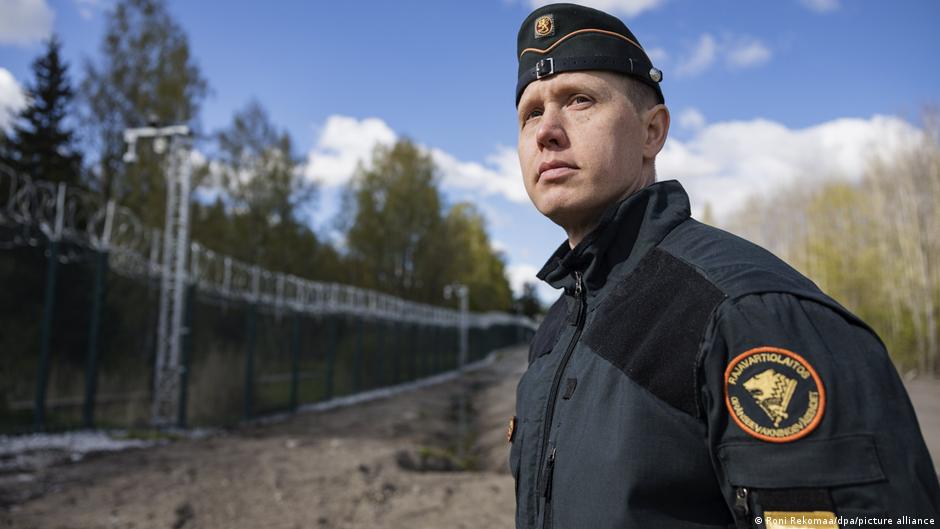
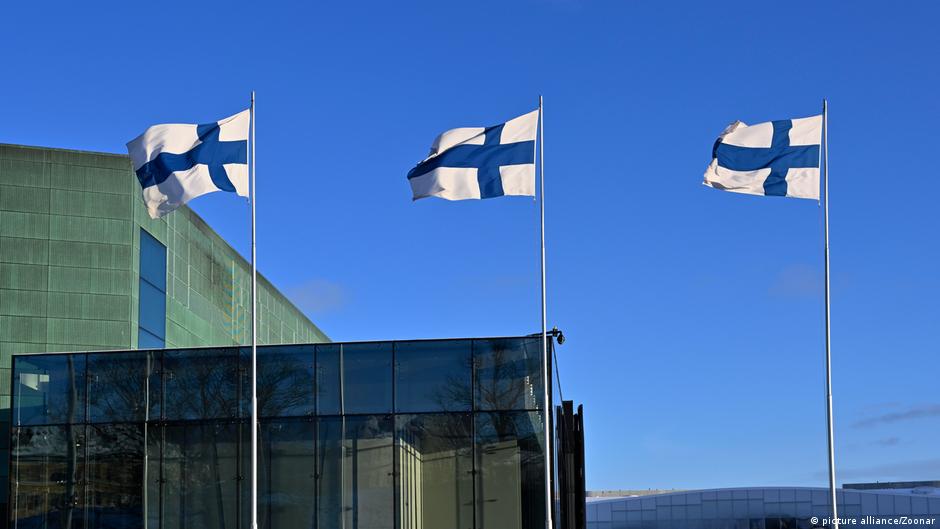
Finland has completed a 200-kilometer border fence with Russia, reflecting Europe’s shift toward security infrastructure amid geopolitical risk.

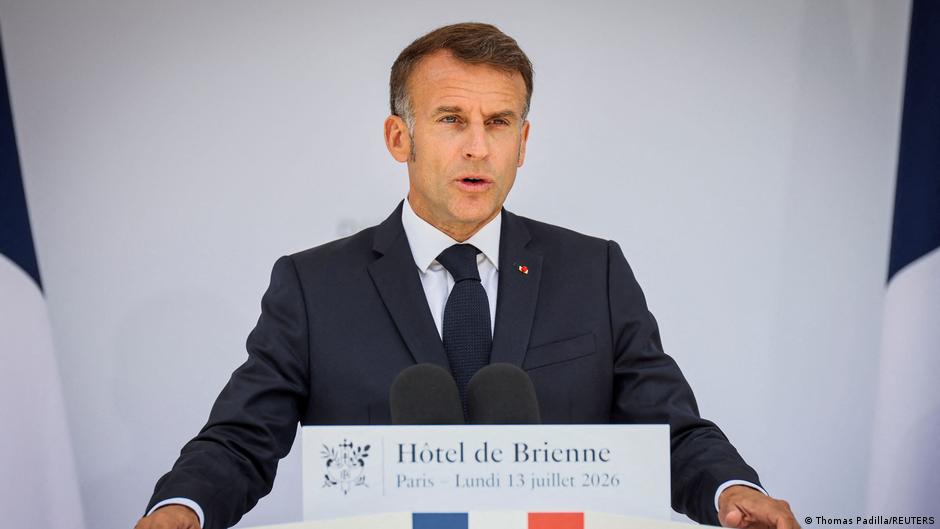
Macron is pushing Brussels to consider an EU-wide under-15 social media ban after France’s top constitutional body blocked a national measure.

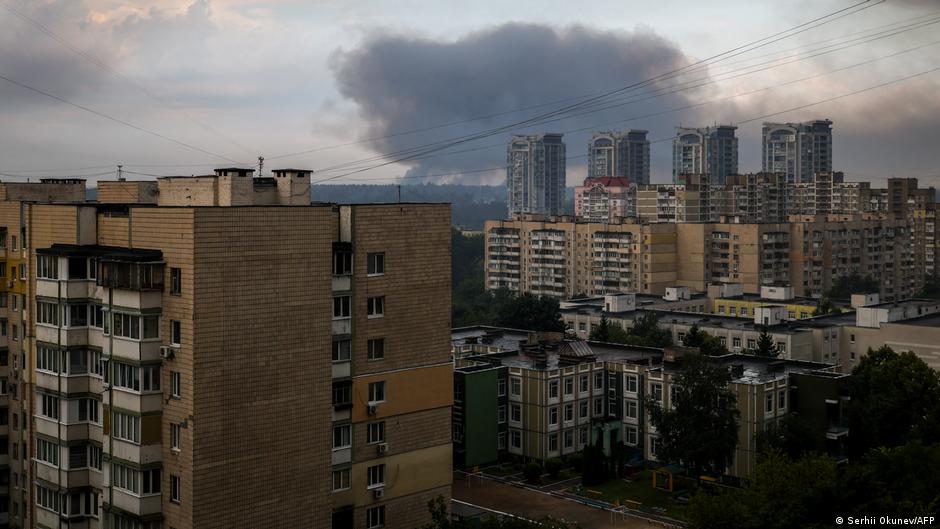
Russian drone and missile strikes hit Kyiv and nearby industrial sites as Ukraine and Russia signal openness to a possible trilateral talks format.

AfD’s strong Saxony-Anhalt result drew sharp reactions from Poland, France and the Czech Republic, raising wider EU policy concerns.

AfD’s landslide in Saxony-Anhalt leaves no clear governing majority and raises pressure on Germany’s energy, sanctions and coalition politics.

The EU cancelled a planned defence expert group after resistance from Germany and Italy, exposing unresolved tensions over Europe’s security and spending strategy.

Putin backed using citizens deemed fully unfit for military service in rear-area drone defense, highlighting Russia’s manpower strain.

Germany is preparing a broad anti-sabotage shield against Russian hybrid threats, with new drone defenses, cyber monitoring and roles for critical infrastructure firms.

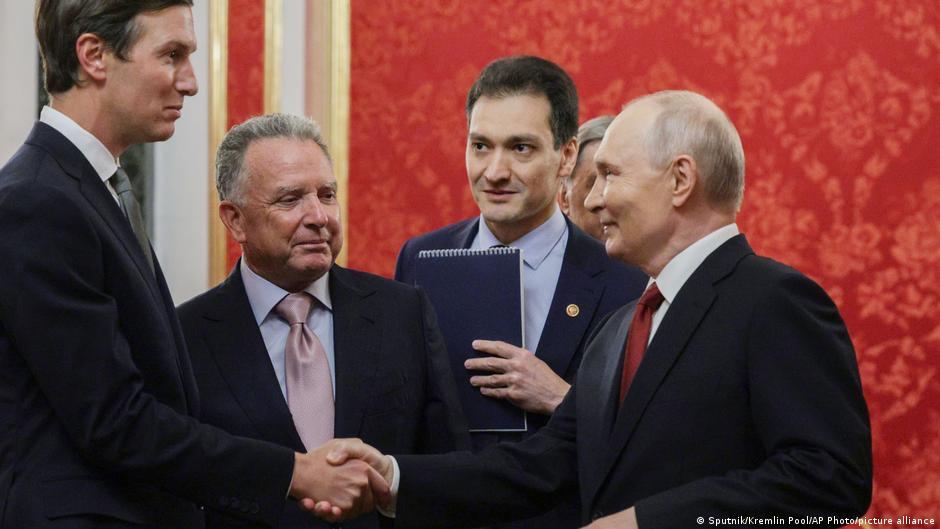
U.S. envoys discussed concrete Ukraine peace plans with Putin before Kyiv talks, raising major questions for sanctions, security and markets.

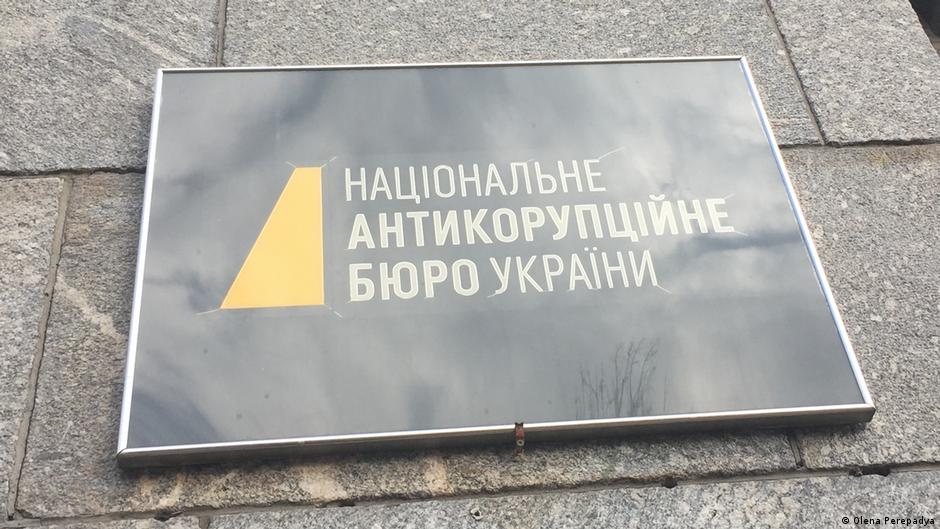
Ukraine’s anti-corruption agencies searched the Prosecutor General’s Office in a probe tied to fraudulent call centers and alleged official protection.

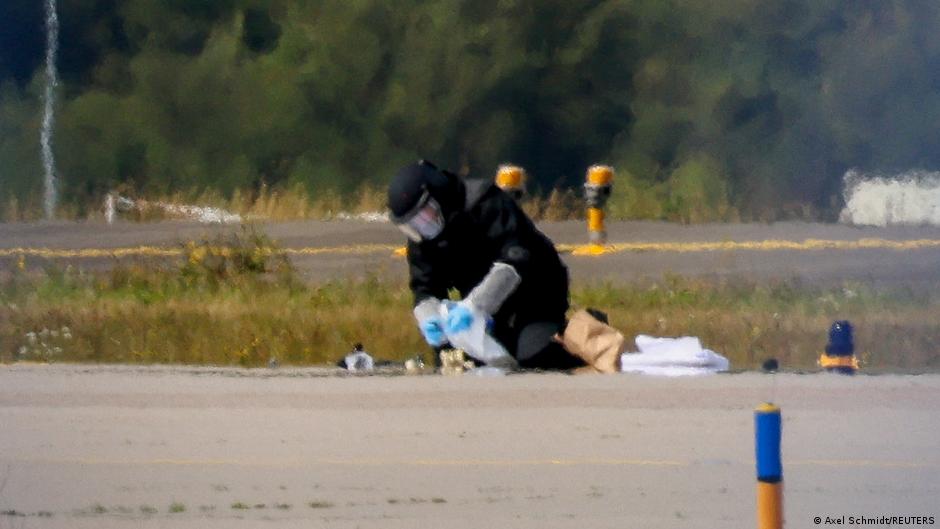
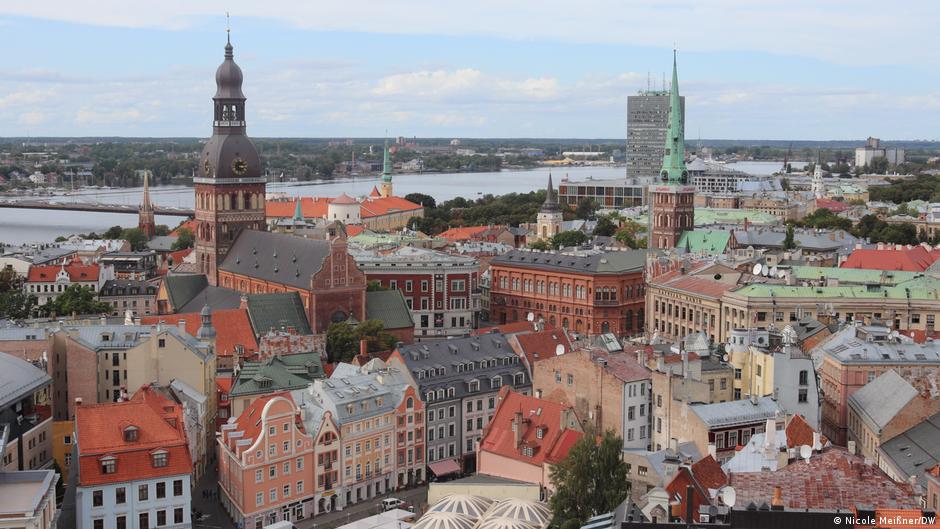
Latvia says a suspect in the Leipzig sabotage case had lived in Russia, as the incident drives wider EU security, sanctions and border-policy responses.

Volkswagen’s approved overhaul signals deeper shifts in European industry, global auto demand and capital allocation across major markets.

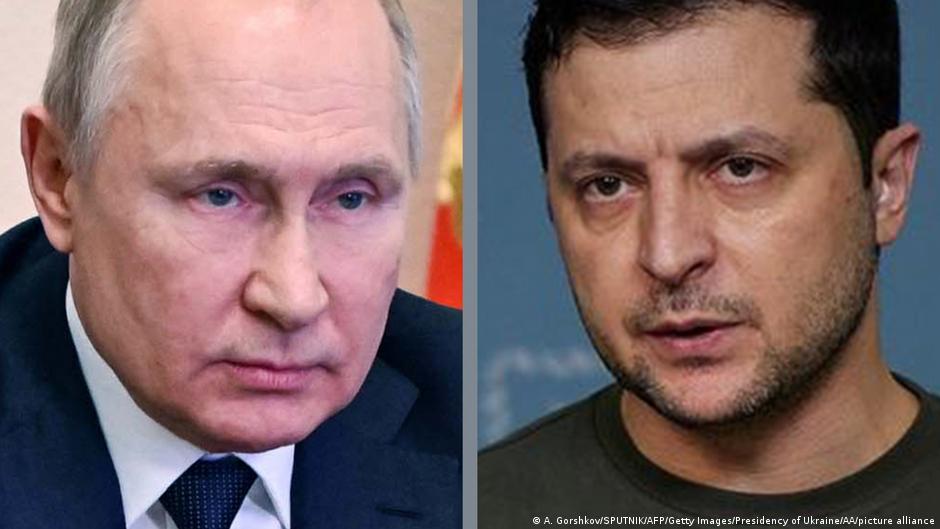
Putin and Zelensky signaled possible diplomatic movement as U.S. envoys prepare visits that could influence sanctions, trade risk and Europe’s economic outlook.

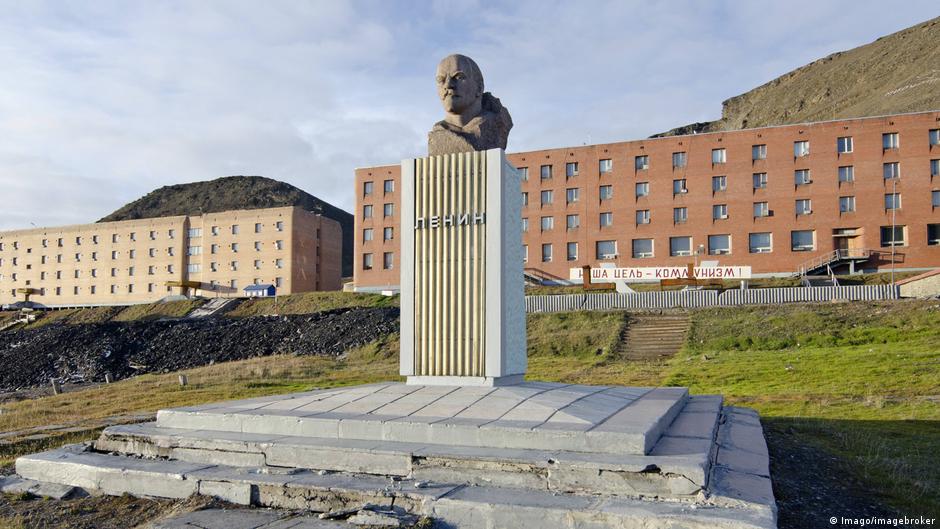
Norway’s seizure of a Russian research vessel in Svalbard signals widening cross-border enforcement risks tied to Naftogaz’s Crimea-related claims.

Russia said it will close Goethe Institute branches after Germany tightened sanctions, deepening the institutional split between Moscow and Europe.

ICAO urged stronger protection for civilian aircraft near conflict zones after Ukraine warned that Russian airspace is becoming unsafe.

Uzbekistan’s ten-year reform drive has reshaped business rules, tax policy and investor conditions as part of a broader economic liberalization strategy.

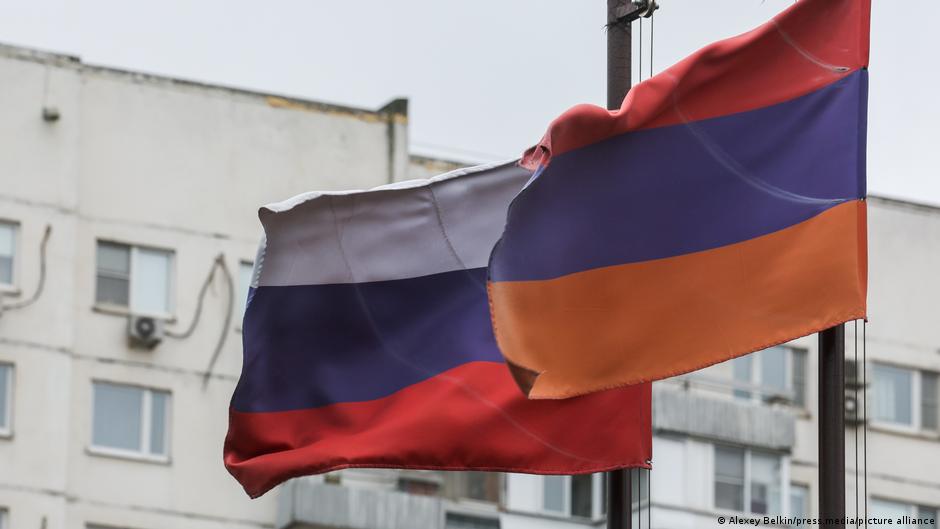
Putin told Pashinyan that Armenia's EU bid would effectively mean leaving the EAEU, deepening a dispute with regional trade and policy implications.

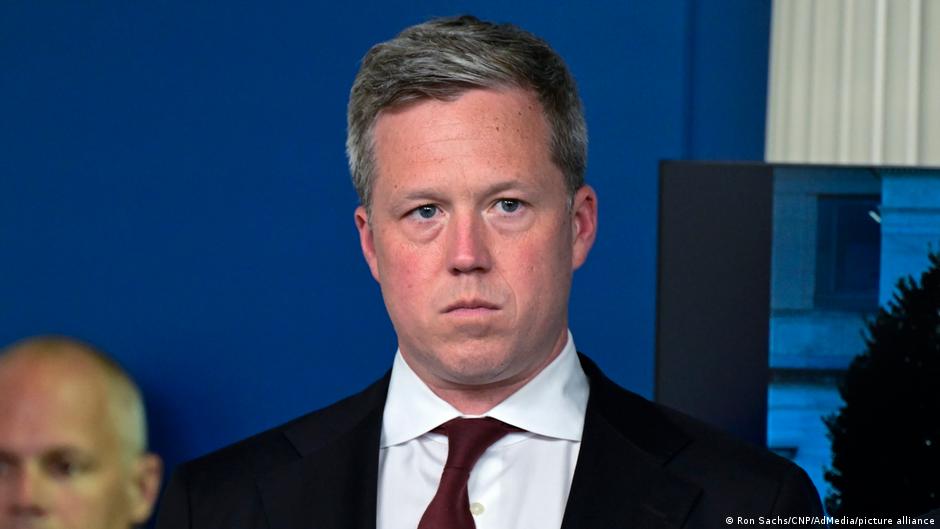
Daniel Driscoll’s reported resignation adds to Pentagon turnover and raises questions over U.S. defense policy, procurement priorities and wider economic effects.

Germany’s foreign investment rose to 86 billion euros in 2025, with EU capital dominant, U.S. inflows falling sharply and UK investment surging.
US Treasury Secretary Scott Bessent reportedly told Russia that sanctions pressure will not ease before the war in Ukraine ends.

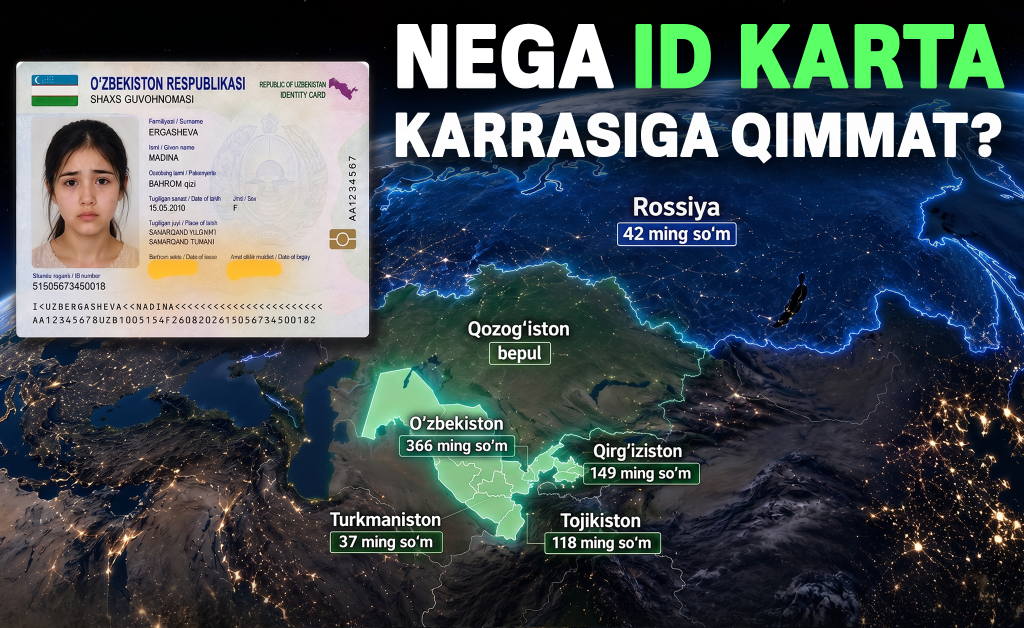
A debate over Uzbekistan's first ID card fee is widening as regional peers charge less or waive first-time costs, raising questions about access and policy design.

Uzbekistan auctions its full stake in the 'Fonon' jewelry factory, with the buyer assuming significant debts amid ongoing financial recovery efforts.

Meta’s $18 billion child safety settlement highlights challenges in implementing age-verification technology amid growing privacy concerns and regulatory shifts.

Annalena Baerbock, former German Foreign Minister and UNGA President, will serve as co-director of Columbia University's public administration program focused on global leadership.

Former Kremlin-aligned blogger Ilya Remeslo faces detention for criticizing Putin and the Ukraine war, highlighting Russia's escalating suppression of dissent amid ongoing conflict.

The US has removed Syria from its terrorism sponsor list, opening new economic and geopolitical avenues amid ongoing regional tensions and shifting alliances.

Russia’s covert sabotage of European defense factories tests NATO’s unity and resilience, posing strategic and economic challenges across the alliance.

Drone strikes on Ozon logistics centers in Krasnodar and Stavropol caused fires, casualties, and supply chain disruptions, exposing vulnerabilities in critical Russian infrastructure.

The EU pledges sustained support for Ukraine, linking its future EU membership with regional security and pledging intensified sanctions on Russia amidst ongoing conflict.

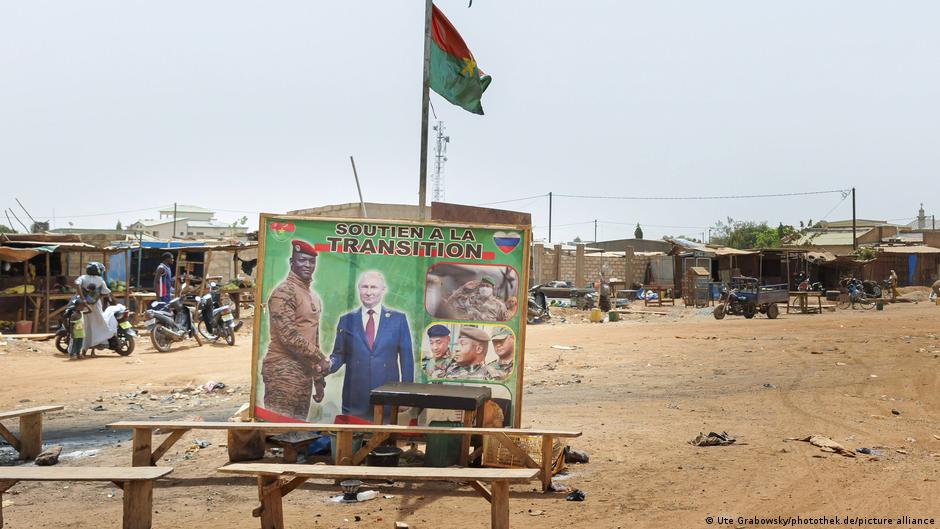
Russia operates a covert air fleet circumventing Western sanctions to supply forces in Africa's Sahel, posing complex geopolitical and economic challenges.

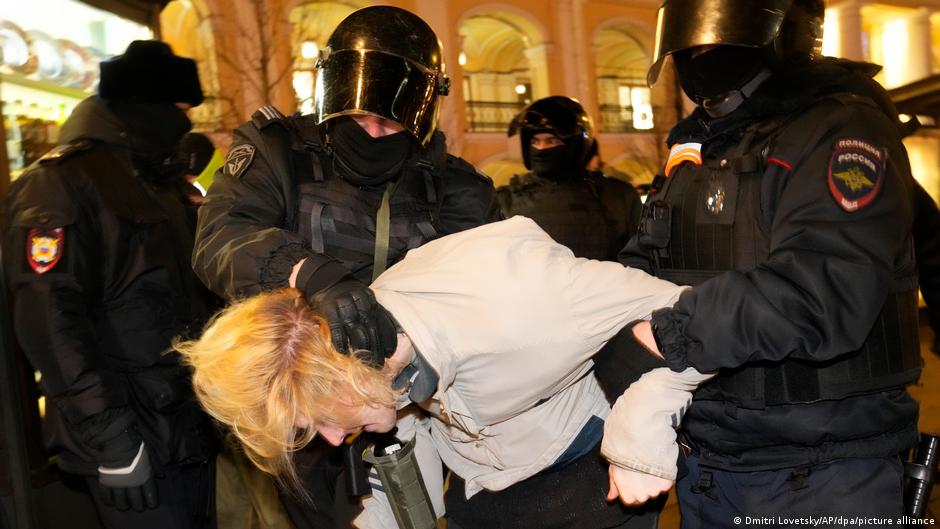
Russian authorities detained nearly 100 participants at a music festival near Vyborg over pro-Ukraine songs and regime criticism, reflecting tightening political controls with broad economic implications.

In 2025, Germany’s wage gap between German and foreign full-time workers stood at 23.6%, reflecting ongoing labor market inequalities and the need for policy reforms.

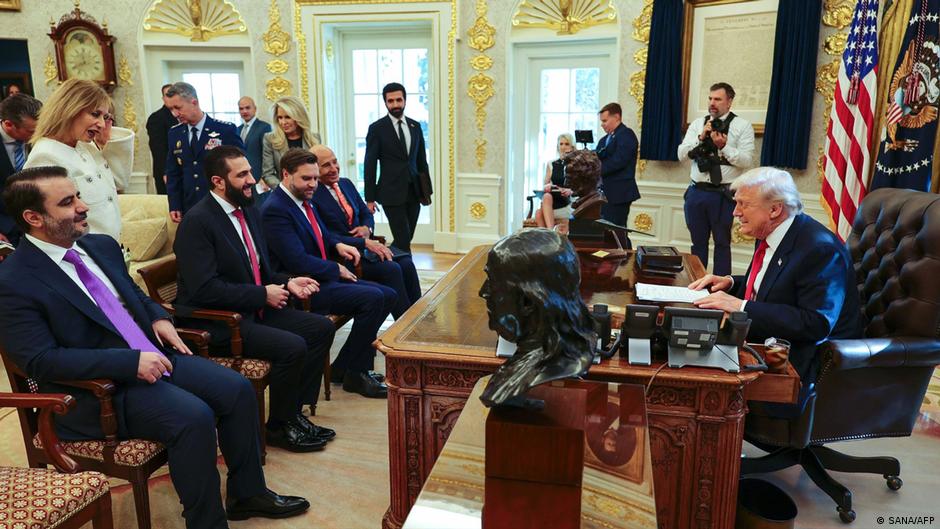
The US Supreme Court allows President Trump to resume White House renovations, including a new ballroom and military bunker, overturning lower court injunctions amid debates on executive authority.

Russia has revised medical restrictions, allowing individuals with limb disabilities to drive public transport, aiding veteran reintegration and addressing labor shortages amid demographic challenges.

Finland summoned the Russian ambassador after an Il-20 aircraft briefly entered its airspace, highlighting regional security tensions with potential economic ramifications.

Several hundred Ukrainian soldiers have deserted military training programs in Germany since 2022, revealing new security and policy challenges for European defense cooperation.

Latvia publishes a list of 170 companies trading with Russia and Belarus amid war, reflecting a new transparency policy affecting regional economic ties and sanctions.

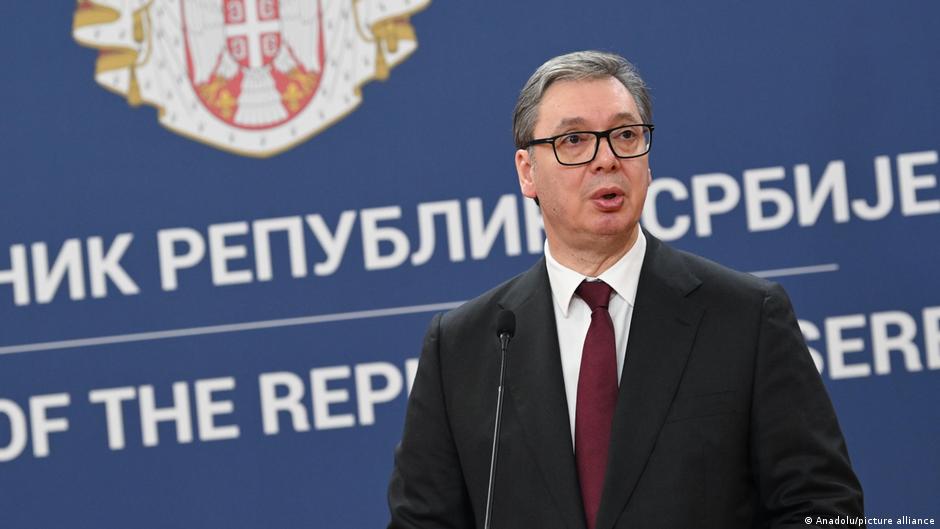
Serbia announces early parliamentary elections in October 2023 amid ongoing protests and demands for anti-corruption reforms, signaling potential shifts in the country’s political and economic trajectory.

A Russian ballistic missile strike on Kyiv caused multiple casualties and damaged key residential and healthcare infrastructure, deepening humanitarian and economic challenges.

NATO confirms readiness to respond to Iranian threats targeting military bases in Bulgaria and Cyprus, highlighting rising geopolitical tensions with potential economic fallout.

US President Trump announces an unprecedented economic war on Iran, threatening sanctions on any country supporting Tehran, intensifying global economic and geopolitical tensions.

Former Ukrainian Defense Minister Mykhailo Fedorov calls for holding elections despite ongoing war, emphasizing the need for lawful, secure democratic processes.

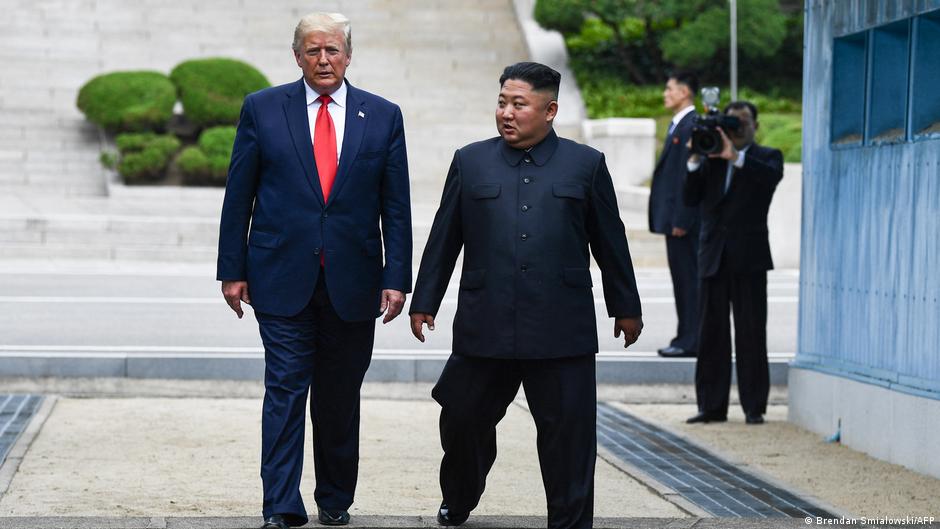
President Trump plans to meet Kim Jong Un during November's APEC summit to revive stalled nuclear negotiations, with significant implications for regional security and global economic stability.

Russian drone strikes on Zaporizhzhia result in civilian casualties and infrastructural damage, underscoring ongoing regional instability with wider economic implications.

Trump threatens Oman with military strikes over Strait of Hormuz negotiations amid US-Iran tensions, risking global oil market stability.

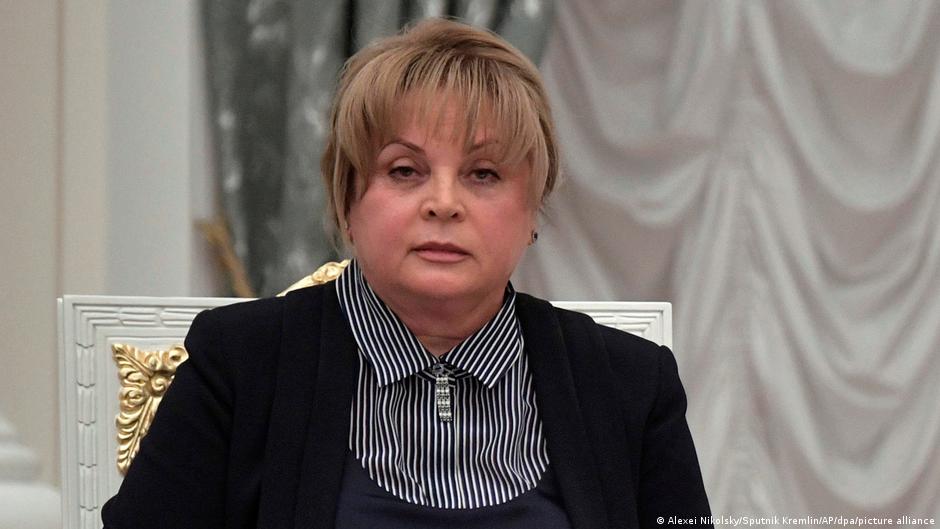
Russia’s election chief advocates stripping voting rights from emigrated citizens, signaling significant policy shifts with implications for global economic relations and diaspora engagement.