Canada Military Fire Raises Questions Over Climate and Defence Readiness
The deaths of four soldiers in Alberta expose growing operational and fiscal risks as extreme fires challenge Canada’s defence planning.
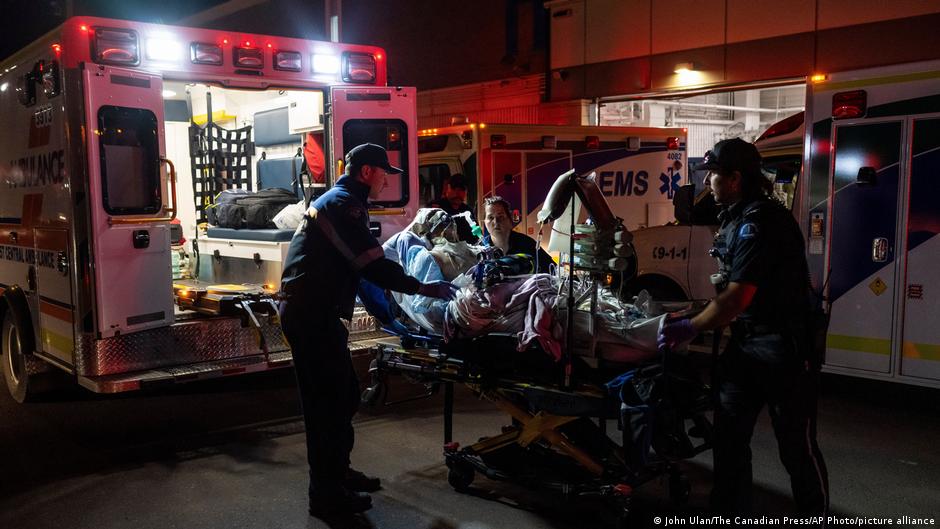
At least four Canadian Army personnel were killed and dozens were injured after a wildfire swept toward soldiers during a training exercise at Canadian Forces Base Wainwright in Alberta, Prime Minister Mark Carney said on Sunday, October 18.
Nineteen of those injured were in critical condition, according to authorities, while about 20 others sustained less severe injuries. The scale of the casualties makes the incident a major peacetime disaster for Canada’s armed forces and raises urgent questions about how military institutions assess environmental hazards during training.
“This is one of the worst tragedies the Canadian Armed Forces have faced on Canadian soil in peacetime,” Carney said at a news conference in Ottawa.
Carney confirmed that the families of the four personnel who died had been notified. He said dozens of others had suffered serious injuries.
The wildfire began during the afternoon of October 18, but military commanders decided not to suspend the exercise. Strong winds subsequently drove the flames rapidly across the prairie toward the troops. According to military generals, the fire covered one kilometre in just 36 seconds.
A test of institutional risk management
For senior decision-makers, the immediate issue is the human cost and the handling of the exercise. The wider economic significance lies in the growing exposure of public institutions to fast-moving environmental threats. Military training grounds, transport networks, energy infrastructure and rural communities can all face disruption when wildfire conditions combine with strong winds and dry landscapes.
The decision to continue the exercise after the fire began is likely to place operational risk protocols under close scrutiny. Any official review will have implications beyond the Wainwright base. It could influence when exercises are halted, how commanders use weather and fire intelligence, and what evacuation capacity must be available before personnel enter exposed areas.
Such changes can carry fiscal consequences. More extensive monitoring, emergency equipment, medical readiness and contingency planning would increase near-term operating costs. Exercises may also become more expensive if they require larger safety margins, alternative sites or rescheduling when environmental conditions deteriorate. Those costs, however, must be weighed against the much greater human, institutional and financial damage that can follow a failed risk assessment.
Climate resilience enters defence economics
The tragedy highlights a structural challenge for defence policy: armed forces must prepare for security threats while also adapting their own operations to environmental volatility. Training is intended to expose personnel to demanding conditions, but rapidly spreading wildfires can transform a controlled exercise into an emergency before traditional command procedures have time to respond.
That tension matters for long-term capital planning. Defence budgets are commonly assessed through spending on personnel, weapons, vehicles and major facilities. The Wainwright fire underscores the importance of less visible resilience investments, including forecasting systems, communications, evacuation planning and protection for training infrastructure.
Canada also faces a broader allocation question. When wildfires and other emergencies become more demanding, military personnel and equipment may be called upon to support civilian authorities. At the same time, military installations themselves require protection and adaptation. This creates competing claims on defence capacity and public funds, particularly when governments are already balancing security commitments with healthcare, infrastructure and other spending priorities.
The incident could therefore become a reference point in debates over whether climate-related preparedness should be treated as a core defence capability rather than a peripheral environmental concern. For policymakers, that distinction affects procurement priorities, operating standards and the way future defence requirements are presented to taxpayers.
Accountability and the economic cost of trust
The consequences will also depend on how transparently authorities examine the sequence of decisions made after the wildfire started. Public confidence is an economic asset for institutions that rely on recruitment, retention and sustained political support. A perception that foreseeable risks were not managed adequately could deepen personnel challenges and increase pressure for new safeguards.
Conversely, a clear investigation and credible policy response could strengthen institutional resilience. The key questions are likely to include what information commanders had, why training continued, whether the speed of the fire could reasonably have been anticipated and whether evacuation arrangements were sufficient for the conditions.
No financial estimate or timetable for a review was provided in the reported information. The immediate priority remains the treatment of the injured and support for the families of those killed. Yet the longer-term policy response may shape how Canada prices environmental risk across its defence establishment.
For governments and other large organizations, the lesson is stark: hazards that appear manageable can accelerate with extraordinary speed. At Wainwright, the flames reportedly travelled a kilometre in 36 seconds. Risk systems designed around gradual escalation may no longer provide enough protection when conditions change on that timescale.