Trump Delays Sweeping Russia Sanctions, Citing Ukraine Talks and Iran
The US president says delaying punitive tariffs preserves diplomatic leverage while limiting risks to global diesel supplies and Iran policy.
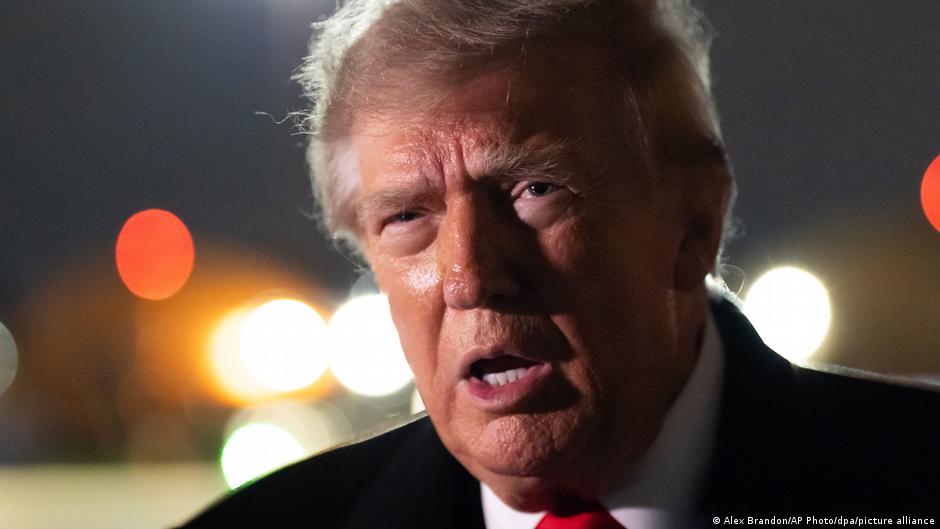
US President Donald Trump said he has postponed what he described as “hellish sanctions” against Russia, arguing that immediate action could disrupt negotiations over the war in Ukraine and encourage Moscow to deepen its support for Iran.
In a post on Truth Social on Sunday, October 18, Trump said he retained the option to impose the measures whenever he considered it necessary. His decision underscores an attempt to use the threat of exceptional trade restrictions as negotiating leverage rather than applying them on a predetermined schedule.
“My decision on Russia is very simple. Right now, I am conducting peace negotiations on the war between Russia and Ukraine, and I do not want to take any steps that could foolishly drive Russia away from the negotiating table,” Trump wrote.
Trump said “significant progress” had been achieved in discussions with Moscow, particularly on the release of prisoners. He argued that signing the sanctions legislation now would produce the outcome he wants to avoid, while emphasizing that he could approve it later at any time.
Tariff threat carries global economic consequences
The legislation associated with Senator Lindsey Graham would impose an additional 500% tariff on Russian goods. It would also establish a 100% tariff on products from countries ranked among the five largest buyers of Russian oil and gas, as well as from countries described as the most active in helping Moscow circumvent existing sanctions.
Measures of that scale would extend far beyond bilateral US-Russian trade. By targeting major purchasers of Russian energy, they could affect trade relationships with economies that remain integrated into global manufacturing and commodity supply chains. The threat therefore creates potential consequences for energy costs, commercial flows and inflation well outside Russia.
The law required Trump to introduce the restrictions by October 18 but also authorized him to suspend the process when doing so served US national interests. Trump exercised that authority on October 17, preserving the sanctions as a policy option without immediately triggering their wider economic effects.
From a macroeconomic perspective, the pause reflects a balancing act among three objectives: maintaining pressure on Russia, keeping diplomatic channels open and avoiding an abrupt disruption to energy markets. It also illustrates the administration’s willingness to connect trade policy with security negotiations in both Europe and the Middle East.
Iran and diesel markets shape the calculation
Trump said an additional consideration was that Russia currently provides Iran with very little assistance compared with what it could supply. He said he wanted that restraint to continue and suggested that premature sanctions could undermine it.
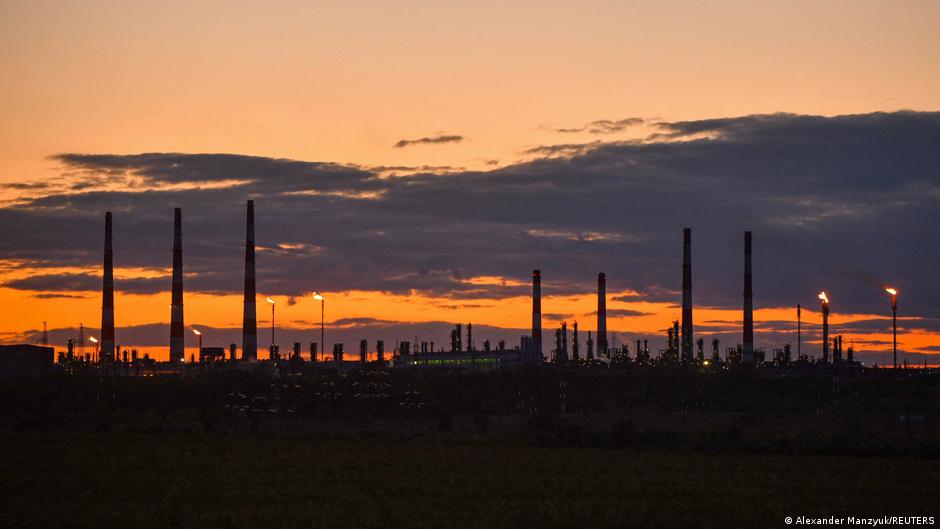
The president also renewed his criticism of Ukrainian President Volodymyr Zelensky over Ukrainian military attacks on Russian oil refineries that produce diesel. Trump argued that Zelensky understands the attacks are causing serious damage to the global diesel market, including the US market.
According to Trump, farmers, ranchers and businesses across multiple industries are suffering as a result. He said Russia nevertheless continues to supply the world market with millions of barrels of low-priced diesel, and accused Zelensky of being indifferent to the economic impact.
Diesel prices have broad economic significance because the fuel is central to agriculture, freight transport, construction and industrial activity. Trump’s argument places the protection of fuel availability alongside diplomatic considerations, suggesting that the administration sees refinery disruptions as a risk to costs across the real economy.
Pressure shifts toward Kyiv
Trump said he wants to end Russia’s war against Ukraine but alleged that Zelensky does not seek to bring the conflict to a close and perhaps never did. He claimed Ukraine could have secured a substantially better agreement two years ago than it could obtain now.
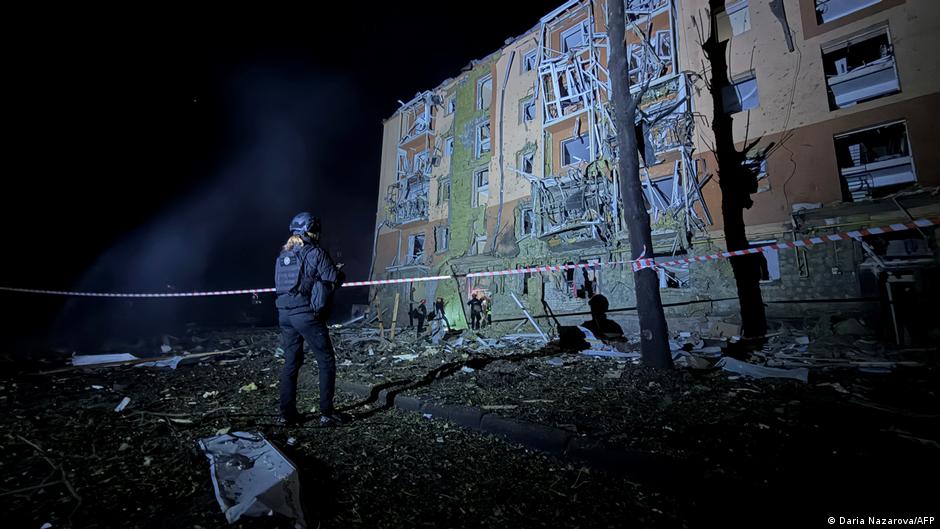
The US president described Ukraine as being in ruins, with a significant share of its territory lost. He also asserted that the country no longer has access to seas or oceans and that its male population has declined through displacement, injury or death.
Those statements reinforce a negotiating posture that places public pressure on Kyiv as well as Moscow. They also connect the administration’s sanctions strategy to a broader assessment of Ukraine’s deteriorating bargaining position and the mounting human and economic costs of a prolonged conflict.
For governments and companies, the immediate outcome is a temporary reprieve rather than policy certainty. The proposed tariffs remain available, and Trump has explicitly reserved the right to activate them. That leaves energy importers and globally exposed businesses facing a continuing risk of sudden changes to US trade policy if negotiations stall or Washington concludes that Russia’s conduct no longer aligns with American interests.