Russian Missile Strike on Kyiv Highlights Economic Risks of Prolonged War
The attack killed a 21-year-old woman, injured three residents and damaged civilian buildings, metro infrastructure and rail tracks.
A Russian ballistic missile strike on Kyiv on Sunday evening, October 18, killed a 21-year-old woman and injured three other residents, according to Ukrainian officials. The attack damaged civilian buildings and part of the capital’s metro system, underscoring the continuing economic exposure of major urban centers as the war persists.
Kyiv Mayor Vitali Klitschko said on Telegram that the Russian military carried out the missile attack during the evening. The reported impacts were spread across several districts of the Ukrainian capital, affecting medical, residential and non-residential property.
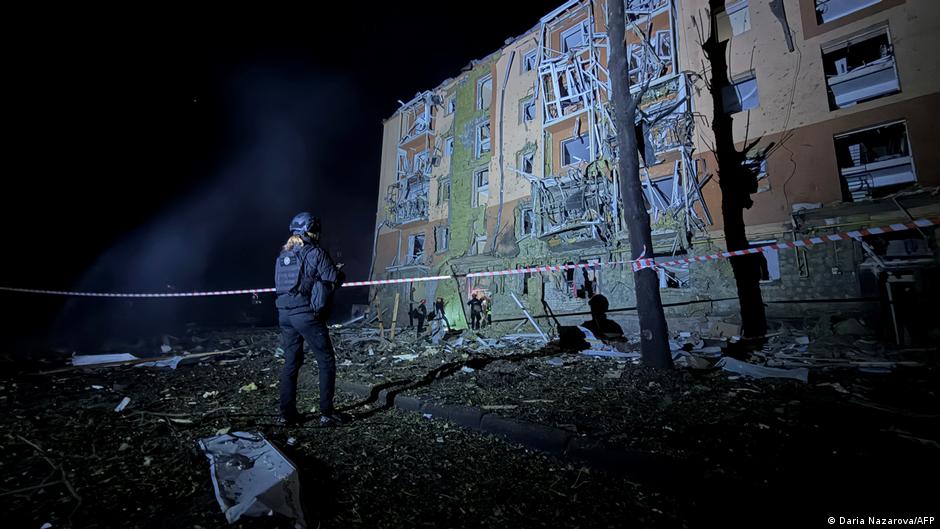
In Kyiv’s Desnianskyi district, a missile reportedly struck what preliminary information identified as a medical center. In the Dniprovskyi district, a non-residential building was hit. In the Solomianskyi district, the first floor of a 25-story residential building was struck, according to information provided by the mayor.
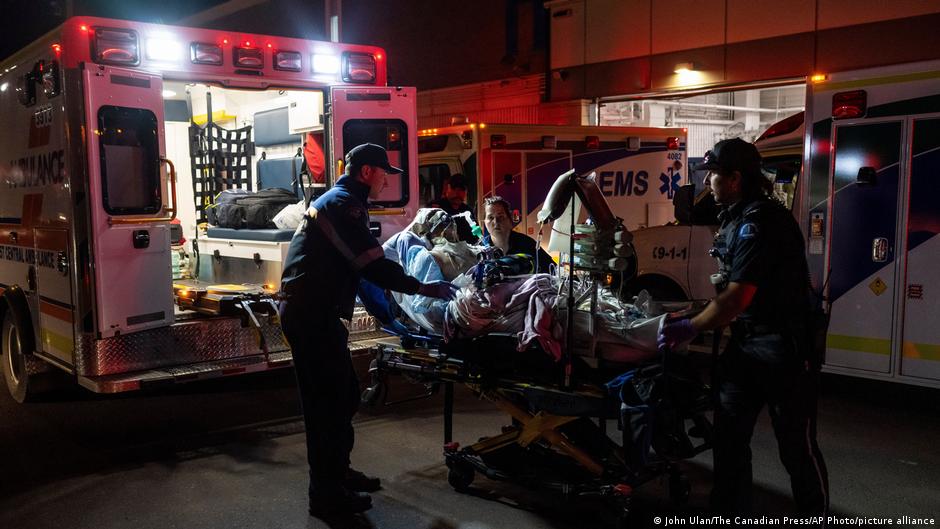
The strike killed a 21-year-old woman and left three Kyiv residents injured, city authorities said.
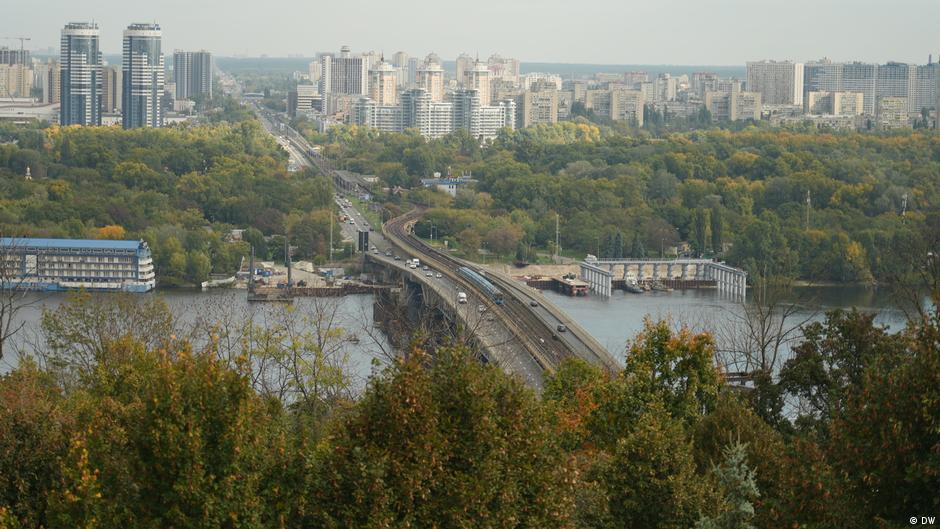
One of Kyiv’s metro stations on the left bank of the Dnipro River was also damaged, Klitschko said. Falling debris caused a break in the railway tracks at the site. Ukraine’s Air Force reported on the evening of October 18 that Kyiv had been attacked with a ballistic missile.
Urban infrastructure remains economically exposed
Although the immediate consequences are measured in casualties and physical destruction, damage to medical facilities, housing and public transport also carries broader economic significance. Each strike can create simultaneous demands for emergency response, structural inspections, repairs and the restoration of public services. For a government operating under wartime conditions, such incidents add to the continuing fiscal burden of protecting and maintaining essential urban infrastructure.
The reported damage to a metro station illustrates the economic importance of transport resilience. Even localized disruption to rail infrastructure can affect passenger movement and complicate access to workplaces and public services. Metro systems are particularly important to the functioning of large cities because they connect residential districts with employment centers, healthcare facilities and other critical institutions.
The impact on a building preliminarily identified as a medical center also highlights the vulnerability of socially important infrastructure. Damage to healthcare property can require resources for repairs while potentially placing additional pressure on other facilities. The residential impact in the Solomianskyi district similarly reinforces the continuing risk to the capital’s housing stock and the households that depend on it.
Persistent attacks complicate long-term planning
For senior economic decision-makers, the incident is another indication that Ukraine’s capital remains exposed to abrupt shocks despite its central role in government, business and national logistics. Repeated security threats make investment planning more difficult because companies and public institutions must account for potential interruptions, building damage and additional protective measures.
The geographic spread of the reported impacts across three Kyiv districts also demonstrates how a single attack can create multiple points of economic disruption. Medical property, residential space, a non-residential building and metro infrastructure each require different forms of assessment and recovery, potentially dividing already constrained technical and financial resources.
Such attacks can influence long-term capital allocation even when the physical damage from an individual incident is limited to several locations. Authorities must balance immediate repairs with wider spending priorities, while businesses and households face continued uncertainty over the safety and reliability of property, transportation and public services.
The economic consequences also extend beyond reconstruction costs. Persistent attacks can affect labor mobility, operational continuity and confidence in urban assets. They can encourage institutions to maintain backup arrangements and devote resources to resilience rather than expansion. These pressures accumulate over time and can slow the normalization of economic activity.
Policy implications extend beyond Ukraine
The strike reinforces the connection between military developments and economic policy choices surrounding the war. The ongoing exposure of civilian infrastructure keeps reconstruction, air defense and emergency support central to Ukraine’s policy agenda. It also maintains pressure on international partners to consider how security assistance and longer-term economic support interact.
For the wider global economy, the attack does not by itself establish a new economic trajectory. It does, however, illustrate why the duration of the conflict remains relevant to fiscal planning, investment risk and future reconstruction requirements. The longer civilian assets remain vulnerable, the greater the challenge of shifting resources from emergency protection and repair toward durable development.
The death of a young woman and the injuries sustained by three residents remain the central human consequences of the October 18 strike. At the same time, damage spanning healthcare, housing and transport shows how attacks on a capital city can generate layered economic costs that continue after the immediate emergency has passed.