Cologne Bonn Drone Closure Highlights Rising Economic Risks to Aviation
A temporary drone-related shutdown at Cologne Bonn Airport highlights rising security spending and disruption risks for European aviation and supply chains.

A temporary drone-related shutdown at Cologne Bonn Airport highlights rising security spending and disruption risks for European aviation and supply chains.

Sweden’s protest over incidents in Poland and Denmark points to higher defence costs, tighter mobility rules and a growing European geopolitical risk premium.

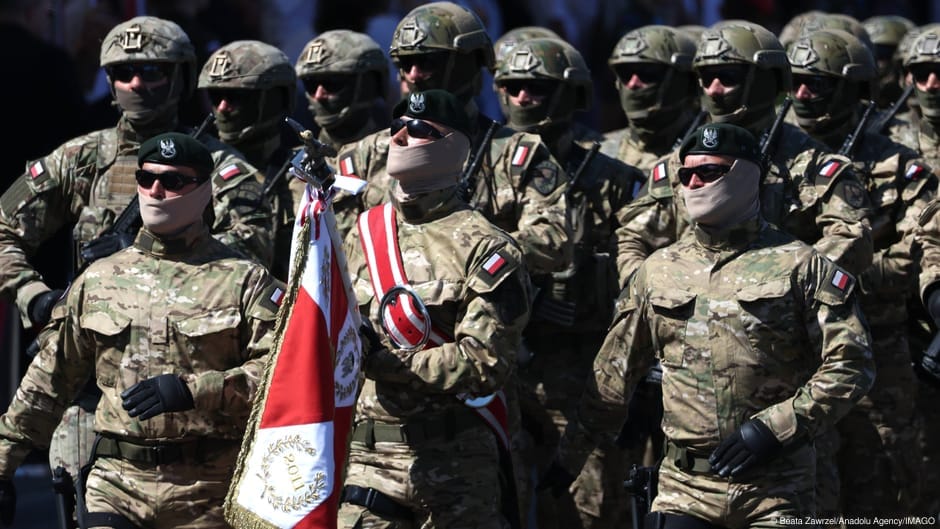
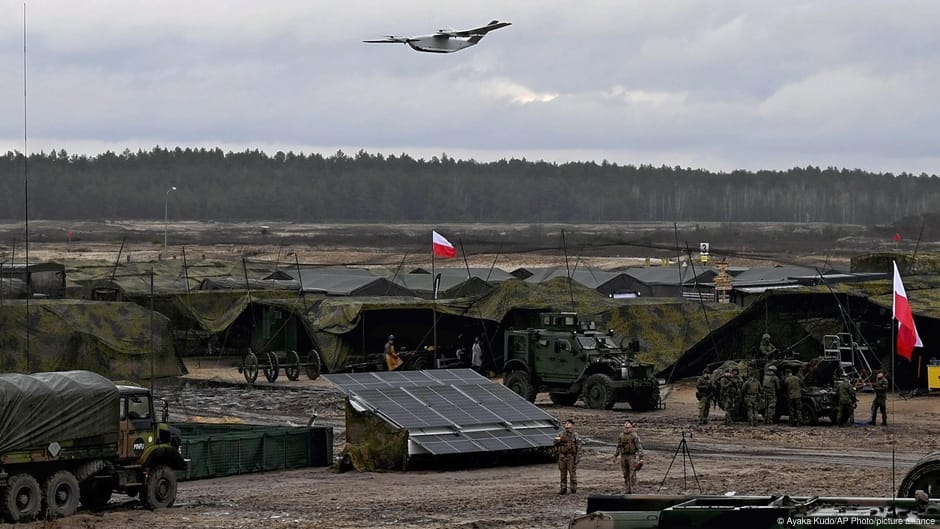
Poland’s proposed eastern no-fly zone could reshape NATO border policy while adding new considerations for defense budgets, aviation and regional investment.

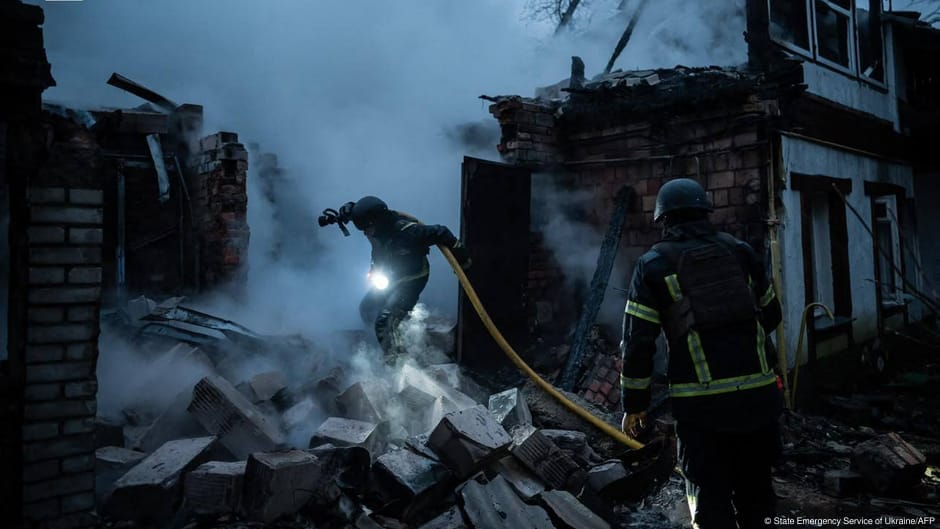
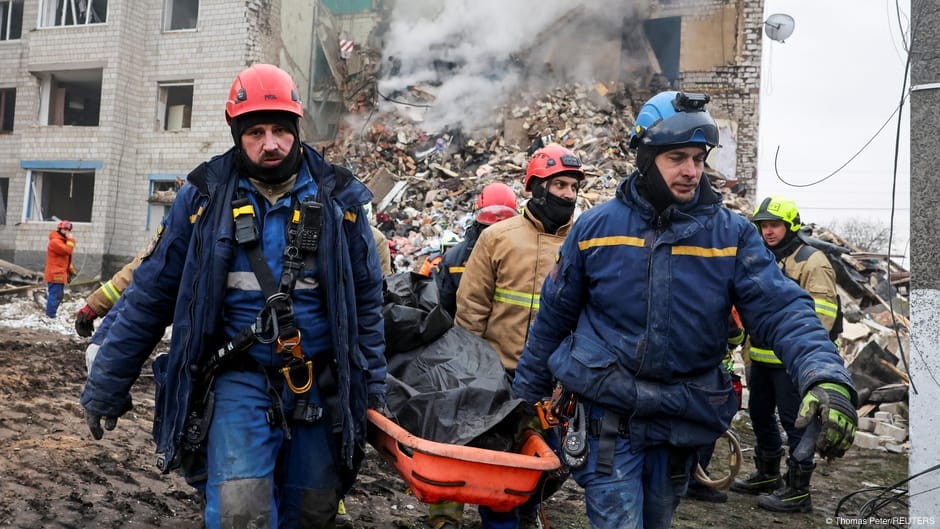
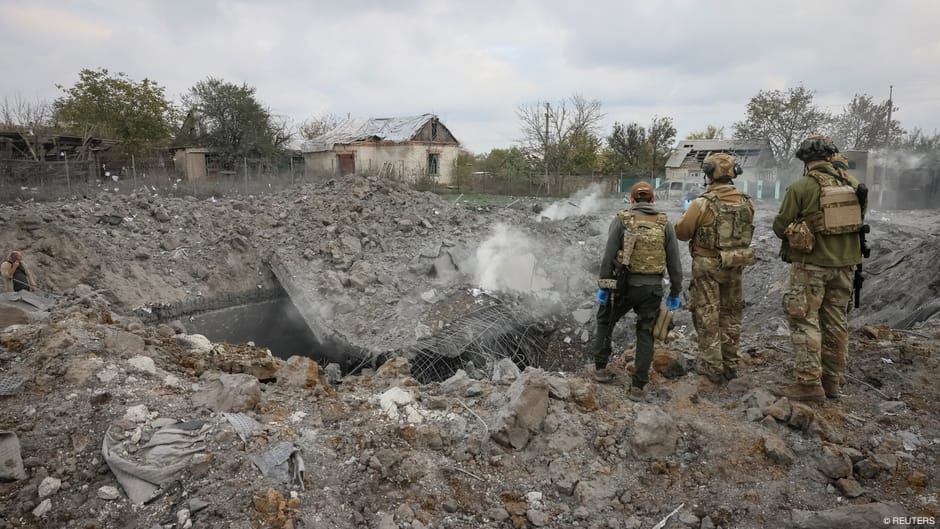
Strikes injured civilians and hit commercial, industrial, residential and critical infrastructure sites in Kyiv, Kharkiv and other Ukrainian regions.

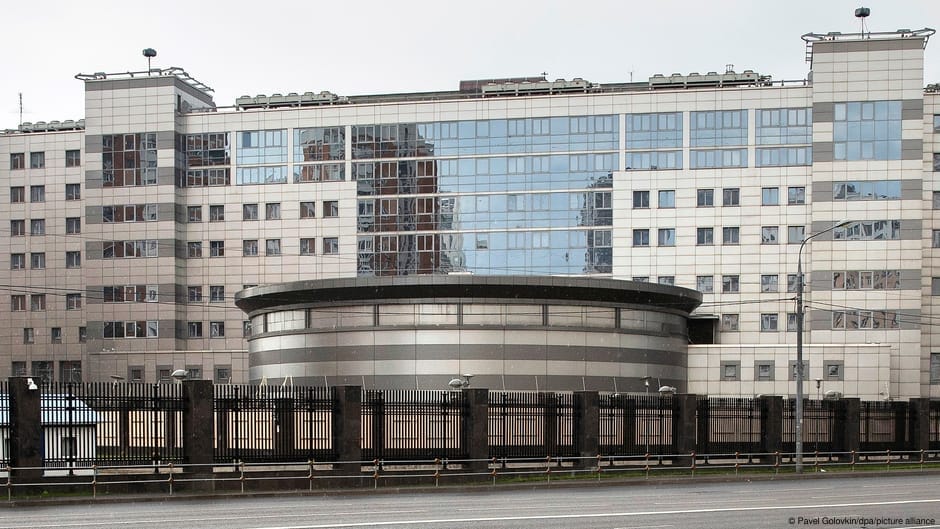
Lithuania is urging the EU to designate Russian military intelligence as a terrorist organization, potentially widening Europe’s security and economic response.

Huawei’s US conviction adds legal and financial pressure while reinforcing the global fragmentation of telecommunications markets and supply chains.

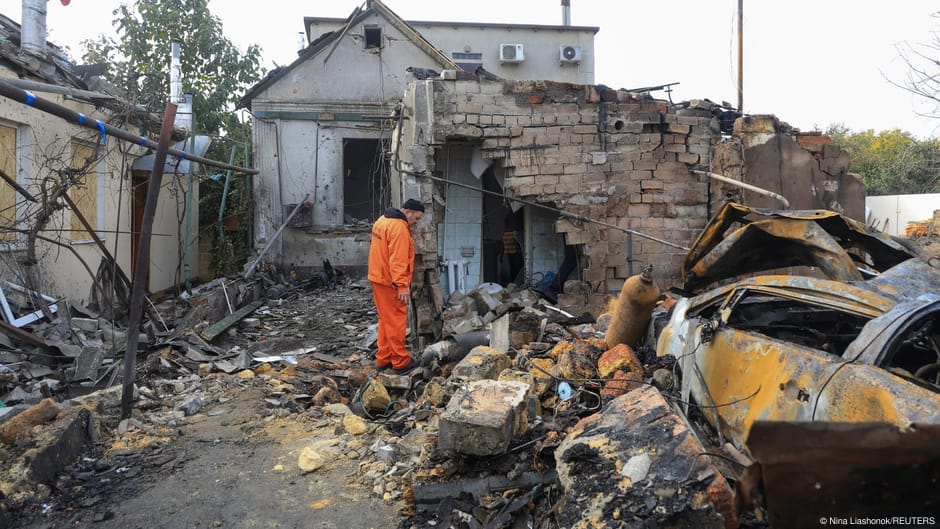
Russian attacks killed three people and damaged civilian assets as Ukraine imposed wider electricity restrictions affecting households and industry.

A Russian drone briefly entered Poland during an attack on western Ukraine, highlighting the rising defense and fiscal costs of spillover risks along NATO’s eastern flank.

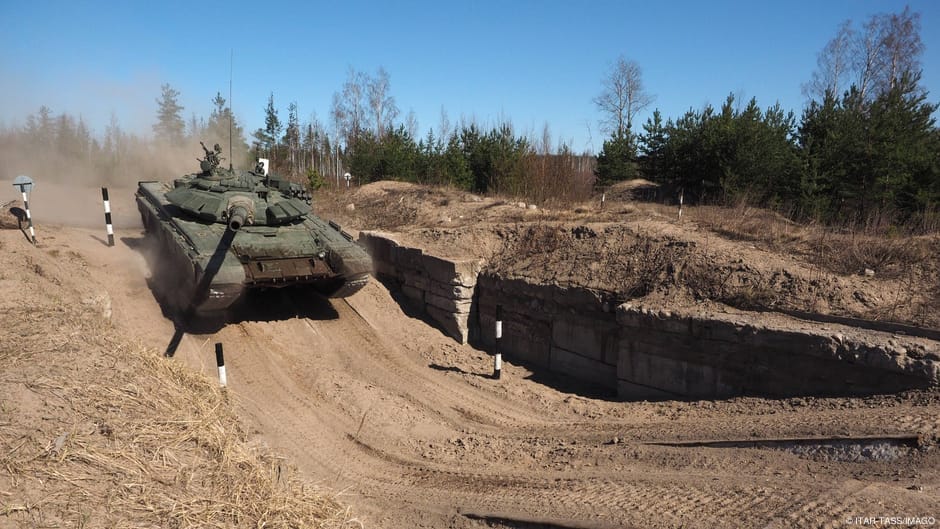
Russia is rebuilding the Kamenka garrison near Finland for a planned 11,000-strong division, underscoring a lasting shift in northern Europe’s security economy.

Russian attacks killed and injured dozens across Ukraine while damaging homes, shops, businesses and energy infrastructure in several regions.

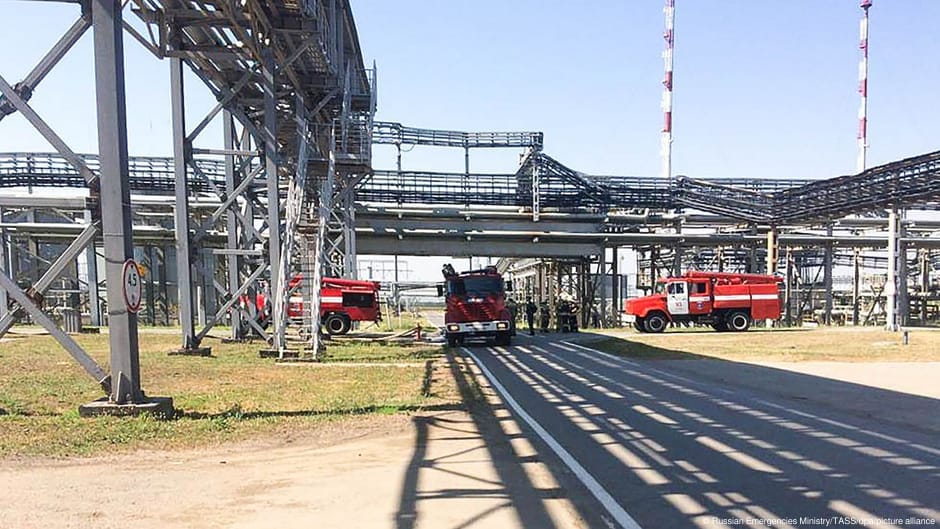
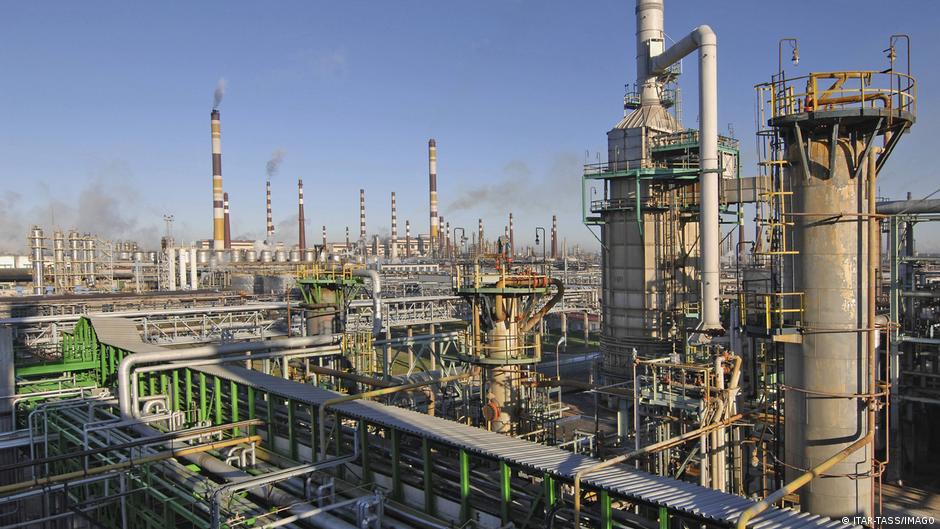
Reported drone strikes near oil assets in Rostov and Tatarstan highlight rising costs and supply-chain risks for Russia’s energy sector.

Democrats will hold at least 258 House seats and 56 Senate seats, creating broad scope for US fiscal and economic policy changes.

Germany will move tanks to Lithuania by rail instead of driving through Poland, testing military mobility while seeking to limit escalation risks with Russia.

A probable drone strike on a Krasnodar security facility and unconfirmed refinery reports highlight growing risks to transport, energy and investment.

GTA VI earned a record $3.79 billion on its first day, demonstrating the growing economic power of global gaming franchises and digital platforms.

Washington’s push for a Ukraine deal before Democrats take Congress could reshape military aid, European defense spending and reconstruction prospects.

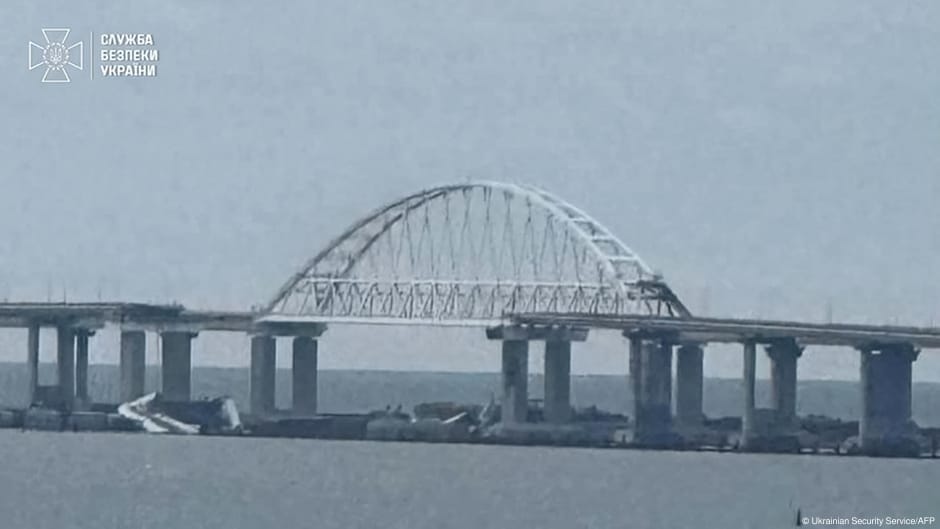
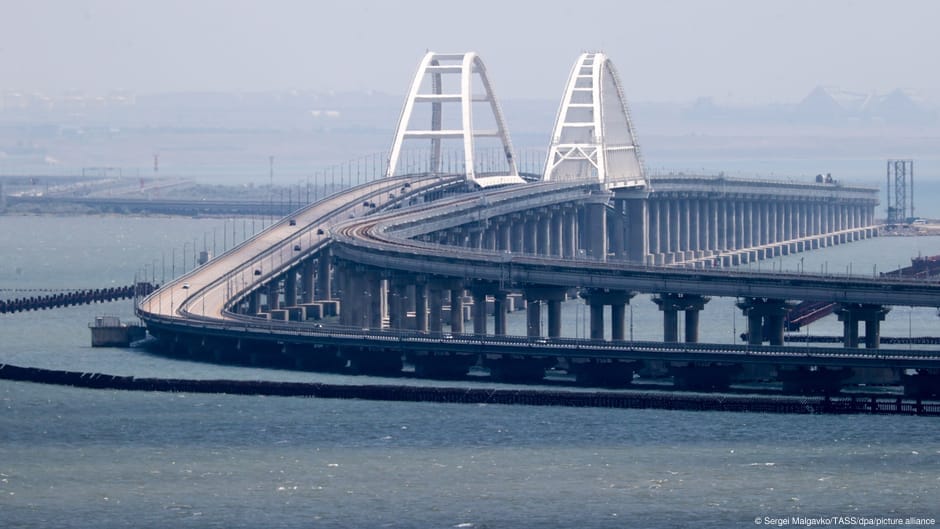
Zelensky says the Crimea Bridge will not survive, as severe damage threatens Russian logistics and creates a costly, uncertain reconstruction challenge.

Germany and Poland are turning their defense pact into a program for military readiness, resilient supply chains and greater European industrial autonomy.

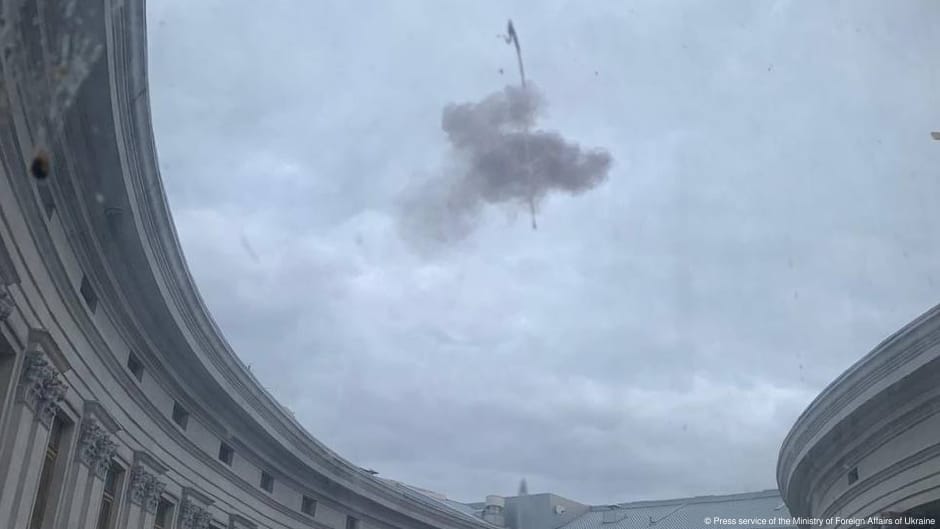
Russian missile strikes damaged Kyiv bridges and buildings, adding transport, fiscal and diplomatic pressures to Ukraine’s wartime economy.

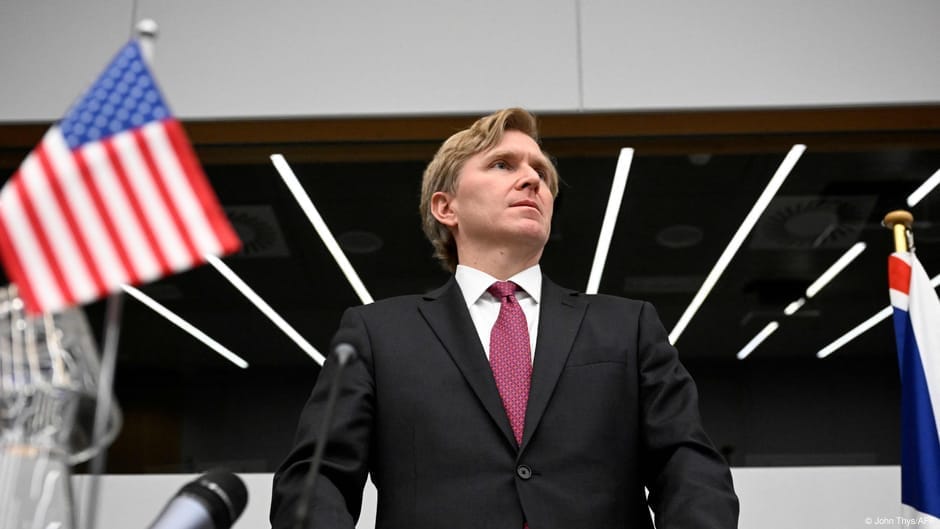
Elbridge Colby’s early departure from a NATO meeting exposes strategic divisions that could reshape European defense budgets and Ukraine’s reconstruction.

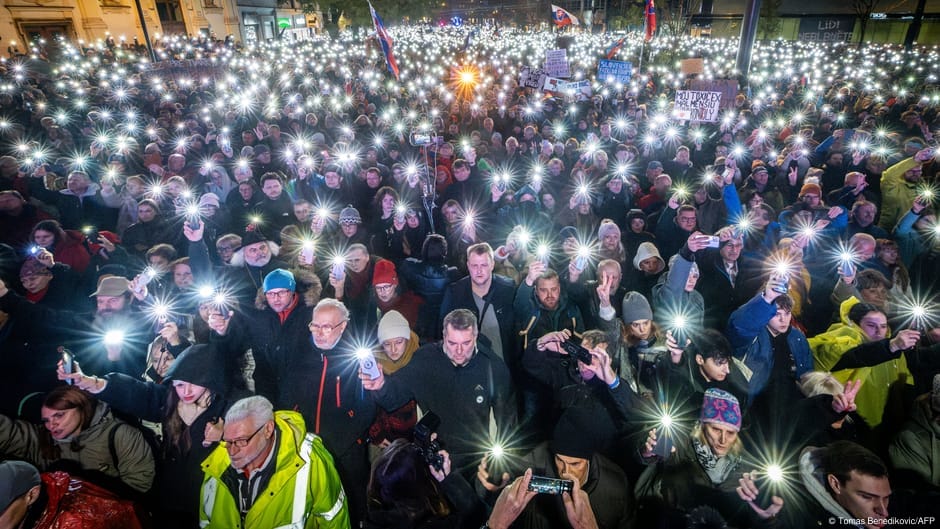
Mass protests against Robert Fico’s government highlight risks to Slovakia’s institutional stability, policy continuity and long-term investor confidence.

Reported flows through a Deutsche Bahn unit expose policy gaps around sanctions, Russian infrastructure revenue and Europe-China rail trade.

Rescuers confirmed 72 deaths after a Russian strike on a Ukrainian aid center, highlighting the mounting cost and danger of humanitarian operations.

Strikes on bridges in Kyiv and the Kerch Strait highlight mounting risks to transport networks, public services, logistics and reconstruction budgets.

A German poll shows broad concern over Russia but an almost even divide on restoring Russian energy imports, complicating long-term security and industrial policy.

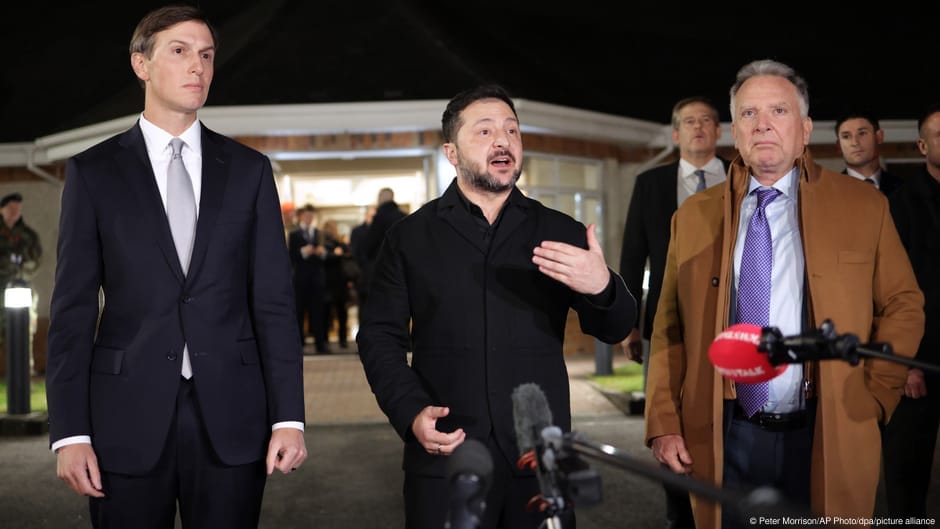
Kyiv wants a unified European position for potential talks with Russia while reviewing allied coalitions and seeking more energy and air-defense support.

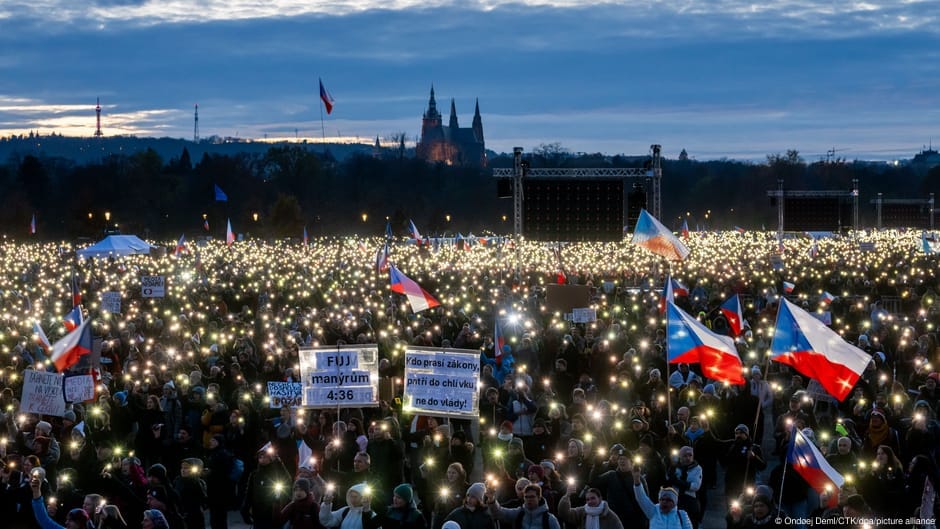
A Czech plan to replace broadcasting fees with state funding has prompted a huge Prague protest and warnings over media independence, fiscal pressure and institutional risk.

Washington is bringing Europe into Ukraine peace talks, a shift with implications for regional security, public finances, investment and long-term economic risk.

The Pentagon plans to withdraw about 5,000 US troops from Europe, far fewer than expected, while reinforcing NATO’s eastern flank.

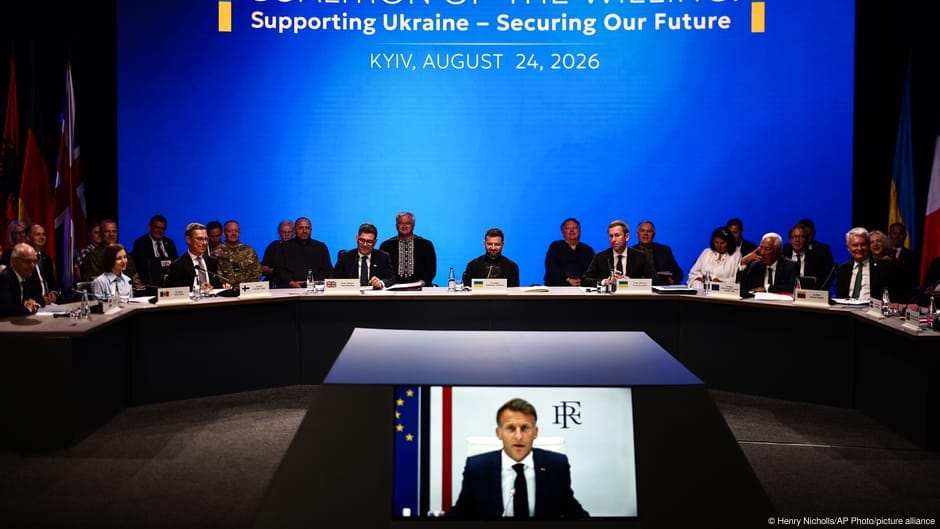
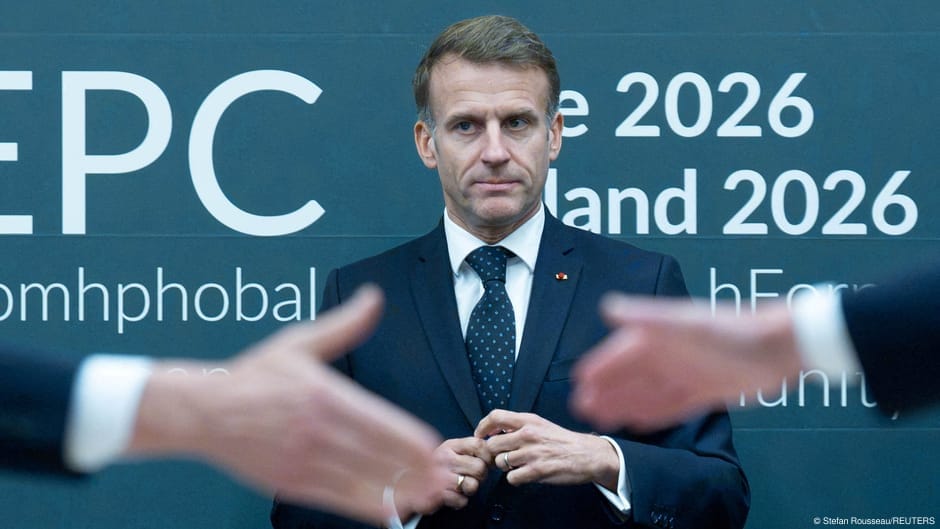
Macron casts Ukraine aid as long-term risk management as fiscal pressures in Poland and Bulgaria expose strains in Europe’s security financing.

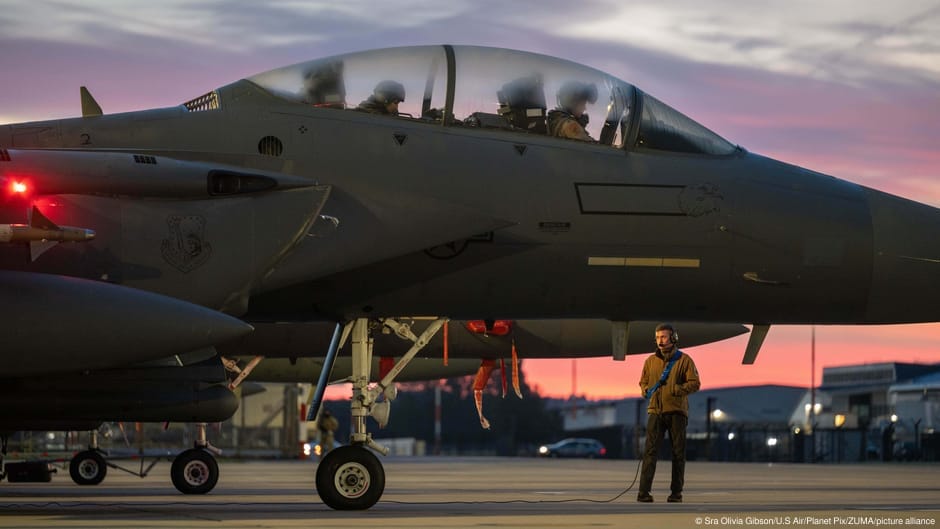
Suspected drone activity at RAF Lakenheath caused no damage but highlighted the growing fiscal and infrastructure costs of geopolitical risk in Europe.

A four-hour US departure ban exposed the risks of aging air traffic systems as officials sought $50 billion in additional modernization funding.

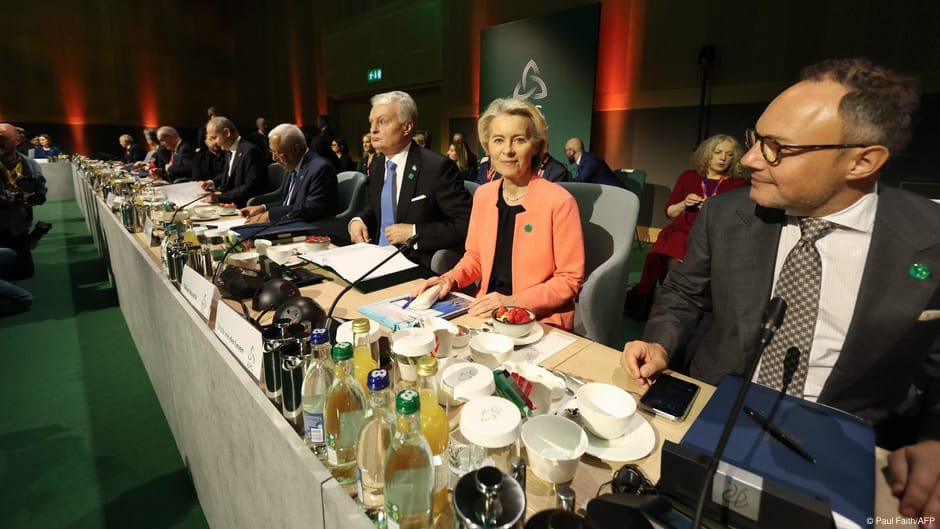
Nearly 40 European states have endorsed a security charter with potential consequences for fiscal policy, infrastructure investment and transatlantic risk.

Spain’s housing shortage has triggered a nationwide strike, industrial disruption and mass protests weeks before a snap parliamentary election.

Kyiv and Moscow discussed exchanging up to 3,000 prisoners as Abu Dhabi talks expanded toward energy, Black Sea security and possible leader-level negotiations.

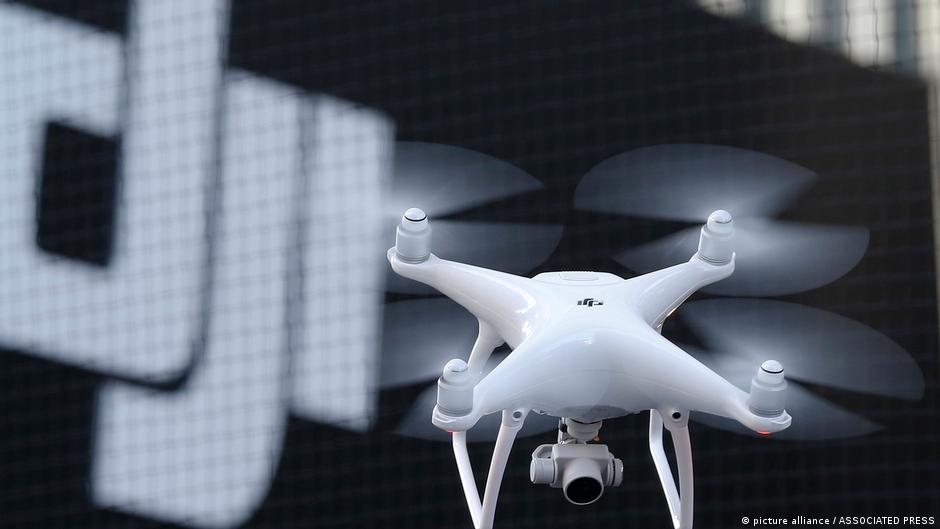
Germany’s military has barred Chinese drones and cars from sensitive sites, highlighting how security concerns are reshaping European procurement and industrial policy.

Moldova’s new power link with Romania reduces reliance on Russian-linked infrastructure and advances its economic integration with the European Union.

Nvidia’s board is investigating its CEO’s reported affair with a suspected Chinese intelligence asset as scrutiny of strategic AI supply chains intensifies.

A drone attack on Russia’s Kirishi refinery puts a facility responsible for about 7% of national oil processing back at the center of fuel-security concerns.

Gadi Eisenkot has 28 days to build an Israeli coalition, with Arab parties holding the balance and economic and diplomatic policy at stake.

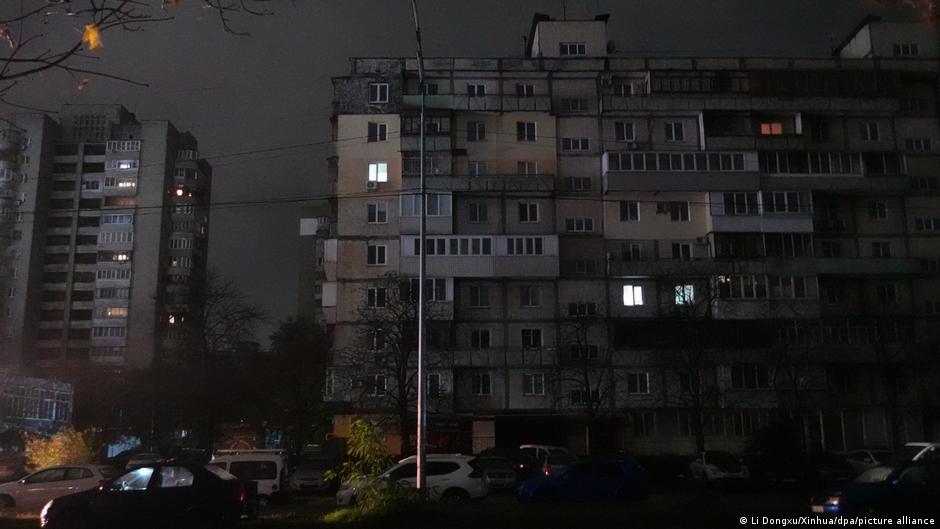
The dispute over Kyiv’s outages reveals how grid damage and strained coordination could magnify the economic costs of Russia’s attacks on Ukrainian energy infrastructure.

A Kharkiv language-school co-founder died after detention in Crimea, highlighting the war’s mounting human-capital and institutional costs.

Germany plans an extra €100 million for Ukrainian infrastructure as attacks deepen energy losses and raise the long-term cost of economic recovery.

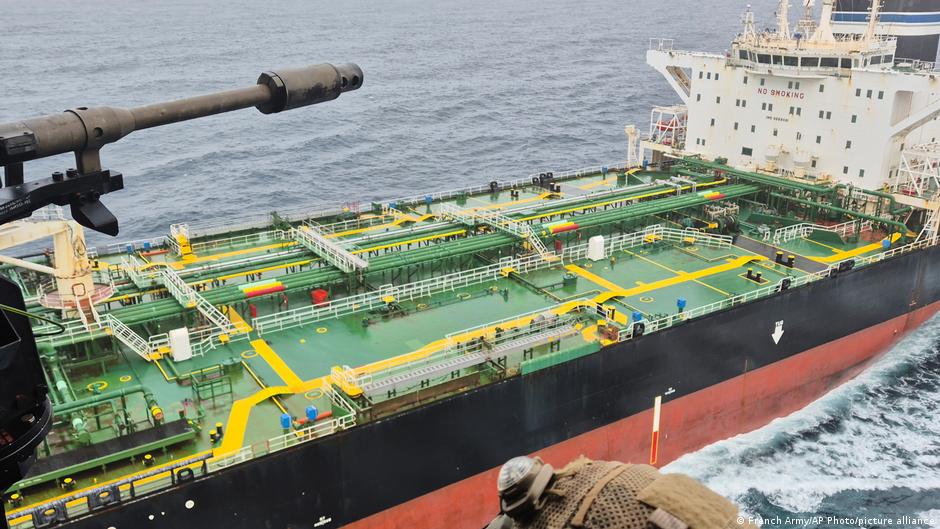
Two Russian fuel tankers changed course as sanctions concerns disrupted a Trump-Putin diesel agreement designed to ease high US prices.

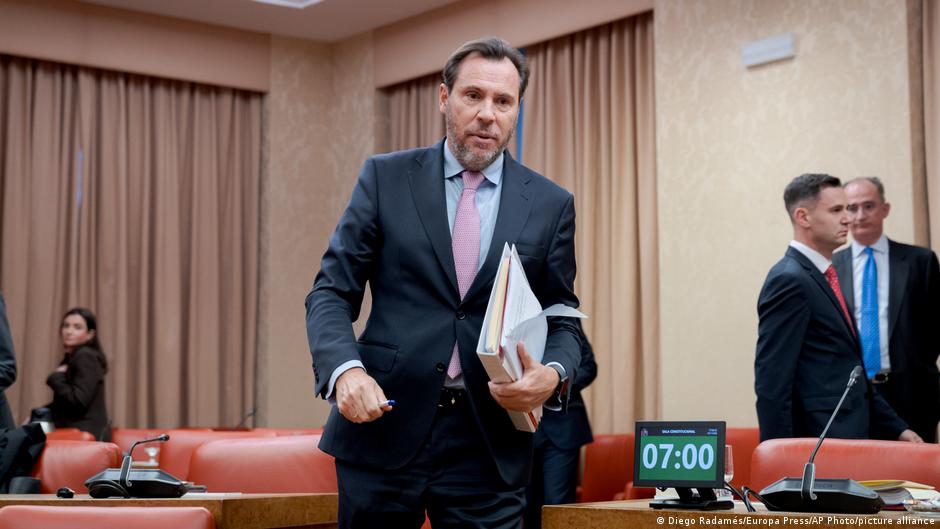
Óscar Puente’s resignation after the Toledo rail disaster puts Spain’s infrastructure governance, safety investment and transport resilience under sharper scrutiny.

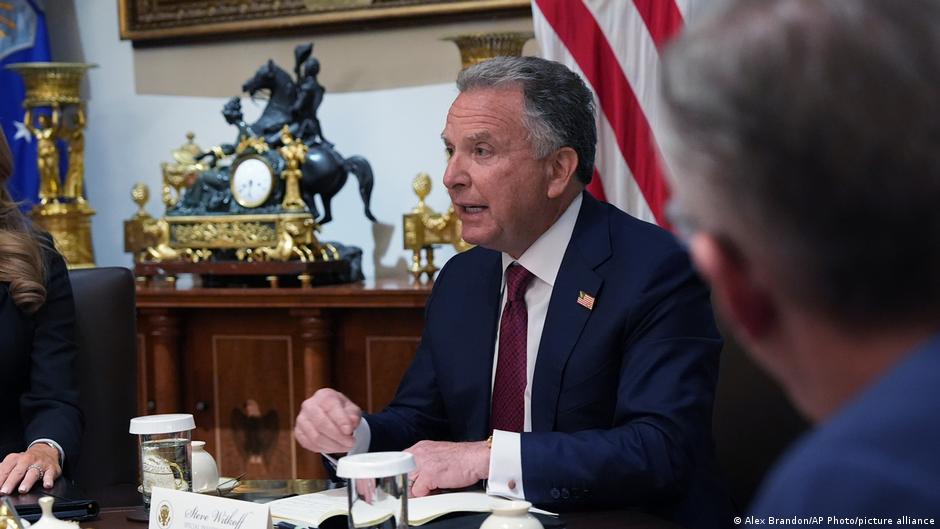
US-mediated Russia-Ukraine talks in Abu Dhabi will link de-escalation and security guarantees with the long-term financing of Ukraine’s reconstruction.

Kazakhstan detained 10 people in an alleged extremist-group case in Atyrau, putting security and institutional risks in an economically strategic region under scrutiny.

False radiation and nuclear warnings in Ukraine and Russia exposed cybersecurity and confidence risks surrounding essential public alert infrastructure.

A US plan to restore Russian gas transit through Ukraine could ease European energy costs while testing sanctions and the EU’s 2027 phaseout strategy.

Trump questioned the FBI’s attribution of a $6.3 billion Binance theft to North Korea, highlighting the geopolitical and regulatory risks surrounding global crypto markets.