Reported Drone Strike in Krasnodar Highlights Rising Economic Risks
The suspected attack on a Russian security facility and reports involving a nearby refinery underscore mounting risks to regional infrastructure.
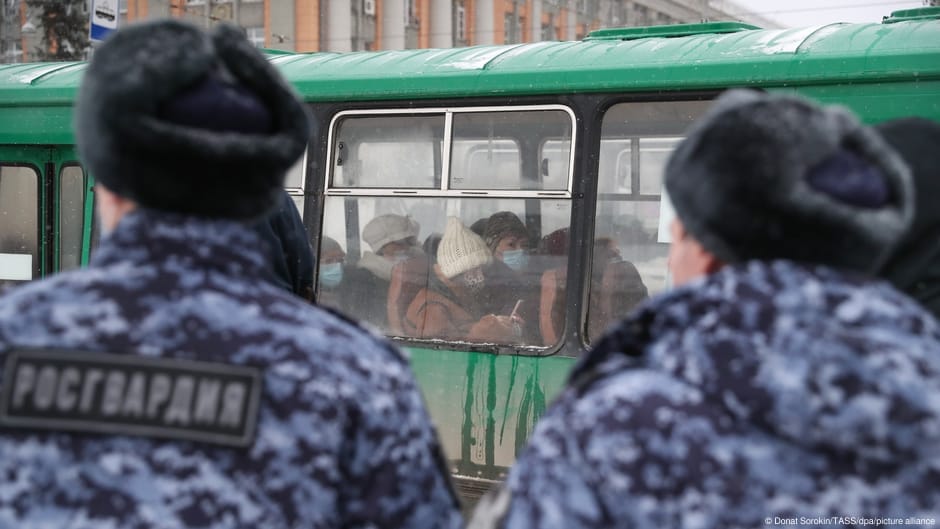
A Ukrainian drone attack overnight into Sunday, November 22, may have struck the main directorate of Russia’s National Guard, or Rosgvardiya, in the southern city of Krasnodar, according to an open-source intelligence analysis by the Russian outlet Astra.
The assessment was based on photographs submitted by a reader and video published by the monitoring channel Exilenova+. Residents reported the smell of burning and shared images showing smoke in the city. Krasnodar’s municipal authorities said that a drone attack had been repelled, but did not confirm that the Rosgvardiya facility had been hit.
The incident remains subject to uncertainty. Open-source findings can help establish the likely location of an explosion or damage, but they do not carry the same evidentiary weight as an official assessment or independently verified reporting from the site. The available information therefore indicates a probable strike rather than a confirmed one.
Transport and infrastructure disruption
Restrictions were imposed at Krasnodar airport during the incident. At the time the original report was written, they had not been lifted and had remained in effect since the evening of November 21. Even temporary aviation restrictions can impose costs on airlines, passengers and businesses through delays, diversions and operational uncertainty.
For senior economic decision-makers, the immediate significance lies less in the reported damage to a single government facility than in the broader pattern of disruption across southern Russia. Krasnodar region is an important transport, agricultural and industrial area. Repeated security alerts can affect logistics planning, insurance calculations, working schedules and the reliability of regional supply chains, even when physical damage is limited.
The economic effect of drone warfare extends beyond confirmed destruction: recurring alerts can raise operating costs and reduce the predictability on which investment and logistics depend.
The airport restrictions illustrate how defensive measures can generate secondary economic consequences. Airspace closures are intended to reduce security risks, but they can also interrupt passenger movement and time-sensitive commercial activity. If such restrictions become more frequent or prolonged, companies may need to build additional time and contingency capacity into transport arrangements.
Unconfirmed refinery reports raise energy concerns
Several local and Ukrainian Telegram channels also reported a possible attack on the Afipsky oil refinery in Krasnodar region. That claim had not been confirmed by open-source analysts or officials at the time of publication and should be treated as unverified.
The refinery was last attacked by Ukrainian forces overnight on November 18, according to the source article. The proximity of the two reported episodes highlights the continuing exposure of energy infrastructure to drone operations, although no conclusion can yet be drawn about damage or disruption from the latest unconfirmed report.
Refineries are economically significant because interruptions can affect fuel processing, domestic distribution and export logistics. The wider consequences depend on the duration of any outage, the availability of spare capacity and the ability to redirect supplies. No evidence in the available reporting establishes that the Afipsky facility was damaged on November 22 or that its operations were affected.
Nevertheless, repeated reports involving the same industrial site may influence risk assessments even in the absence of confirmed production losses. Operators may face pressure to increase spending on physical protection, air defence, repairs and redundancy. Those expenditures can improve resilience but also divert capital from maintenance, modernization or capacity expansion.
Long-term implications for regional risk
The Krasnodar episode reflects a broader economic challenge created by the expanding geographical reach of drone warfare. Security incidents well beyond the immediate front line can expose public facilities, transport networks and industrial assets to intermittent disruption. This complicates the distinction between military risk and ordinary commercial risk.
For policymakers, the trade-off is likely to involve higher security expenditure alongside efforts to preserve normal economic activity. Measures such as temporary airport restrictions may reduce immediate danger, while imposing costs on mobility and commerce. Strengthening protection around energy facilities can similarly limit vulnerability but requires sustained public and corporate resources.
Businesses operating in affected regions may respond by reviewing supply routes, inventory buffers, insurance coverage and emergency procedures. Investors may also place greater weight on the resilience of individual facilities and the availability of alternative infrastructure. These responses do not necessarily signal an immediate macroeconomic shock, but over time they can contribute to higher transaction costs and weaker capital efficiency.
The reported strike in Krasnodar has not yet produced a verified estimate of damage, casualties or economic losses. Its wider importance is therefore best understood as an indicator of persistent infrastructure risk. The combination of a probable attack on a security facility, airport restrictions and unconfirmed reports concerning a refinery underscores how recurring drone incidents can transmit security pressures into transport, energy and regional investment decisions.



