Russian Convoys Reverse Course After Ukraine Strikes Warship in Libya
Two Russian military convoys reportedly changed course after Ukraine sank a Russian corvette in Libya, raising Mediterranean security and logistics risks.

Two Russian military convoys reportedly changed course after Ukraine sank a Russian corvette in Libya, raising Mediterranean security and logistics risks.

Sweden’s protest over incidents in Poland and Denmark points to higher defence costs, tighter mobility rules and a growing European geopolitical risk premium.

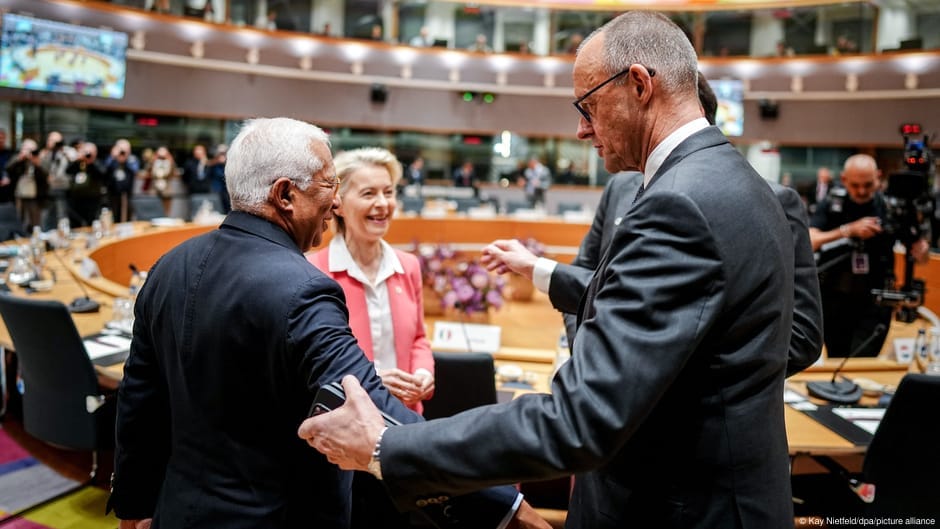
EU leaders ended budget talks early as disputes over spending, common debt, regional support and Ukraine financing blocked agreement on the 2028-2034 framework.

Kyiv sought to limit fallout from its Benghazi operation as Libyan authorities condemned the strikes and European governments split over the risks of geographic escalation.

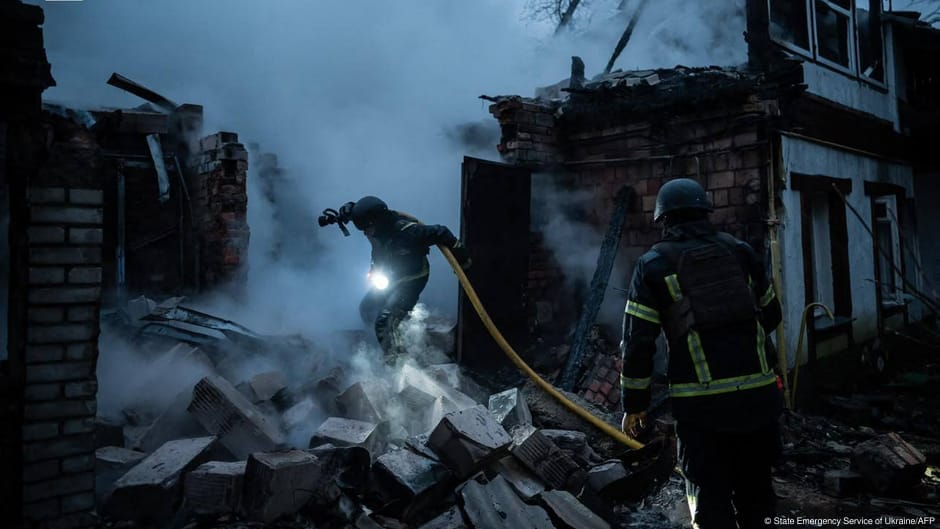
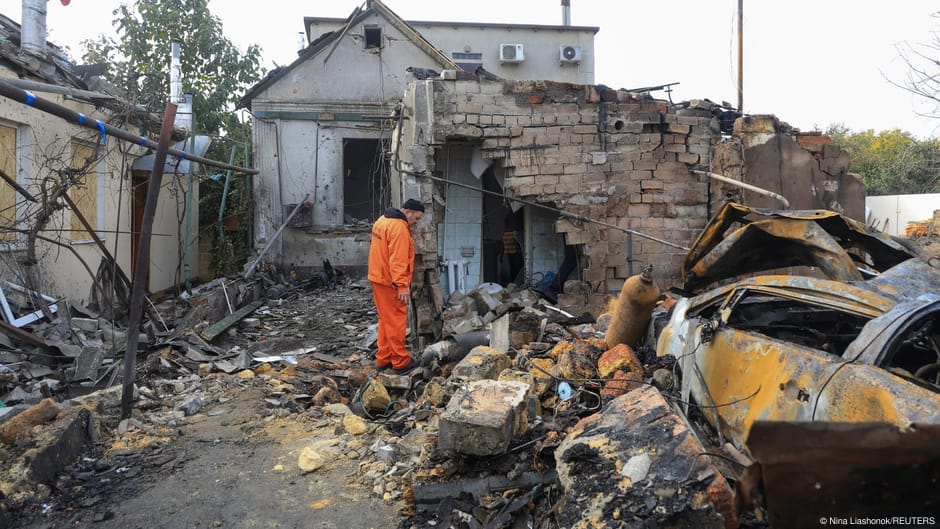
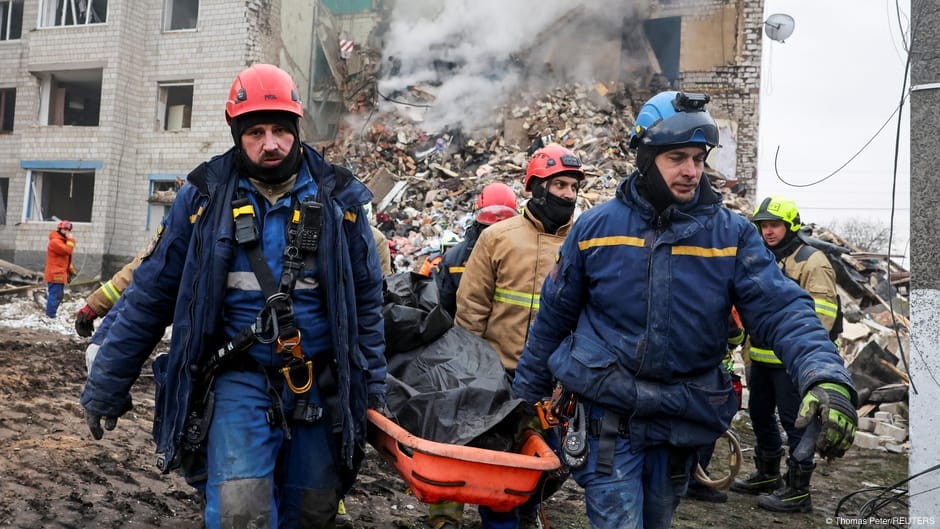
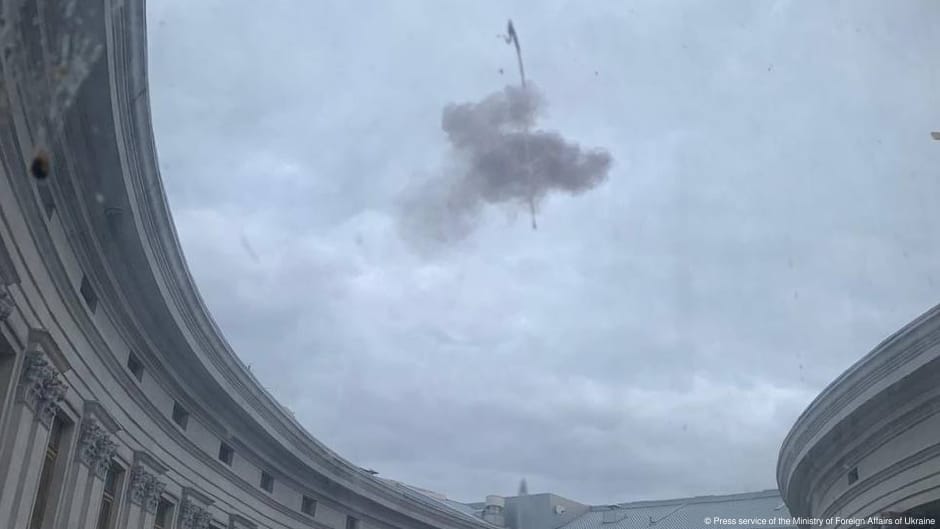
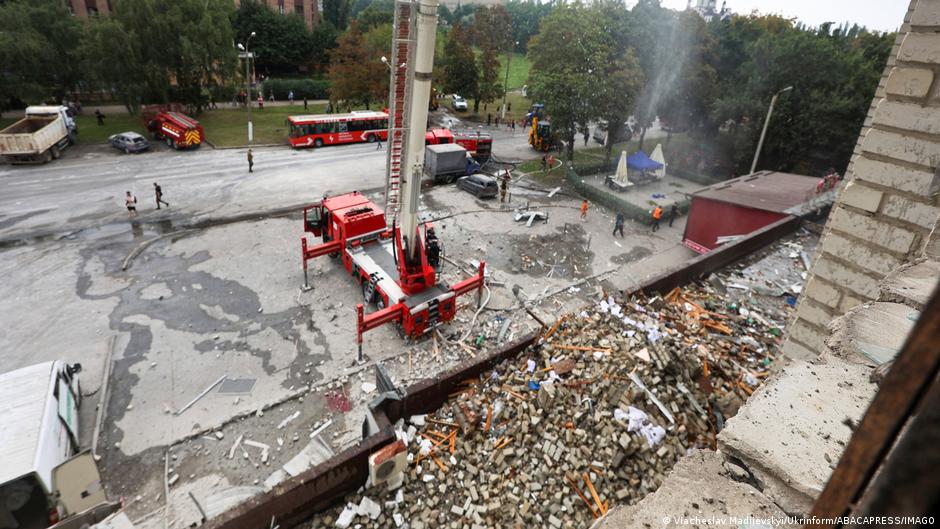
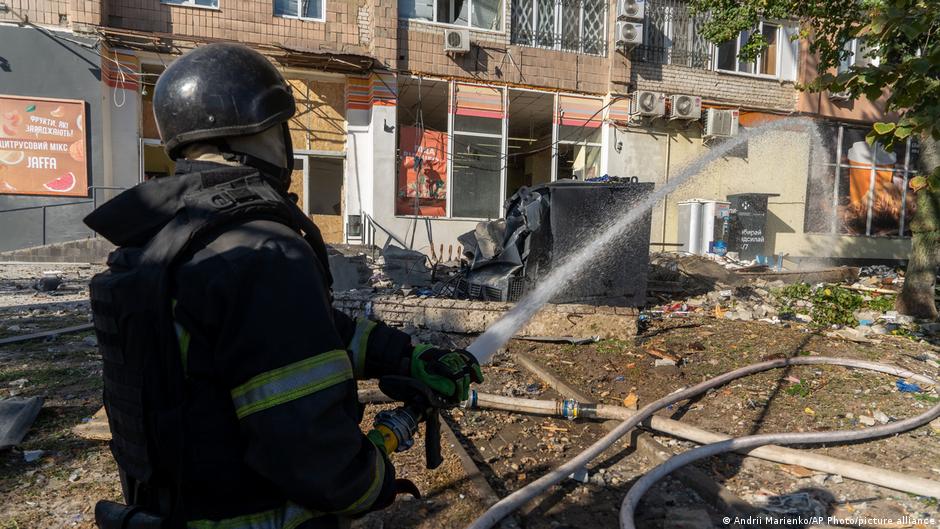
Strikes injured civilians and hit commercial, industrial, residential and critical infrastructure sites in Kyiv, Kharkiv and other Ukrainian regions.

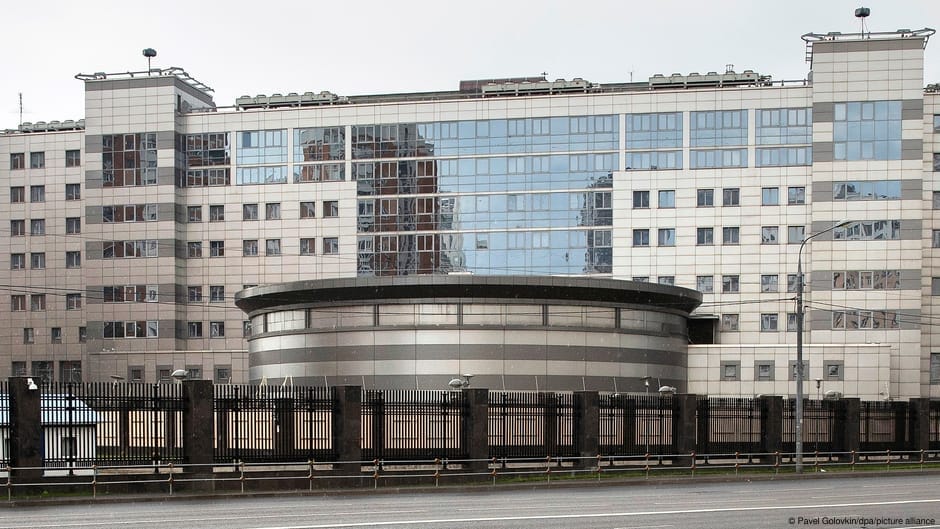
Lithuania is urging the EU to designate Russian military intelligence as a terrorist organization, potentially widening Europe’s security and economic response.

Russian attacks killed three people and damaged civilian assets as Ukraine imposed wider electricity restrictions affecting households and industry.

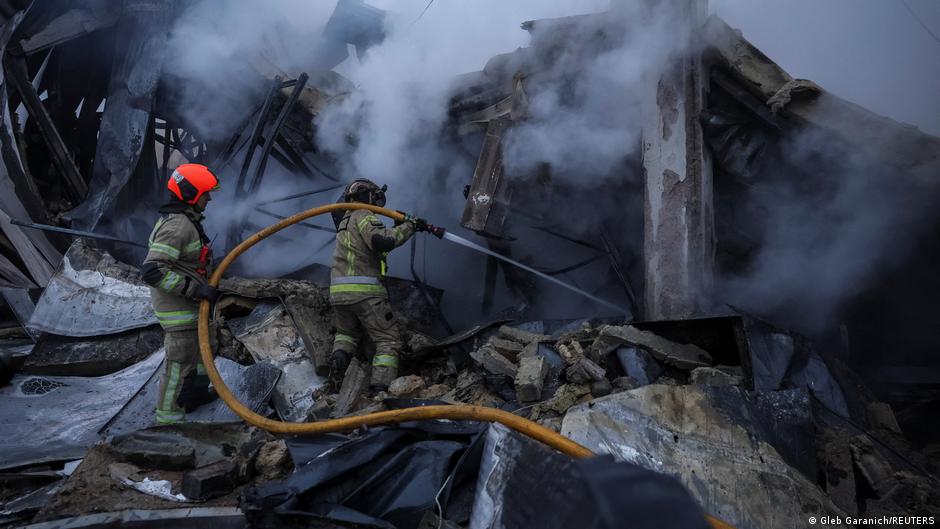
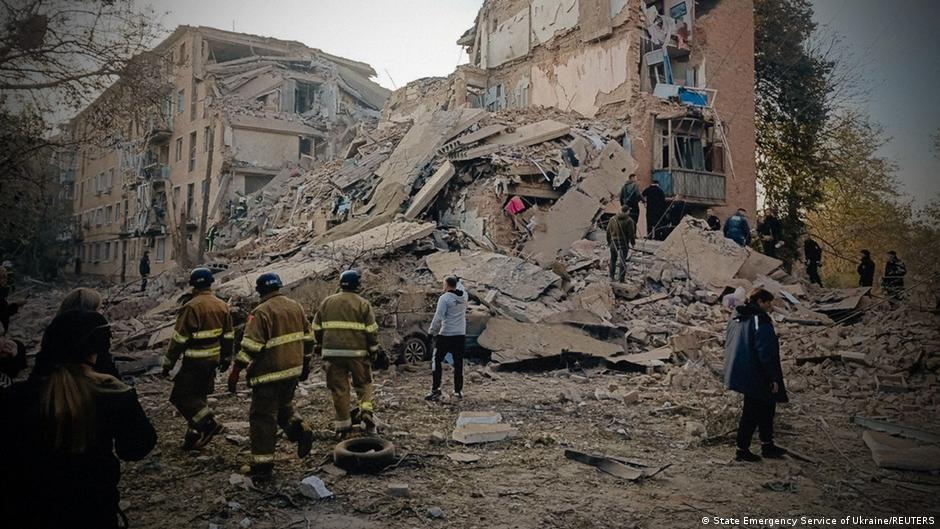
Russian attacks killed and injured dozens across Ukraine while damaging homes, shops, businesses and energy infrastructure in several regions.

Washington’s push for a Ukraine deal before Democrats take Congress could reshape military aid, European defense spending and reconstruction prospects.

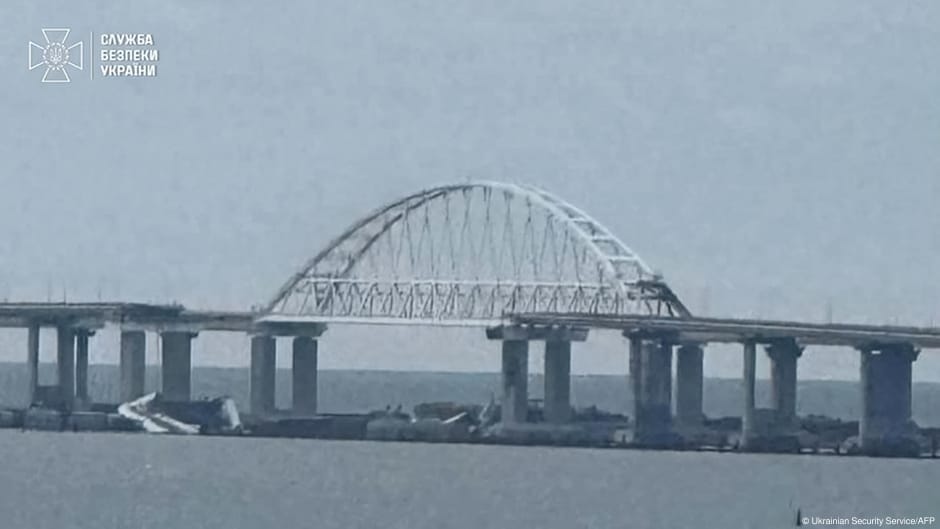
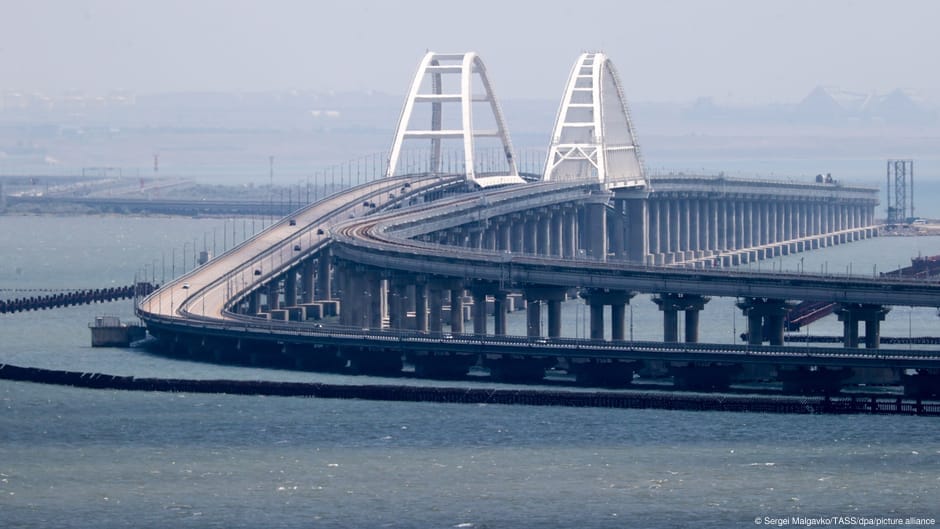
Zelensky says the Crimea Bridge will not survive, as severe damage threatens Russian logistics and creates a costly, uncertain reconstruction challenge.

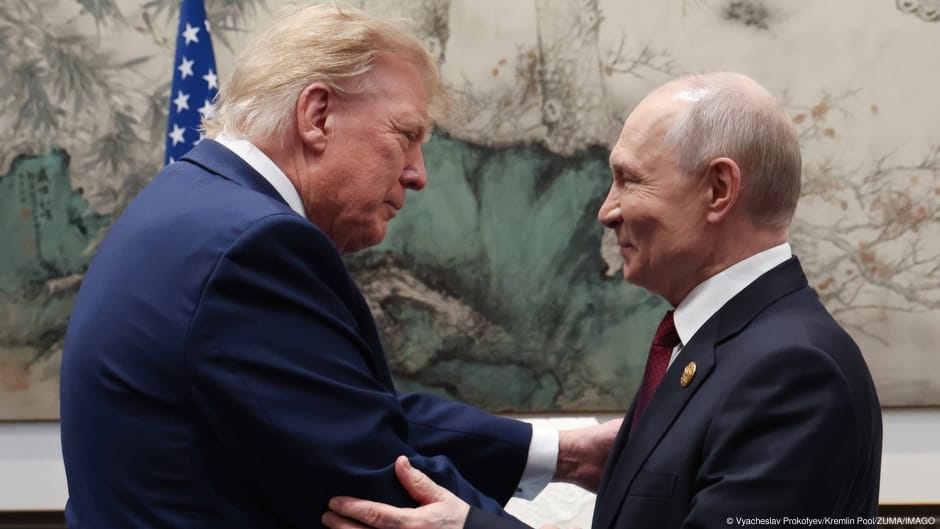
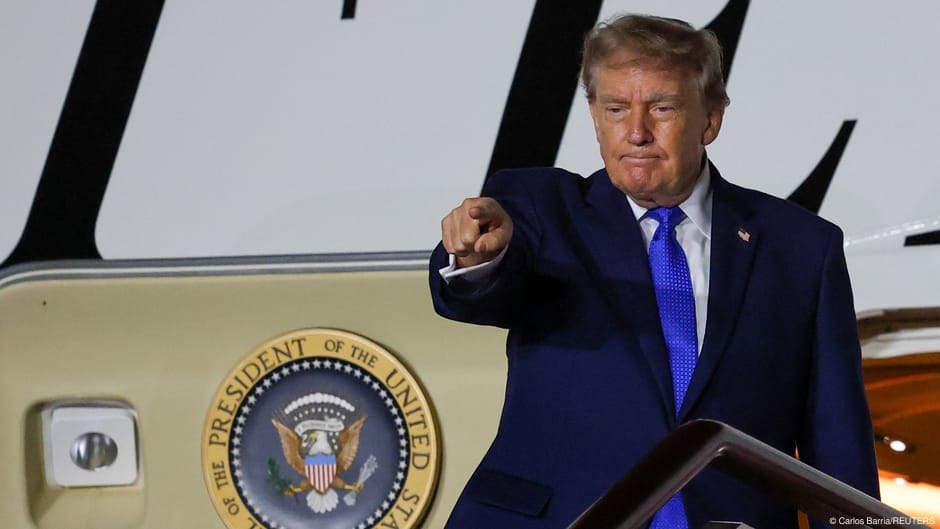
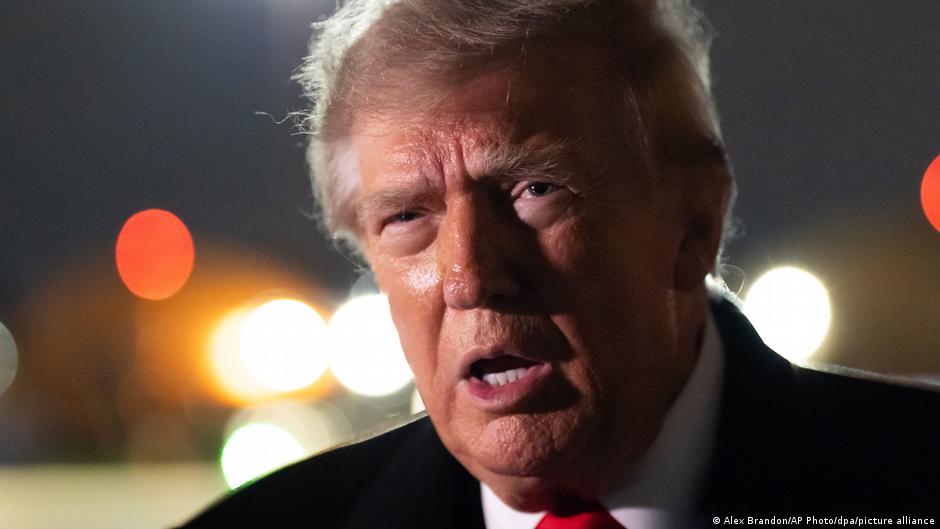
Trump backed Kyiv’s right to participate in decisions on the war as US, Chinese and Russian leaders opened a new but still inconclusive diplomatic channel.

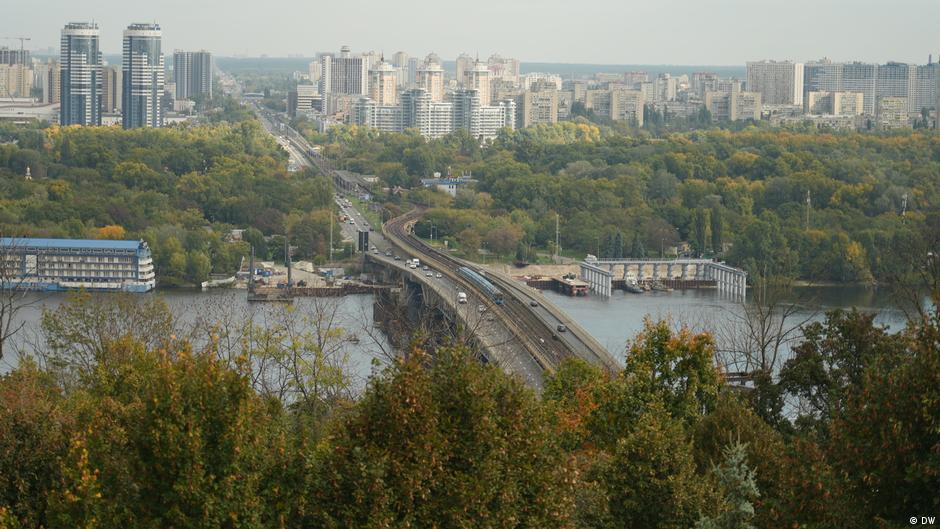
Russian missile strikes damaged Kyiv bridges and buildings, adding transport, fiscal and diplomatic pressures to Ukraine’s wartime economy.

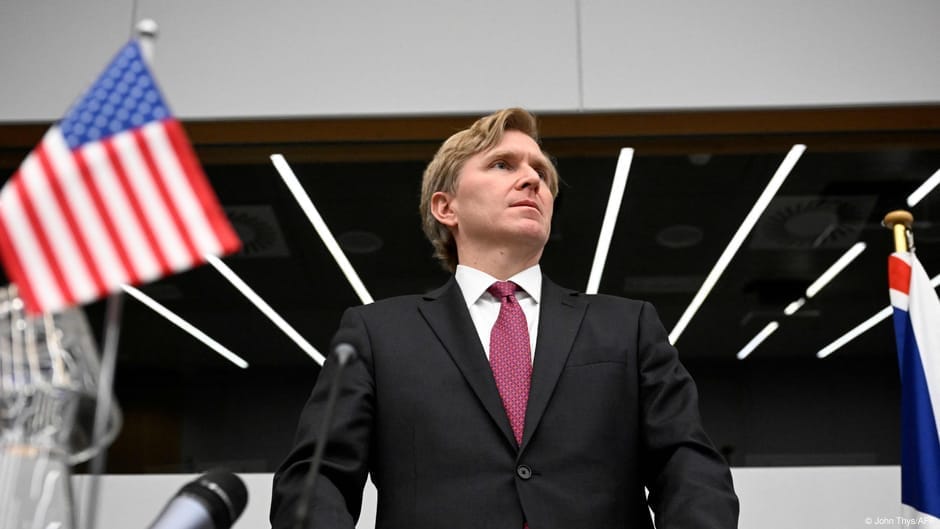
Elbridge Colby’s early departure from a NATO meeting exposes strategic divisions that could reshape European defense budgets and Ukraine’s reconstruction.

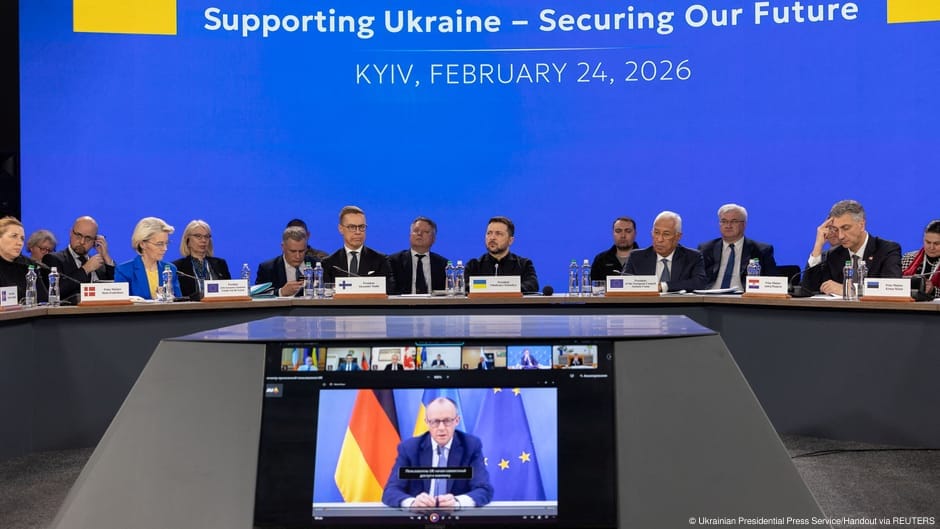
European leaders meeting in Berlin will link Ukraine’s negotiating leverage and air defense needs to Europe’s long-term fiscal and security outlook.

Strikes on bridges in Kyiv and the Kerch Strait highlight mounting risks to transport networks, public services, logistics and reconstruction budgets.

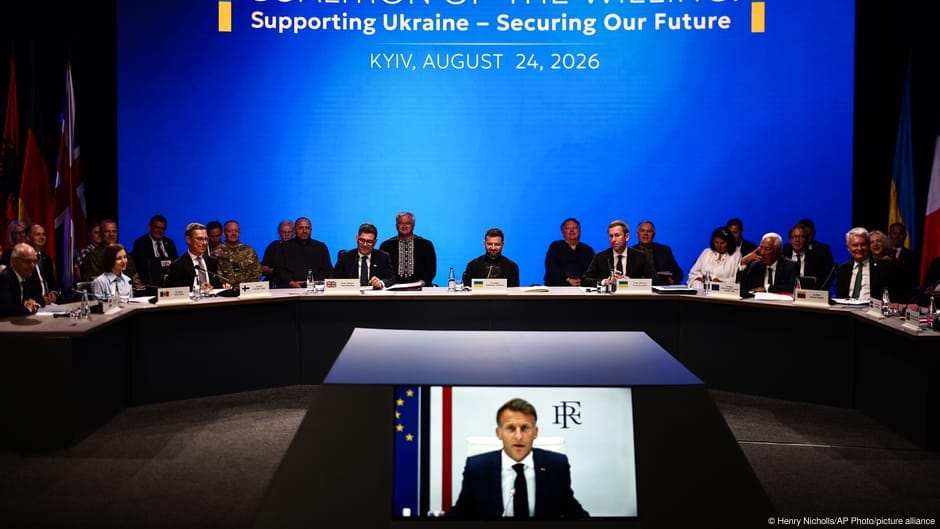
Kyiv wants a unified European position for potential talks with Russia while reviewing allied coalitions and seeking more energy and air-defense support.

Washington is bringing Europe into Ukraine peace talks, a shift with implications for regional security, public finances, investment and long-term economic risk.

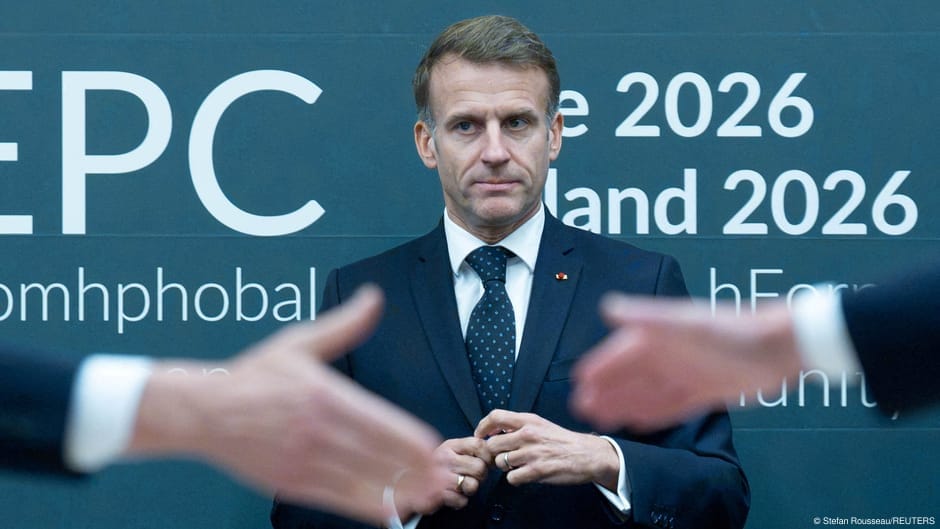
Macron casts Ukraine aid as long-term risk management as fiscal pressures in Poland and Bulgaria expose strains in Europe’s security financing.

Trump, Putin and Xi are set to open trilateral nuclear arms-control talks at APEC, while Ukraine is expected to remain outside the agenda.

Russia and Ukraine agreed to include European partners in the next peace talks, widening negotiations to cover postwar security as well as territorial issues.

Kyiv and Moscow discussed exchanging up to 3,000 prisoners as Abu Dhabi talks expanded toward energy, Black Sea security and possible leader-level negotiations.

The EU has extended its Ukraine military training mission through 2028, underscoring the shift toward sustained European defence spending and coordination.

Germany is linking agreement on a €45 billion EU contribution for Ukraine to progress on other financial decisions and the bloc’s next long-term budget.

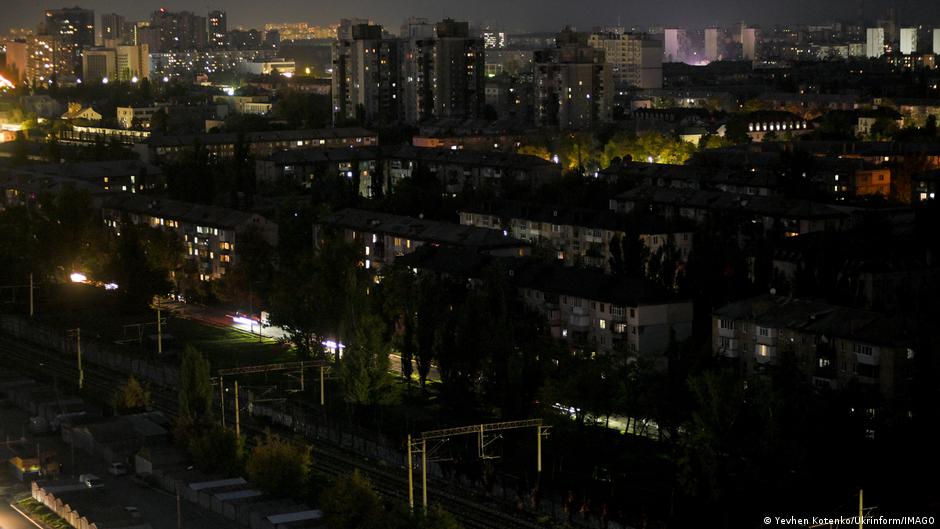
The dispute over Kyiv’s outages reveals how grid damage and strained coordination could magnify the economic costs of Russia’s attacks on Ukrainian energy infrastructure.

Zelensky expects Democratic control of Congress to bring stronger US financial and military support for Ukraine and closer coordination with Europe.

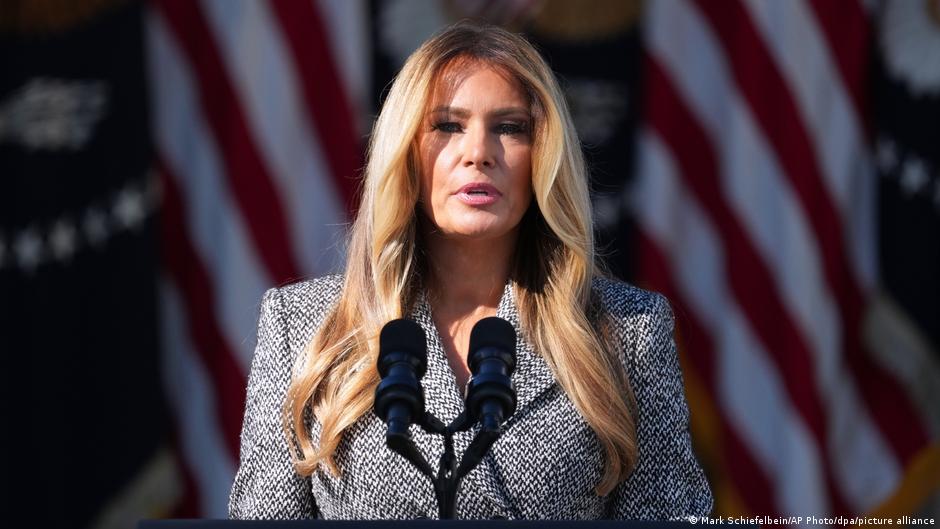
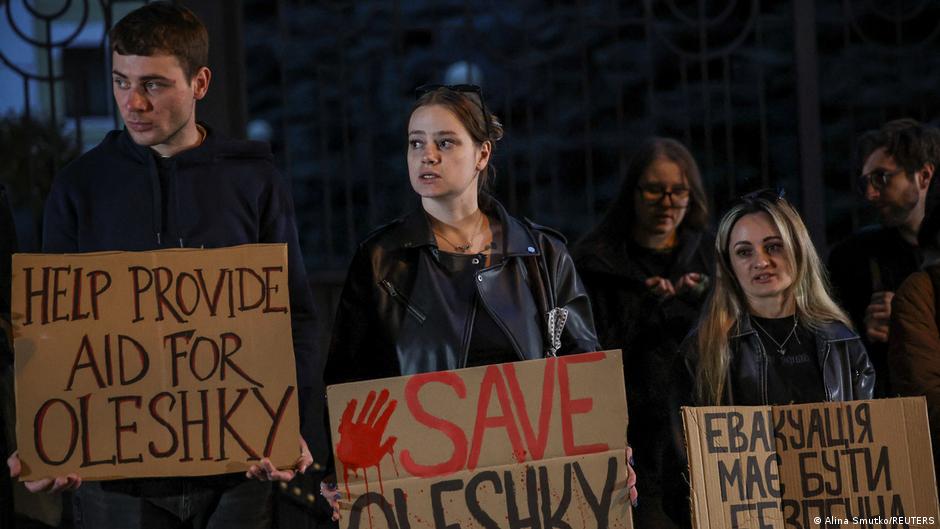
Melania Trump will meet Russian and Ukrainian representatives to review the Oleshky ceasefire and a humanitarian operation that evacuated hundreds of civilians.

US-mediated Russia-Ukraine talks in Abu Dhabi will link de-escalation and security guarantees with the long-term financing of Ukraine’s reconstruction.

False radiation and nuclear warnings in Ukraine and Russia exposed cybersecurity and confidence risks surrounding essential public alert infrastructure.

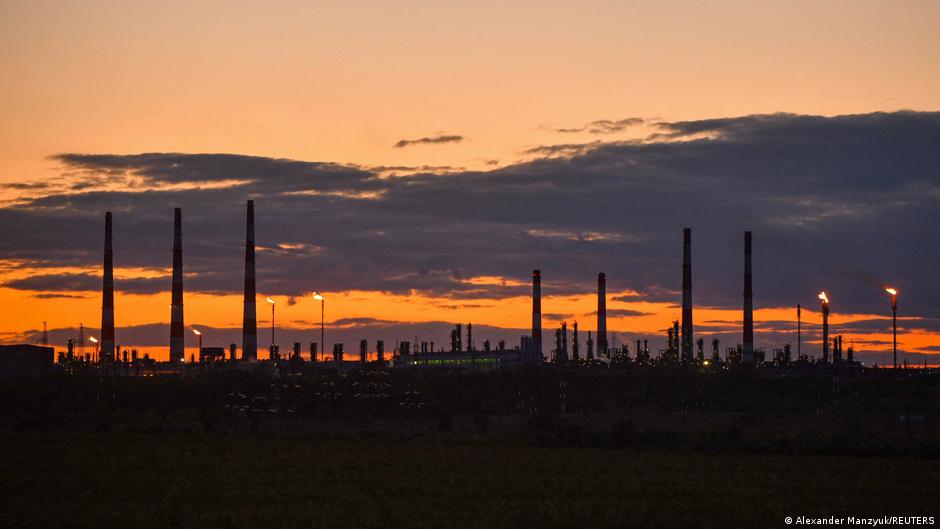
A US plan to restore Russian gas transit through Ukraine could ease European energy costs while testing sanctions and the EU’s 2027 phaseout strategy.

Russian strikes killed at least 20 people across Ukraine and damaged rail, warehouse, residential and industrial assets, intensifying economic pressures.

Ukraine’s reported refinery-strike pause shows how US electoral pressure, fuel prices and dependence on American technology are reshaping wartime strategy.

The Pentagon watchdog’s refusal to investigate Starlink disruptions intensifies debate over private control of critical defense communications.

A Russian drone strike injured four people in Kharkiv and damaged homes and a production building, adding to Ukraine’s human and economic burden.

Missile strikes on Kyiv and Kharkiv killed at least three people and injured 14, damaging homes and public infrastructure in two major Ukrainian economic centers.

A temporary Oleshky ceasefire enables aid and evacuation preparations while exposing the infrastructure, demining and displacement costs facing southern Ukraine.

Bulgaria faces a November 1 presidential runoff after low turnout and a close first round intensified uncertainty over security and foreign policy.

Trump says SpaceX restored Starlink access in Ukraine, highlighting the strategic risks of relying on privately controlled wartime infrastructure.

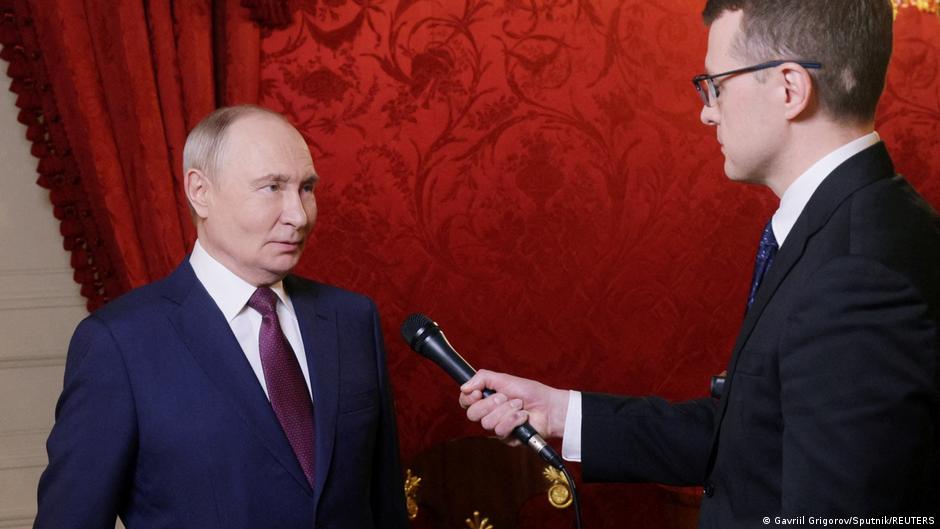
Putin backed US-mediated talks with Kyiv but rejected freezing the current front, leaving territorial disputes and war-related economic uncertainty unresolved.

A Russian ballistic missile strike killed a 21-year-old woman and damaged buildings and metro infrastructure, highlighting Kyiv’s continuing economic vulnerability.

Trump has postponed sweeping Russia-linked tariffs, citing Ukraine negotiations, Moscow’s limited support for Iran and risks to global diesel markets.

A reported US peace proposal linking renewed Russian gas sales to an end to the Ukraine war challenges Europe’s energy phaseout and security strategy.

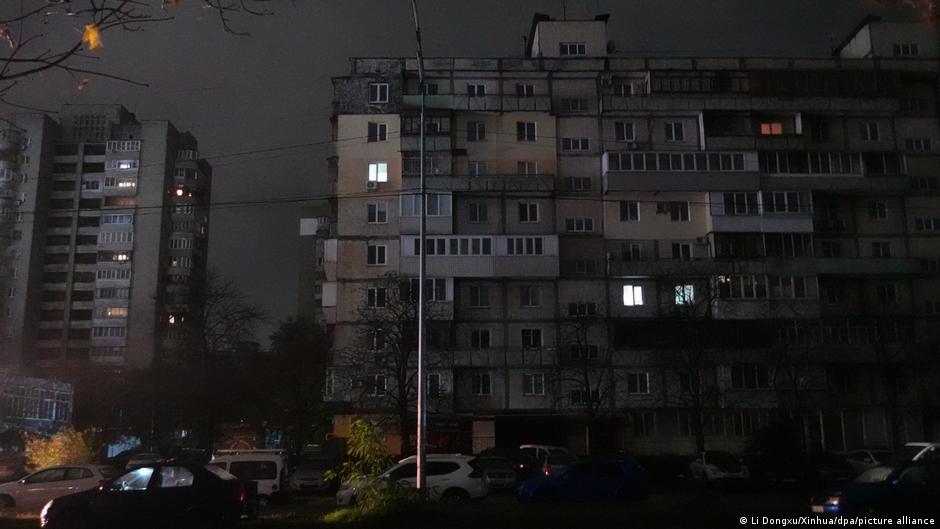
Power and water disruptions in Kyiv and Volyn highlight the mounting economic risks from attacks on Ukraine’s interconnected utility networks.

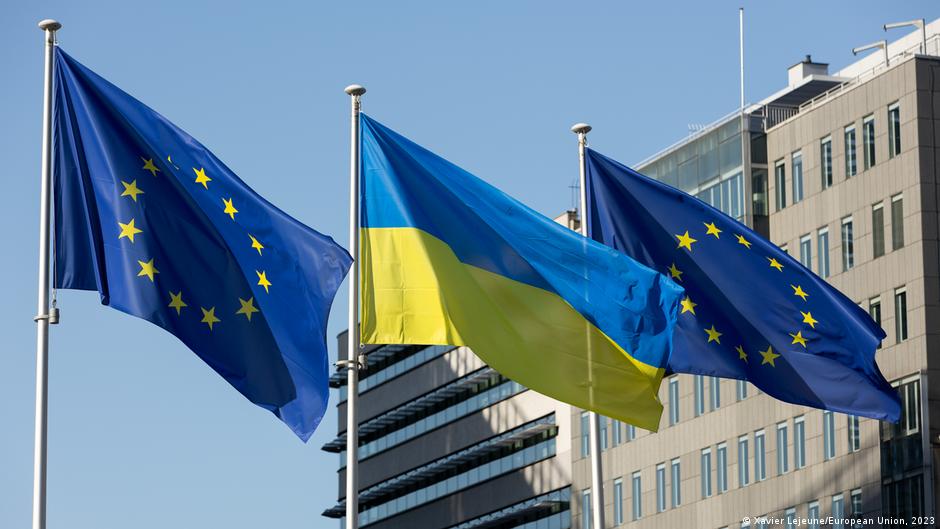
EU states agreed to open internal market and competitiveness accession clusters for Ukraine and Moldova, deepening economic integration talks.

Trump said Putin is more interested than Zelensky in a Ukraine peace deal as Kyiv urged U.S. pressure over an energy ceasefire.

Washington’s reported threat to block a Ukraine arms channel highlights the growing economic stakes of energy infrastructure strikes.

The EU plans new funding for Ukrainian drones and missiles as leaders prepare to discuss Kyiv’s financing needs and long-term support.

Zelensky warned that easing Russian diesel export limits without de-escalation would strengthen Moscow and risk prolonging the war.

Ukraine will discuss a new U.S.-linked peace proposal as Kyiv urges tougher sanctions on Russia and broader Starlink access.

Kyiv’s mayor urged temporary departures for residents with options elsewhere as intensified Russian strikes threaten water, heating and transport systems.

Ukraine says 28 people were killed in a Russian missile and drone barrage, renewing Kyiv’s warning that oil revenues and weak sanctions prolong the war.