EU Extends Ukraine Training Mission as Security Costs Become Structural
The two-year EUMAM extension and nearly €300 million allocation signal that Ukraine-related defence spending is becoming a durable EU commitment.
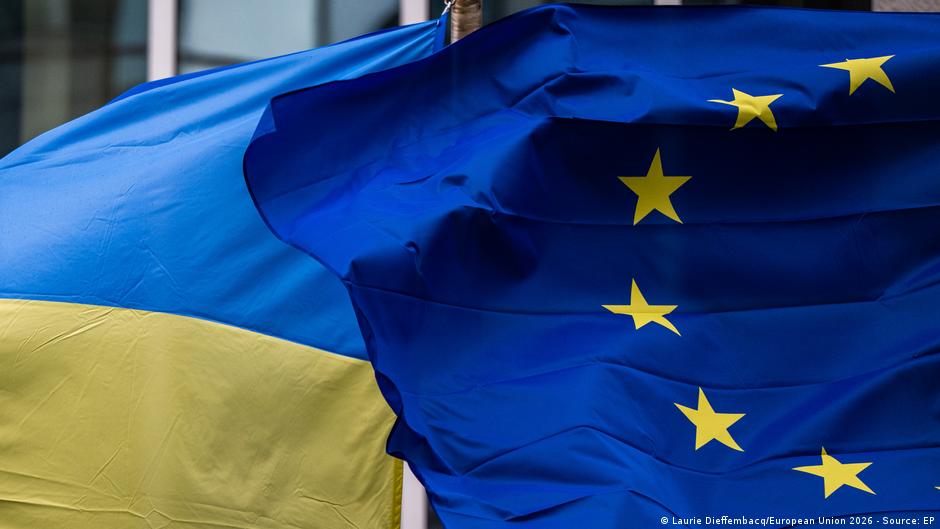
The European Union has extended its military training mission for Ukraine by another two years, reinforcing the shift in European security expenditure from emergency assistance toward a longer-term fiscal and institutional commitment.
The Council of the EU renewed the mandate of the European Union Military Assistance Mission in support of Ukraine, known as EUMAM, until November 15, 2028. Nearly €300 million has been budgeted for the mission over that period, according to a Council announcement published on Monday, November 9.
The decision matters beyond the immediate military context. For European governments, sustained support for Ukraine is increasingly becoming a structural component of public spending, defence procurement and industrial planning. Extending EUMAM through 2028 gives policymakers, armed forces and suppliers a longer horizon for allocating personnel, equipment and training capacity.
The EU will also establish a mission representation in Ukraine to improve coordination with the country’s authorities and military. The mission’s scope will be expanded to place greater emphasis on lessons learned from combat and on strengthening military training in support of Ukraine’s defensive capabilities.
Security support moves onto a longer fiscal horizon
EUMAM was established in October 2022 to help develop Ukraine’s military capacity so that the country could defend its territorial integrity and sovereignty and protect civilians from Russia’s armed aggression. Since its creation, the mission has trained more than 100,000 Ukrainian service members in EU countries at Kyiv’s request.
The extension indicates that the bloc expects training requirements to continue even as the character of those requirements evolves. Incorporating battlefield experience into instruction could make the programme more responsive to operational developments while creating a continuing feedback loop between Ukraine’s experience and European military planning.
EUMAM will continue working with partner countries outside the EU, including the United States, the United Kingdom, Canada and Norway. Coordination will also continue with NATO and the international Coalition of the Willing. This broader framework spreads operational responsibilities across multiple partners, but it also increases the importance of common planning and avoiding duplicated expenditure.
The nearly €300 million allocation should be viewed alongside substantially larger European financing commitments. At the end of September, EU foreign policy chief Kaja Kallas said member states had agreed to unblock €6.6 billion from the European Peace Facility. Hungary had vetoed the release of those funds since 2023.
Of that amount, €4.7 billion is intended to reimburse EU countries for weapons and ammunition already supplied to Ukraine. A further €1 billion is designated for joint purchases of new weapons, while €900 million is earmarked to finance EUMAM. Together, these allocations combine reimbursement for past deliveries with funding for future procurement and training.
Defence finance increasingly intersects with EU economic policy
The European Commission also transferred €4.36 billion to Kyiv on November 5 under the Ukraine Support Loan programme. That payment included €658 million allocated for Ukraine’s defence needs.
For senior economic decision-makers, the sequence of measures illustrates how support for Ukraine now spans several EU financing channels rather than a single temporary instrument. Training budgets, reimbursements, joint weapons procurement and lending are becoming interconnected elements of the bloc’s policy response.
This creates longer-term consequences for national budgets and European industrial capacity. Reimbursements may ease the immediate burden on member states that have already supplied equipment, while joint purchasing can aggregate demand and potentially influence the scale and timing of defence production. At the same time, multi-year commitments reduce policymakers’ flexibility to treat security spending as a short-lived shock.
The EU’s approach also connects wartime assistance with planning for Ukraine’s postwar security. On November 9, the first joint military exercises by members of the Coalition of the Willing began in Poland under French and British leadership. About 2,800 service members from 11 countries, including Germany, are participating.
The exercises, scheduled to continue through November 22, are intended to test mechanisms for ensuring Ukraine’s long-term security after the war ends. Their timing, alongside the EUMAM extension, points to an emerging policy framework in which European governments prepare simultaneously for Ukraine’s present defence needs and for security arrangements extending beyond active hostilities.
Economically, that framework suggests defence expenditure will remain prominent in European fiscal debates through the second half of the decade. The extension to 2028 provides a clear signal that training, coordination and military capacity-building are being incorporated into the EU’s medium-term planning rather than managed exclusively through short-term crisis decisions.



