Trump Says Putin More Interested Than Zelensky in Ukraine Peace Deal
The U.S. president’s remarks on an energy ceasefire dispute highlight uncertainty over Washington’s leverage and the economic risks of prolonged war.
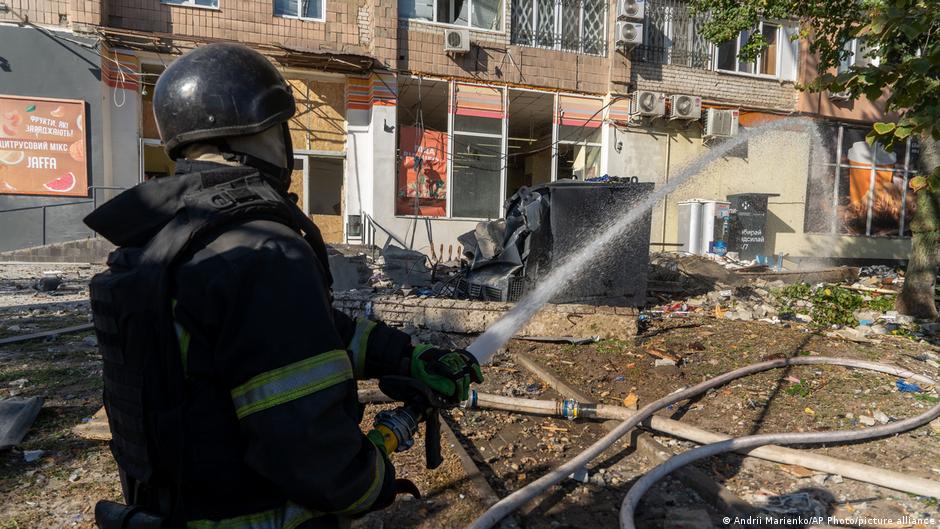
U.S. President Donald Trump said Russian President Vladimir Putin is more interested than Ukrainian President Vladimir Zelensky in reaching a peace agreement over Ukraine, even as questions mounted over Russia’s alleged violation of an energy ceasefire announced by Trump himself.
Speaking to reporters late Monday night, ahead of Tuesday, October 13, Trump was asked how he saw signs of Putin’s willingness to compromise while Russia continued to attack Ukraine. “I think they will make a deal. I really think Putin is more interested than Zelensky in making a deal,” the U.S. president replied.
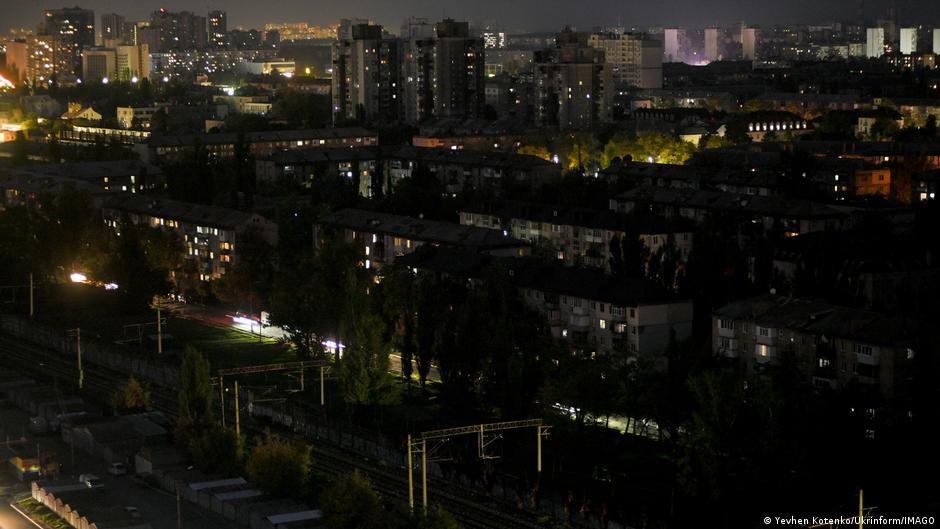
The comment places Washington’s diplomatic posture under close scrutiny at a moment when the war’s energy dimension remains central to both Ukraine’s economic resilience and the broader security calculus in Europe. Attacks on energy facilities have repeatedly strained Ukraine’s power system, raising costs for reconstruction, public services and industrial recovery while adding pressure on Kyiv’s Western backers.
Energy Ceasefire Becomes a Test of U.S. Leverage
Trump’s remarks came in response to questions about Russia’s breach of the energy ceasefire in the war against Ukraine. The ceasefire had been described publicly by Trump, but Ukraine has said Moscow has not met the conditions associated with it.
Asked about Putin violating the energy truce, Trump said the situation first needed to be examined because, in his words, “there were violations on both sides.” When pressed on how he intended to ensure that the Russian president complied with the energy ceasefire, Trump said he believed Putin wanted an agreement and that Zelensky needed to be persuaded to move toward one.
“I think they will make a deal. I really think Putin is more interested than Zelensky in making a deal,” Trump said.
For senior economic decision-makers, the dispute over the ceasefire is significant not only as a military or diplomatic episode, but as a signal about the durability of any future de-escalation framework. Energy infrastructure is a core economic asset, and uncertainty over whether it can be protected directly affects fiscal planning, reconstruction financing, insurance risk, electricity supply and private-sector confidence in Ukraine.
It also matters for Europe. A prolonged conflict with recurring attacks on critical infrastructure can keep regional energy risk premia elevated, complicate long-term investment decisions and increase the fiscal burden on governments supporting Ukraine. Even limited ceasefire arrangements, if credible, could reduce humanitarian and economic damage. If they are disputed or unenforced, they may instead deepen uncertainty.
Zelensky Urges U.S. Pressure on Russia
Earlier, Ukrainian President Vladimir Zelensky called on the United States to influence Russia so that it would begin observing the ceasefire regime in the energy sector. Speaking at the Warsaw Security Forum, he said: “We are waiting to see what concrete steps the Americans are ready to take.”
According to Zelensky, Kyiv was very surprised on October 11 by social media reports that all attacks on energy facilities in Russia’s war against Ukraine would be stopped immediately. He noted that directly after the publication of that statement, Russia struck a thermal power plant in Kharkiv, causing additional damage to Ukraine’s energy system.
On the evening of October 12, Zelensky wrote on Telegram that Ukraine had supported the energy ceasefire. He said Kyiv’s position was “absolutely clear”: Ukraine was ready to guarantee an energy ceasefire as announced by the U.S. president, and Russia had to take corresponding steps. He added that, at that point, there was no evidence that Russia was fulfilling the conditions announced by Trump.
Zelensky also wrote that much depended on the U.S. position if de-escalation was to work, and that pressure on Russia was necessary. He said Ukraine continued to negotiate with the American side at all levels.
The exchange underscores a policy tension with economic consequences. Trump’s framing suggests a belief that Putin is prepared to negotiate and that pressure may need to be applied to Kyiv to secure a deal. Zelensky’s public position is different: Ukraine says it accepted the energy ceasefire and is looking to Washington to compel Russia to comply.
That divergence could affect the pace and credibility of diplomacy. If Washington emphasizes deal-making without a clear enforcement mechanism for energy infrastructure, markets and governments may remain cautious about assuming any durable reduction in war risk. Conversely, a verifiable halt to attacks on energy facilities would be an economically meaningful confidence signal, especially for Ukraine’s battered infrastructure system and for international partners weighing long-term commitments.
The immediate issue is therefore larger than whether one ceasefire provision was breached. It is about whether the United States can translate its stated role into a framework that changes battlefield incentives, protects critical infrastructure and lowers the economic cost of the war. For now, Trump says he believes a deal is possible and that Putin wants one. Kyiv says Russia has not yet complied with the energy ceasefire and that American pressure remains decisive.