EU Budget Split Exposes Deep Divisions Over Growth, Taxes and Fiscal Restraint
European leaders deferred a seven-year budget deal as governments clashed over spending cuts, shared taxes and the bloc’s economic priorities.
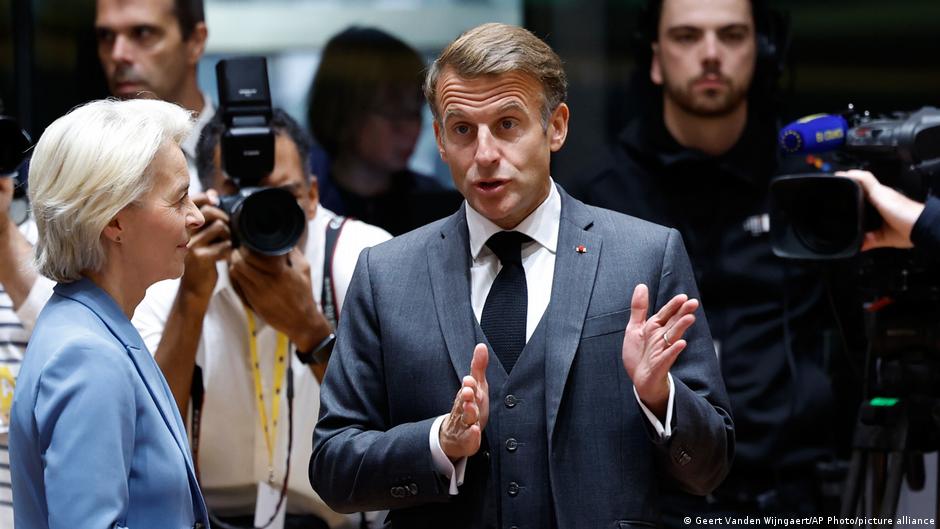
European Union leaders failed to reach agreement on the bloc’s next seven-year budget during the first day of their summit in Brussels, exposing a widening dispute over fiscal restraint, investment priorities and the future financing of common European policies.
Negotiations produced no breakthrough and are expected to resume in December, AFP reported, citing sources in Germany’s federal government. The sources described contentious discussions among EU heads of state and government, reflecting positions that had already been established before the summit began.
The central division pits a group of fiscally conservative member states against governments seeking a larger common budget. Germany, Austria, Sweden, Denmark, the Netherlands and Finland are calling for savings. France, Spain and Poland, by contrast, support increasing the EU’s spending capacity.
For senior economic decision-makers, the disagreement extends beyond the overall size of the budget. It concerns how Europe intends to balance national fiscal pressures with collective investment at a time when competitiveness, technological development, security and geopolitical influence are increasingly interconnected.
Proposed Cuts Target Strategic Spending
The European Commission presented a draft long-term budget of nearly €2 trillion during the summer. Ireland, which holds the rotating presidency of the Council of the EU, subsequently proposed reducing that amount by €140 billion, or approximately 8%.
The Irish proposal would cut EU expenditure in areas including competitiveness, scientific research, defense and foreign policy. Those categories are closely tied to the bloc’s long-term productive capacity and strategic autonomy, making the proposed reductions economically significant even if they ease the immediate financing burden on national governments.
A smaller budget could limit the EU’s ability to support cross-border investment and coordinate responses to structural economic challenges. At the same time, governments advocating restraint are signaling concern about expanding common expenditure when member states already face competing domestic demands and pressure to control public finances.
“Substantially” reduce the budget proposed by the European Commission.
German Chancellor Friedrich Merz used that formulation before negotiations began. He also categorically rejected allocating additional money to two of the EU’s largest traditional spending areas: agriculture and cohesion policy.
That stance indicates that the debate is not simply between established programs and newer strategic objectives. Governments must also determine whether savings should come from traditional transfers, emerging priorities such as defense and research, or the overall scale of the budget. Each option carries different consequences for regions, industries and national economies.
France Pushes EU-Wide Revenue Sources
France sought to change the financing equation by advocating new EU-wide levies that could enlarge the budget without increasing direct contributions from member states. The measures discussed included charges on digital services, cryptoassets and online gambling.
Such revenue sources would represent a policy shift toward greater reliance on common European taxation. Economically, they could give the EU more independent financing capacity and reduce the visible pressure on national contributions. They would also affect rapidly evolving sectors whose activities frequently cross national borders, potentially strengthening the case for coordinated regulation and taxation.
However, the proposal introduces another layer of negotiation. Agreement would be required not only on expenditure levels but also on the design and distributional impact of new levies. Member states may assess the measures differently depending on the size of their digital markets, exposure to cryptoasset activity and existing national tax systems.
The inability to settle the budget on the summit’s first day therefore reflects competing models for Europe’s economic governance. One approach emphasizes tighter expenditure and limits on the EU’s financial reach. Another seeks a larger common fiscal capacity supported by new revenue instruments rather than higher national payments.
Electoral Calendar Raises the Cost of Delay
The next EU summit is scheduled for December, and many of the bloc’s 27 member states want the long-term budget approved before the end of the year. Their urgency is partly driven by the 2027 electoral calendar, when eurosceptic and populist forces could come to power in several countries.
In France, far-right politician Marine Le Pen could win the presidential election. President Emmanuel Macron has warned that reaching an EU budget agreement would be difficult under that scenario, according to AFP.
The prospect of political change creates a narrowing window for compromise. A delay into 2027 could alter the negotiating balance, increase uncertainty over the scale of future EU programs and complicate planning for governments, research institutions, defense suppliers, regions and businesses that depend on multi-year European funding frameworks.
Austrian Chancellor Christian Stocker did not rule out negotiations continuing into next year. That possibility underscores the gap between the desire for an early agreement and the scale of the unresolved policy choices.
The December summit will consequently test whether EU governments can reconcile national demands for restraint with ambitions for competitiveness, research, defense and international influence. The outcome will help determine not only how much Europe spends over seven years, but also whether the bloc moves toward stronger common financing or remains constrained by divergent national fiscal preferences.