EU Budget Split Exposes Deep Divisions Over Growth, Taxes and Fiscal Restraint
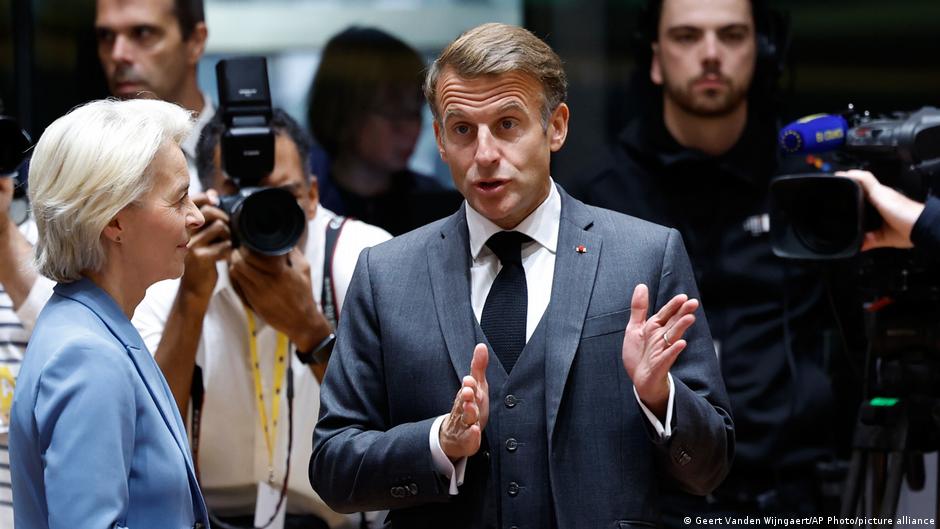
EU leaders postponed a seven-year budget deal amid disputes over spending cuts, strategic investment and proposed bloc-wide levies.

EU leaders postponed a seven-year budget deal amid disputes over spending cuts, strategic investment and proposed bloc-wide levies.

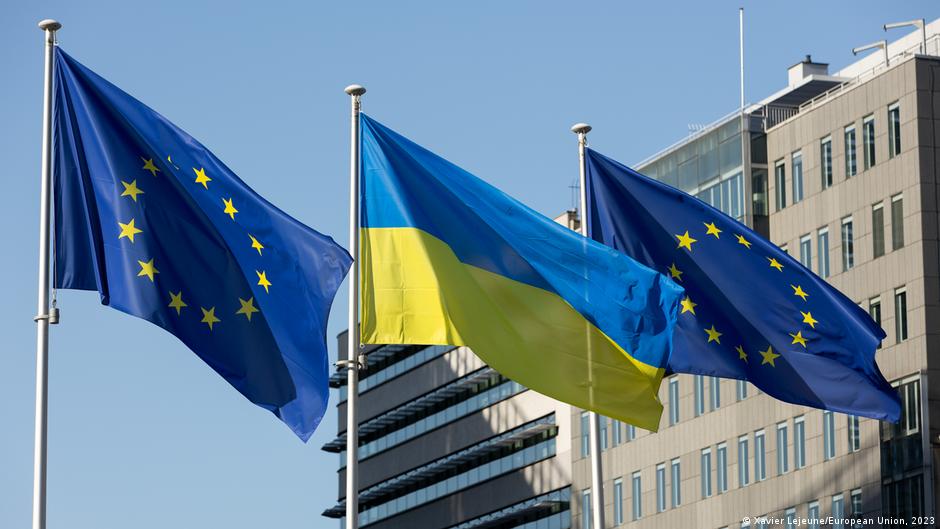
EU states agreed to open internal market and competitiveness accession clusters for Ukraine and Moldova, deepening economic integration talks.

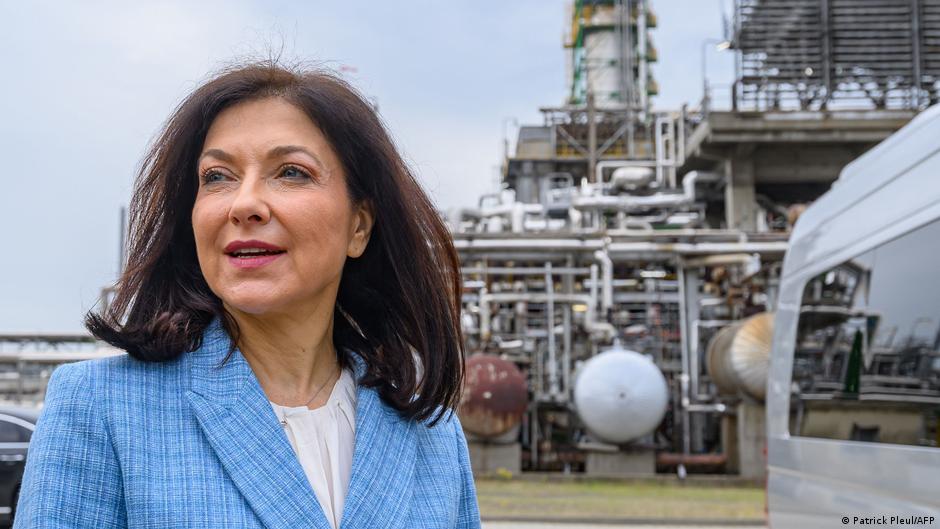
Katherina Reiche warned that Left Party gains in Berlin could weaken Germany’s investment appeal and raise concerns over property rights.

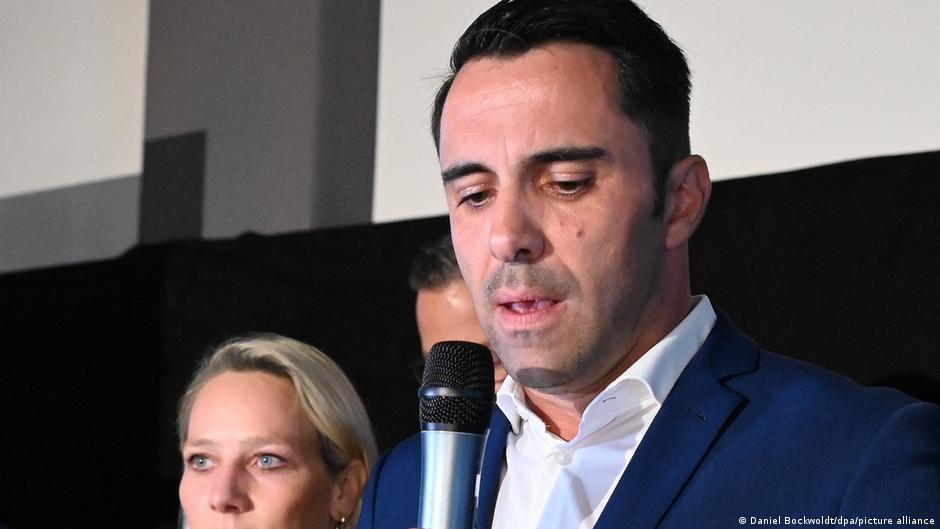
Daniel Peters resigned after the CDU won 4.9 percent in Mecklenburg-Western Pomerania, missing a state parliament for the first time.

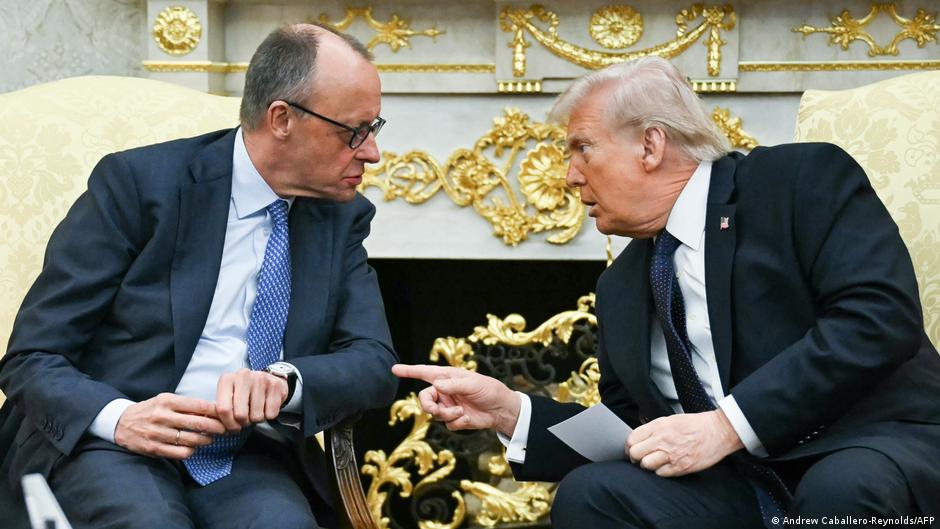
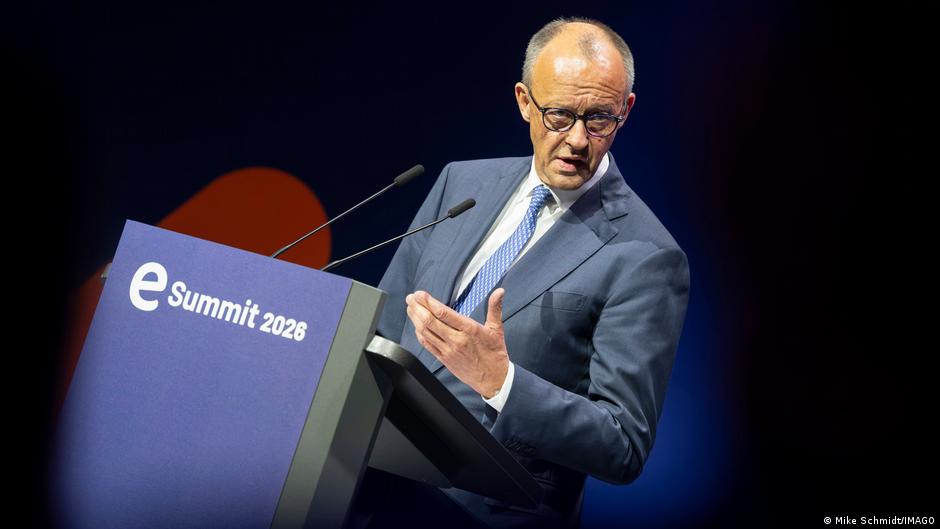
Friedrich Merz says unconditional transatlantic friendship may be over, framing U.S.-German tensions as a strategic test for Germany’s economy.

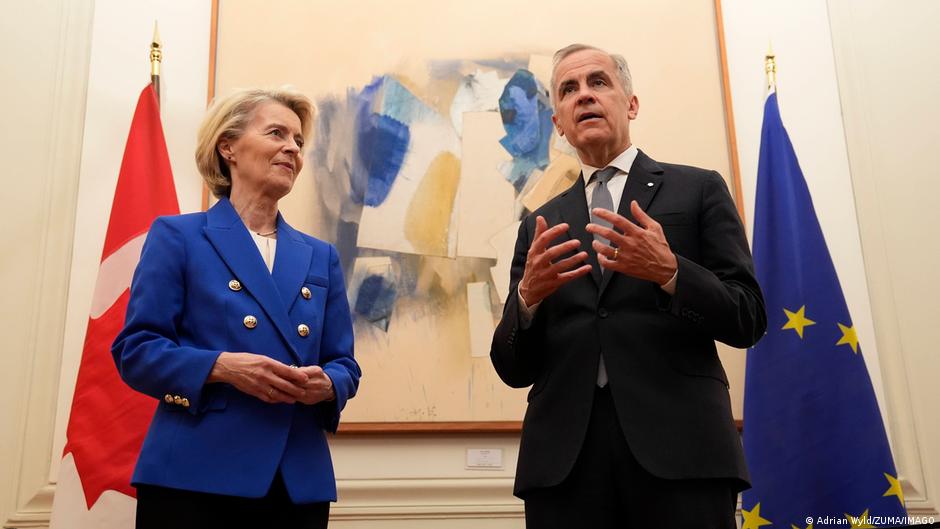
Canada is in talks to join the EU’s €90 billion Ukraine loan as Ottawa seeks deeper ties with Europe and less dependence on the United States.

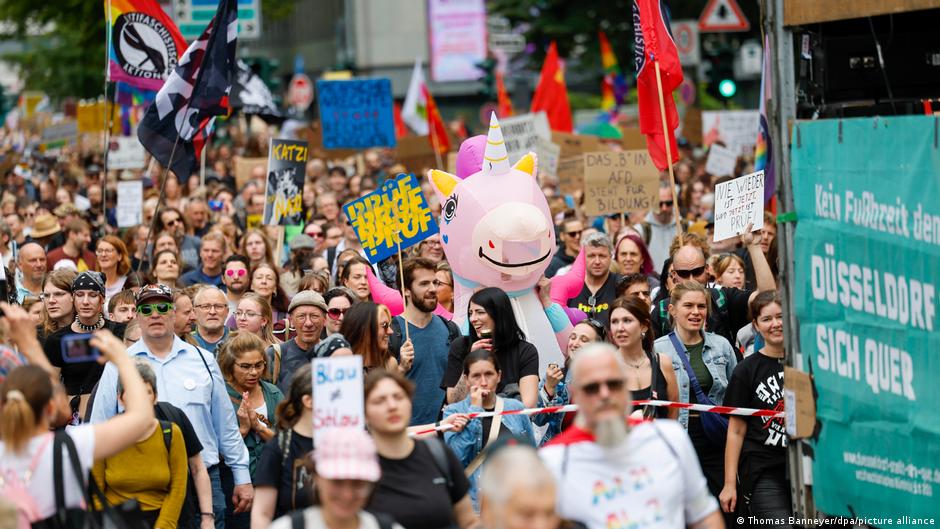
Mass protests across Germany reveal mounting political strain as the AfD gains ground and debate intensifies over bans and cooperation barriers.

Russia is expected at G20 energy talks in Houston as governments weigh energy security, sanctions and Red Sea risks.

AfD’s strong Saxony-Anhalt result drew sharp reactions from Poland, France and the Czech Republic, raising wider EU policy concerns.

Germany is preparing a broad anti-sabotage shield against Russian hybrid threats, with new drone defenses, cyber monitoring and roles for critical infrastructure firms.

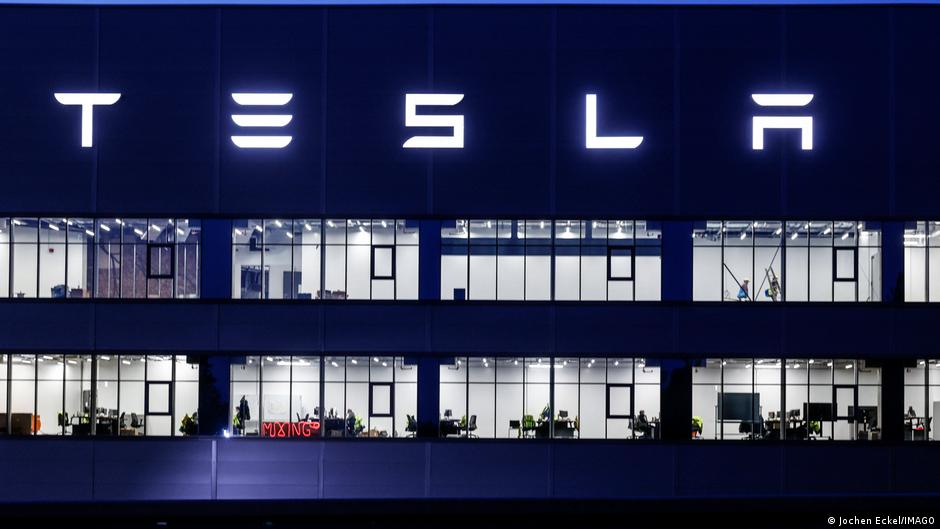
Germany’s foreign investment rose to 86 billion euros in 2025, with EU capital dominant, U.S. inflows falling sharply and UK investment surging.

In 2025, Germany’s wage gap between German and foreign full-time workers stood at 23.6%, reflecting ongoing labor market inequalities and the need for policy reforms.

Hungary blocks Ukraine from opening key EU accession negotiation clusters, complicating regional enlargement efforts and delaying economic reforms.
Former Spanish PM Rajoy's remarks questioning the Frenchness of France's football team ignite political backlash and debates on national identity in Spain and France.

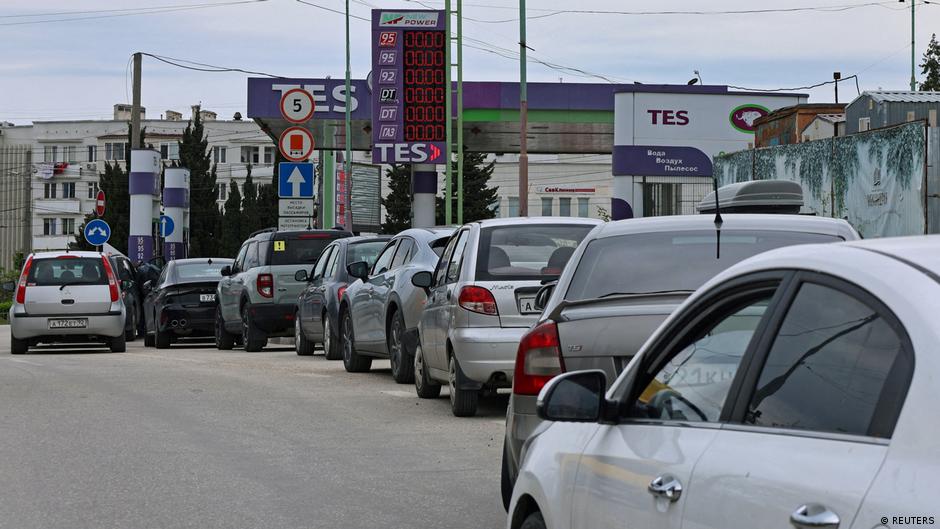
Fuel prices in Crimea have surged nearly 80% in one week amid Russia’s export restrictions and supply shortages, signaling broader energy market challenges and policy shifts.

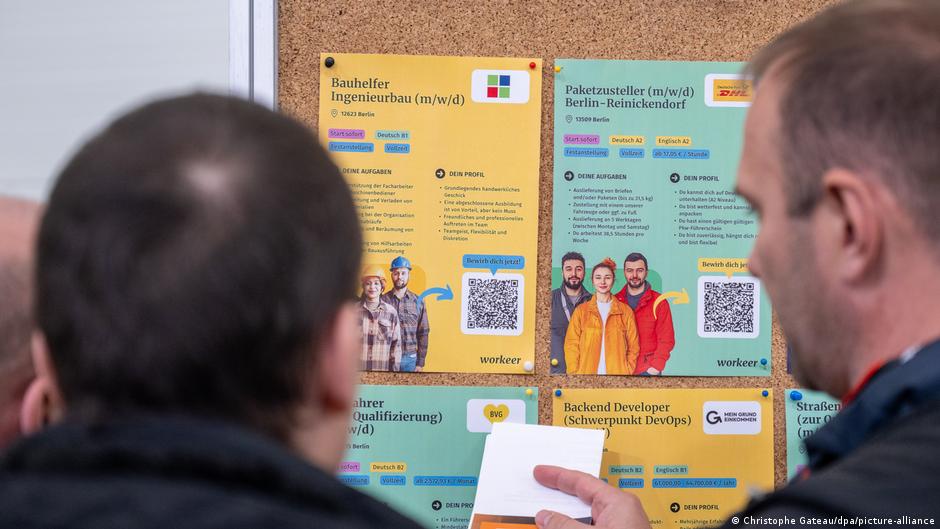
Germany's labor shortage is set to rise to 4.3 million by 2036 due to baby boomer retirements and reduced immigration, challenging economic growth and social welfare sustainability.

The U.S. House approved $70 billion funding for immigration enforcement agencies, reflecting critical policy shifts with significant global economic and geopolitical implications.

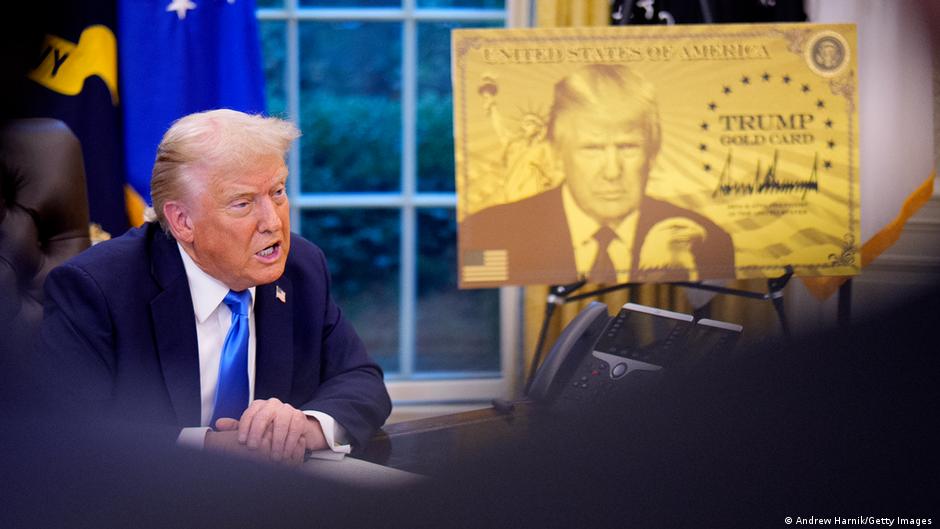
A U.S. federal judge has struck down the Trump administration's $100,000 fee on H-1B visas, ruling it an illegal executive overreach, impacting immigration and tech labor markets.

Friedrich Merz’s circle denies plans for his early replacement amid CDU rumors, highlighting risks to political stability and economic policy continuity in Germany.

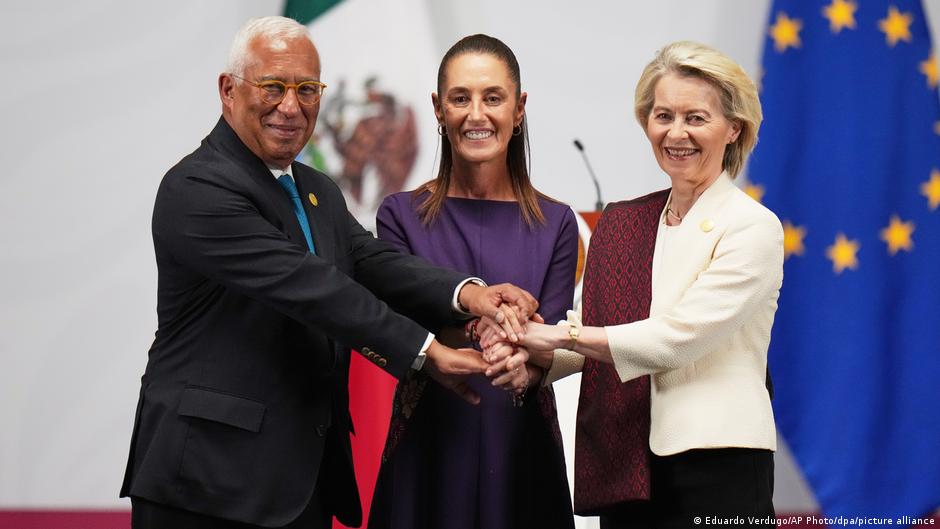
The EU and Mexico have signed a comprehensive trade agreement removing nearly all tariffs and enhancing bilateral trade and investment by 2030.

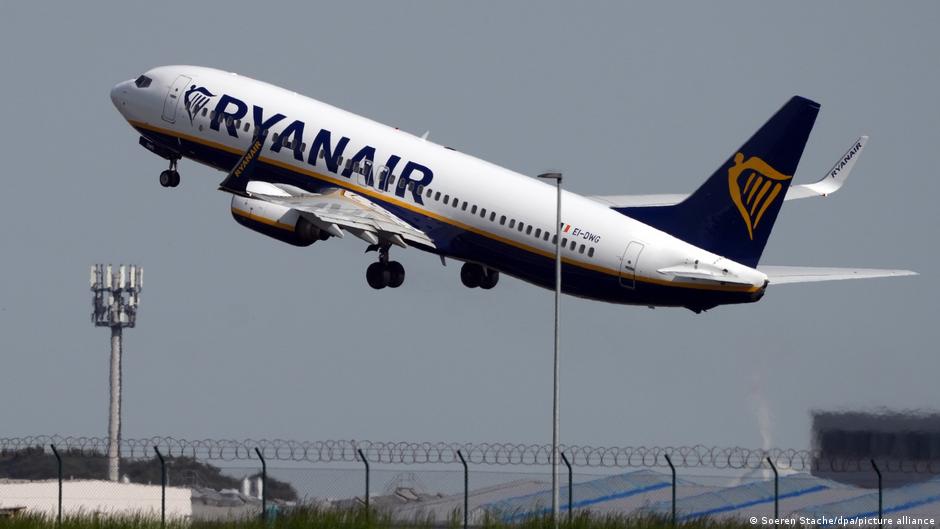
Ryanair will close its Berlin base by 2026 and halve flights due to rising airport fees and aviation taxes in Germany, signaling significant shifts in Europe’s low-cost airline market.

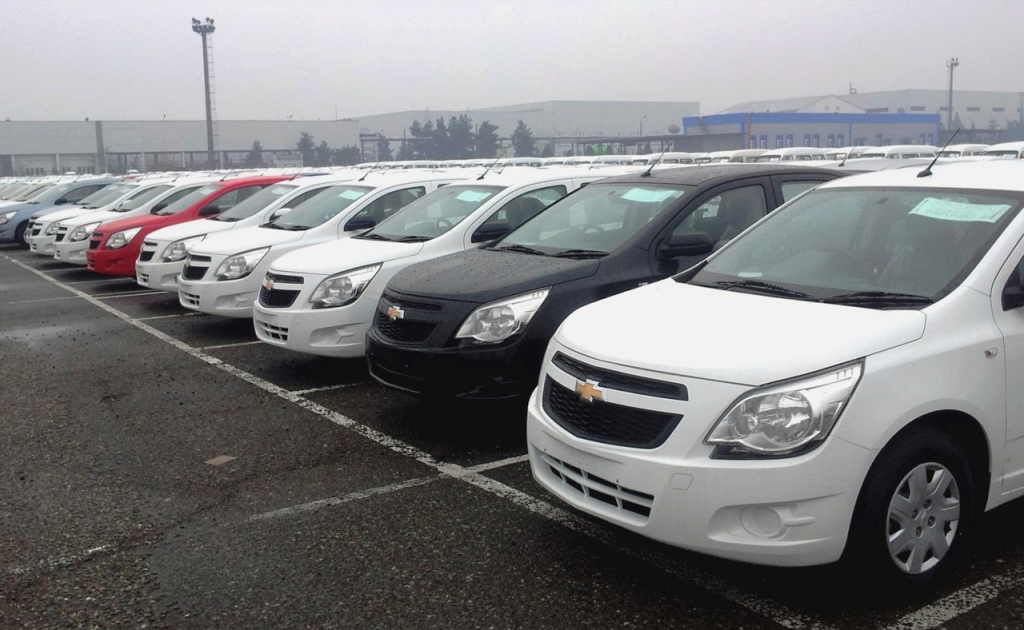
Uzbekistan’s March 2026 auto sales surged 11% month-on-month, with new and used light vehicles reaching 78,000 units, signaling a stable growth phase and rising electric vehicle adoption.

The BBC plans to cut 10% of its staff over two years, driven by declining license fees and fierce competition, as it accelerates its shift to digital platforms.