Ryanair to Close Berlin Base Citing Unsustainable Aviation Costs in Germany
Ryanair will shut its Berlin base by 2026, cutting flights in half due to rising airport fees and aviation taxes in Germany.
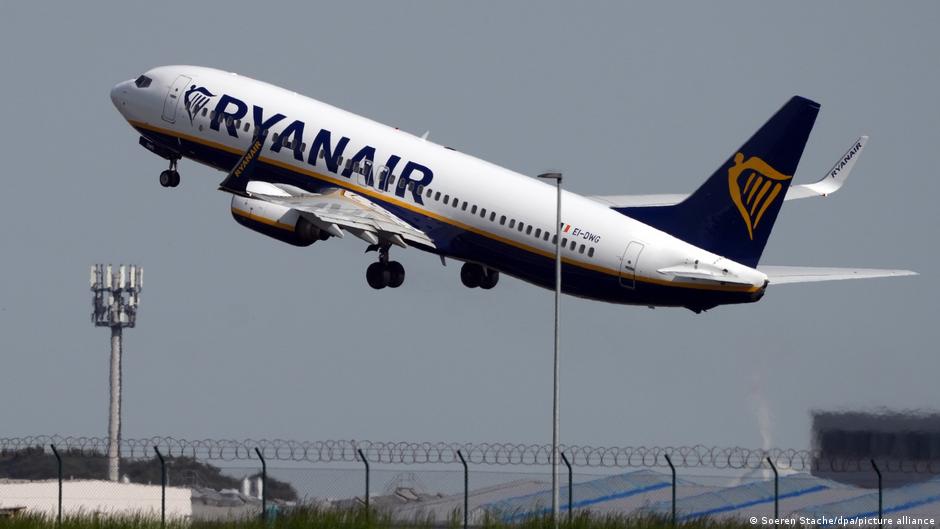
Irish low-cost carrier Ryanair has announced it will close its base at Berlin Brandenburg Airport by October 2026, withdrawing all seven aircraft and reducing flights to Berlin by 50%. This significant retrenchment will see annual passenger traffic fall from 4.5 million to 2.2 million travelers, marking a major shift in Ryanair’s European operations.
Economic and Policy Drivers Behind Ryanair's Withdrawal
The airline attributes its decision primarily to Germany becoming an increasingly expensive market for budget airlines, driven by rising airport fees and aviation-related taxes. According to Ryanair, Berlin Brandenburg Airport plans to increase charges by 10% between 2027 and 2029, adding to a 50% increase in fees since the onset of the COVID-19 pandemic despite a 30% drop in passenger throughput—from 36 million in 2019 to 26 million in 2025.
Ryanair highlights several tax hikes imposed by Germany since 2019: the aviation tax per passenger has more than doubled from €7.30 to €15.50; security charges are set to rise from €10 in 2024 to €20 by 2028; and air traffic management fees have increased from €1 to €3.30 per passenger. These accumulative cost pressures undermine the competitive environment for low-cost carriers.
"The German aviation sector is in crisis," Ryanair CEO Eddie Wilson stated, criticizing the government for lacking a strategy to reduce these burdensome taxes and fees.
Ryanair plans to relocate its Berlin operations to airports in other European Union countries with more favorable cost structures, including Sweden, Slovakia, Albania, and Italy—markets that have abolished aviation taxes. This strategic pivot underscores broader economic implications for Germany’s aviation sector and its role in the European low-cost carrier network.
The management of Berlin Brandenburg Airport responded by denying planned fee hikes at the levels cited by Ryanair, calling the airline’s announcement unexpected. Dialogues between the airline and airport authorities are currently ongoing, reflecting a complex negotiation landscape.
Long-Term Economic and Policy Consequences
Ryanair’s decision to exit Berlin follows earlier closures of bases in Frankfurt, Düsseldorf, and Stuttgart, as well as cancellations of flights to Dresden, Leipzig, and Dortmund since 2019. This trend signals a contraction of Ryanair’s footprint in Germany, a market crucial to Europe’s aviation ecosystem.
From a macroeconomic perspective, this retreat raises concerns about Germany’s competitiveness in the aviation sector amid increasing regulatory and fiscal pressures. The rising costs may dampen connectivity and limit consumer access to affordable air travel, potentially affecting tourism, business travel, and regional economic integration.
The airline has assured that its staff affected by the Berlin base closure will be offered positions elsewhere within its broader European operations, as Ryanair accelerates expansion in other, more cost-effective markets.
Overall, Ryanair’s move highlights the delicate balance policymakers must strike between environmental and fiscal goals on one hand and maintaining a vibrant, competitive air transport sector on the other. The evolving regulatory landscape in Germany could serve as a bellwether for how European nations manage these competing priorities in the coming decade.