US Plans Not to Extend Oil Sanctions Exemptions for Russia and Iran, Signaling Policy Shift
The US Treasury signals an end to temporary exemptions on Russian and Iranian oil sanctions, with implications for global energy markets and vulnerable economies.
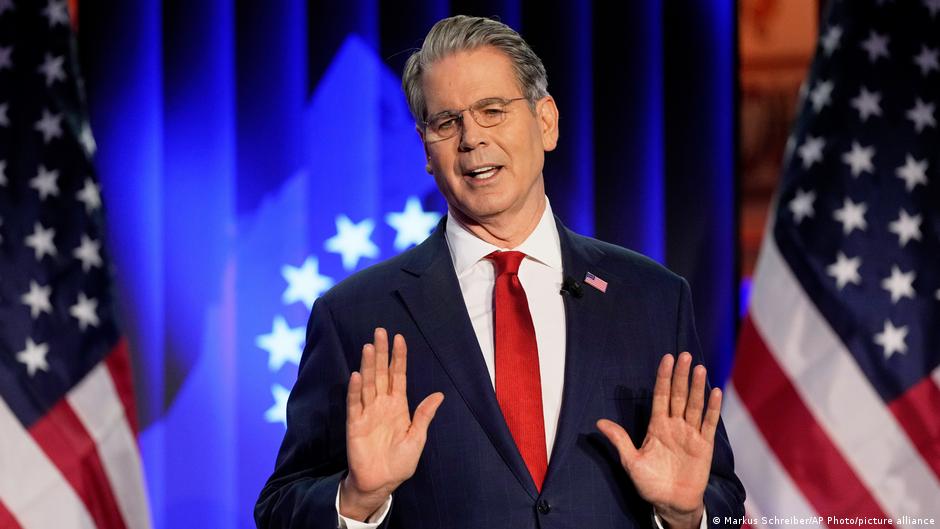
The United States Treasury has announced it will not renew temporary exemptions allowing the purchase of Russian and Iranian petroleum products already at sea, marking a significant shift in sanctions policy with broad implications for global energy markets and vulnerable economies.
End of Temporary Exemptions and Strategic Implications
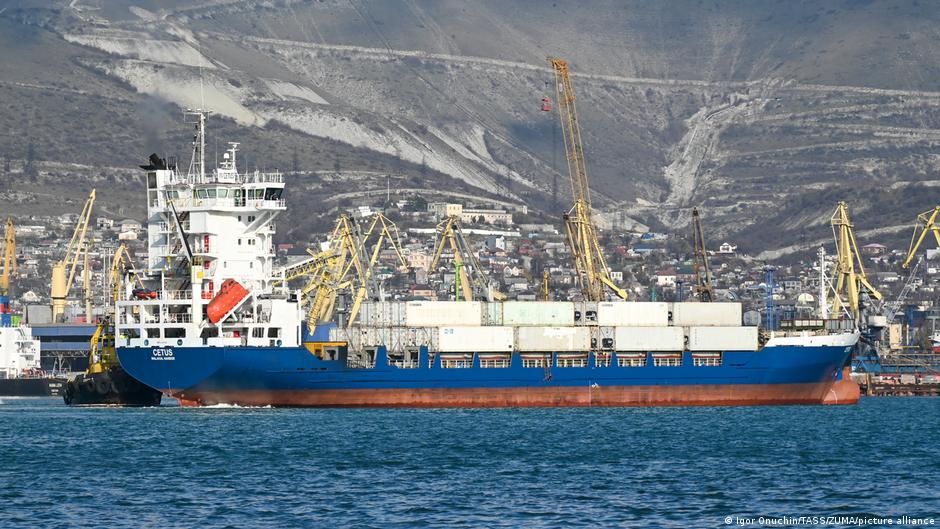
US Treasury Secretary Scott Bessent stated in an interview that the previous exemptions, permitting countries to buy Russian and Iranian oil products already loaded on tankers, will not be extended. These exemptions had been introduced as short-term relief for "over 10 of the most vulnerable and poorest countries," following requests during the World Bank and International Monetary Fund meetings in mid-April.
"I cannot imagine we will have another extension. I think Russian oil at sea is mostly depleted," Bessent explained.
This move indicates a firm US stance on tightening sanctions amid ongoing geopolitical tensions. The temporary relief was initially designed to cushion the impact on vulnerable economies from sudden supply disruptions and price spikes, which had been exacerbated by the war in Ukraine and the blockade of the Strait of Hormuz.
Bessent also highlighted increasing pressure on Iran, expecting Tehran to reduce oil production shortly, a development that could further tighten global supply. "We think they will have to start cutting production in the next two to three days, which will be very damaging for their wells," he noted.
Earlier in April, US officials extended licenses allowing sales of Russian oil already on tankers until May 16, but Bessent had signaled no intention to prolong these waivers further. The initial sanction relief had been narrowly targeted and temporary, lasting 30 days from March 13, responding to sharply rising energy prices and regional supply risks.
Long-term Economic Consequences and Policy Context
This policy shift is noteworthy given that the previous easing reportedly enabled Russia to generate over $100 million in additional daily revenue from oil exports, according to reports by major news outlets. The US had sought to balance sanction enforcement with global energy market stability and humanitarian considerations in poorer nations.
However, the decision not to renew exemptions could intensify market volatility and place additional pressure on vulnerable economies reliant on these energy imports. The move also underscores the US commitment to maintain sustained economic pressure on Russia and Iran amidst ongoing conflicts and diplomatic challenges.
Opposition to the temporary sanction relief came from various quarters, including Ukrainian President Volodymyr Zelensky and Ukraine’s ambassador to the United States, Olga Stefanishina, highlighting the geopolitical sensitivity surrounding energy sanctions.
For senior policymakers and economic strategists, the cessation of these exemptions signals a recalibration of sanctions as a tool not only of geopolitical leverage but also of global economic influence. The balancing act between sanction efficacy, energy market stability, and humanitarian impacts will remain a key challenge going forward.