Fake BBC Report Falsely Links Stolen Cézanne Painting to Ukrainian President’s Office
A fabricated news clip falsely claims that a stolen Cézanne artwork was found in President Zelensky’s office, exposing a broader Russian disinformation campaign.
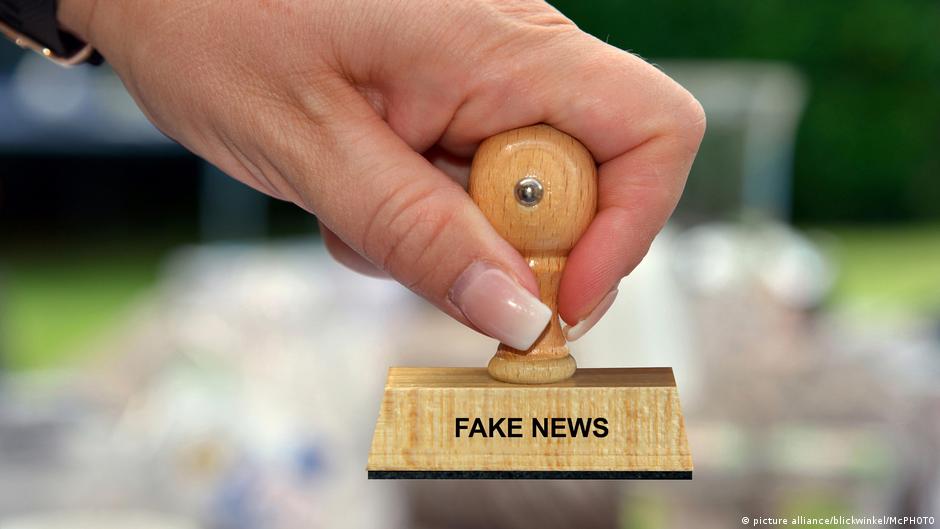
In recent days, a fabricated video purporting to be a BBC News report circulated widely online, claiming that the stolen Paul Cézanne painting "Still Life with Cherries" was discovered in the office of Ukrainian President Volodymyr Zelensky. The video, which falsely bore the BBC News logo, was never broadcast or published by the media corporation, which has confirmed the clip is entirely fake.
French and European news outlets, including France 24 and Euronews, conducted investigations into the origins of this deceptive content. Their research indicates that the disinformation was spread by accounts asserting that Zelensky had received the painting from mafia sources. Within hours, one social media profile alone on the platform X amassed over 400,000 views for the fabricated clip.
Contrary to the false claim, the original footage shows artworks by Ukrainian artist Andriy Chebotaru hanging on the wall behind President Zelensky, further underscoring the video’s fraudulent nature.
Disinformation as a Geopolitical Tool
Experts tracking disinformation campaigns have identified the repeated use of fake media products styled as authentic content from reputable outlets as a hallmark of the "Storm-1516" network. This network is believed to be connected with Russia’s GRU (Main Intelligence Directorate), formerly known as the Main Intelligence Directorate of the General Staff of the Armed Forces of the Russian Federation.
"The 'Storm-1516' network has operated for over three years, orchestrating multiple disinformation operations targeting France and Western countries," said representatives from the Gnida Project, which monitors the network.
Official reports, including those by Viginum—a French government agency dedicated to combating foreign interference—have documented the network’s activities. Additionally, the United States Department of the Treasury has publicly linked "Storm-1516" to the GRU and the Moscow-based "Center for Geopolitical Expertise."
Euronews has also attributed the dissemination of this false narrative to another pro-Kremlin disinformation network known as "Matryoshka." These coordinated information operations aim to sow confusion, undermine trust in Western media institutions, and destabilize the geopolitical environment surrounding Ukraine and its allies.
Implications for Global Information Security and Policy
The circulation of such sophisticated counterfeit news pieces signals a growing challenge for governments, media organizations, and international bodies striving to maintain information integrity. As disinformation campaigns increasingly employ forged visual and branding elements to mimic trusted news sources, distinguishing truth from falsehood becomes more difficult for the public and policymakers alike.
This incident exemplifies the strategic use of culture and art as a vector in hybrid warfare, where falsified narratives aim to erode confidence in the Ukrainian government while feeding broader geopolitical tensions. The propagation of this fake report also highlights the necessity for enhanced cross-border cooperation among intelligence agencies and media watchdogs to rapidly identify and mitigate disinformation threats.
For senior decision-makers, the episode underscores that combating disinformation is not merely a matter of media literacy but a critical component of national security strategy. The ability of state-linked actors to exploit cultural symbols and reputable media brands in influence operations calls for refined policies that integrate technological solutions, diplomatic engagement, and public communication strategies.