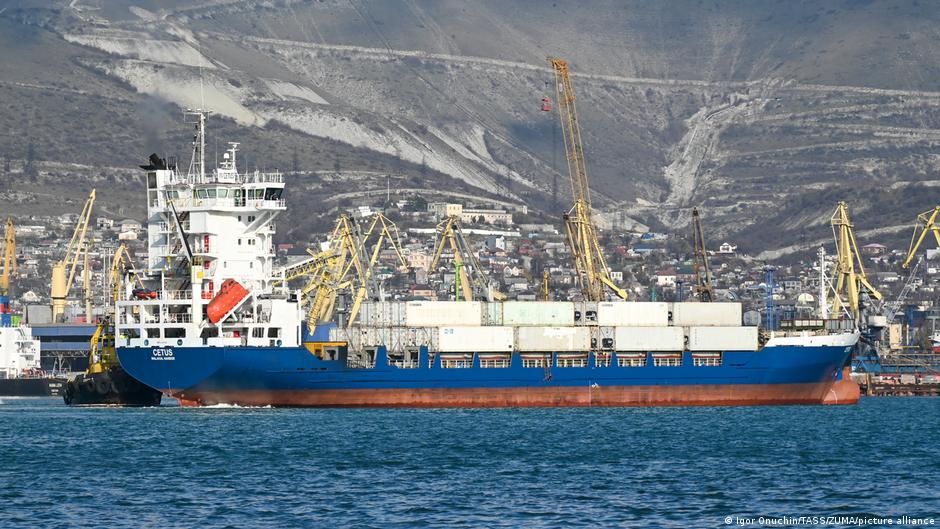
U.S. Says Five Iranian Oil Tankers Destroyed as Gulf Risks Escalate
CENTCOM’s latest strikes point to a widening contest over oil flows, sanctions enforcement and control of the Strait of Hormuz.
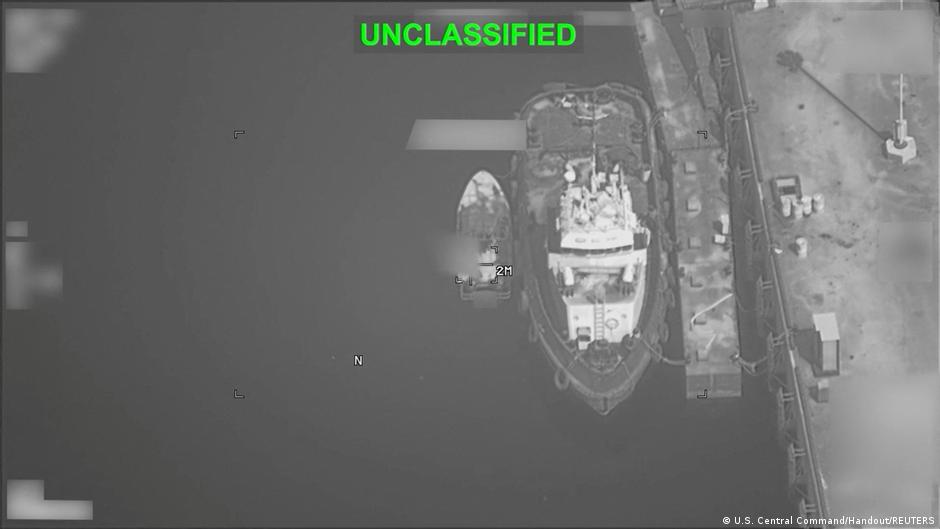
The United States said it destroyed five Iranian oil tankers on Tuesday, September 8, after the Islamic Revolutionary Guard Corps twice attacked a U.S. Navy vessel with ballistic missiles over the previous two days, according to U.S. Central Command. The incident marks another escalation in a confrontation increasingly centered on maritime security, oil-market risk and the future governance of the Strait of Hormuz.
CENTCOM said the U.S. ship successfully avoided the attempted Iranian attacks and continued patrolling regional waters. No U.S. personnel were injured, the command said. The U.S. military described the tanker strikes as a response to repeated attacks and as part of a broader effort to disrupt Iran’s oil-linked financing channels.
The tankers identified by CENTCOM were the M/T Kaviz, M/T Charminar, M/T Horizon 1 and M/T Riesco in the Gulf of Oman, as well as the M/T Derya near Kharg Island in the Persian Gulf. U.S. forces instructed crews to abandon the vessels before they were hit and disabled, according to the command.
CENTCOM said Iran used the vessels as part of a multibillion-dollar “shadow” network financing the IRGC and its regional proxies.
For senior decision-makers, the immediate military facts matter less in isolation than the strategic pattern they reveal. The confrontation has moved beyond isolated exchanges and into a sustained effort to shape the economics of pressure: Washington is targeting maritime assets it says fund the IRGC, while Tehran is asserting control in waters critical to global energy flows.
Energy Markets Face a Renewed Hormuz Risk Premium
The Strait of Hormuz remains one of the world’s most important oil transit routes and has become a central point of dispute in the war involving the United States and Israel against Iran. Before hostilities began in late February, the route was open to shipping. Today, both Iranian and U.S. forces claim control over it, creating a volatile operating environment for energy exporters, insurers, shipowners and governments dependent on Gulf supply.
The destruction of five tankers follows a similar U.S. action on September 5, when CENTCOM forces destroyed three Iranian oil tankers after the IRGC attempted to attack a U.S. aircraft carrier and a missile destroyer. Taken together, the two episodes suggest Washington is willing to impose direct costs on Iran’s maritime oil infrastructure, not only defend U.S. naval assets.
That shift has macroeconomic implications. Even if physical supply disruptions remain contained, perceived risk around Gulf shipping can raise freight costs, insurance premiums and hedging demand. Oil buyers may also face a more fragmented market if tankers associated with Iranian supply networks are increasingly treated as military or sanctions-enforcement targets. The result could be a persistent security premium embedded in crude pricing and energy logistics.
CENTCOM also said Tehran lacks the means to protect these vessels. If accurate, that assessment points to an asymmetric pressure campaign: Iran may retain the ability to threaten U.S. or allied assets with missiles and drones, while the United States can target vessels that form part of Iran’s revenue and financing architecture. Such a dynamic could prolong confrontation without necessarily producing a rapid diplomatic settlement.
Policy Signals From Washington and Tehran
The latest strikes also complicate the policy backdrop in Washington. U.S. forces had not struck Iran since late July, after President Donald Trump ordered a pause that he explained as an effort to continue negotiations with Tehran over the future of the Strait of Hormuz, sanctions and Iran’s nuclear program. That pause ended on August 30, when the United States struck two Iranian missile launchers on Larak Island in the Strait of Hormuz.
Tehran said it responded with attacks on U.S. targets in the United Arab Emirates. According to Iranian statements cited in the source account, dozens of drones attacked “American helicopters and personnel at Al Minhad base” in the UAE. That places Gulf partners in a more exposed position, even when the central confrontation is framed as a U.S.-Iranian military and sanctions dispute.
For policymakers, this creates a difficult sequencing problem. Negotiations over sanctions, nuclear limits and maritime control require channels of communication and credible concessions. But repeated missile, drone and tanker incidents create incentives for retaliation and domestic political signaling. Each strike narrows room for de-escalation while increasing the cost of appearing passive.
The economic stakes extend beyond oil prices. A prolonged contest over Hormuz could affect inflation expectations, fiscal planning in energy-importing economies, sovereign risk assessments across the Gulf and the investment calculus for energy infrastructure outside the region. It may also accelerate efforts by governments and corporations to diversify supply routes, inventories and strategic reserves.
At the same time, Washington’s focus on Iran’s alleged shadow tanker network reflects a sanctions policy that increasingly operates through control of maritime finance and logistics. Tankers, crews, ports, insurers and intermediaries become part of the enforcement landscape. That expands compliance risk for global trade institutions, including banks and commodity traders that must assess exposure to sanctioned supply chains.
The destruction of the five tankers therefore represents more than another military episode in Gulf waters. It is a signal that economic pressure, maritime control and regional deterrence are converging. For companies and governments with exposure to oil, shipping, defense procurement or Gulf political risk, the key question is no longer whether the Strait of Hormuz is strategically important. It is how long the world economy can absorb recurring shocks around it without a broader repricing of energy security.