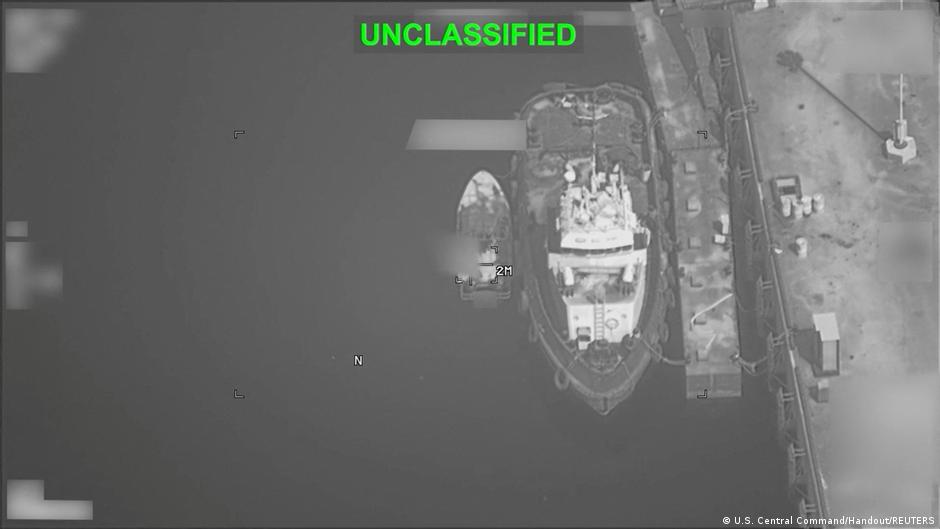
Novorossiysk Drone Attack Triggers Fires at Fuel Terminal and Residential Site
The strike on one of Russia’s largest ports underscores the economic vulnerability of Black Sea trade routes for oil, grain and cargo flows.
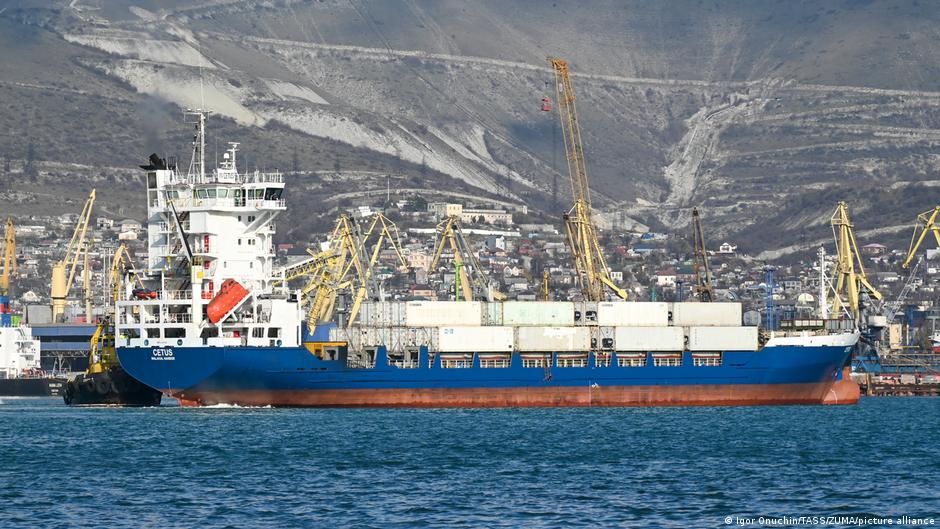
A drone attack on Novorossiysk in the early hours of Wednesday, September 9, caused significant fires at sites linked to both industrial infrastructure and residential property, according to reports cited in the Russian-language source. The incident matters beyond the immediate security picture because Novorossiysk is one of Russia’s largest ports in Europe and a central hub for the country’s external trade.
According to OSINT analysis by ASTRA, a fuel oil terminal was burning after strikes on Novorossiysk. ASTRA also reported a fire in a residential apartment building on Volgogradskaya Street. The city’s mayor, Andrei Kravchenko, said on Telegram overnight that Novorossiysk had been attacked using unmanned aerial vehicles.
Kravchenko said debris from drones had fallen on the territory of enterprises and near a residential building. Preliminary information indicated there were no casualties. Emergency services were working to deal with the consequences of the attack.
Preliminary information indicated there were no casualties, while emergency services were working to eliminate the consequences of the attack.
The reported fire at a fuel oil terminal is economically significant because the facility is described as one of the leading enterprises of the Novorossiysk transport hub, which is part of Russia’s largest port. The source also said an eyewitness filmed another fire in the city, which ASTRA identified as the blaze at the residential apartment building on Volgogradskaya Street.
Why Novorossiysk Matters to Global Trade
Novorossiysk is not simply a local port city. It is a key node in Russia’s connection to global markets. The port handles oil, metals, container cargo and grain, and its location close to major agricultural regions helps explain its importance in food exports. According to the source, up to one-third of all Russian grain exports pass through Novorossiysk.
That concentration gives the port strategic economic weight. Disruption there can affect not only Russian exporters and shipping operators, but also international buyers exposed to Black Sea supply routes. In commodity markets, the risk is not only the physical loss of capacity, but the pricing of uncertainty into freight, insurance, storage and forward contracts.
The reported attack follows earlier pressure on the same logistics corridor. In August, an intensification of strikes on Novorossiysk caused noticeable disruptions in oil and grain shipments, according to the source. That recent history makes the latest incident part of a broader pattern rather than an isolated operational event.
For senior economic decision-makers, the key issue is resilience. A port that moves energy, metals, containers and a major share of grain exports is a point where military risk and macroeconomic exposure converge. Even when damage is contained and casualties are avoided, repeated attacks can raise transaction costs and encourage companies to reassess routing, inventory buffers and risk coverage.
Policy and Market Implications
The fires reported after the drone attack highlight a growing policy problem for governments and businesses: the boundary between transport infrastructure and strategic infrastructure is increasingly thin. Ports serving grain and oil markets are commercial assets, but they also carry implications for food security, energy supply and trade balance management.
For Russia, repeated disruption at Novorossiysk would complicate the use of one of its most important export channels. The city’s role in external trade means any interruption can have knock-on effects for revenues, regional logistics and the reliability of outbound supply. For global counterparties, the main concern is the stability of delivery schedules and the risk that a localized strike becomes a broader bottleneck.
Grain markets are especially sensitive to Black Sea disruption because supply routes from the region are watched closely by importers. The source does not provide figures on shipment losses from the latest attack, and it does not state that port operations were halted. Still, the combination of a fire at a fuel oil terminal and a recent record of disruptions in oil and grain shipments will reinforce market attention on the vulnerability of the corridor.
Energy and freight markets may also treat the incident as a signal. A fire at a fuel oil terminal, if confirmed as described, points to the exposure of storage and handling assets that support export flows. Even without immediate data on damage, the event could affect risk assessments by insurers, carriers and commodity traders operating around the Black Sea.
The policy response will likely depend on the scale of damage, the continuity of port operations and whether similar attacks continue. The source reports that emergency services were responding and that preliminary information showed no casualties. It does not provide official confirmation of damage volumes, operational shutdowns or export delays from the latest incident.
What is clear from the reported facts is that Novorossiysk’s economic role makes security incidents there macro-relevant. The port’s position in Russia’s grain exports, its movement of oil and other cargoes, and its status within the country’s largest port complex mean repeated attacks can reshape expectations about the reliability of a major trade gateway.
For decision-makers, the longer-term consequence is the rising premium attached to infrastructure risk. Companies dependent on Russian Black Sea flows may need to account for more frequent disruption scenarios, while policymakers tracking food and energy markets will continue to view Novorossiysk as a strategic indicator of supply-chain stability.