BBC Plans to Cut 10% of Workforce Amid Media Industry Crisis and Digital Shift
The BBC aims to reduce operating costs by £500 million with 1,800-2,000 job cuts over two years due to declining license fees and rising global competition.
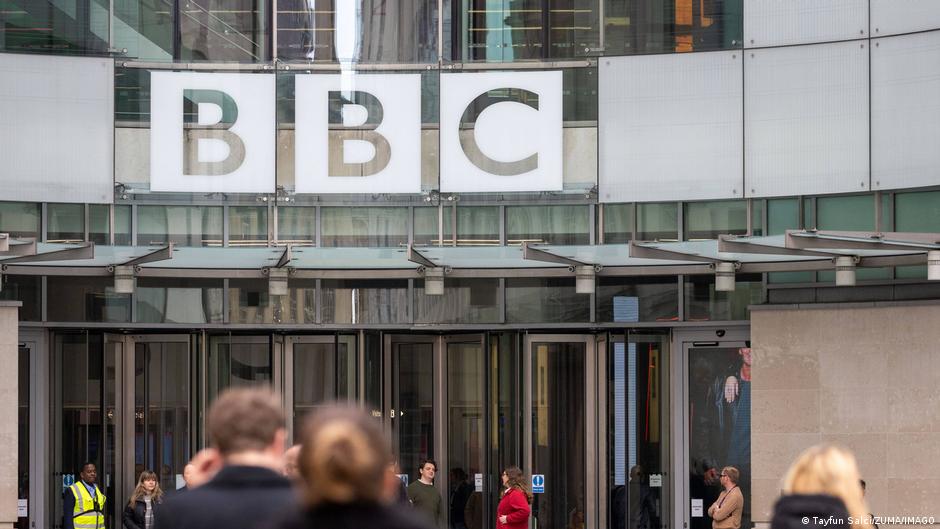
The British Broadcasting Corporation (BBC) has announced plans to cut approximately 10% of its workforce, amounting to 1,800 to 2,000 employees, over the next two years. This move reflects the broadcaster's efforts to navigate what senior management describes as a deepening crisis in the global media industry, intensified by technological disruption and shifting consumer habits.
Financial Pressures and Structural Transformation
BBC Director-General Rhodri Talfan Davies told AFP that the corporation is facing "substantial financial pressures," necessitating a reduction in operating expenses by around £500 million (approximately €575 million). Most of these savings are expected to be realized in the fiscal years 2027-2028.
The broadcaster's financial challenges stem largely from a 24% decline in revenue from the UK’s television license fee since 2017, a traditional funding source that has been eroding amid changing audience behaviors. Additionally, the rise of global streaming platforms offering subscription-based content has intensified competition for viewers’ and listeners’ attention, further straining the BBC's traditional business model.
"The media industry is undergoing a fundamental crisis accelerated by artificial intelligence and evolving content consumption patterns," Davies explained.
In response, the BBC is accelerating its digital transformation, restructuring its operations to prioritize online platforms and new content formats. The corporation has indicated a strategic shift away from some traditional television and radio channels towards digital services such as the news apps and its iPlayer streaming platform.
Implications for the Media Sector and Public Broadcasting
The BBC’s planned workforce reduction and strategic overhaul highlight broader macroeconomic and policy challenges facing public broadcasters globally. Declining traditional funding mechanisms, technological disruption—including AI integration—and intensified global competition are pressuring legacy media institutions to rethink their operational and financial models.
These developments could have long-term consequences for the media sector, including potential reductions in original content production, shifts in employment patterns, and changes in public access to information. For policymakers and senior decision-makers, the BBC’s case exemplifies the need to reconsider funding frameworks for public media and the regulatory environment amid rapidly evolving technologies and market structures.
Moreover, the BBC’s pivot to digital ecosystems underscores the accelerated pace of media convergence and the critical role of technology investment in maintaining relevance and competitiveness in the global content landscape.