US Military Strikes Vessel Headed to Iran Amid Strait of Hormuz Blockade Enforcement
US forces disabled a Gambian-flagged ship bound for Iran, enforcing a blockade in the strategic Strait of Hormuz amid escalating regional tensions.
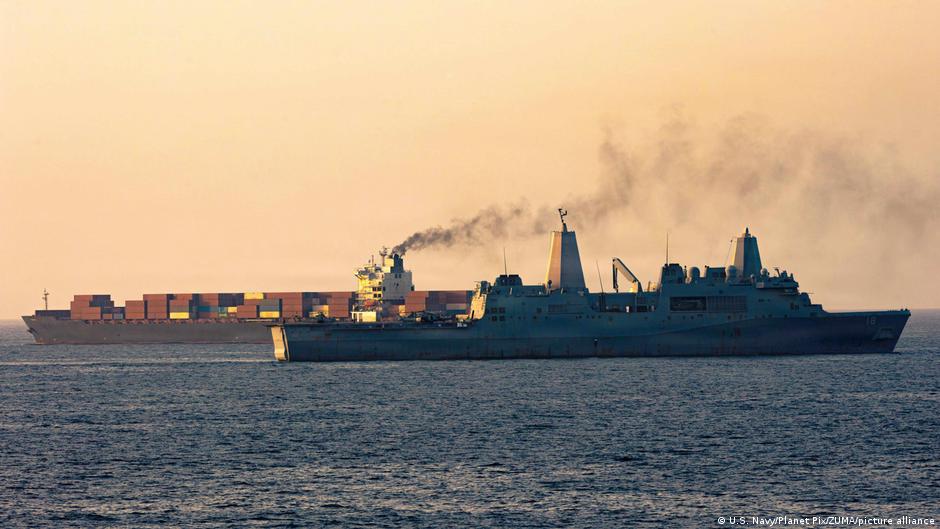
The United States military targeted a Gambian-flagged commercial vessel traveling toward an Iranian port in the Gulf of Oman, marking a significant escalation in the enforcement of maritime blockades in the Strait of Hormuz region. The incident, confirmed by the US Central Command (CENTCOM) on May 30, underscores growing tensions and complex geopolitical dynamics impacting global energy markets and trade routes.
Enforcement of the Strait of Hormuz Blockade
The vessel, identified as the Lian Star, was navigating international waters en route to an Iranian port when it came under attack. According to CENTCOM, the US military issued over 20 warnings to the ship's crew concerning violations of the American blockade designed to restrict maritime traffic linked to Iran. After the crew failed to comply, a US aircraft launched a Hellfire missile targeting the ship’s engine compartment, effectively disabling it and preventing its arrival in Iran.
"The American aircraft disabled the ship after repeated warnings were ignored, ensuring the vessel no longer proceeded toward Iran," CENTCOM stated.
This strike is part of a broader US strategy implemented since April, coinciding with a tentative truce between Washington and Tehran alongside increased blockade activities in the Strait of Hormuz by the US military. According to CENTCOM disclosures, five commercial vessels have been disabled and 116 redirected under this operation, aimed at curtailing Iranian maritime activities. In response, Iranian authorities have reportedly obstructed the strait for vessels affiliated with the United States.
Regional Security and Economic Implications
The US action follows an Iranian missile attack on the Ali Al Salem airbase in Kuwait, which hosts American forces. The attack, which caused minor injuries to five US personnel and damaged or destroyed two MQ-9 Reaper drones—each valued at approximately $30 million—highlights escalating hostilities in the region.
These developments occur amid reports of preliminary framework agreements between US and Iranian negotiators aimed at resolving ongoing conflicts, though US President Donald Trump has not yet consented to any deal. His administration insists on core preconditions, including Iran’s abandonment of nuclear weapons ambitions, before any formal agreement is signed. Iranian officials maintain that no final settlement has been reached.
From a macroeconomic perspective, the Strait of Hormuz blockade poses considerable risks to global energy supply chains. The strait is a critical chokepoint through which roughly 20% of the world’s petroleum passes. Persistent disruption or conflict escalation could precipitate spikes in oil prices, exacerbate inflationary pressures worldwide, and compel policy recalibrations among global economic stakeholders.
As senior decision-makers monitor these unfolding events, the intersection of military enforcement, diplomatic negotiations, and regional security dynamics will be crucial in shaping both short-term market volatility and long-term geopolitical economic frameworks.