Russian Forces Launch Combined Strike on Izyum, Ukraine Amid Ongoing Conflict
The use of guided aerial bombs and Shahed drones in Izyum signals intensified military actions with potential regional economic repercussions.

Russian Armed Forces have conducted a combined strike on the city of Izyum in Ukraine's Kharkiv region using guided aerial bombs and Shahed-type unmanned aerial vehicles (UAVs). Preliminary reports indicate casualties and significant damage to civil infrastructure, raising concerns about the broader economic impact in the conflict zone.
Military Action and Immediate Consequences
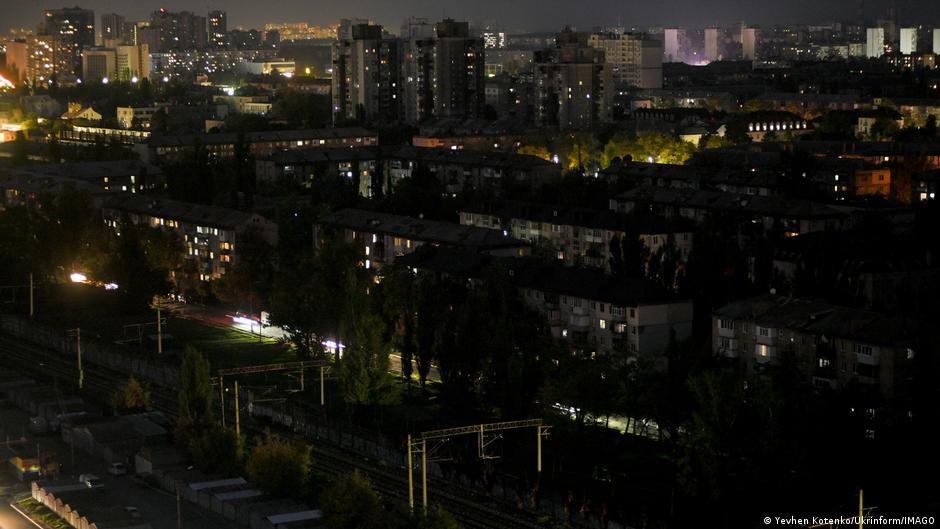
According to the Izyum city military administration, the strike occurred on the night of July 15, causing injuries among civilians and damaging various assets. The attack damaged civil objects, municipal property, agricultural machinery, and private residences, resulting in fires in multiple locations. Air raid alerts were issued repeatedly during the assault.
"Damage was sustained to civilian infrastructure, communal enterprise property, agricultural equipment, and residential homes, with fires breaking out," the local administration reported.
Earlier, on July 5, a prior strike on the same city resulted in one fatality and at least three women hospitalized with injuries. Property damage included the destruction of a gas station building and harm to five vehicles.
Broader Economic Implications
The repeated targeting of Izyum—a city with strategic significance in Ukraine’s eastern region—has potential macroeconomic ramifications. The destruction of agricultural machinery and disruption of communal services may hamper local economic activity, affecting food production and supply chains in a region already strained by conflict.
Furthermore, the escalating use of drones and precision-guided munitions reflects shifts in military tactics that could prolong hostilities and increase uncertainty in the region. This uncertainty may deter investment and complicate reconstruction efforts post-conflict.
For senior policymakers, understanding the economic consequences of continued military engagements in eastern Ukraine is essential. The damage to infrastructure not only imposes immediate humanitarian costs but also threatens longer-term economic stability and growth prospects in the affected areas.
Policy Considerations Ahead
As military actions persist, international responses and economic sanctions may evolve, influencing global commodity markets and geopolitical alignments. Decision-makers should monitor developments closely to anticipate supply chain disruptions, shifts in energy markets, and broader geopolitical risks stemming from the conflict.
In sum, the recent combined strikes in Izyum underline the complex interplay between military conflict and economic outcomes, emphasizing the need for integrated policy approaches that address both security and economic resilience.