US Plans to Revive Iraq-Syria Oil Pipeline to Bypass Strait of Hormuz and Curtail Iran’s Influence
Washington pushes for restoration of a strategic Iraq-Syria oil pipeline to diversify export routes and reduce reliance on the Strait of Hormuz.
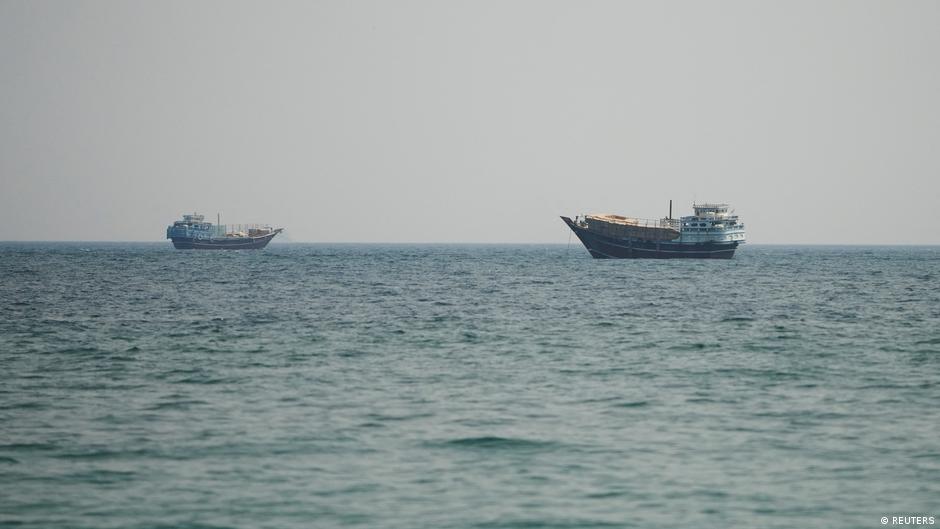
The United States is actively negotiating the revival of a long-dormant oil pipeline running from Iraq to Syria’s western coast, aiming to circumvent the Strait of Hormuz and thereby diminish Iranian leverage over global energy supplies. This strategic initiative reflects a broader US policy shift to enhance energy security and reshape regional economic dynamics.
Strategic Motivation Behind the Pipeline Revival
According to sources, Thomas Barrack, the US Special Presidential Envoy for Syria and Iraq, has engaged with officials from both countries and representatives of major energy companies, including Chevron Corporation, to discuss reopening the pipeline. The primary focus is restoring the pipeline linking Kirkuk in northern Iraq to Banias on Syria’s Mediterranean coast, which has been out of operation for over two decades.
“The US administration expects American companies to play a significant role in rehabilitating the pipeline,” a State Department representative confirmed, highlighting the government’s intent to promote private sector involvement.
President Donald Trump recently hosted Iraqi Prime Minister Ali al-Zaydi at the White House, where he announced impending announcements on large-scale oil partnerships between the two nations. This engagement underscores Washington’s commitment to expanding its influence in the region’s energy infrastructure.
The renewed focus on alternative export routes comes amid escalating tensions in the Middle East, emphasizing the vulnerability of the Strait of Hormuz—a critical maritime chokepoint through which a substantial portion of the world’s oil transits. By reducing dependence on this route, the US aims to mitigate risks posed by geopolitical instability and Iranian regional ambitions.
Challenges and Regional Dynamics
Despite the strategic promise, rebuilding and expanding oil pipeline infrastructure across Iraq and Syria presents considerable challenges. Prospective pipeline routes would traverse Iraq’s Anbar province and eastern Syria, areas still affected by residual insurgent activity from the Islamic State. Stability remains a prerequisite for investors, who must weigh the prospects of long-term security amid ongoing efforts to consolidate governance following Syria’s devastating civil war.
Additionally, international energy firms such as TotalEnergies SE, TI Capital, and Qatar-based UCC Holding have participated in discussions to reinforce Syria’s role as a regional export hub, reflecting growing interest in diversifying supply chains and export options.
Broader Economic and Policy Implications
The US move aligns with broader strategic goals, including countering Iranian influence on global energy markets and bolstering allied states’ economic resilience. While President Trump reversed a proposed 20 percent tariff on maritime shipments—initially aimed at exerting economic pressure on Gulf states—he emphasized cultivating trade agreements within the Persian Gulf, signaling a nuanced approach to regional economic diplomacy.
This pipeline restoration initiative could have lasting implications for global energy flows, supply security, and geopolitical alignments, potentially reshaping market dynamics by providing alternative channels that bypass critical maritime chokepoints sensitive to geopolitical volatility.