Belgorod Restores Mobile Internet and Street Lighting Amid Security Measures
Temporary reinstatement of mobile connectivity and public lighting in Belgorod signals shifts in regional security and civilian infrastructure policy.
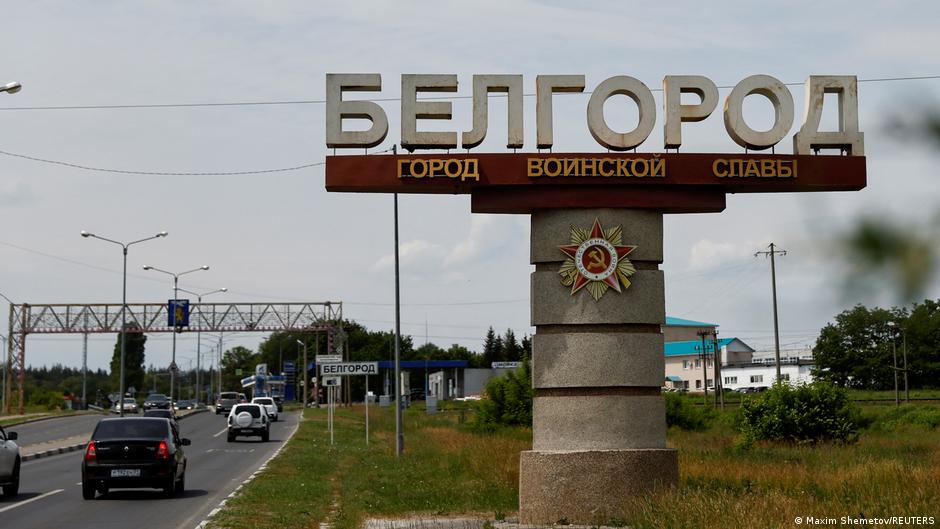
In a recent policy adjustment in Belgorod, the acting governor of Belgorod Oblast, Alexander Shuvaev, has ordered the restoration of mobile internet services and the reactivation of street lighting in the city. These changes come after a thorough assessment of the regional security environment and public demand, with local authorities elsewhere in the oblast tasked with making similar decisions based on situational developments.
Security and Infrastructure Amid Ongoing Conflict
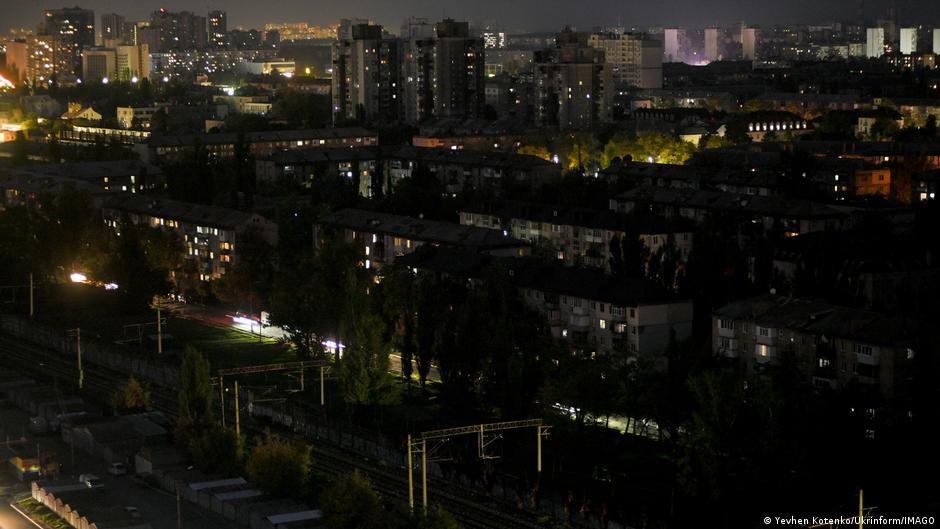
Since October 2025, the city of Belgorod has experienced repeated interruptions to its street lighting as a defensive measure to reduce electrical grid strain and facilitate faster recovery following frequent missile strikes. The mayor of Belgorod, Valentin Demidov, cited these reasons in explaining the blackout policies. Moreover, partial shutdowns of mobile internet have been implemented to enhance security and control communication channels, but these also complicated critical public alert systems, as noted by former governor Vyacheslav Gladkov in November.
"While these measures aim to enhance security, they have also disrupted vital communication and emergency response capabilities," said regional officials.
Belgorod Oblast’s geopolitical position near the Ukrainian border has exposed it to recurrent missile attacks, including a significant assault on May 25, which caused damage to energy infrastructure, led to interruptions in electricity and water supply, and resulted in injury and property damage. These ongoing security threats have forced regional authorities to balance defensive measures against the needs of civilian infrastructure and public safety.
Governor Shuvaev emphasized that the recent easing of restrictions on internet services and street lighting was undertaken with consideration of defense strategies aimed at minimizing risks to the population. He warned, however, that these measures might be temporarily reinstated should the threat level increase again.
This policy shift indicates an adaptive approach by regional leadership, seeking to restore normalcy and connectivity for residents while maintaining readiness for rapid response to heightened security threats. The decision to delegate control over such measures to local authorities in other settlements reflects a decentralized approach to managing the dynamic security environment.
From a macroeconomic perspective, the restoration of fundamental services like mobile internet and street lighting is likely to improve economic stability and social resilience in a conflict-affected region. Reliable communication infrastructure is critical not only for civilian life but also for coordinating emergency responses and supporting local businesses that sustain the regional economy.
In the long term, the balance between security imperatives and the restoration of civilian infrastructure will remain a key challenge for policymakers in border regions exposed to conflict. The Belgorod case exemplifies how regional governments must integrate security considerations with efforts to maintain economic functionality and public welfare.