NATO Confirms Russian Origin of Drone Crashing into Romanian Residential Building
NATO and Romanian officials identify the drone as Russian-made, raising concerns over regional air defense and international law violations.
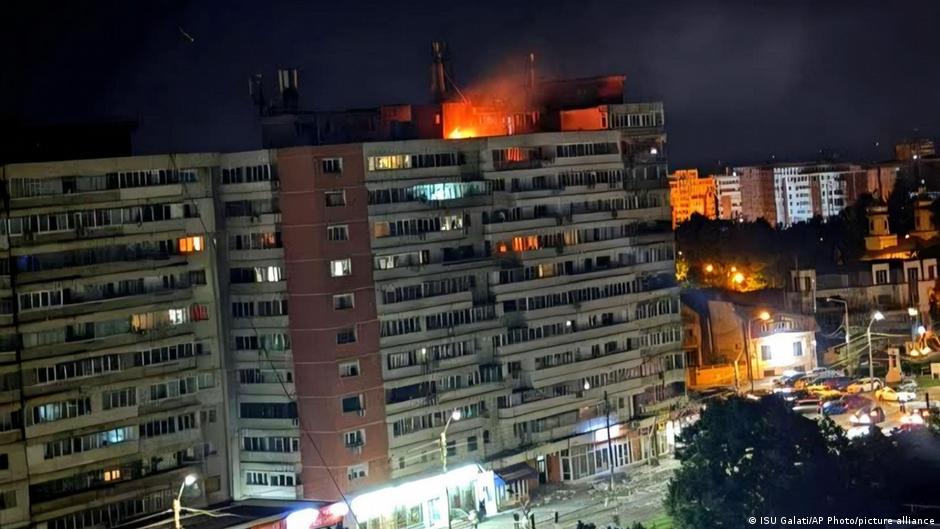
On May 29, NATO confirmed that the drone which crashed into a residential building in Galați, Romania, was of Russian origin. The incident, which caused a fire on the 10th floor and injured two people, has escalated tensions near the Ukraine border and prompted calls for enhanced air defense capabilities in Romania.
Incident Overview and Regional Implications
The drone strike occurred during the night in Galați, a city situated near the border with Ukraine. Romanian authorities, including the Ministry of Defense, revealed that serial numbers recovered from the wreckage unequivocally indicate the drone was manufactured in Russia. NATO’s Supreme Headquarters Allied Powers Europe (SHAPE) also corroborated the drone's Russian provenance through a representative statement.
Romanian President Nicolae Ciucă explained that the drone was reportedly shot down by Ukrainian air defenses while flying over Ukrainian territory. However, before being intercepted, the drone appears to have changed course toward Galați. "When (the drones) were crossing Ukrainian territory, some were shot down. One of them was likely hit near the city of Reni, changed trajectory, and went to Galați," President Ciucă said at a press conference. He emphasized that the responsibility for the attack on a Romanian residential building lies squarely with Russia.
Following the drone strike, Bucharest has formally requested NATO to strengthen its air defense systems along the eastern flank, citing the incident as a clear violation of international law and national sovereignty. This request underscores broader concerns about the security environment in Eastern Europe amid ongoing regional conflicts.
"The responsibility for the strike on the residential building in the border city of Galați obviously lies with Russia," Romanian President Nicolae Ciucă stated, highlighting the geopolitical stakes.
The diplomatic response has been swift; the Russian consul in Constanța was declared persona non grata, and the Russian consulate there is set to close, signaling a significant escalation in diplomatic tensions between Romania and Russia.
Broader Economic and Policy Consequences
This incident adds a new dimension to the already fragile security situation in Eastern Europe, with potential long-term economic repercussions. Heightened military tensions and the need for bolstered air defense infrastructure could lead to increased government spending in Romania and NATO countries along the alliance’s eastern borders.
From a macroeconomic perspective, the expanding conflict footprint risks disrupting trade flows and investment climates in the region. Romania, a growing economy within the European Union, may face increased costs related to security and insurance, as well as potential investor wariness. The incident also reiterates the importance of coordinated NATO defense policies and resource allocation to prevent spillover effects from the Russia-Ukraine conflict.
Russian President Vladimir Putin expressed skepticism about the drone’s origin during a press conference in Astana, stating that an expert examination is required before confirming the provenance. This stance reflects ongoing information warfare and the broader geopolitical contest over narratives linked to the conflict.
In summary, the drone incident in Romania serves as a stark reminder of the evolving security challenges on NATO’s eastern frontier and the complex economic and policy ramifications these developments entail. Enhanced defense measures, diplomatic friction, and the risk of further escalation will likely shape the region's macroeconomic outlook in the coming months.