Business
US Senators Urge Trump to Reverse Russian Diesel Deal With Putin
A bipartisan Senate group says Trump’s Russian diesel deal would offer little price relief while funding Moscow’s war effort.
By Editorial Team — October 14, 2026
A bipartisan Senate group says Trump’s Russian diesel deal would offer little price relief while funding Moscow’s war effort.

Finland is urging the EU to halt tourist visas for Russians, turning mobility rules into a broader tool of pressure over the war in Ukraine.

Two Latvian citizens were detained after entering RAF Molesworth, raising wider questions about UK military-site security and resilience costs.
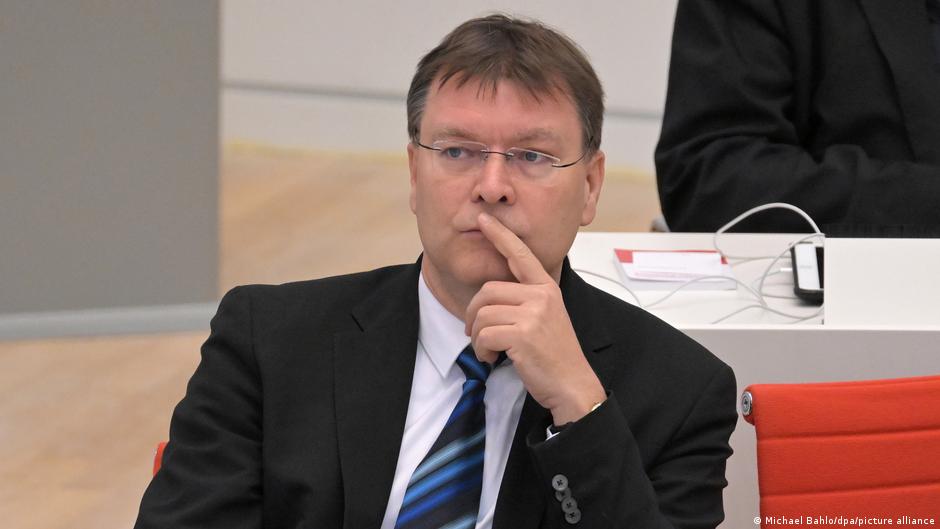
BSW lawmaker Sven Hornauf plans delegations to Belarus and Russia, testing Germany’s local ties amid strategic rupture with Moscow and Minsk.

Brazil’s presidential race goes to an October 25 runoff after Flavio Bolsonaro led Lula da Silva by less than two points in the first round.
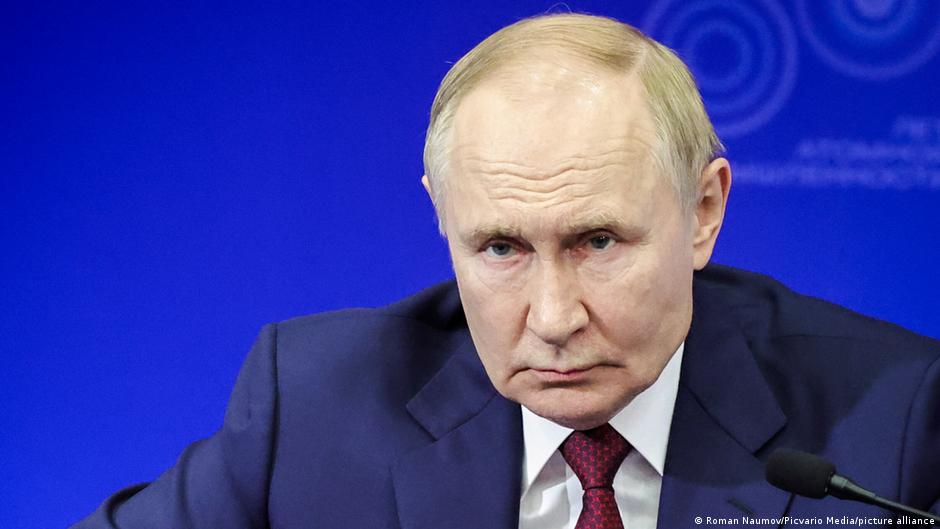
Putin’s Valdai speech sharpened nuclear rhetoric and blamed the West, reinforcing Europe’s long-term geopolitical and economic risk outlook.
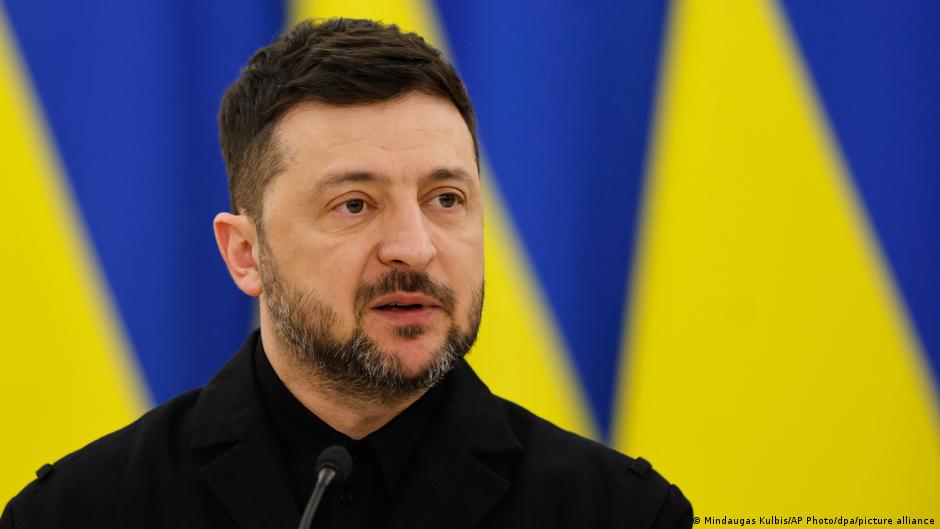
Zelensky says North Korea plans to send about 10,000 more troops to Russia, deepening concerns over Moscow-Pyongyang cooperation.
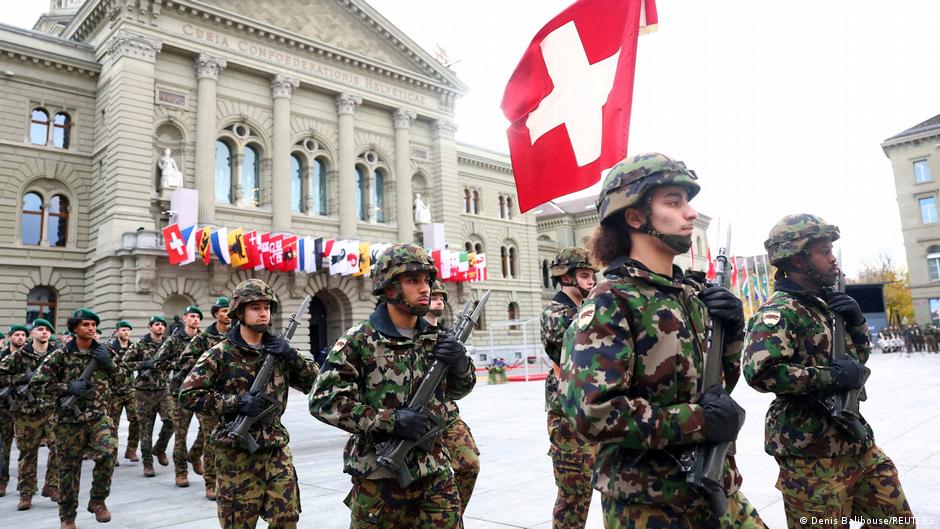
Swiss voters rejected a neutrality initiative that would have sharply limited sanctions policy, preserving Bern’s flexibility on economic statecraft.
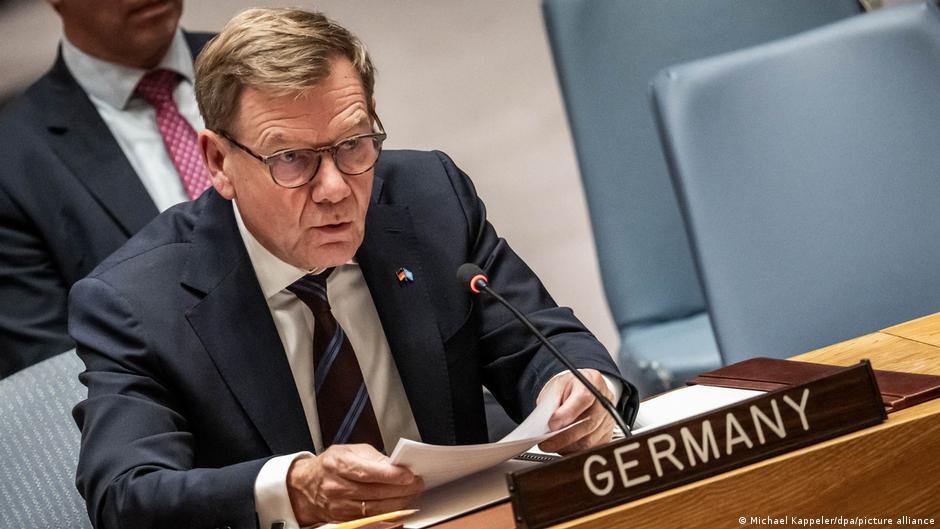
Germany says Putin’s possible G20 appearance would test Moscow’s readiness for Ukraine talks, with sanctions and global governance at stake.
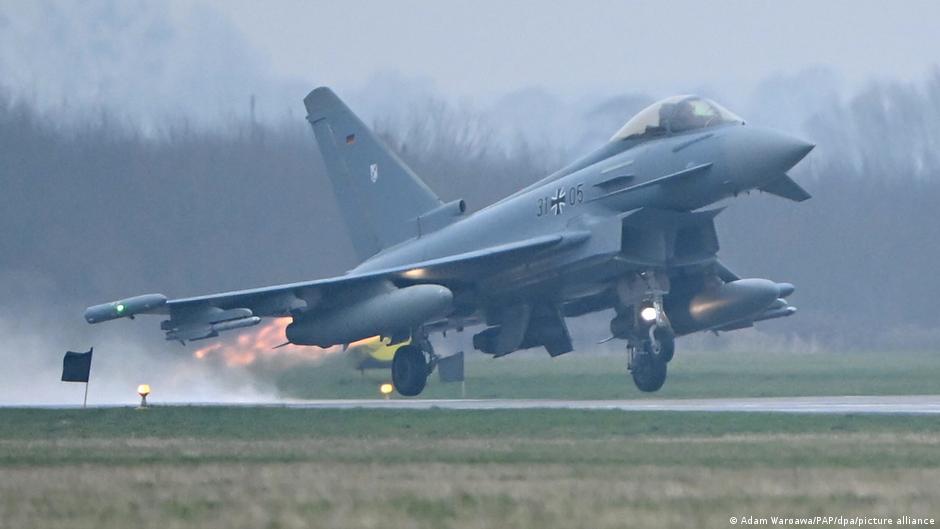
Germany sent four Eurofighters to Latvia for election-period air security, reinforcing NATO’s Baltic deterrence posture amid repeated airspace violations.
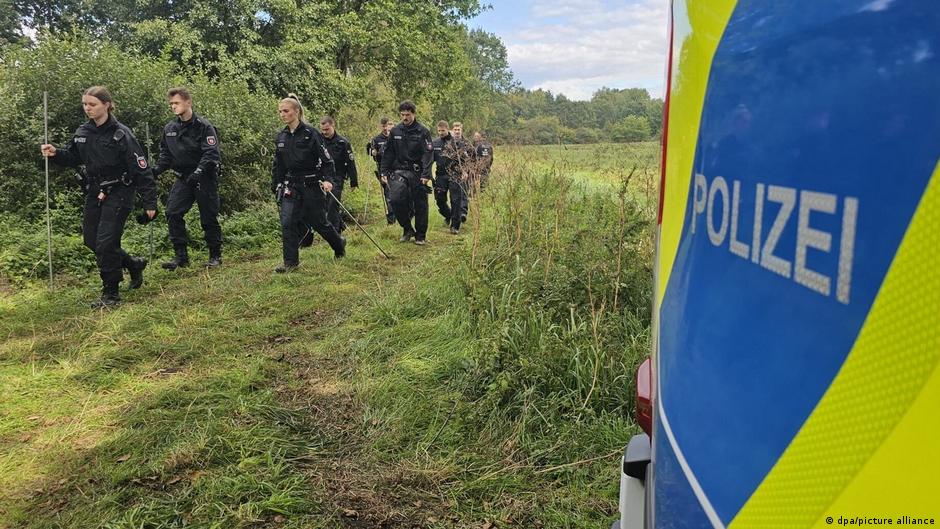
German investigators are probing whether a crashed drone near the Wunstorf air base involved explosives, raising wider infrastructure-risk concerns.
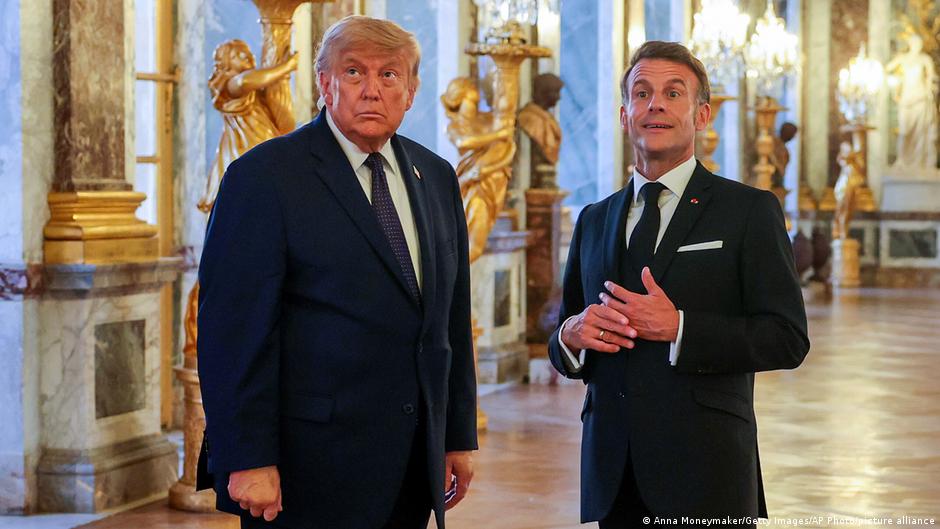
Macron and Trump discussed a moratorium on strikes against Ukraine’s energy and civilian infrastructure and stronger air defenses for Kyiv.
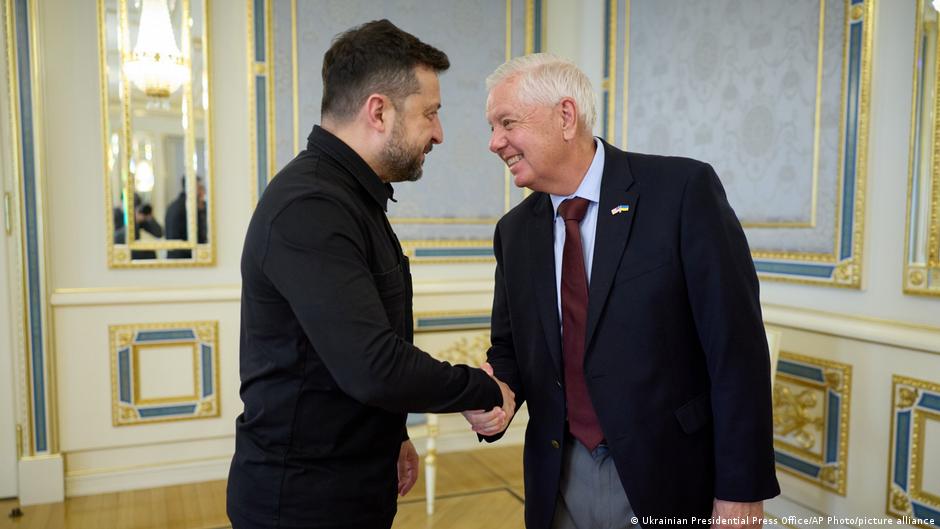
Trump signed the Graham sanctions law, giving the U.S. broad tariff powers over major buyers of Russian energy and sanctions evasion networks.
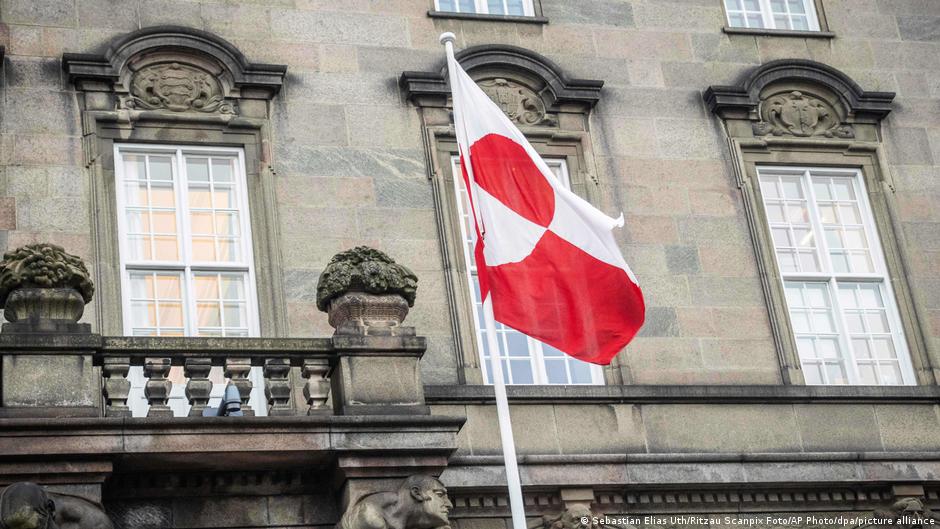
The expected Greenland security deal would expand U.S. military influence in the Arctic while shaping investment and resource policy.
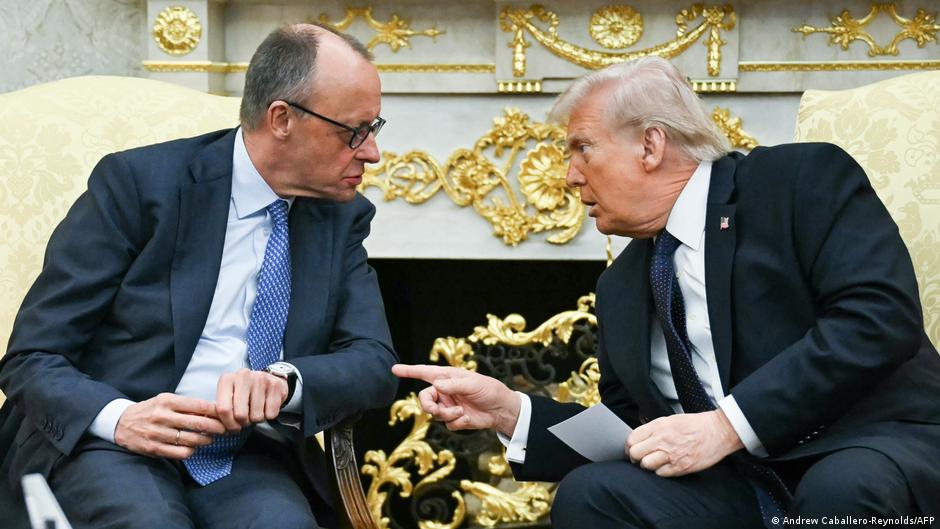
Friedrich Merz says unconditional transatlantic friendship may be over, framing U.S.-German tensions as a strategic test for Germany’s economy.
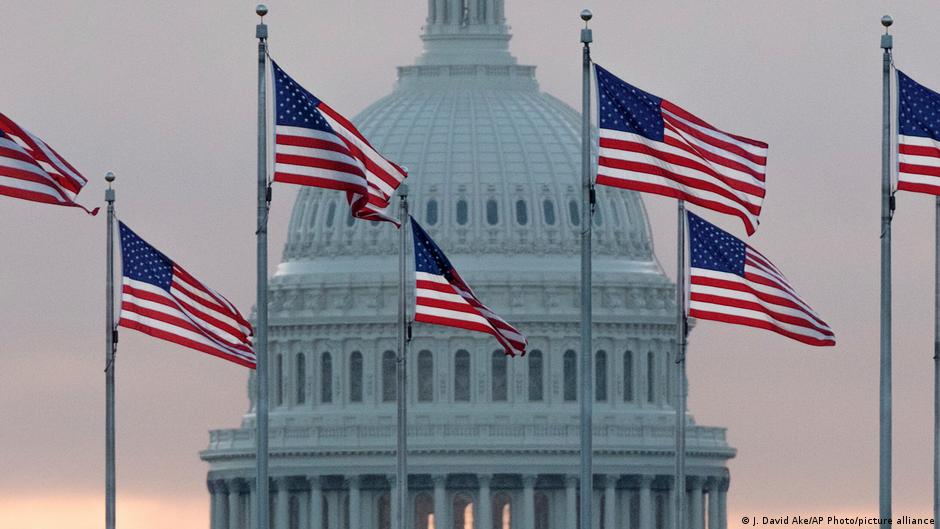
The House opened debate on a bill allowing 100% tariffs on major Russian energy buyers, raising stakes for energy markets and U.S. policy.
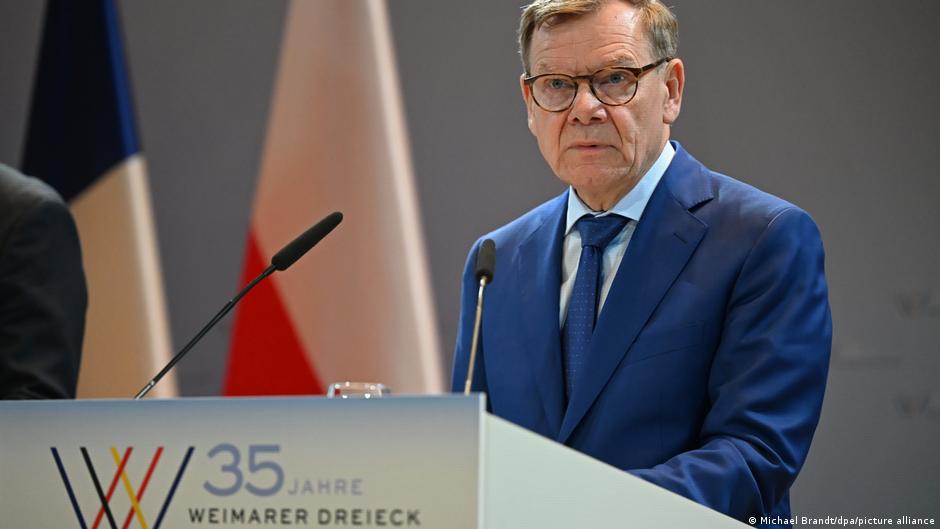
Germany’s foreign minister says Berlin’s defense industry should benefit from Ukraine support, tying aid policy to taxpayer and industrial interests.
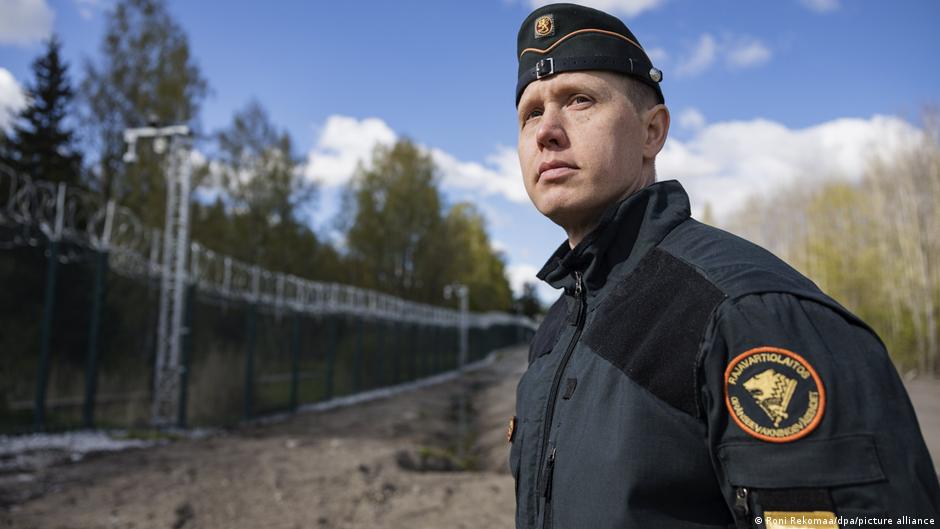
Finland has completed a 200-kilometer border fence with Russia, reflecting Europe’s shift toward security infrastructure amid geopolitical risk.
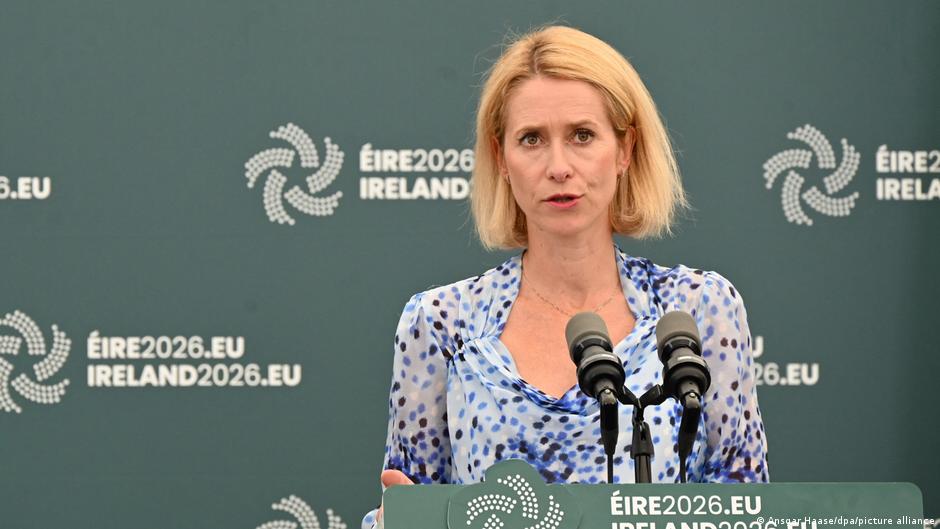
The EU cancelled a planned defence expert group after resistance from Germany and Italy, exposing unresolved tensions over Europe’s security and spending strategy.
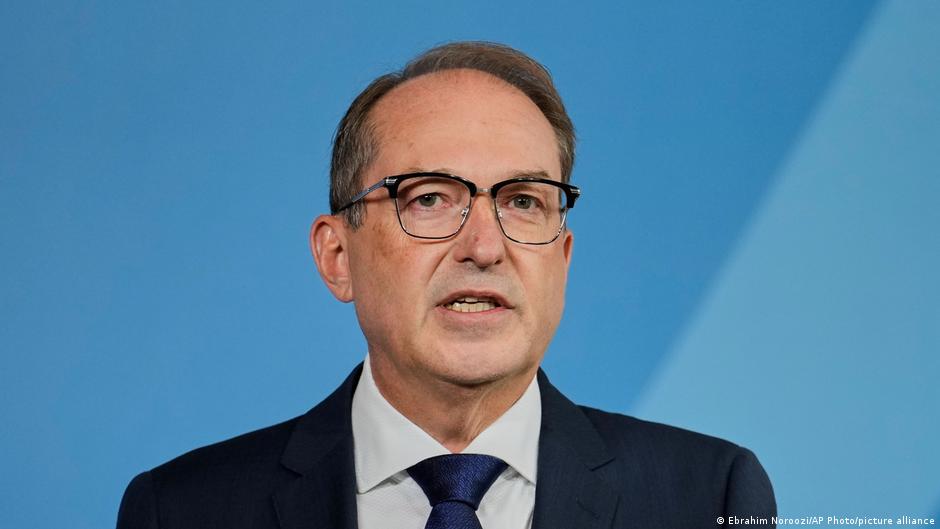
Germany is preparing a broad anti-sabotage shield against Russian hybrid threats, with new drone defenses, cyber monitoring and roles for critical infrastructure firms.

Russia’s covert sabotage of European defense factories tests NATO’s unity and resilience, posing strategic and economic challenges across the alliance.
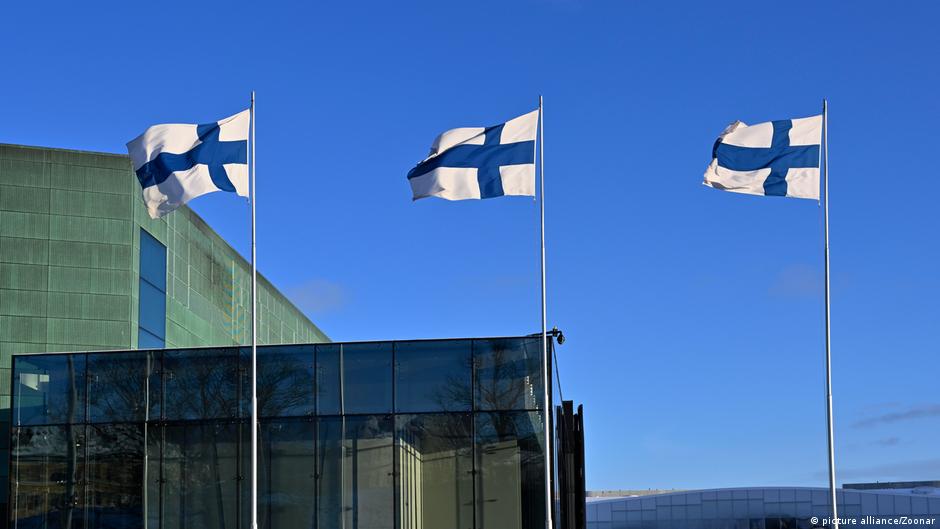
Finland summoned the Russian ambassador after an Il-20 aircraft briefly entered its airspace, highlighting regional security tensions with potential economic ramifications.
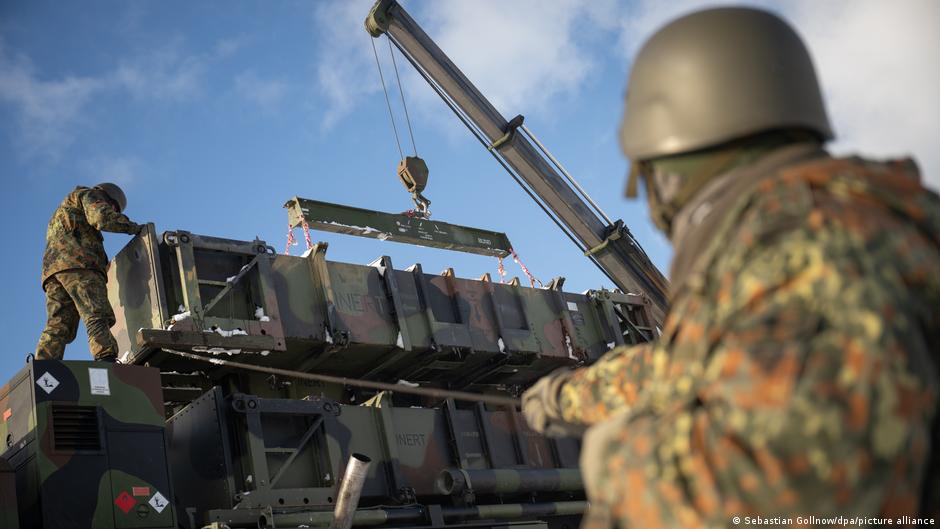
Several hundred Ukrainian soldiers have deserted military training programs in Germany since 2022, revealing new security and policy challenges for European defense cooperation.
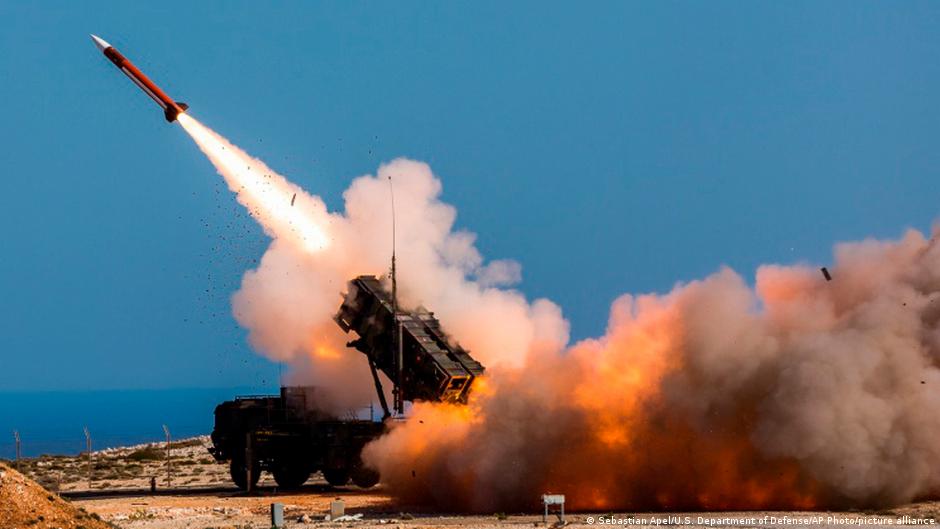
NATO confirms readiness to respond to Iranian threats targeting military bases in Bulgaria and Cyprus, highlighting rising geopolitical tensions with potential economic fallout.
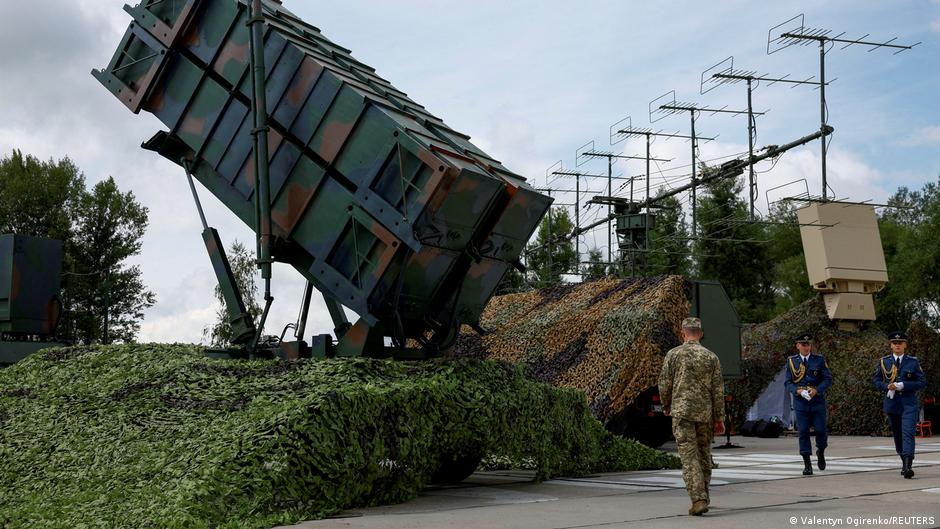
US defense firms warn that licensing Patriot missile tech to Ukraine could lead to enhanced, mass-produced interceptors, raising strategic and economic concerns.
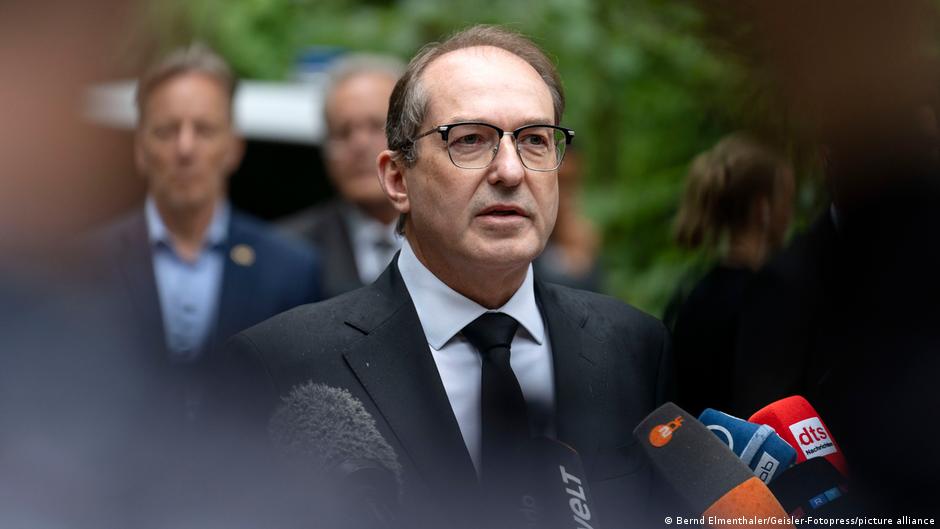
Germany confronts escalating hybrid warfare threats, including explosive drone attacks, prompting new technological defenses amid rising geopolitical tensions in Europe.
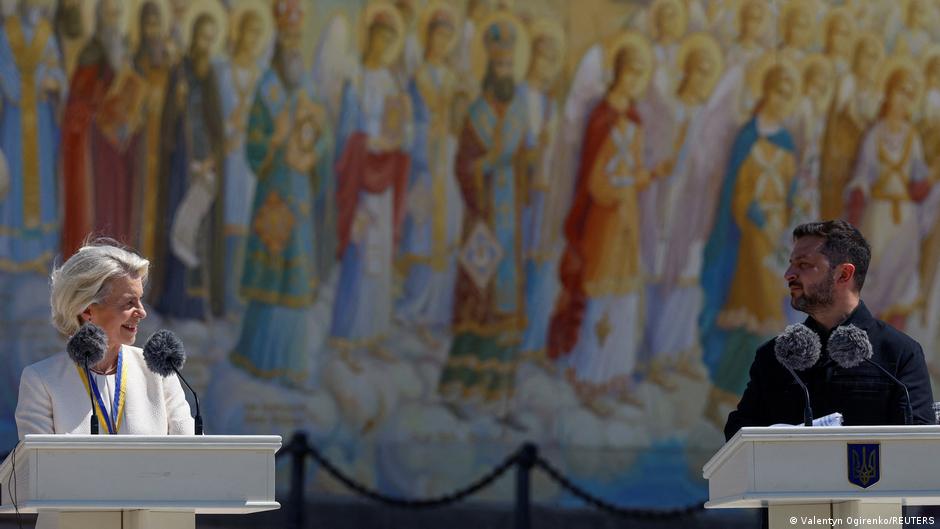
The EU and Ukraine welcome new US sanctions targeting Russia's energy sector and officials, highlighting coordinated Western efforts amid shifting global economic dynamics.
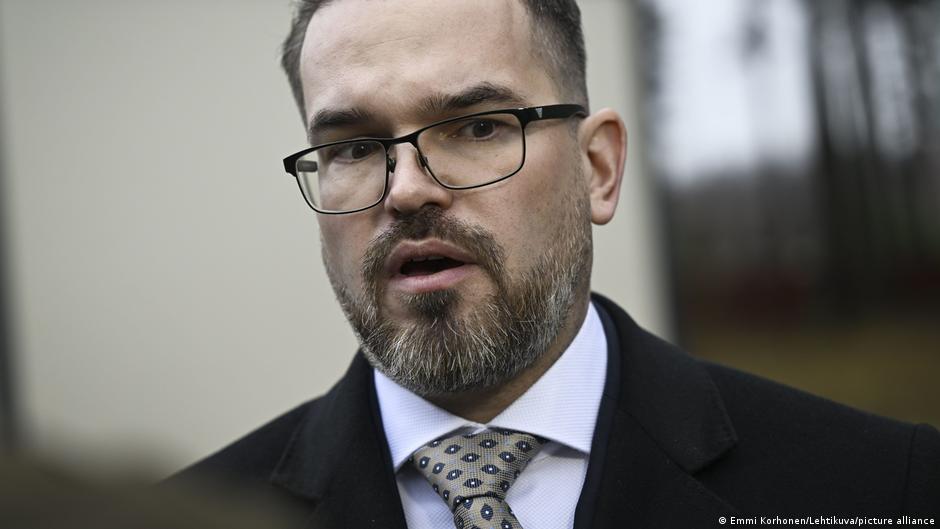
Lithuania warns Russia may use captured Ukrainian drones to attack Baltic critical infrastructure, raising security concerns and challenging NATO's regional defense strategies.
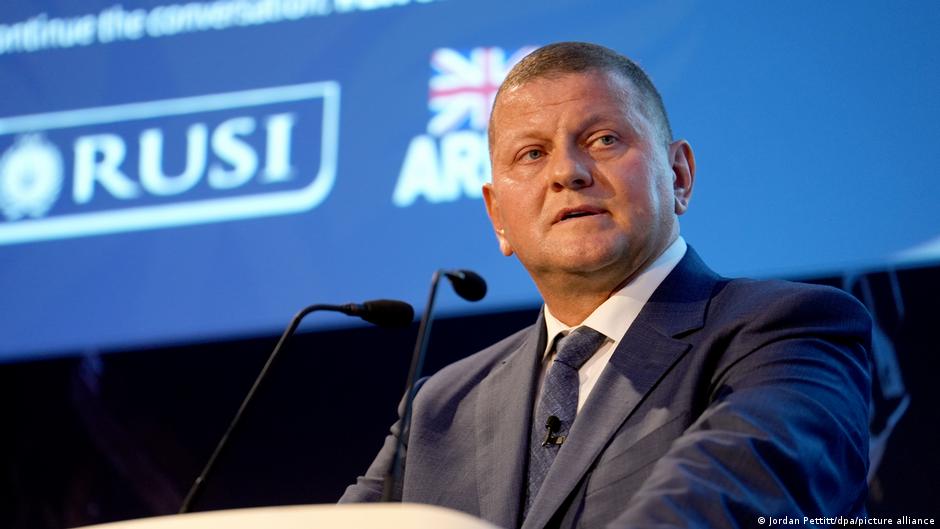
Ukraine’s former military chief Valeriy Zaluzhny forecasts slim chances of NATO membership, urging Kyiv to pursue emerging regional defense coalitions amid evolving security dynamics.
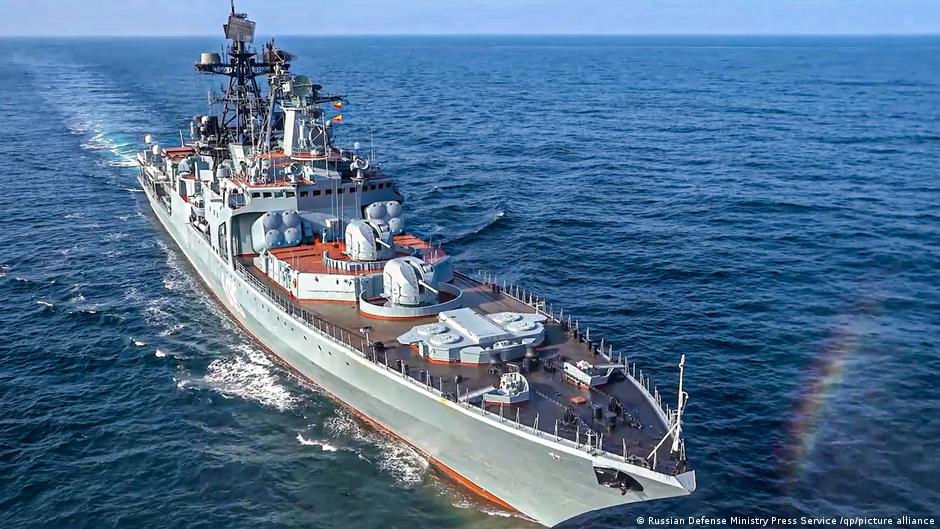
Russia has redeployed the Northern Fleet's large anti-submarine ship Admiral Levchenko near German waters, signaling strategic maritime shifts with significant implications for Baltic security and global trade.
NATO is contemplating deployment of tactical nuclear weapons in Finland, Poland, and Lithuania, marking a strategic shift amid rising security tensions with Russia.
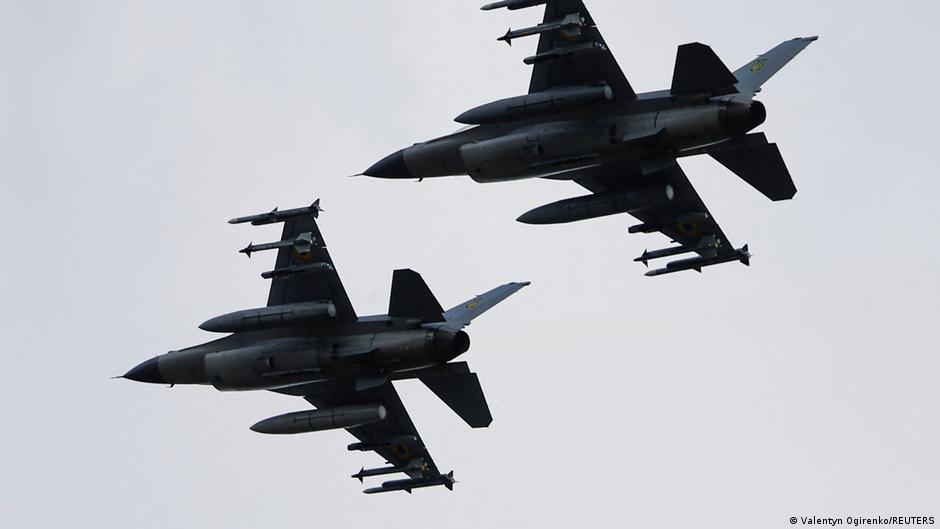
Ukraine’s Air Force lost its fourth F-16 fighter during combat operations, emphasizing operational risks and strategic challenges amid the ongoing conflict with Russia.
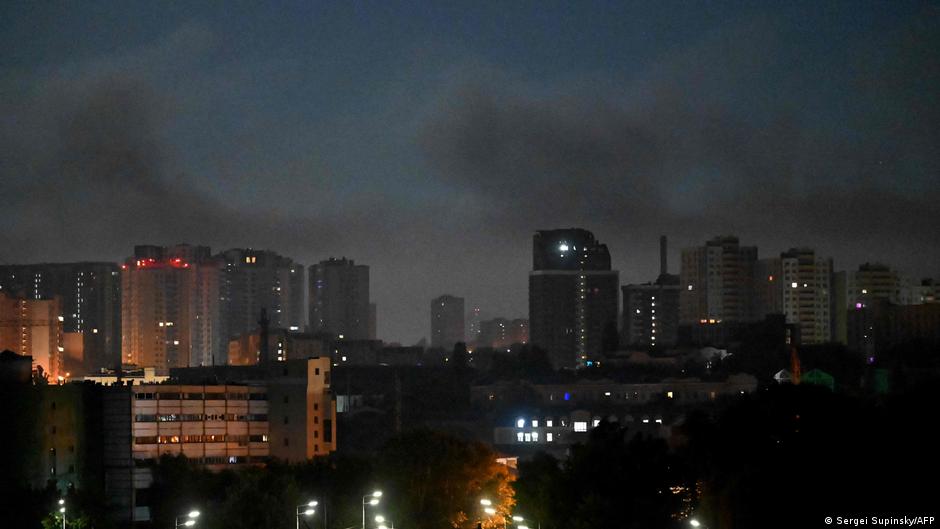
Russian missile and drone attacks across Ukrainian cities cause civilian casualties and infrastructure damage, raising concerns about regional stability and global economic impacts.
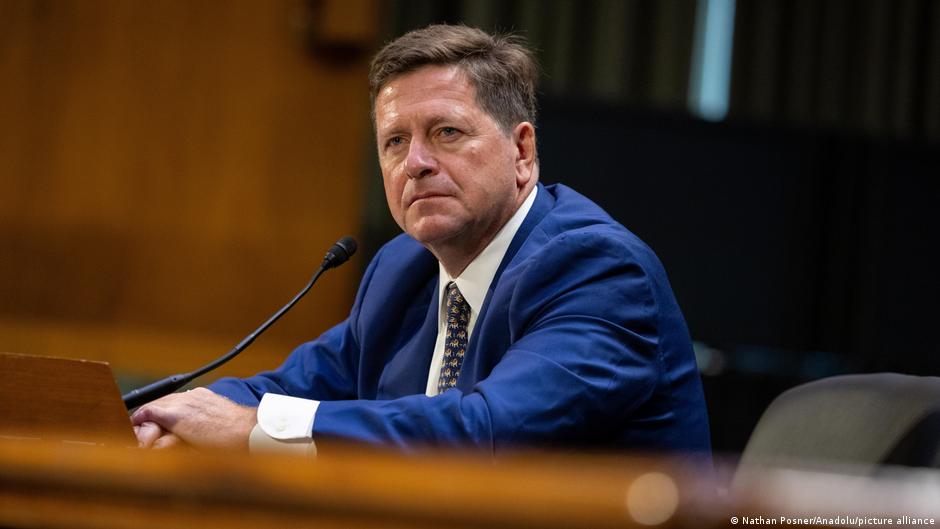
Jay Clayton's confirmation as US Director of National Intelligence raises questions about experience and signals potential shifts in security and economic policy.
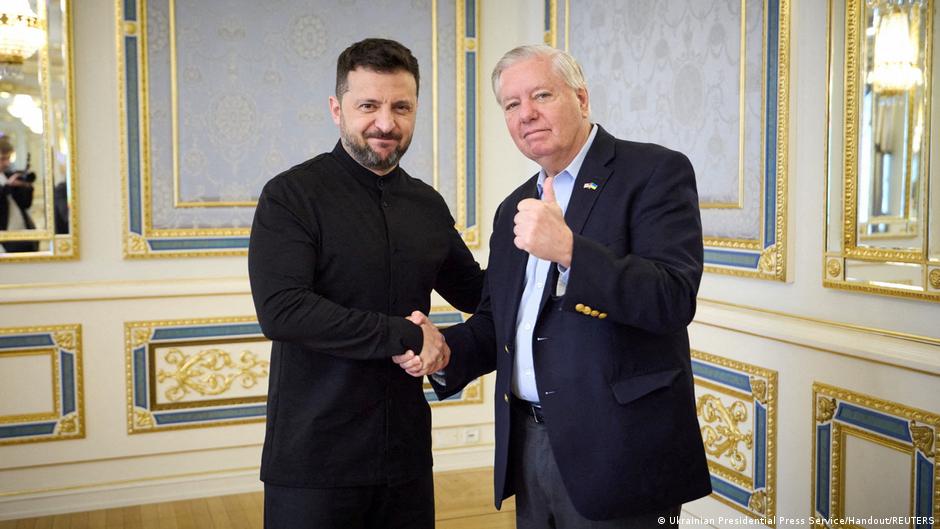
The U.S. Senate moves to impose steep tariffs on Russia and allies, advancing bipartisan sanctions legislation with long-term geopolitical impact.
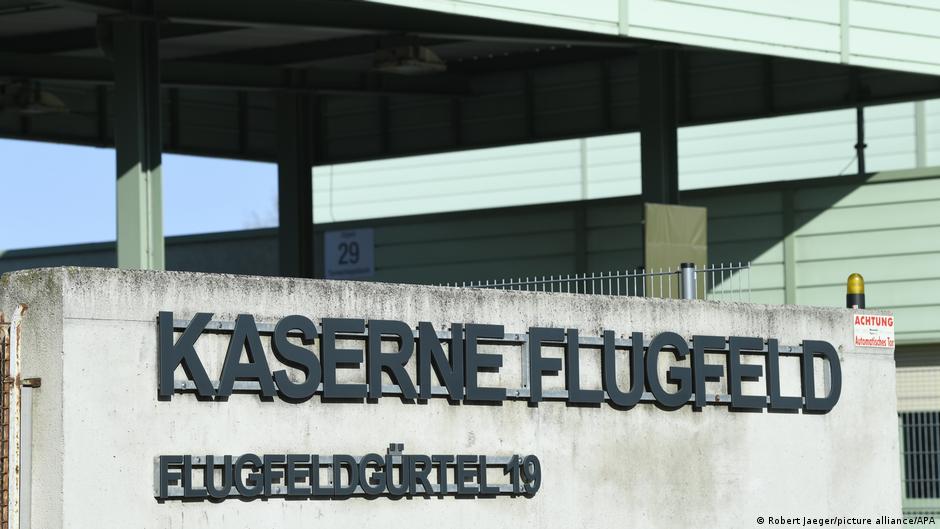
Austria plans to extend mandatory military service to nine months to address new security challenges stemming from geopolitical tensions and hybrid threats.
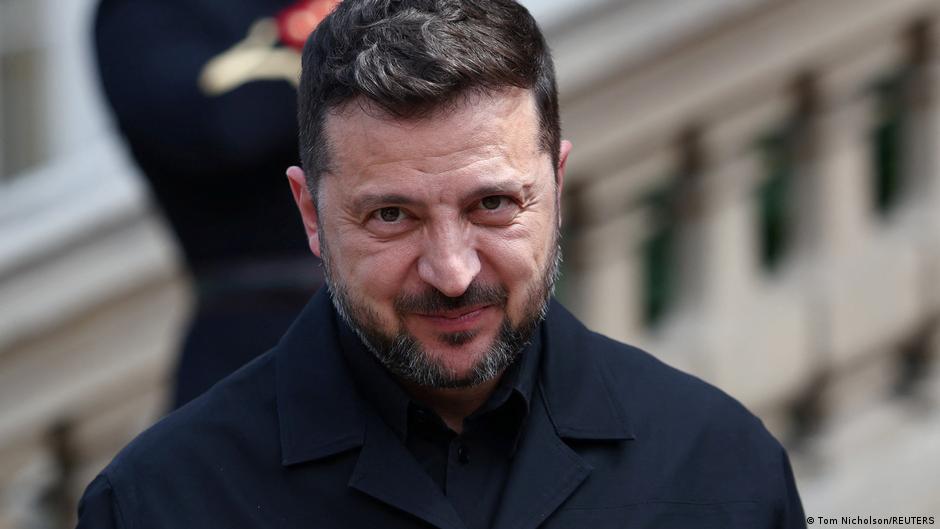
President Zelensky visits Washington to meet all U.S. Senators as the Senate prepares to vote on new sanctions against Russia amid ongoing geopolitical and economic tensions.
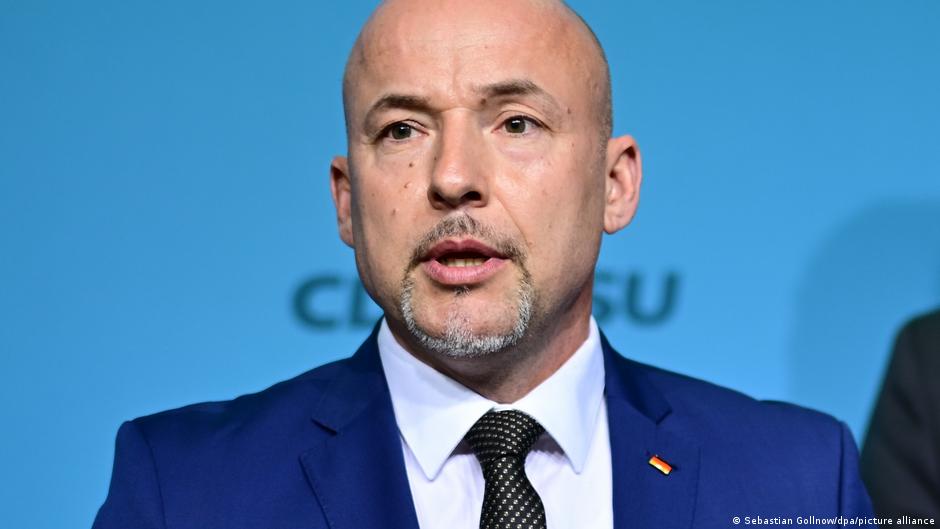
Germany seeks a formal agreement with Ukraine to access advanced drone technologies, aiming to enhance its military capabilities amid ongoing security challenges.
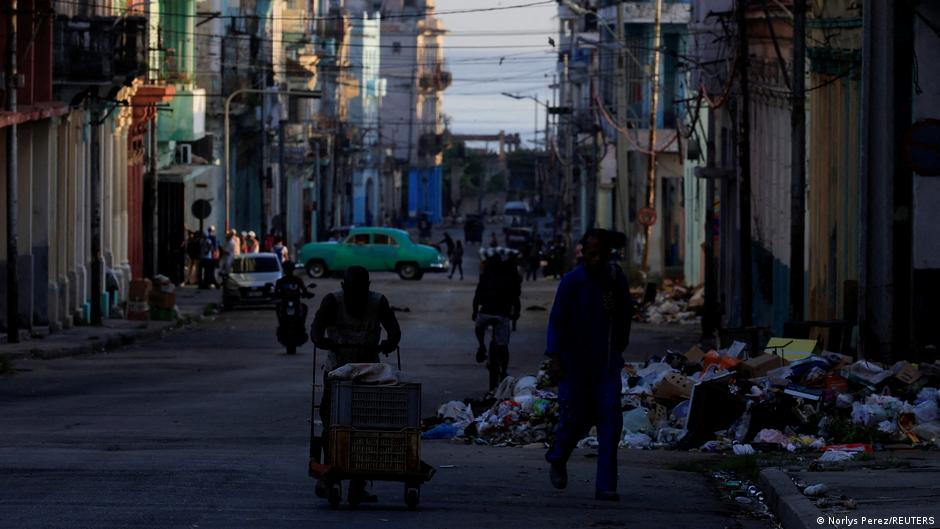
The US has initiated a $100 million humanitarian aid effort to Cuba amid increased sanctions targeting Cuban state enterprises and ongoing military deliberations.
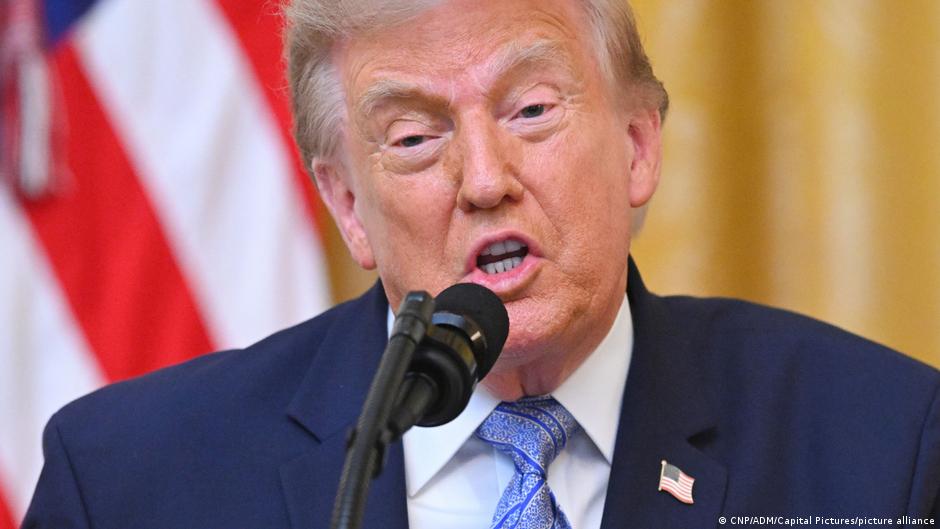
The US imposes 50% tariffs on key Canadian imports, escalating trade tensions and challenging the USMCA agreement with broad economic and policy consequences.
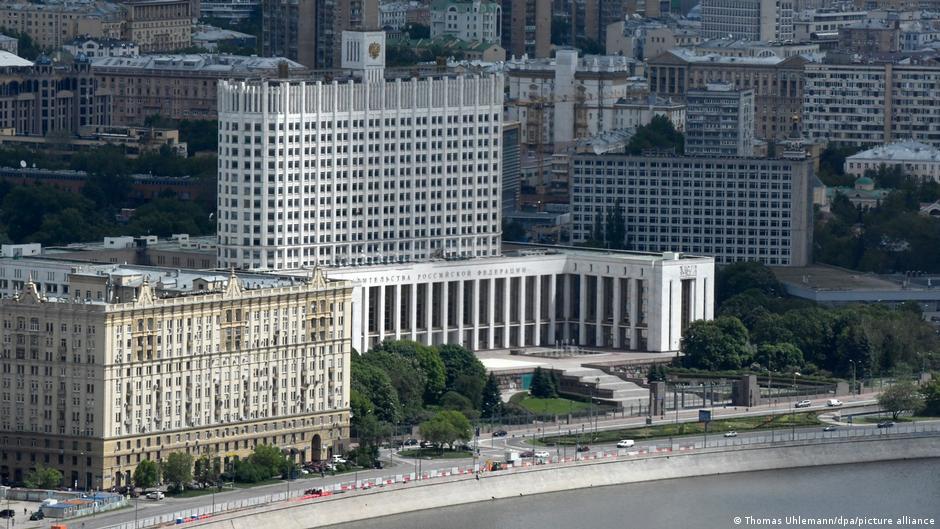
The Russian government proposes expanding criminal convictions eligible for military contracts amid mobilization, signaling deeper labor and defense challenges during ongoing conflict.
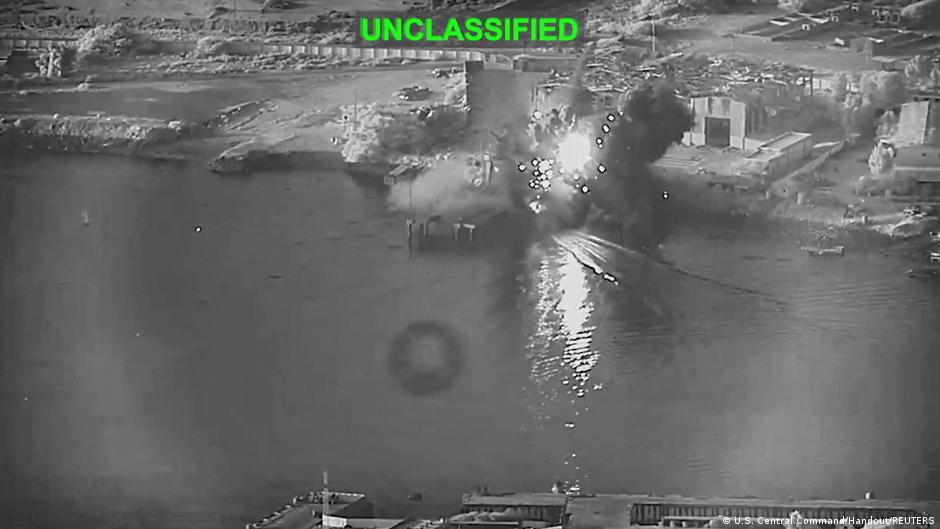
US strikes on Iranian infrastructure escalate tensions, risking broader regional instability and disruptions to global energy markets critical to economic stability.
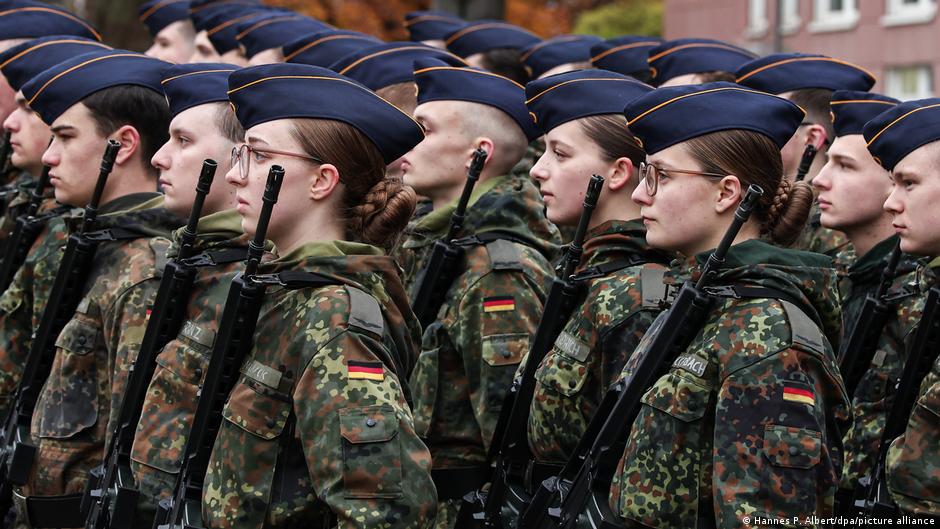
Germany has seen a sharp increase in military service refusals in early 2026, driven by security concerns and conscription reforms aimed at expanding the Bundeswehr’s size.
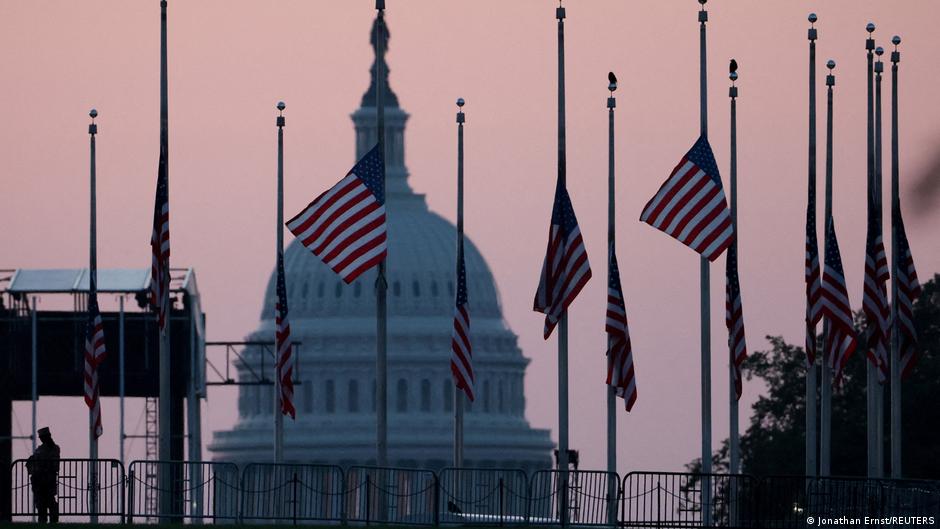
Darlene Graham Norton has been appointed to her late brother Lindsey Graham’s Senate seat, securing the GOP’s fragile majority amid critical national and international issues.
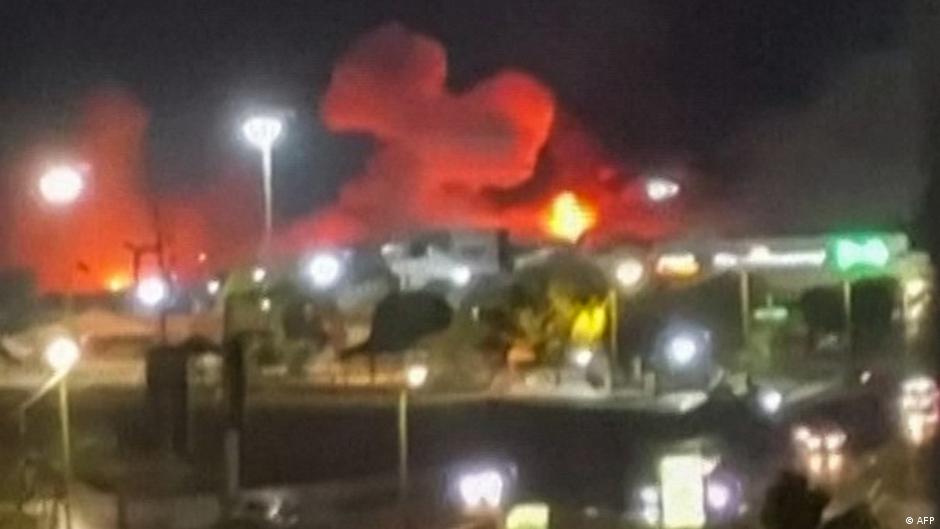
The US has launched new strikes against Iran to secure the strategic Strait of Hormuz, a critical route for global oil trade, amid escalating military tensions and attacks on civilian vessels.
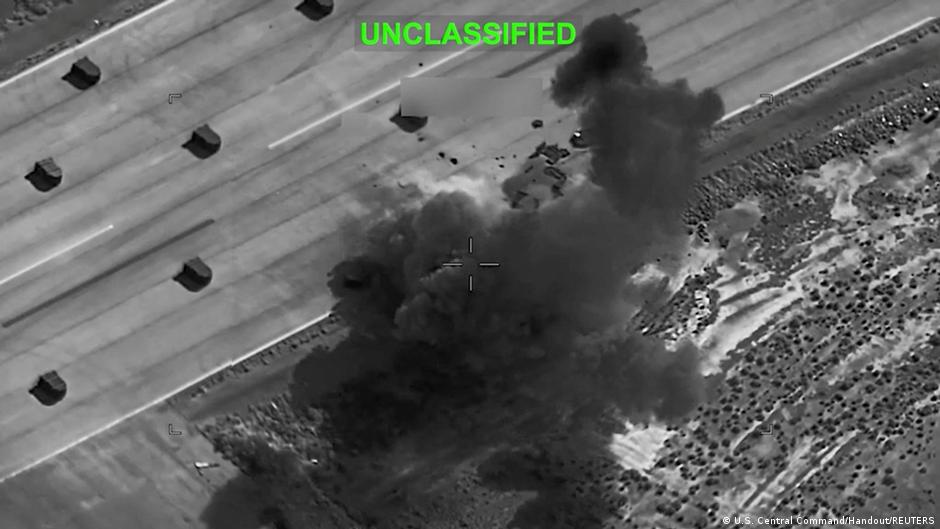
US military strikes on Iran escalate after attacks in the Strait of Hormuz, closing this key oil export route and raising global economic risks.
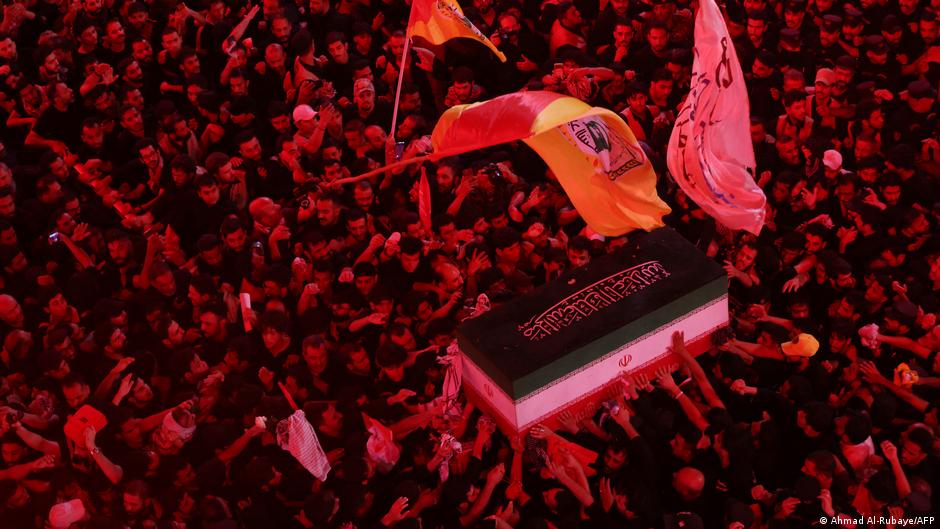
Iran held a private funeral for former Supreme Leader Ali Khamenei amid ongoing U.S.-Iran tensions, with uncertainties around leadership succession and renewed regional hostilities.
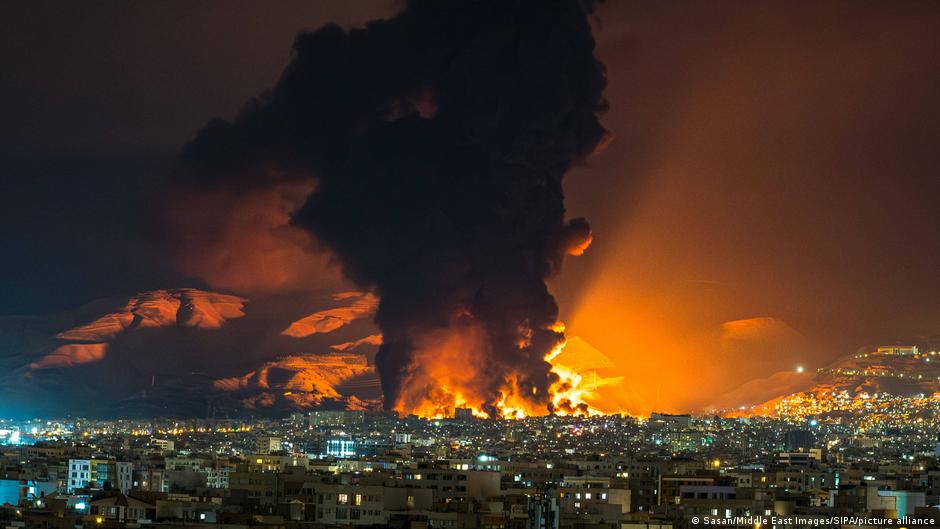
The US has launched new military strikes against Iran to prevent shipping disruptions in the Strait of Hormuz, intensifying regional tensions and threatening global energy security.
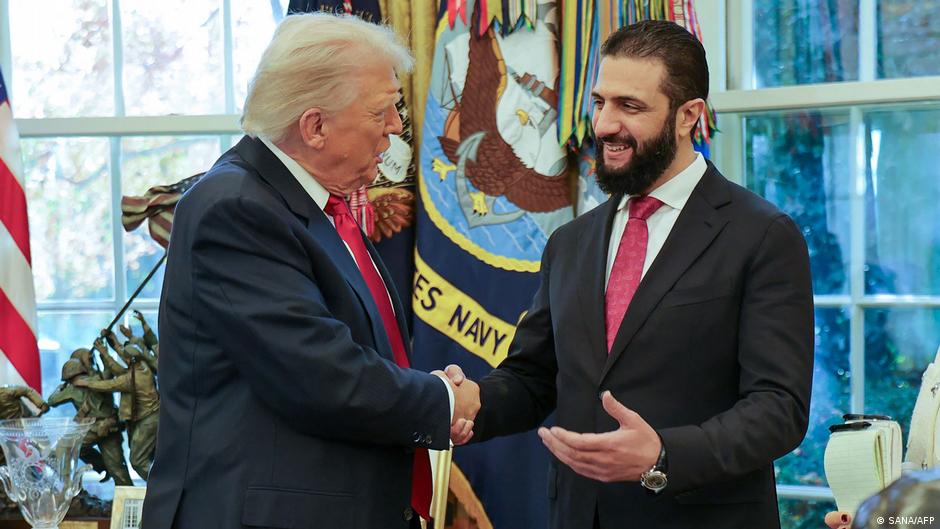
The US plans to remove Syria from the terrorism sponsors list, lifting sanctions and enabling economic reconstruction and reintegration into the global economy.
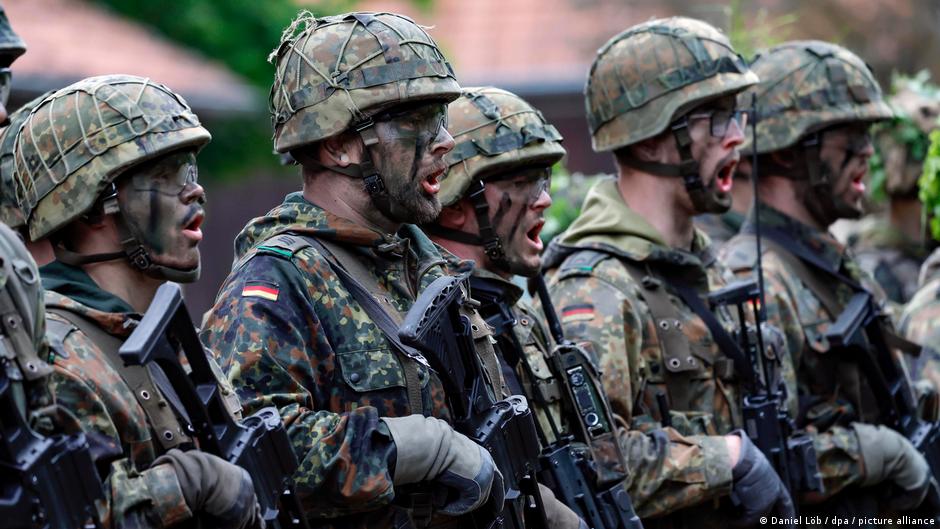
Germany plans a record €124.7 billion defense budget for 2026, marking a 25.5% rise and signaling a major shift in European security and economic policy.