U.S. Senate Votes to End Military Actions Against Iran Amid Ongoing Peace Talks
Senate passes symbolic resolution urging troop withdrawal, reflecting growing concern over prolonged conflict with Iran.
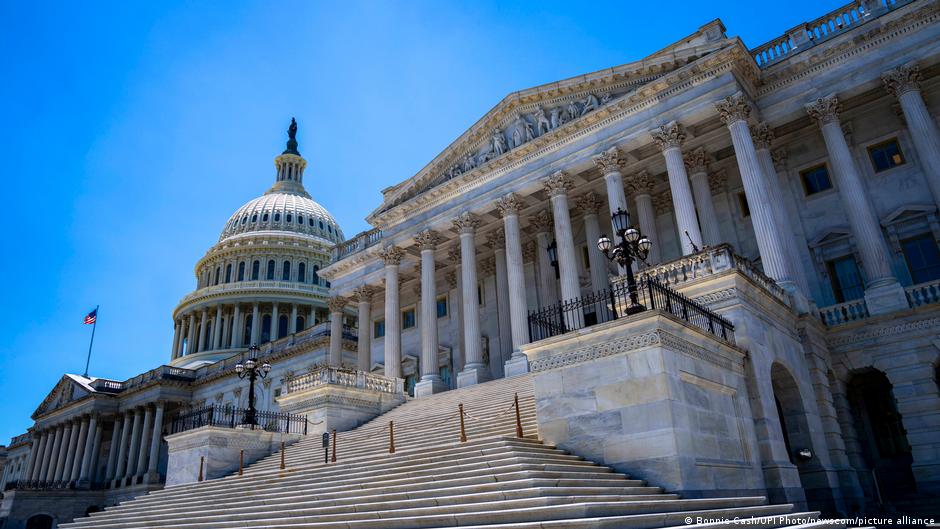
On June 23, 2026, the U.S. Senate voted narrowly to support a resolution calling for the withdrawal of American troops from areas of conflict involving Iran. The resolution, previously approved by the House of Representatives, passed by a 50-48 margin, signaling increased bipartisan unease about the ongoing war that has persisted since February 2026.
While the resolution directs President Donald Trump to remove U.S. military forces from combat zones related to Iran, it is largely symbolic and lacks binding legal authority. The White House has stated that the resolution does not carry legal weight and highlighted that no active combat operations currently require troop withdrawal, citing the ceasefire established on April 17, 2026.
Political and Economic Implications of the Resolution
The Senate vote underscores a significant shift in the U.S. political landscape regarding the Middle East conflict, with some Republican senators expressing concern over the longevity and costs of military engagement. Democratic senators, who spearheaded the resolution, argue that Congress must reclaim its constitutional role in authorizing military actions and prevent unilateral escalations without legislative approval.
"Congress must clearly signal that resumption of hostilities cannot occur without its consent," said leading Democratic lawmakers behind the resolution.
The war and related sanctions have had substantial macroeconomic consequences, affecting global energy markets and international trade flows. Washington and Tehran remain engaged in delicate negotiations aimed at securing a lasting peace agreement, which could stabilize regional tensions and mitigate economic disruptions.
In mid-June 2026, the two nations signed a two-month memorandum of understanding covering cessation of hostilities across all fronts, including Lebanon, sanction relief for Iran, and the establishment of a reconstruction fund. President Trump has noted that progress includes agreements on nuclear oversight, sanctions rollback, and maritime security in the Strait of Hormuz.
Notably, Iran has reportedly consented to allow international inspections of its nuclear facilities, a critical step toward transparency and confidence-building measures. These developments suggest potential for reduced geopolitical risk that could positively influence global markets dependent on Middle Eastern stability.
Long-term Strategic Outlook
Although the resolution lacks immediate enforcement power, its passage may influence future U.S. foreign policy and military strategy toward Iran. It signals Congressional impatience with prolonged conflict and a preference for diplomatic solutions over extended military engagement. For global economic stakeholders, a durable peace agreement could ease supply chain uncertainties and restore investor confidence in the region.
However, the fragile ceasefire remains vulnerable, and intermittent exchanges of hostilities continue. The next phases of negotiation will be critical in determining whether the U.S. and Iran can resolve outstanding issues, including nuclear non-proliferation and sanctions frameworks, to ensure long-term regional stability.
As senior decision-makers monitor these developments, the resolution's symbolic yet politically significant nature highlights the complex interplay between domestic U.S. politics and international economic security in a volatile geopolitical environment.