Belgium Issues Visas to Taliban Representatives for EU Migration Talks Amid Rising Afghan Deportations
Belgium granted one-day visas to five Taliban members to attend EU discussions on Afghan deportations, reflecting complex migration policy challenges.

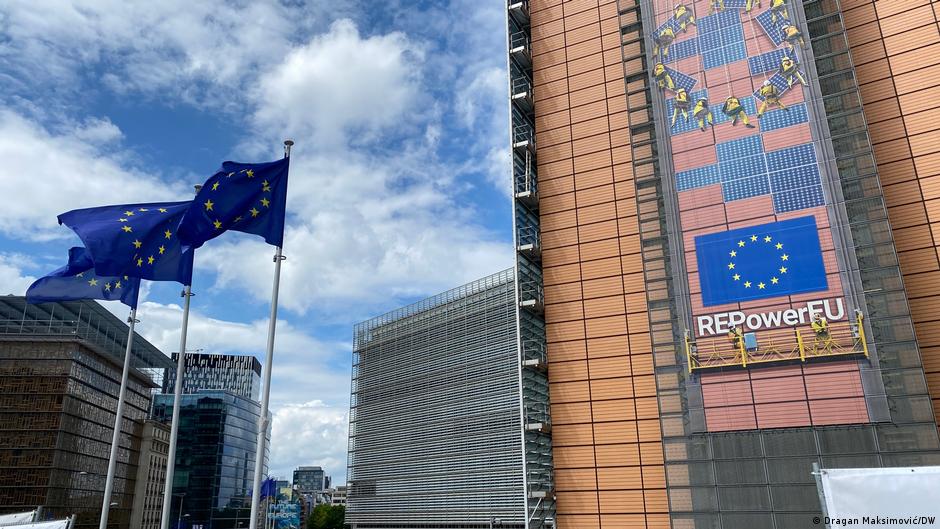
Belgium has issued five one-day visas to representatives of the Taliban to participate in a European Union meeting focused on migration and deportation issues related to Afghanistan. This unprecedented move underscores the growing complexity of managing migration flows and security concerns within the EU, as well as the political nuances of engaging with the Taliban regime.
The Belgian Ministry of Foreign Affairs confirmed that the visas are valid solely for entry and presence in Belgium during the meeting. The exact date of the Taliban representatives' visit was withheld by Belgian officials for security reasons, though reports indicate their arrival in Brussels on June 23.
EU Engagement with Taliban Reflects Shifting Migration Policies
In May, the European Union extended invitations to Taliban representatives to participate in technical-level talks in Brussels aimed at discussing the return of Afghan nationals to their home country. This initiative comes amid rising pressure on EU countries to manage and reduce numbers of asylum seekers deemed ineligible for protection and considered potential security threats.
“The dialogue with the Taliban on deportations is essential to enhance the efficacy of EU migration policies and address the security concerns of member states,” said a senior EU official.
According to Eurostat data, more than one million Afghan asylum applications were filed within EU member states between 2013 and 2024, with roughly half approved. Afghan nationals continue to constitute the largest group seeking asylum in the EU, with applications peaking again in 2025.
Despite the Taliban's takeover of Afghanistan in August 2021, approximately 20 EU countries have resumed or continued deportations of Afghan nationals. Germany alone has deported over 100 Afghans since the start of 2024. However, this trend has sparked criticism from human rights organizations, citing risks of persecution, arbitrary detention, and torture faced by deportees, especially vulnerable groups such as women, journalists, former government employees, and activists.
This development highlights a critical policy dilemma within the EU: balancing humanitarian obligations and international protection standards against domestic security concerns and migration management goals. The engagement with the Taliban at a technical level marks a significant shift in EU strategy, indicating a pragmatic approach to migration governance in the context of evolving geopolitical realities.
As senior policymakers deliberate over the long-term implications, the EU’s approach to Afghanistan-related migration will likely influence broader global discussions on forced displacement, state sovereignty, and international cooperation in migration policy.