Russia Imposes Widespread Fuel Sales Restrictions Amid Strikes on Oil Infrastructure
Ukraine’s drone attacks on Russian refineries have triggered nationwide fuel rationing, signaling deeper disruptions in Russia’s oil sector with global economic ramifications.
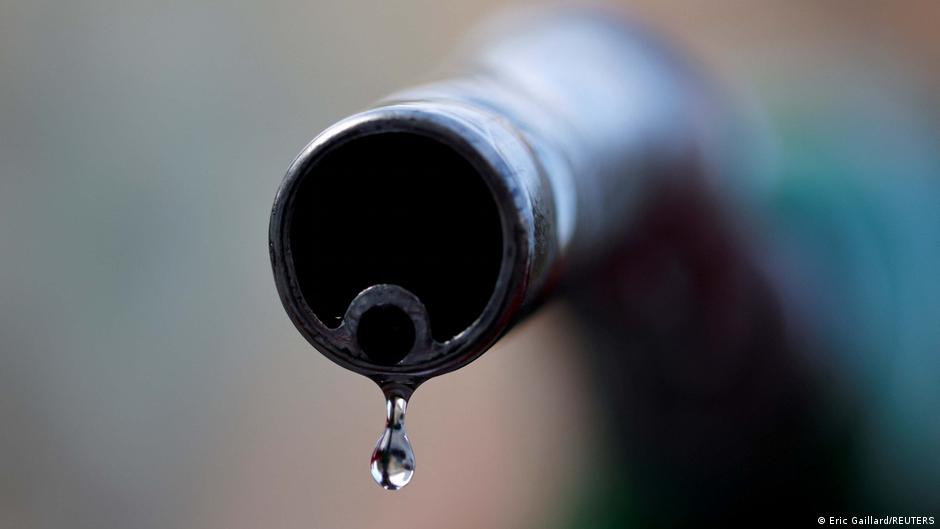
Ongoing drone attacks by Ukraine on Russian oil refineries and storage facilities have significantly disrupted Russia's oil production, prompting authorities to impose strict fuel sales restrictions across more than fifty regions. This development not only highlights vulnerabilities in Russia's energy infrastructure but also carries broader implications for global energy markets and economic stability.
Fuel Rationing Expands Across Russia
From June 23, fuel company Lukoil introduced limits at gas stations in Russia's Voronezh region, capping gasoline sales at 30 liters per refill and diesel at 60 liters. On highways, these limits increase to 60 liters for gasoline and 200 liters for diesel. Similar rationing measures were implemented in other regions, including Omsk, where Governor Vitaly Khotsenko set limits of 40 liters of gasoline and 80 liters of diesel per purchase to curb speculative buying and panic.
Irkutsk's regional governor, Igor Kobzev, reported that some gas stations have already stopped serving customers or introduced sales caps amid the ongoing fuel crisis. The authorities have admitted to operating in a "manual mode" to manage the situation effectively. Saratov's governor, Roman Busargin, also announced a temporary ban on selling more than 30 liters of gasoline per vehicle from June 23 to 30.
Additional regions affected by these restrictions include Amur, Tambov, Lipetsk, Tula, Tver, and Vladimir oblasts. According to estimates from independent analyses, more than 53 Russian regions, including annexed territories in Ukraine, face fuel shortages or rationing measures as of mid-June.
Underlying Causes and Broader Economic Implications
In May, Russian oil production hit a one-year low following intensified drone strikes targeting key oil processing plants and storage hubs. Reuters reports that by late May, nearly all major oil industry installations in central Russia had to scale back or halt operations due to damage and operational challenges.
"The sustained disruption of oil refining capabilities in Russia reveals critical weaknesses in its energy infrastructure, with ramifications that extend beyond its borders," energy analyst Dmitry Ivanov commented.
This deteriorating situation may exacerbate existing pressures on global energy supplies, potentially contributing to increased volatility in oil prices. Given Russia’s significant role as a major oil exporter, sustained production declines and domestic consumption restrictions could ripple through international markets, influencing inflation and energy security policies worldwide.
Moreover, the enforced fuel rationing reflects a shift in Russia’s internal economic management, emphasizing short-term crisis control over long-term energy strategy. Policymakers globally will be closely monitoring these developments, as prolonged disruptions in Russian oil output could accelerate shifts in global energy alliances and investment flows toward alternative sources.