US Imposes New Sanctions on Cuban State Companies Controlling 40% of GDP
Washington targets five key Cuban state enterprises, escalating economic pressure with broad geopolitical implications.
The United States government has intensified its economic pressure on Cuba by imposing new sanctions on five major state-owned companies that collectively control approximately 40% of the island nation’s GDP. The move marks a significant escalation in US-Cuba relations, underscoring the continued strategic focus on Cuba amid complex geopolitical dynamics.
Sanctions Target Cuban Economic Powerhouses and Leadership Connections
Announced on June 23, the sanctions primarily affect companies linked to the Grupo de Administración Empresarial S.A. (GAESA), a conglomerate managed by Cuba’s Revolutionary Armed Forces. GAESA is estimated to hold liquid assets worth $14.5 billion as of 2024, making it a central economic actor in Cuba.
The targeted entities operate across critical sectors including exports, imports, foreign investments, financial operations, and raw steel production. The sanctions also extend to the spouse of Alejandro Castro, head of Cuba’s National Security Council and son of former leader Raúl Castro, signaling a broader strategy to pressure the Cuban regime’s inner circle.
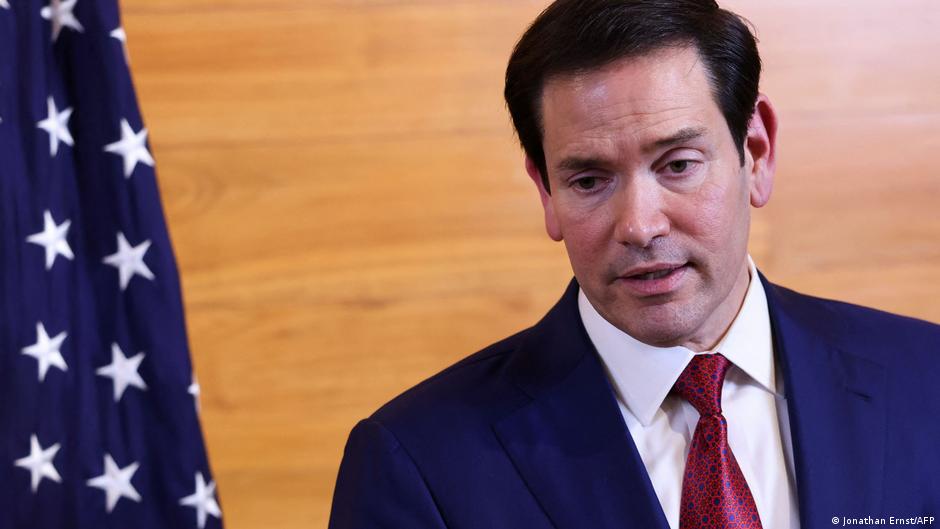
US Secretary of State Marco Rubio emphasized that the Cuban government exploits GAESA to enrich itself, finance repressive activities, espionage, and anti-American operations.
The US administration’s rationale highlights the intertwining of Cuba’s military-controlled economic interests with governance and security functions, framing the sanctions within a wider policy aimed at undermining the regime’s financial foundations.
Global and Regional Economic Consequences
The sanctions carry significant implications not only for Cuba’s domestic economic stability but also for global investors and multinational companies operating in the Caribbean. By restricting foreign investments and financial transactions related to these key enterprises, the US aims to isolate Cuba economically and limit its access to international markets.
From a macroeconomic perspective, the move could exacerbate Cuba’s already constrained economic environment, potentially impacting GDP growth, foreign direct investment inflows, and the broader trade balance. The restrictions also complicate regional economic cooperation efforts and could prompt realignments as Cuba seeks alternative partners.
Furthermore, the US’s decision coincides with a recent ruling by the US Supreme Court that strengthens the ability of American firms to seek compensation for properties nationalized during Fidel Castro’s regime. Notably, ExxonMobil now has legal grounds to claim damages related to assets including oil refineries and gas stations seized in the 1960s, with potential claims estimated up to $1 billion.
This judicial development may intensify tensions between Washington and Havana, signaling a more confrontational phase in bilateral relations that could influence US foreign policy in the region and impact global energy markets.
Cuban Government’s Response and Strategic Outlook
Cuba’s Foreign Minister Bruno Rodríguez condemned the sanctions as "ruthless aggression and collective punishment," dismissing US Secretary of State Rubio as "dishonest and deceitful." The Cuban government perceives these moves as part of a broader campaign to destabilize its governance and economic model.
The evolving US sanctions regime against Cuba reflects a strategic shift towards leveraging economic tools to achieve political objectives. For senior decision-makers, understanding these developments is critical as they affect geopolitical stability, trade dynamics, and policy formulation across the Americas.