Russia’s Oil Exports Reach Highest Weekly Volume Since Early 2026 Amid Market Shifts
Russia boosts sea oil exports to record levels despite increased competition and falling global prices triggered by US-Iran diplomatic progress.
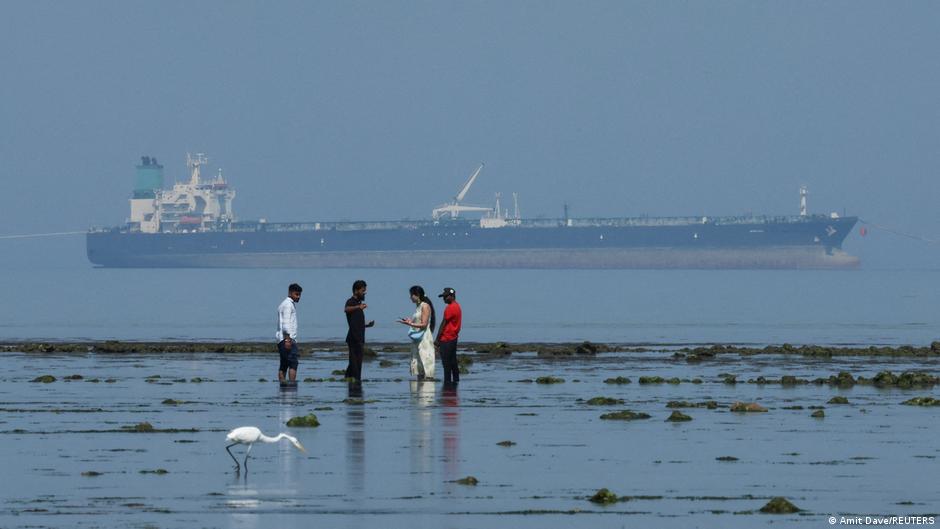
In a notable development for global energy markets, Russia has increased its maritime oil exports to the highest weekly volume recorded since the beginning of 2026. This surge has occurred despite the recent lifting of US sanctions on Iranian oil, which has intensified competition in key markets such as India.
According to industry analysts, between June 15 and June 21, 38 tankers loaded a total of approximately 28.79 million barrels of Russian crude, averaging about 4.11 million barrels per day. This figure marks the largest weekly volume since January 2026 and surpasses the average annual export levels Russia has maintained since the full-scale conflict in Ukraine began.
Sanctions Suspension and Market Dynamics
The rebound in Russian oil shipments has been facilitated by the temporary suspension of US sanctions on Russian crude oil that is already at sea. This regulatory relaxation was implemented to alleviate the fuel supply crisis triggered by the blockade of the Strait of Hormuz amid escalating tensions with Iran. The US government authorized this exemption until June 17, though no announcement has been made regarding its extension.
"The temporary easing of sanctions allowed Russia to clear its maritime oil stockpiles, maintaining export momentum despite geopolitical uncertainties."
However, the positive export volumes come alongside a downturn in revenue. The US and Iran recently signed a memorandum of understanding that effectively reopens the Strait of Hormuz and removes port blockades imposed on Iran. This development has led to a roughly 16% decline in global oil prices, intensifying pressure on Russian crude valuations.
Data from Argus Media reveal that prices for key Russian crude grades, including Urals and ESPO, have dropped approximately 20% over the last week. Bloomberg also highlights the impact of recurrent Ukrainian military strikes on Russian refineries, potentially forcing Moscow to export more unrefined crude rather than processed products, which could further depress prices.
Long-term Implications for Global Energy Markets
The return of Iranian oil supplies is expected to displace some Russian crude on the Indian market, historically a vital destination for Russian exports. To retain market share, Russia may have to deepen export discounts, potentially affecting its fiscal revenue streams derived from oil exports.
For senior policymakers and economic strategists, these developments underline a complex interplay between geopolitical shifts and global energy supply chains. The temporary easing of sanctions, the reopening of strategic maritime routes, and military actions in key production regions collectively contribute to volatility in supply and price dynamics.
In the medium to long term, Russia’s ability to sustain export volumes amid declining prices and market competition will have significant ramifications for its economic resilience and for global energy security. The necessity to export more crude at lower prices may constrain Russia’s fiscal capacity, influencing its broader macroeconomic stability and geopolitical posture.