U.S. Senate to Meet Ukrainian President Zelensky Amid Sanctions Vote and Geopolitical Shifts
All 100 U.S. Senators invited to meet President Zelensky during his Washington visit as Senate prepares to vote on expanded sanctions against Russia.
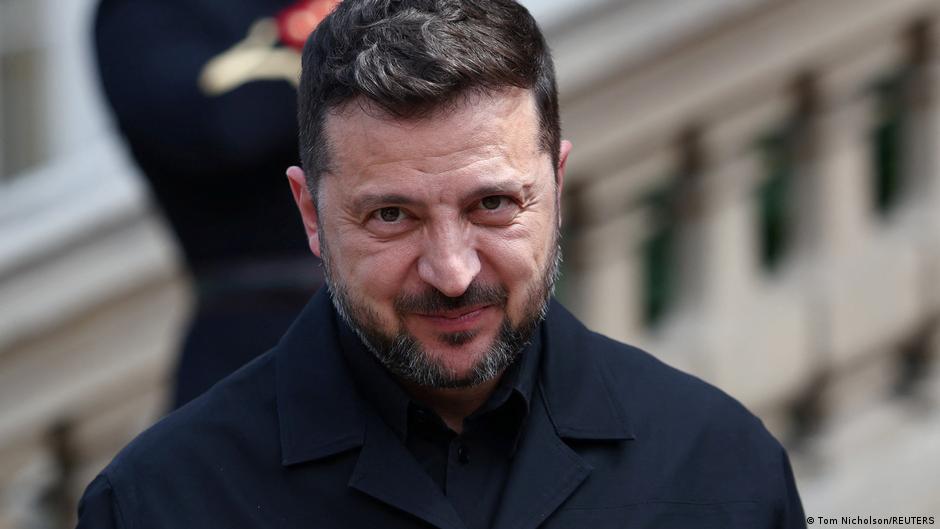
Ukrainian President Volodymyr Zelensky is set to visit Washington, D.C., coinciding with the funeral of late Republican Senator Lindsey Graham. In a significant bipartisan move, all 100 members of the U.S. Senate have been invited to a meeting with Zelensky at the Capitol on Tuesday evening, underscoring the high-level engagement on Ukraine amid ongoing geopolitical tensions.
Sanctions Legislation and Strategic Diplomacy
The Senate is expected to initiate voting on a new sanctions bill targeting Russia during Zelensky’s visit. The legislation, developed with the involvement of Senator Lindsey Graham prior to his passing, aims to intensify economic pressure on Moscow. Senator Graham had recently met with Zelensky in Kyiv on July 10, marking one of his final diplomatic engagements.
“Now is the time to end the war,” a White House representative emphasized regarding discussions between the U.S. and Ukrainian leadership.
President Donald Trump has expressed strong support for the sanctions bill and has advocated for the inclusion of expanded restrictions against Iran and the Lebanese Shiite militant group Hezbollah. This aligns with a broader U.S. strategic effort to address multiple regional conflicts simultaneously.
Moreover, on July 28, President Trump is scheduled to hold separate meetings with President Zelensky and Israeli Prime Minister Benjamin Netanyahu. These talks are expected to focus on the conflicts in Ukraine and the Middle East, reflecting the interconnected nature of current U.S. foreign policy challenges.
According to a White House spokesperson, discussions with Netanyahu will cover the progress of negotiations with Lebanon and efforts to deepen the Abraham Accords, which seek to normalize relations between Israel and various Muslim-majority countries. Parallel talks with Zelensky will concentrate on advancing the peace process between Russia and Ukraine.
Implications for Global Economic and Security Policies
The timing of Zelensky’s visit and the Senate’s impending vote on sanctions signal a pivotal moment for U.S. economic policy and international diplomacy. Enhanced sanctions could further isolate Russia economically, impacting global energy markets and supply chains, while also influencing geopolitical alliances.
Ukrainian and U.S. officials have reportedly explored the possibility of proposing a ceasefire in the airspace as part of broader negotiations to end the conflict, indicating a willingness to seek diplomatic solutions amid ongoing hostilities.
This convergence of legislative action and high-level diplomacy highlights the United States’ commitment to shaping the trajectory of the Ukraine conflict and related regional dynamics. For senior decision-makers, these developments underscore the necessity to anticipate shifts in economic sanctions regimes and the potential ripple effects on international markets and security frameworks.