Business
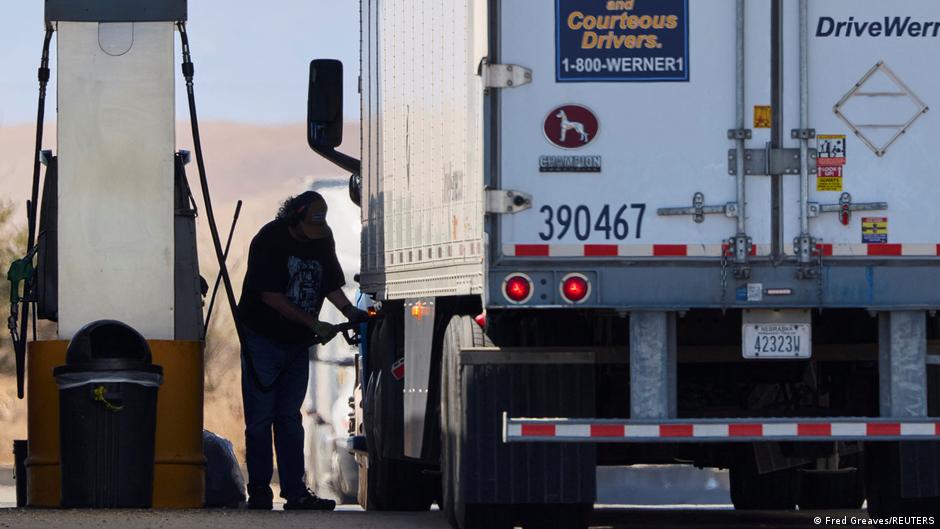
US Senators Urge Trump to Reverse Russian Diesel Deal With Putin
A bipartisan Senate group says Trump’s Russian diesel deal would offer little price relief while funding Moscow’s war effort.
By Editorial Team — October 14, 2026
A bipartisan Senate group says Trump’s Russian diesel deal would offer little price relief while funding Moscow’s war effort.
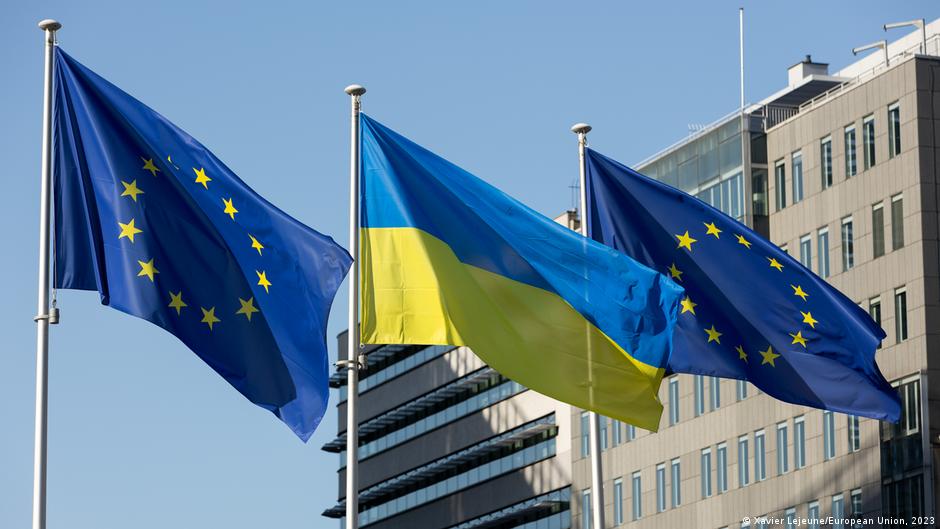
EU states agreed to open internal market and competitiveness accession clusters for Ukraine and Moldova, deepening economic integration talks.
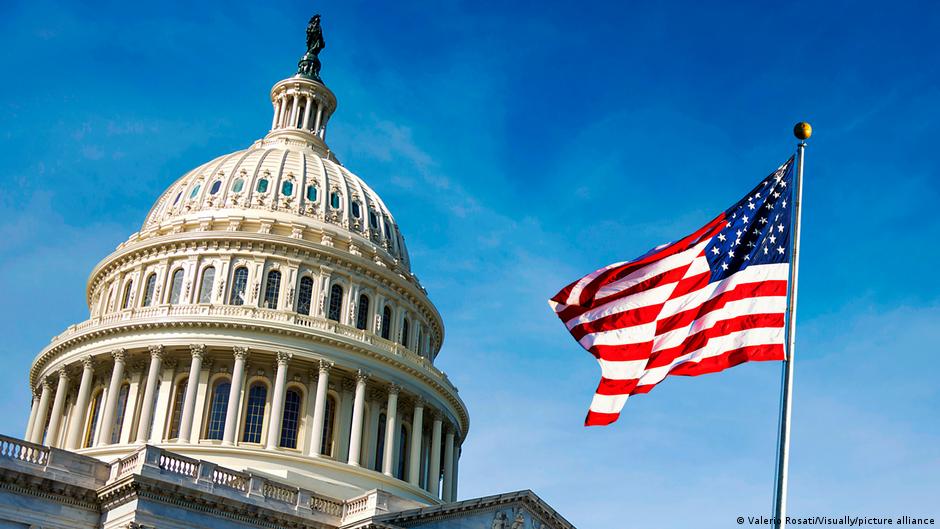
Trump said Putin is more interested than Zelensky in a Ukraine peace deal as Kyiv urged U.S. pressure over an energy ceasefire.
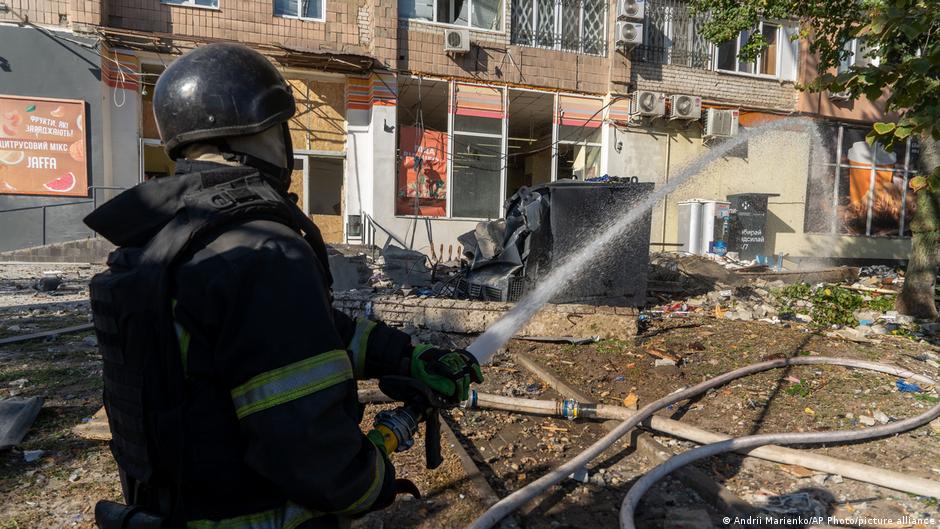
Washington’s reported threat to block a Ukraine arms channel highlights the growing economic stakes of energy infrastructure strikes.
A bipartisan House bill would seek to ban Russian oil purchases, challenging Trump’s reported diesel supply agreement with Moscow.
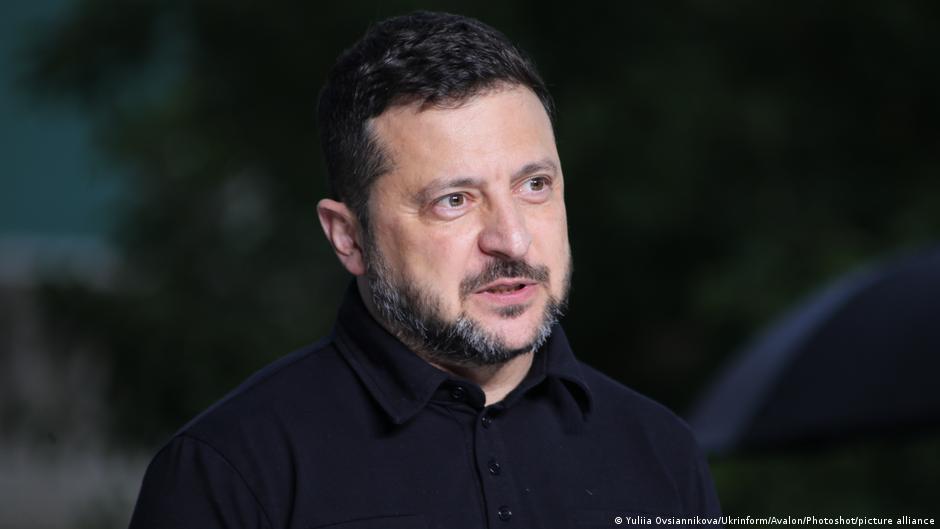
Zelensky warned that easing Russian diesel export limits without de-escalation would strengthen Moscow and risk prolonging the war.
Ukraine will discuss a new U.S.-linked peace proposal as Kyiv urges tougher sanctions on Russia and broader Starlink access.

A tanker fire off Sochi adds to concerns over Black Sea shipping risk, Russian oil logistics, sanctions enforcement, and energy trade routes.
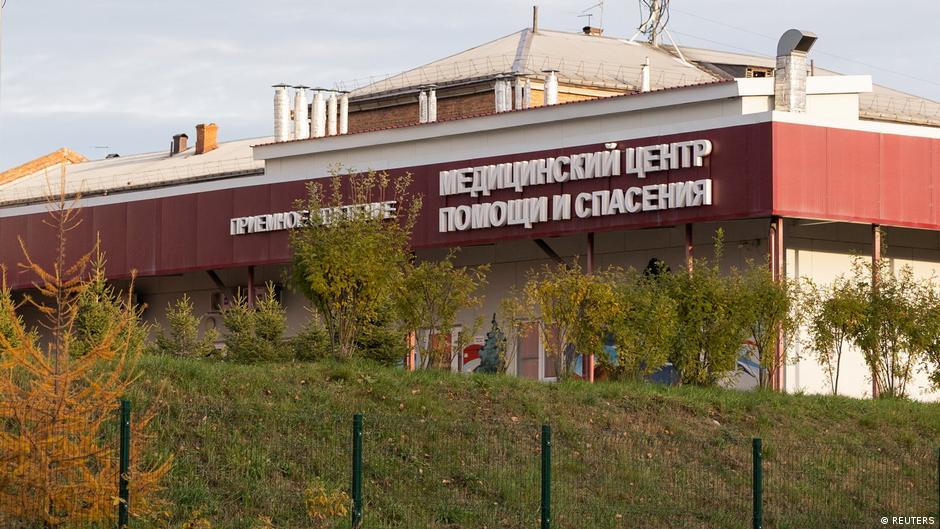
Trump plans a Putin call as WHO seeks details from Russia over reports tied to a possible plague-related death in Irkutsk.
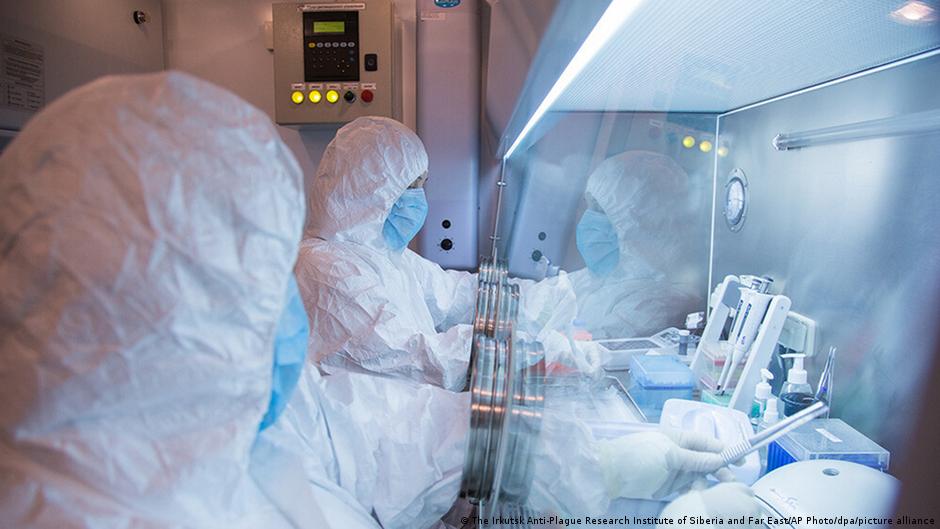
The White House is monitoring reports from Irkutsk as neighboring states tighten health controls and Trump offers U.S. assistance.
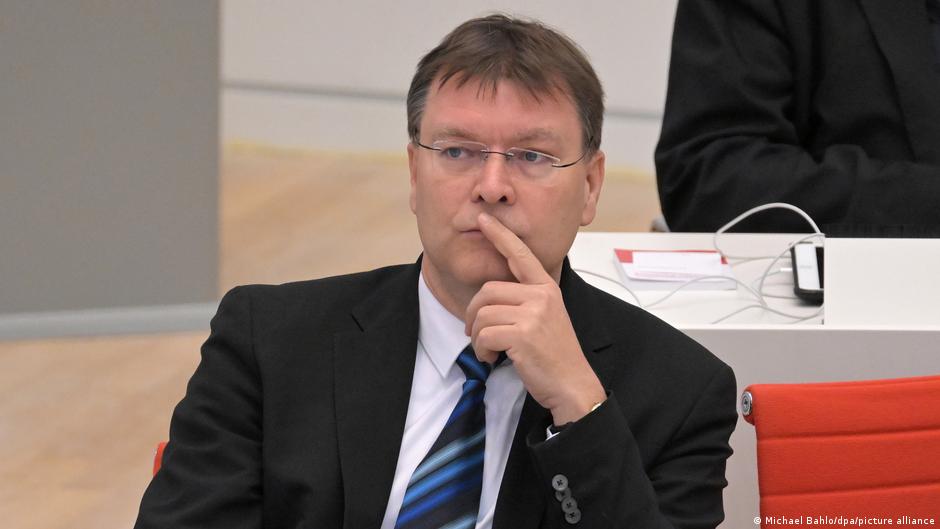
BSW lawmaker Sven Hornauf plans delegations to Belarus and Russia, testing Germany’s local ties amid strategic rupture with Moscow and Minsk.
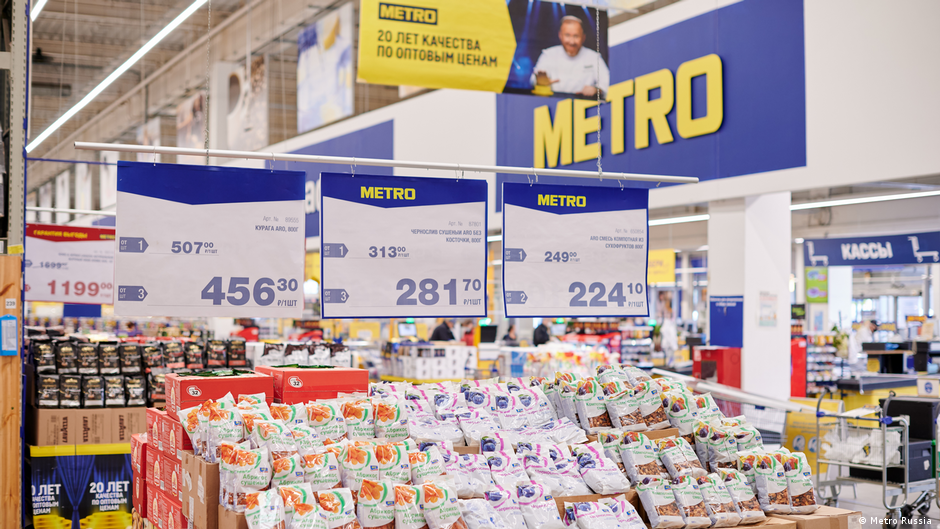
Foreign retailers in Russia face rising asset-control risks as temporary management measures reshape the investment landscape.

Maria Kolesnikova urged the EU to use diplomacy and sanctions leverage to free Belarusian political prisoners and reduce Moscow’s influence.
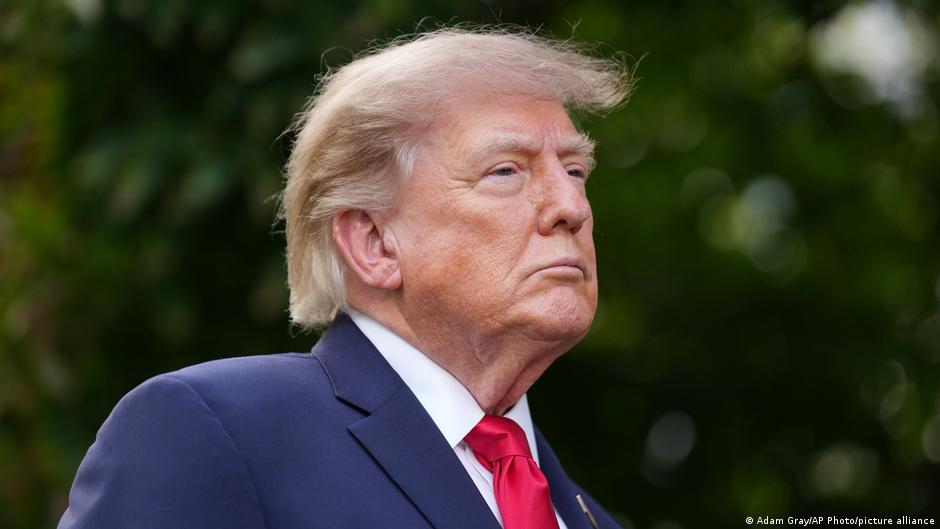
Trump expects new Iran talks as Washington rejects Tehran’s Hormuz plan, keeping energy markets and regional escalation risks in focus.
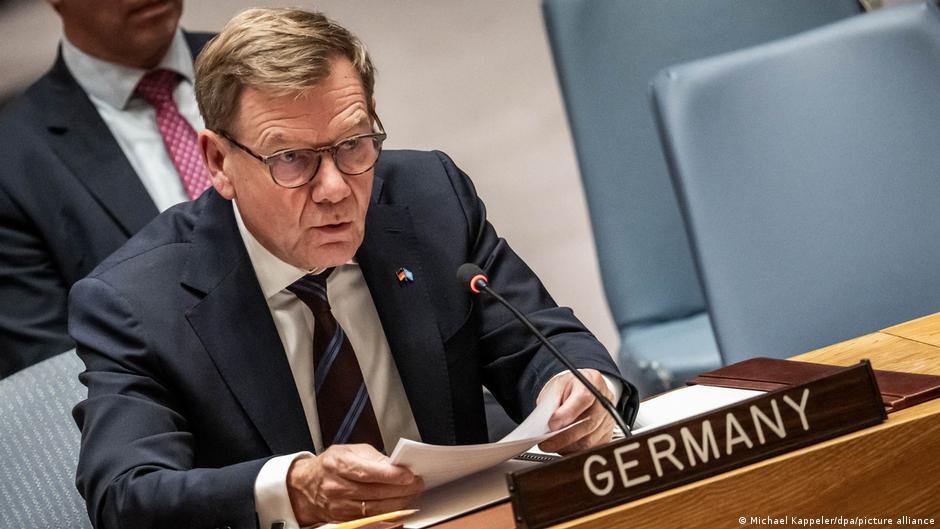
Germany says Putin’s possible G20 appearance would test Moscow’s readiness for Ukraine talks, with sanctions and global governance at stake.
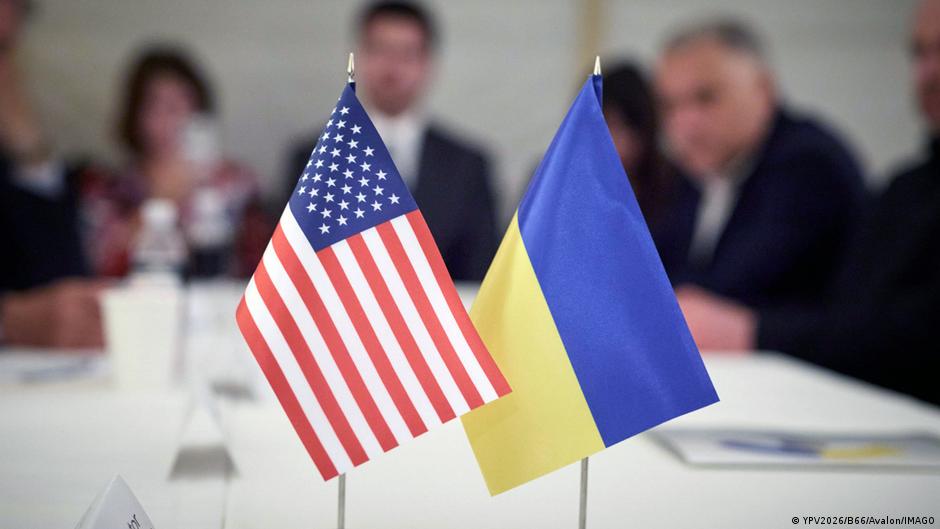
Kyiv denied that Trump proposed Moscow talks for Zelensky as U.S. diplomacy focuses on energy strikes and rising diesel prices.
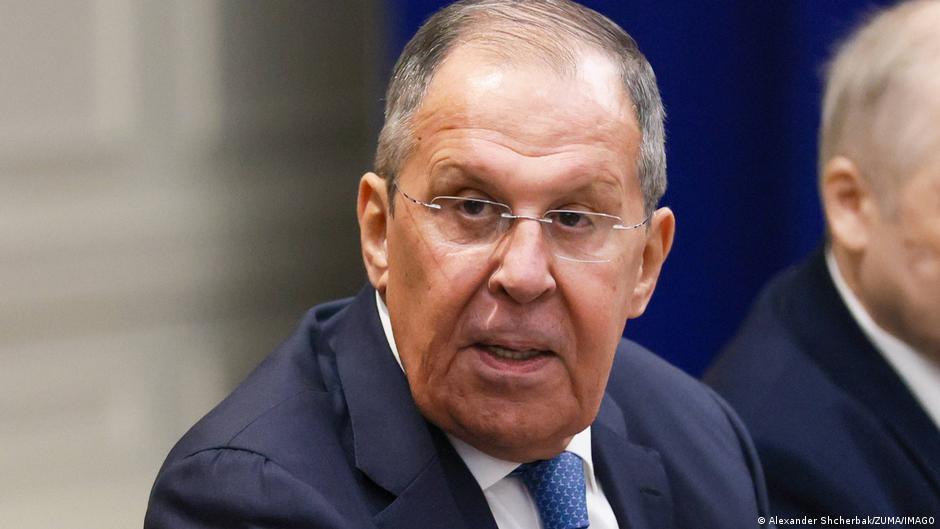
Russia says it will not pause operations for Ukraine talks, even as Washington offers to support ceasefire efforts and keeps channels open.
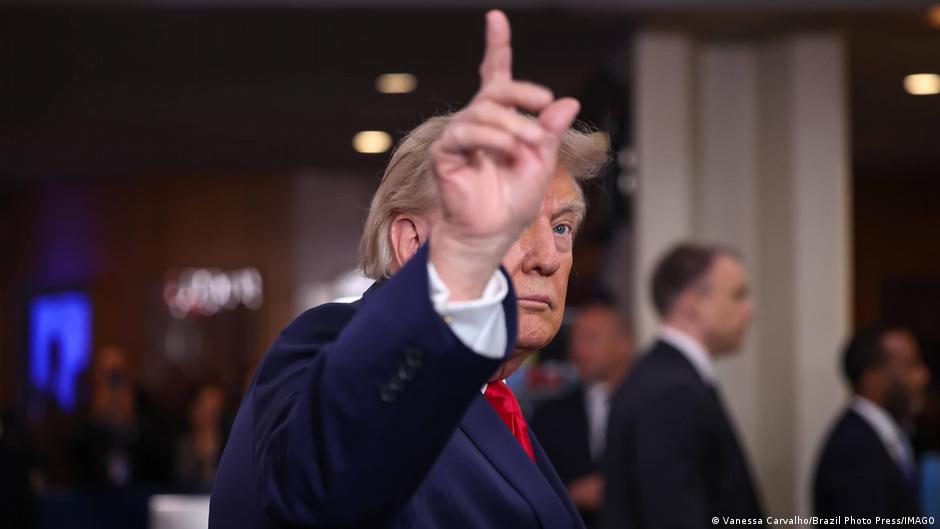
U.S.-Iran talks in New York may reopen diplomacy on sanctions, Hormuz shipping and Gulf security after Trump’s renewed threats.
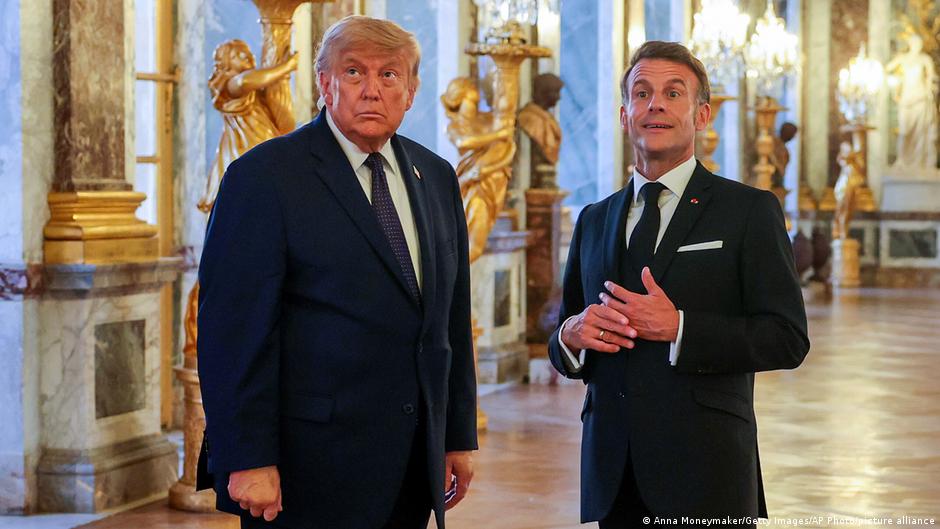
Macron and Trump discussed a moratorium on strikes against Ukraine’s energy and civilian infrastructure and stronger air defenses for Kyiv.
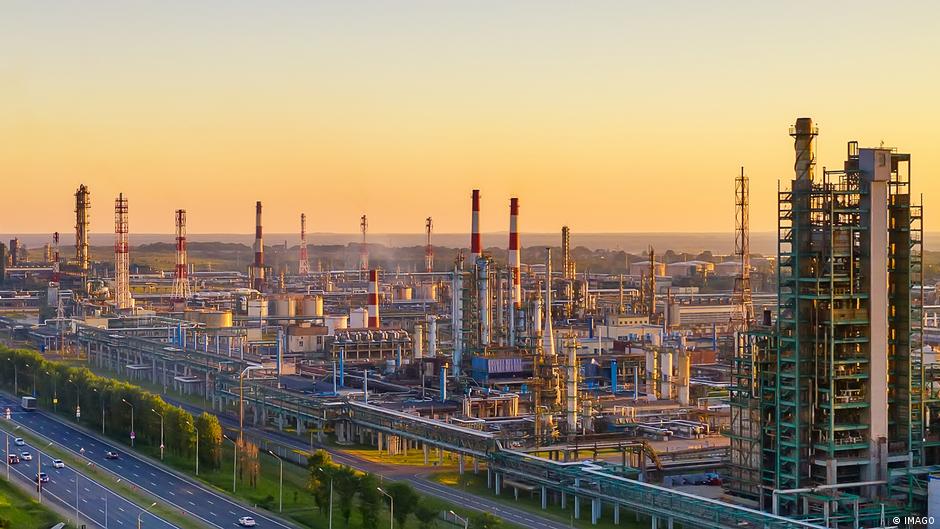
The halt at Yaroslavl’s YANOS refinery deepens Russia’s fuel shortages and exposes rising wartime risks to its energy infrastructure.

Zelensky expects late-September US talks on food and energy security as Ukraine warns of Black Sea export disruption and infrastructure attacks.
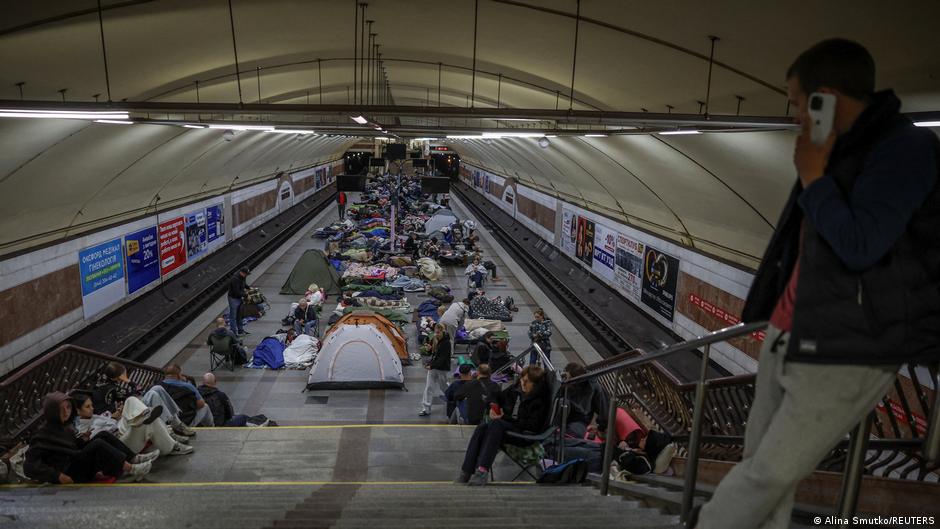
Russian drone and missile strikes hit Kyiv and nearby industrial sites as Ukraine and Russia signal openness to a possible trilateral talks format.
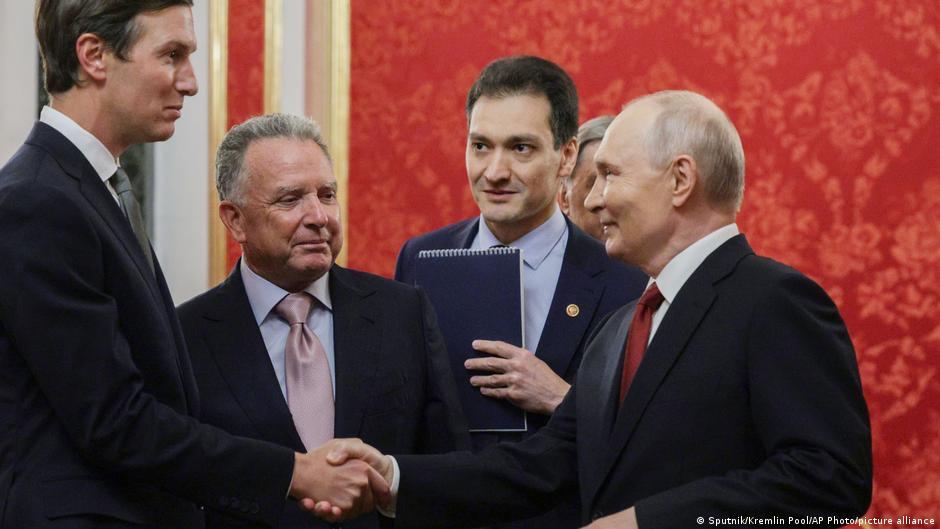
U.S. envoys discussed concrete Ukraine peace plans with Putin before Kyiv talks, raising major questions for sanctions, security and markets.
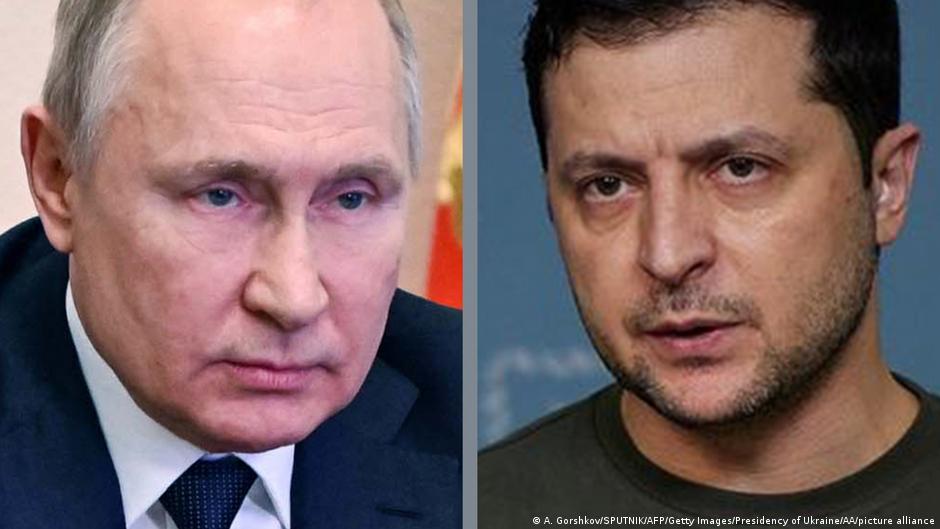
Putin and Zelensky signaled possible diplomatic movement as U.S. envoys prepare visits that could influence sanctions, trade risk and Europe’s economic outlook.
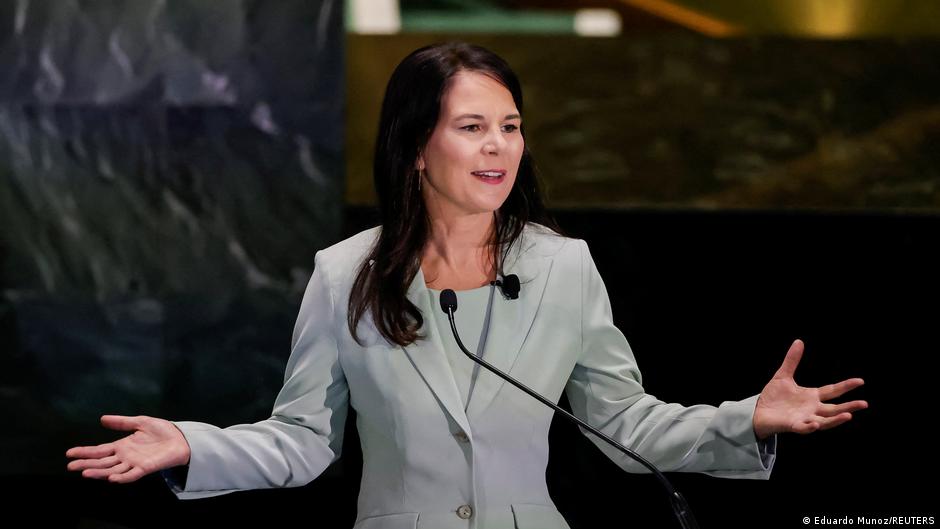
Annalena Baerbock, former German Foreign Minister and UNGA President, will serve as co-director of Columbia University's public administration program focused on global leadership.
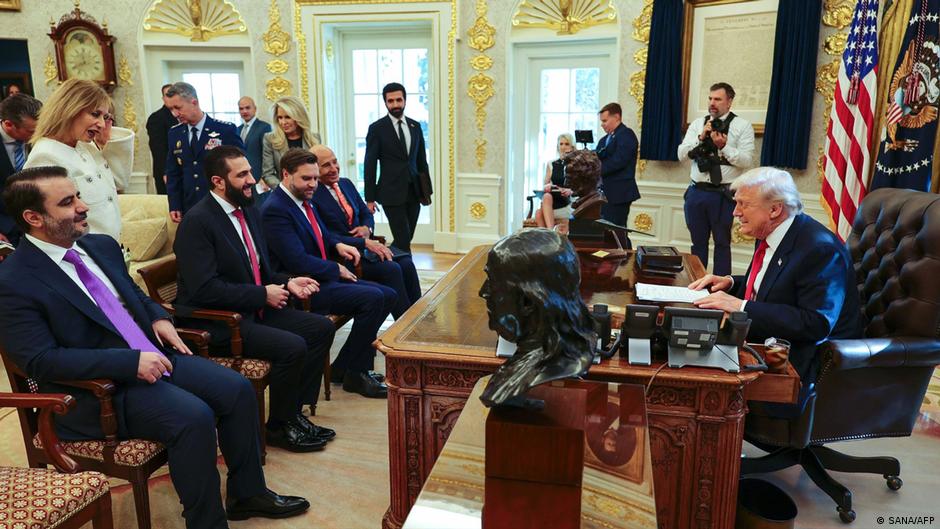
The US has removed Syria from its terrorism sponsor list, opening new economic and geopolitical avenues amid ongoing regional tensions and shifting alliances.
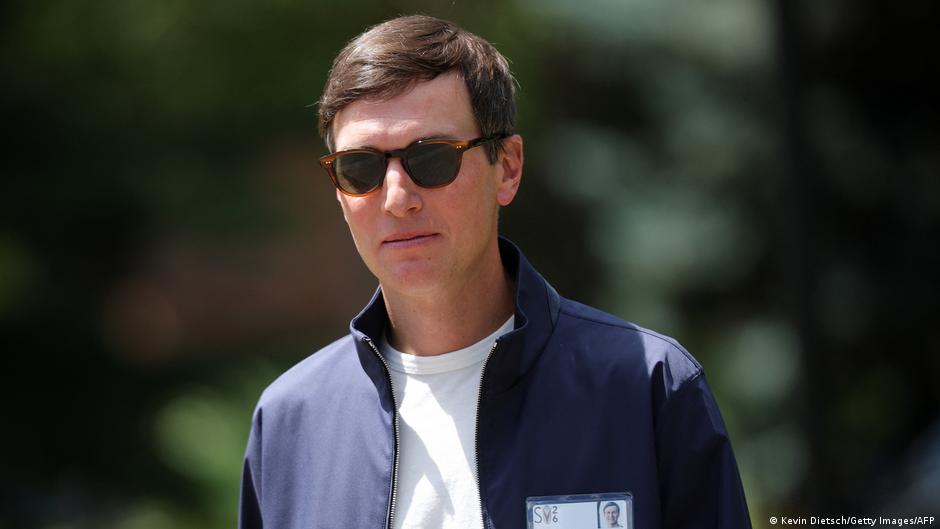
Jared Kushner's talks with Hamas in Egypt press for disarmament amid Israeli demands, highlighting pivotal shifts in Middle East diplomacy with major global economic effects.
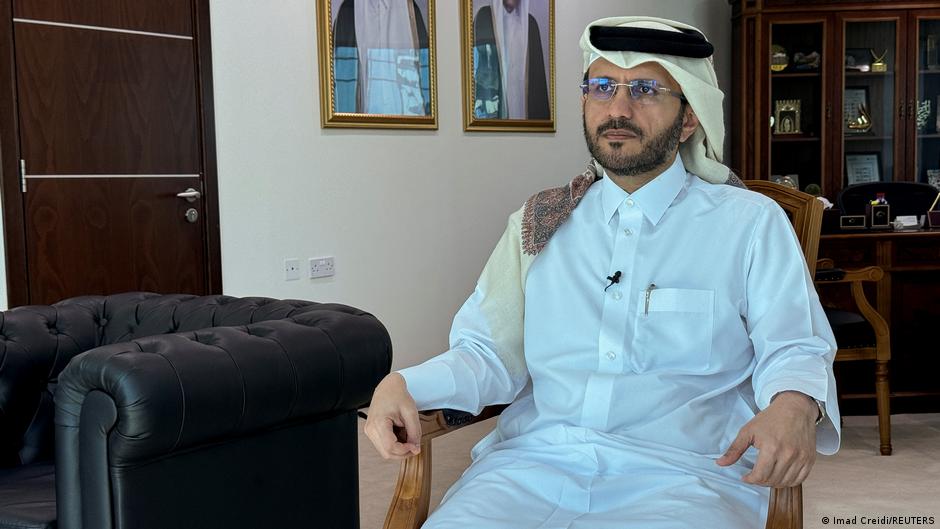
Qatar denies detaining Iranian pilots amid Middle East conflict, emphasizing ongoing diplomatic efforts to reduce regional tensions and highlighting the complexities of international security.
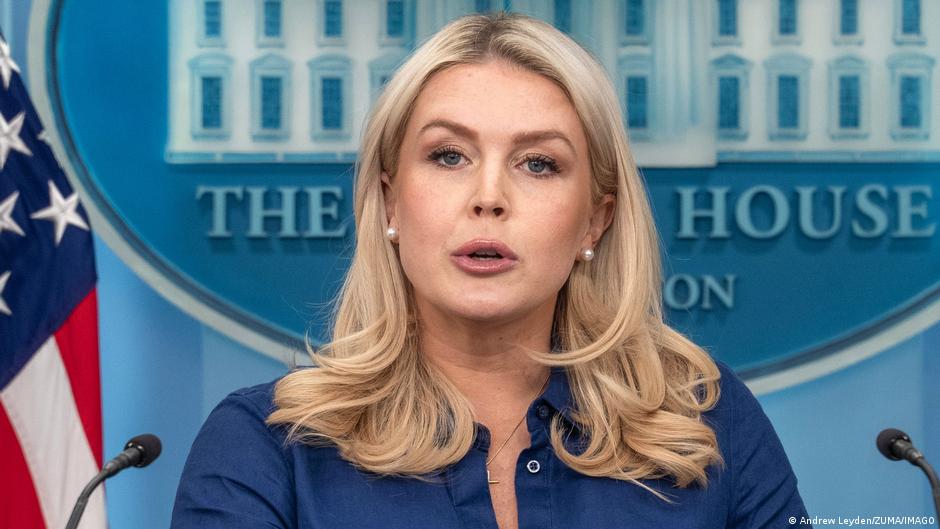
White House Press Secretary Caroline Leavitt resigns to focus on family, prompting potential shifts in administration communication and wider political strategy implications.
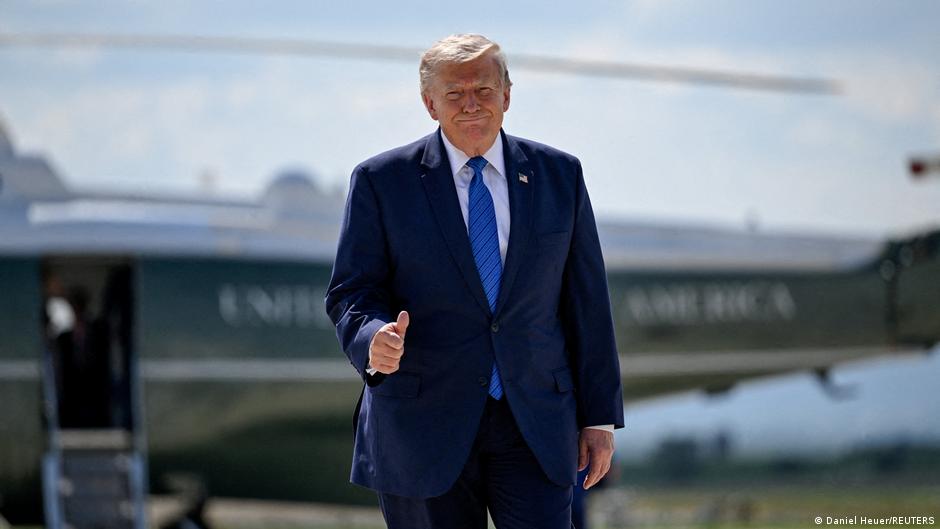
President Trump announced new talks with Iran starting August 3, delaying further military strikes and signaling a potential shift toward diplomacy amidst Middle East tensions.
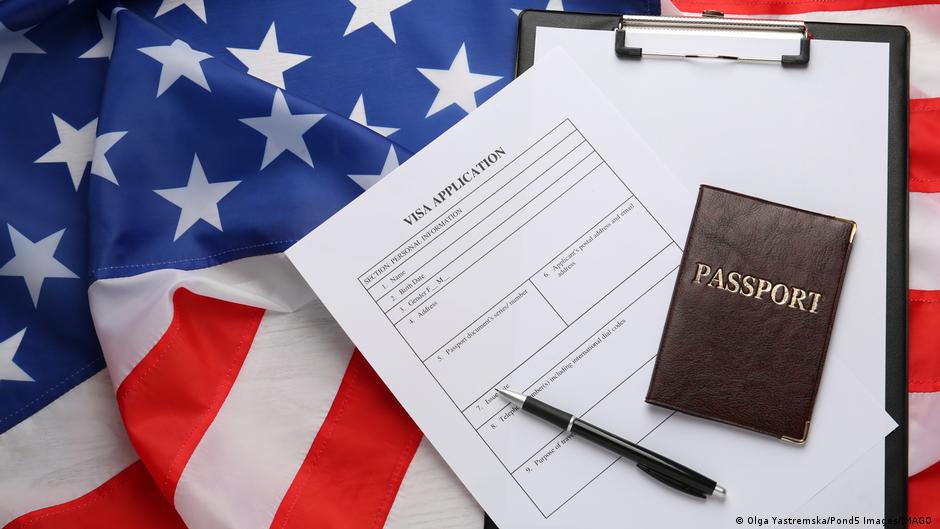
The US introduces a permanent visa bond of up to $20,000 for citizens of 50 countries to reduce visa overstays, excluding Russia, following a successful pilot phase.
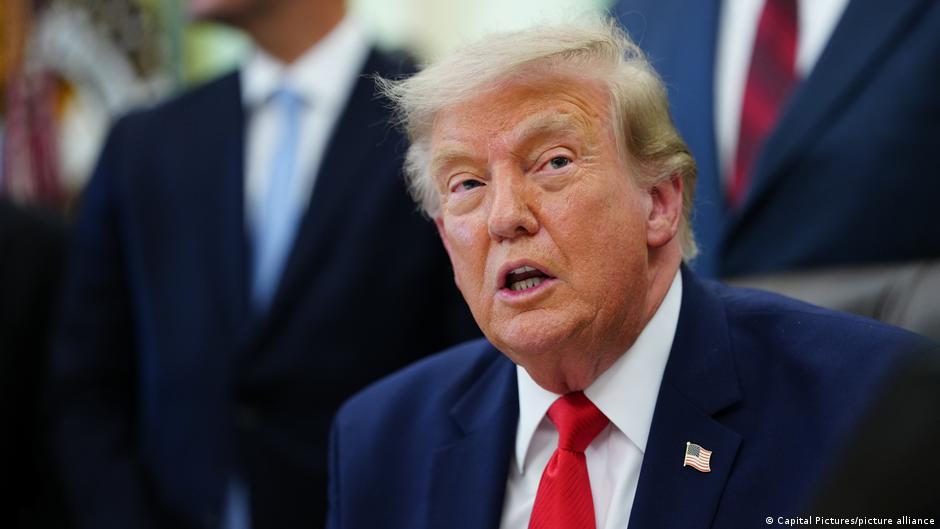
The US brokered a phased disarmament agreement with Hamas, marking a major shift toward peace and new governance in Gaza amid ongoing regional tensions.
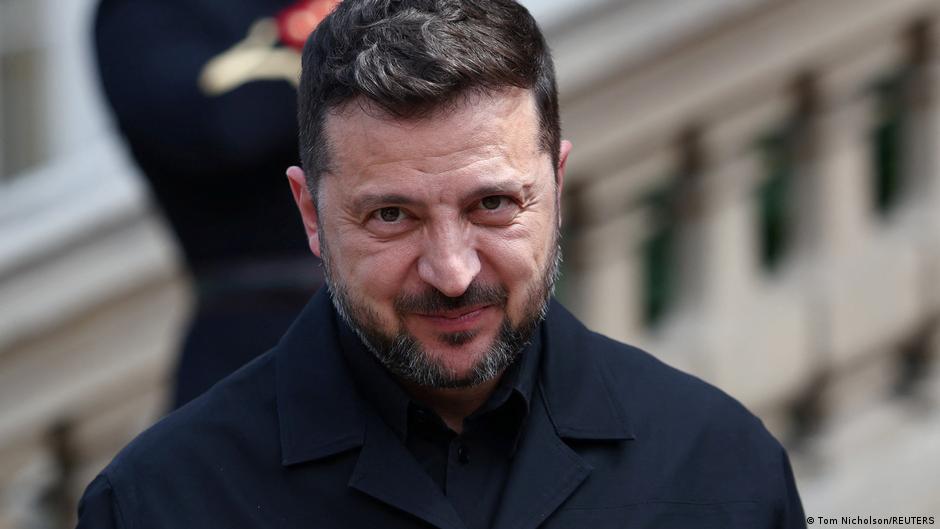
President Zelensky visits Washington to meet all U.S. Senators as the Senate prepares to vote on new sanctions against Russia amid ongoing geopolitical and economic tensions.
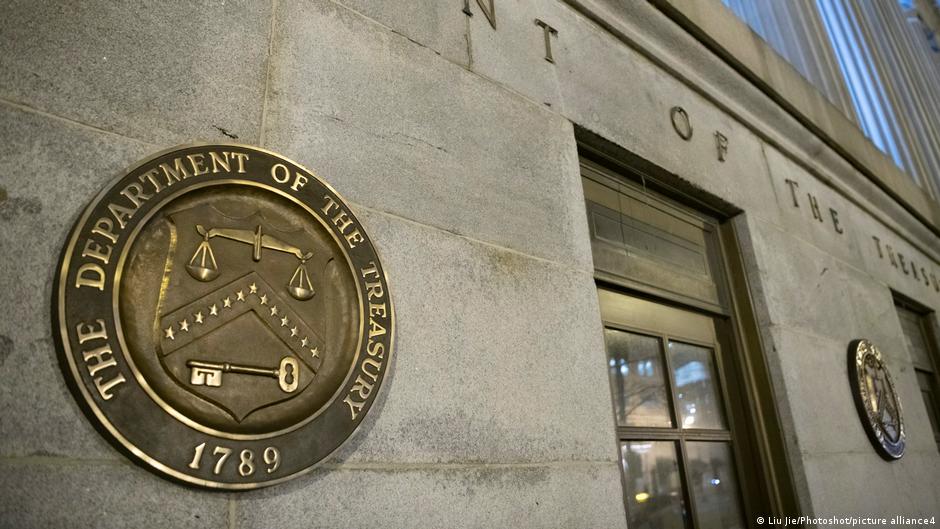
The US removes sanctions on Miami-based Bel-Kap-Steel amid Belarus's release of political prisoners, signaling shifts in economic diplomacy and regional market dynamics.
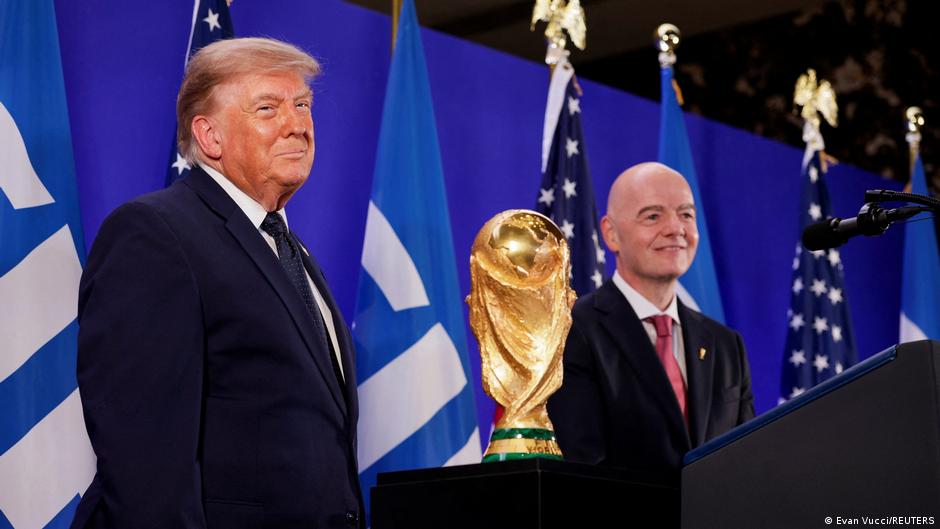
Donald Trump proposes the US host the next FIFA World Cup independently or with China, excluding Canada and Mexico, reflecting shifts in global sports diplomacy and economic strategy.
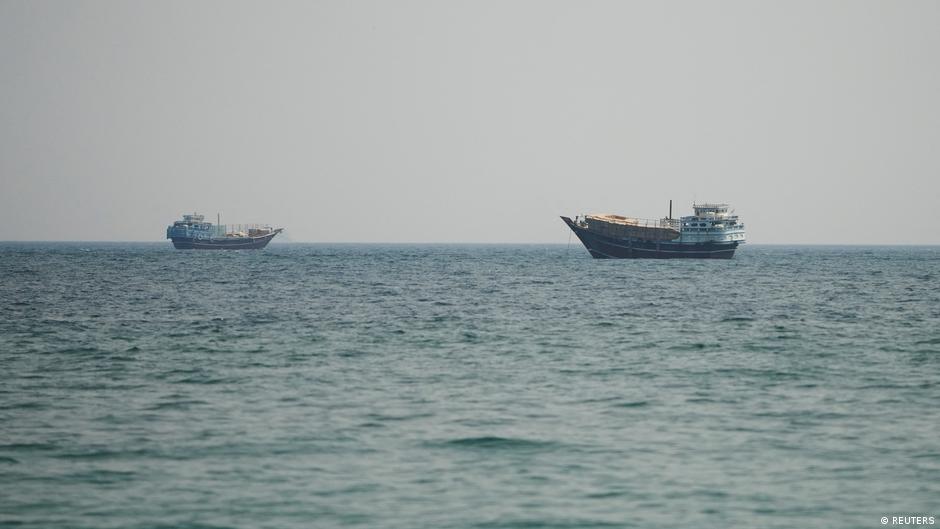
The US is advancing plans to restore an Iraq-Syria oil pipeline to bypass the Strait of Hormuz, aiming to reduce Iranian influence and diversify energy export routes amid rising Middle East tensions.
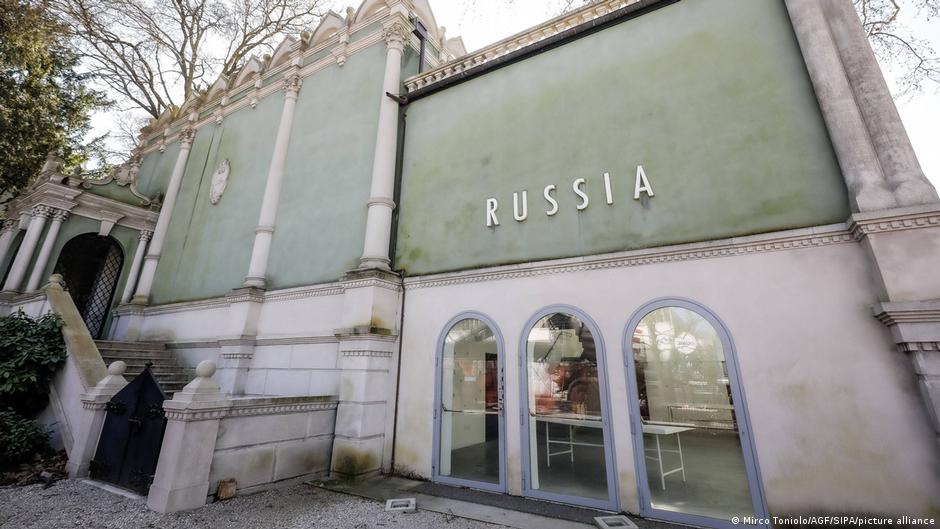
The EU recommends cutting €2 million in funding from the Venice Biennale due to Russia’s controversial participation, raising questions about cultural diplomacy amid geopolitical conflicts.
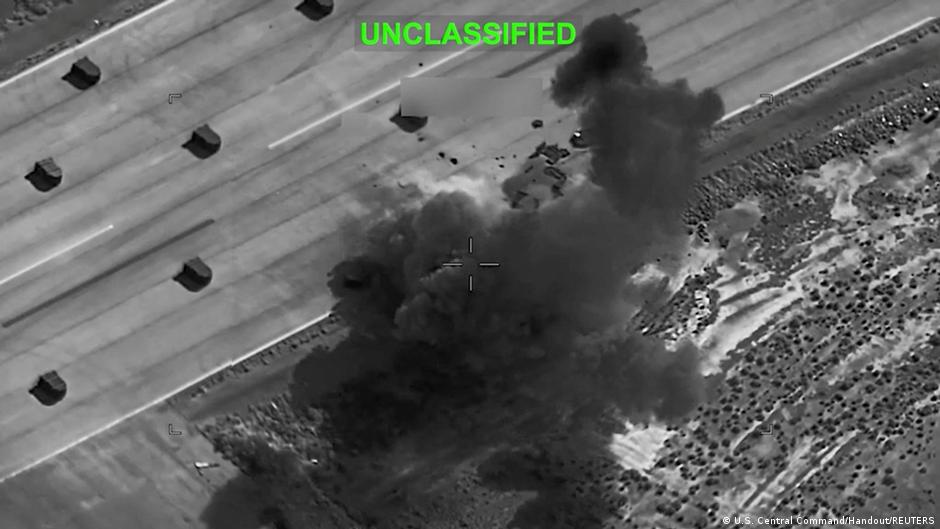
US military strikes on Iran escalate after attacks in the Strait of Hormuz, closing this key oil export route and raising global economic risks.
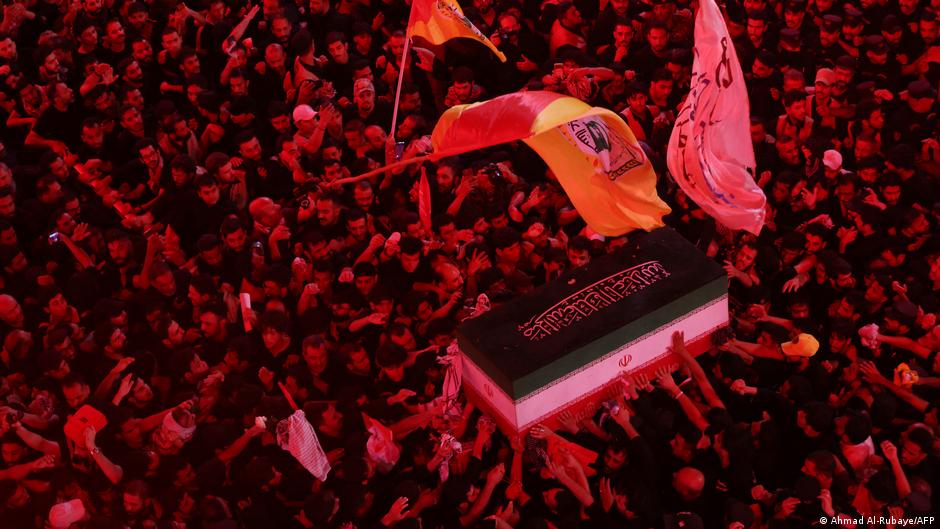
Iran held a private funeral for former Supreme Leader Ali Khamenei amid ongoing U.S.-Iran tensions, with uncertainties around leadership succession and renewed regional hostilities.
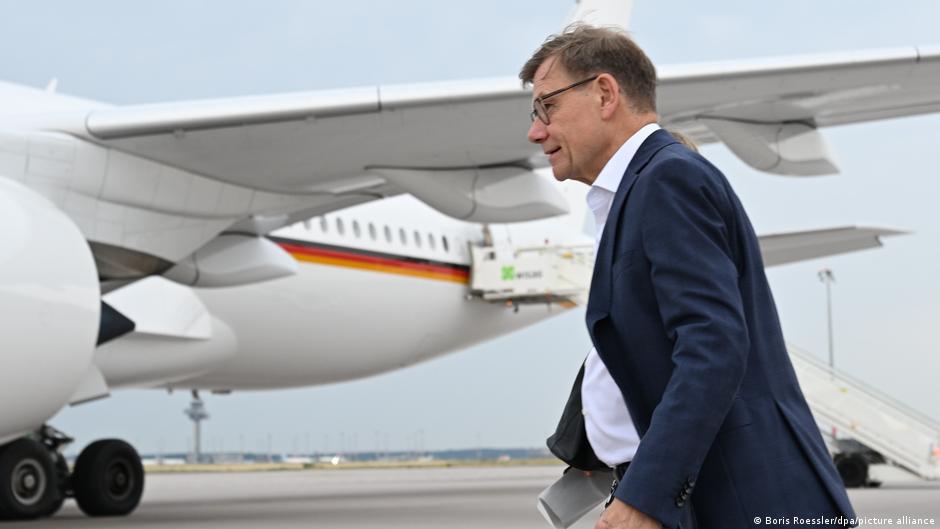
German and US foreign ministers reaffirmed their indispensable partnership amid global economic instability and discussed NATO burden-sharing and support for Ukraine.
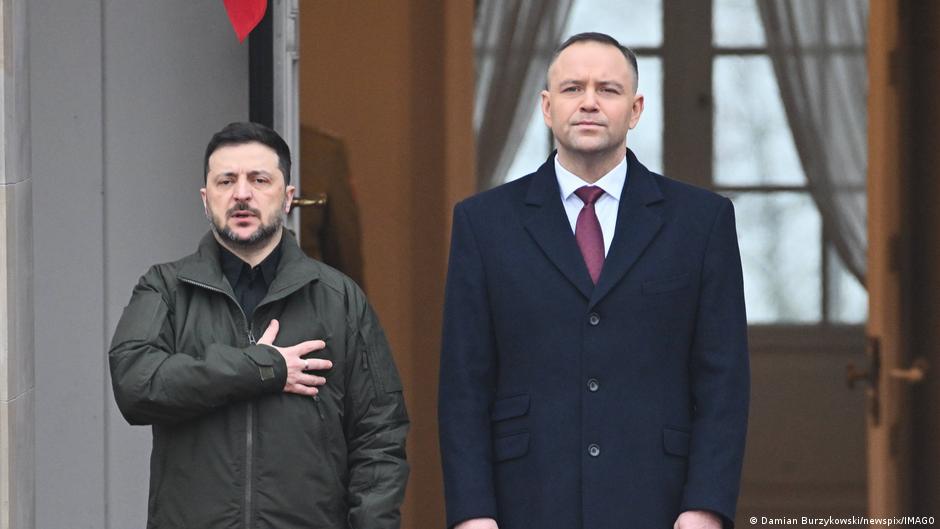
Ukraine’s Zelensky proposes a National Pantheon and new European Order amid diplomatic tensions with Poland, reflecting complex dynamics in national identity and EU integration.

The US and Iran have agreed on a communication channel to prevent incidents in the Strait of Hormuz, setting a 60-day roadmap to finalize broader agreements impacting regional security and global energy markets.
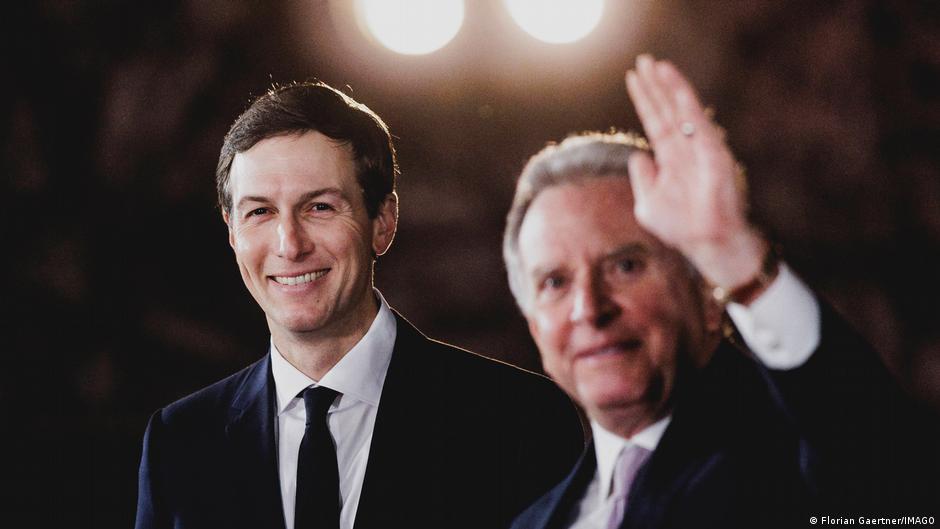
US envoy Stephen Witkoff travels to Switzerland for nuclear talks with Iran, delayed by Lebanon conflict, with major economic stakes tied to ceasefire and sanctions relief.
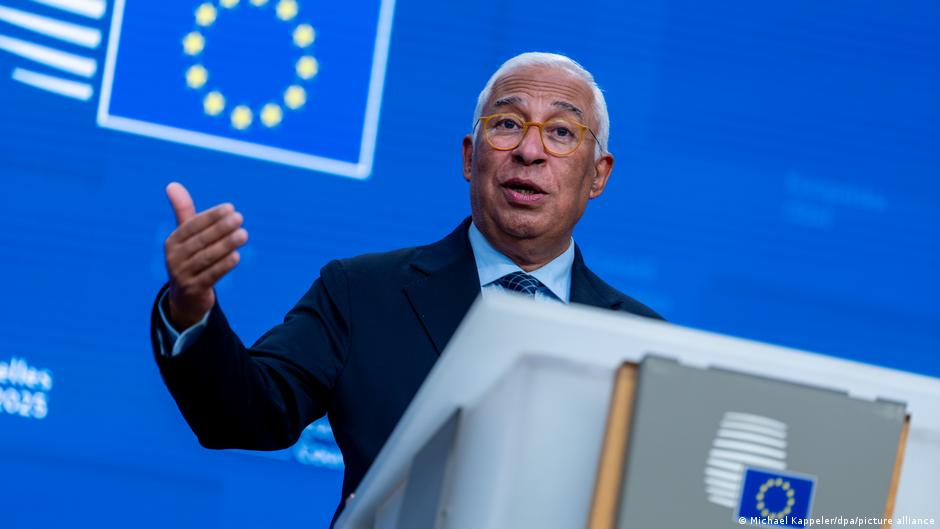
The EU is conducting discreet talks with Kremlin officials to prepare for possible peace negotiations, reflecting a strategic shift amid evolving conflict dynamics in Ukraine.

Reports claim the UAE agreed to unfreeze billions in Iranian oil revenues to halt attacks, amid advancing Iran-US peace talks; official UAE denial follows.
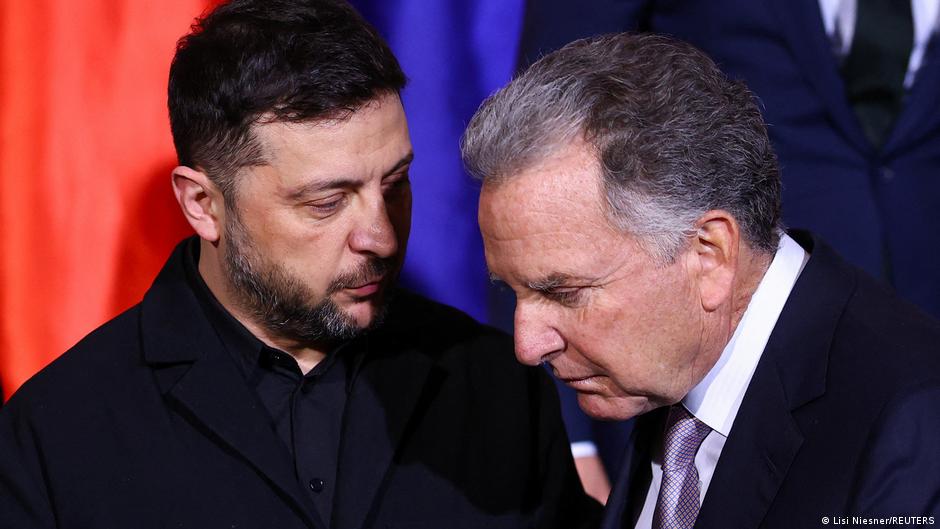
Ukrainian President Zelensky held a positive discussion with Trump envoys to boost diplomacy aimed at ending the Russia-Ukraine war, amid broader European summit talks.

Ukrainian drone strikes on Russia’s Leningrad region days before the St. Petersburg Economic Forum highlight rising geopolitical risks impacting global economic cooperation.
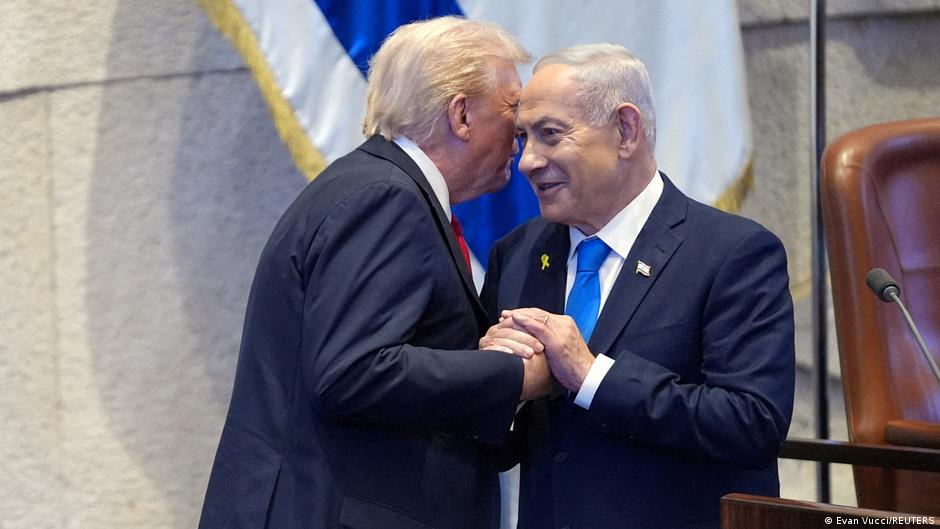
Trump rebuked Netanyahu over Lebanon strikes, highlighting risks to regional stability and US diplomatic efforts amid ongoing Middle East tensions.
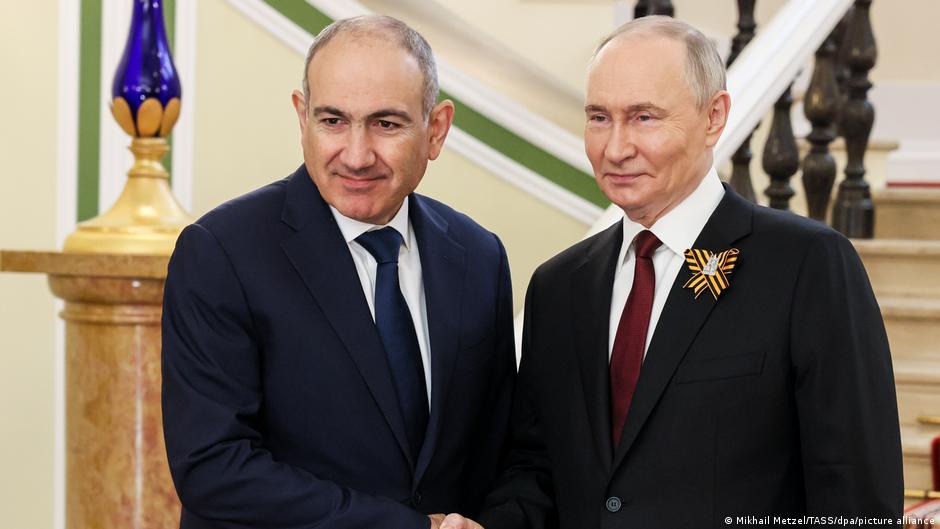
Russia threatens to suspend Armenia's duty-free energy imports amid Yerevan's EU integration efforts, signaling shifts in regional economic alliances and energy diplomacy.
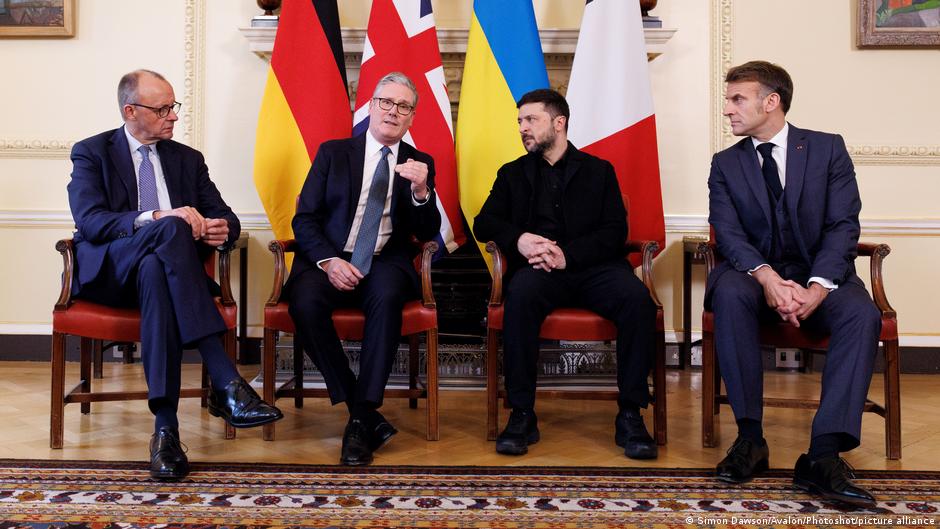
Ukraine and European leaders convened to discuss reinvigorating diplomacy to end the war with Russia amid shifting global priorities and evolving conflict dynamics.