EU Initiates Quiet Diplomatic Contacts with Kremlin Amid Ukraine Conflict
European Council engages in discreet talks with Moscow to explore conditions for potential peace negotiations.
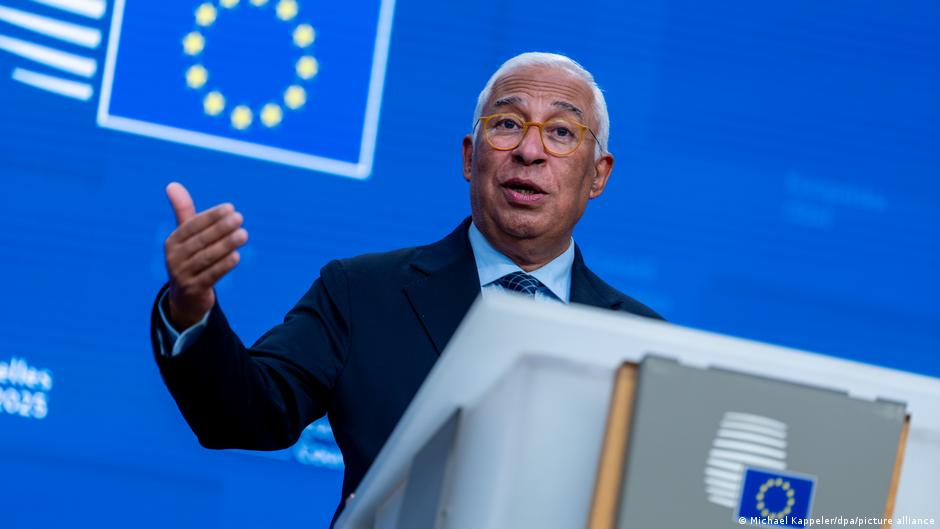
The European Union has taken preliminary yet discreet steps to engage the Kremlin in discussions aimed at exploring the possibility of ending the ongoing war in Ukraine. According to informed sources, the European Council President António Costa has been conducting low-profile communications with high-ranking Russian officials close to President Vladimir Putin. These exchanges, conducted via his advisor, are intended to lay the groundwork for more substantive peace talks in the future.
Context and Strategic Implications
While the exact timing and participants of these communications remain undisclosed, their existence points to a strategic shift in the EU's approach to the conflict. Official representatives on both sides have declined to comment, reflecting the sensitive nature of these early diplomatic overtures.
"There is potential for negotiations with Putin," António Costa remarked earlier in May, emphasizing the need for internal coordination among EU member states on how best to organize and approach talks with Russia when the time is right.
This subtle move by the EU is aligned with parallel discussions among Europe’s major powers, including Germany, France, and the United Kingdom. Each has separately, yet in coordination with Ukrainian President Volodymyr Zelenskyy, considered strategies for engaging Putin in peace negotiations. The impetus for these efforts stems from recent battlefield developments: stagnating Russian advances, increased Ukrainian strikes on Russian territory, and mounting economic pressures on Moscow.
The EU's quiet diplomacy could signal a pragmatic recognition of evolving realities on the ground, emphasizing the need to prepare diplomatic channels that might facilitate a negotiated settlement. For senior policymakers, these developments underscore the importance of balancing sanctions and military support with readiness for dialogue, highlighting the complex interplay between economic measures and geopolitical strategy.
Long-term economic consequences of the conflict remain a crucial consideration. The prolonged war has already disrupted global supply chains and energy markets, and a potential diplomatic breakthrough could influence economic stability in Europe and beyond. Early diplomatic engagement may thus serve not only as a pathway to peace but also as a mechanism to mitigate broader economic fallout.
As the EU continues to navigate these unpublicized contacts, the international community will be closely monitoring whether these preliminary discussions lead to formal negotiations and how they might reshape the geopolitical and economic landscape in the region.