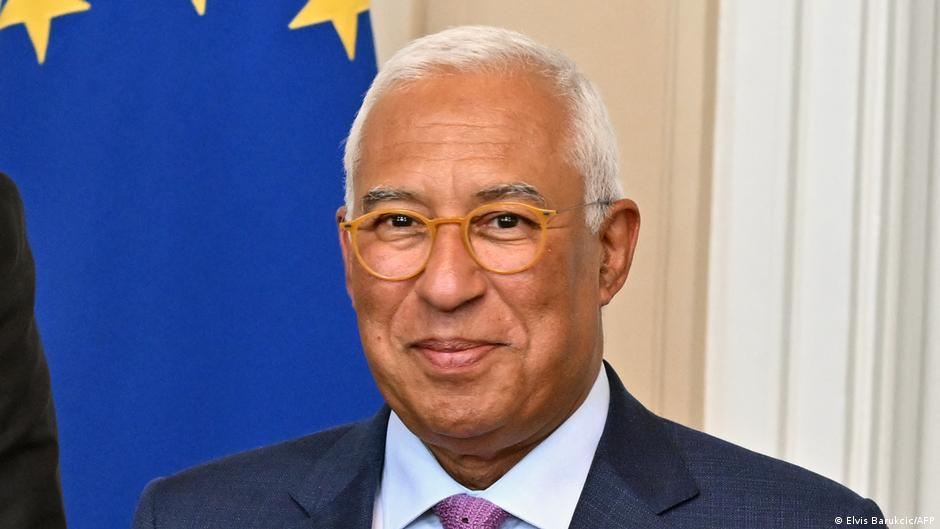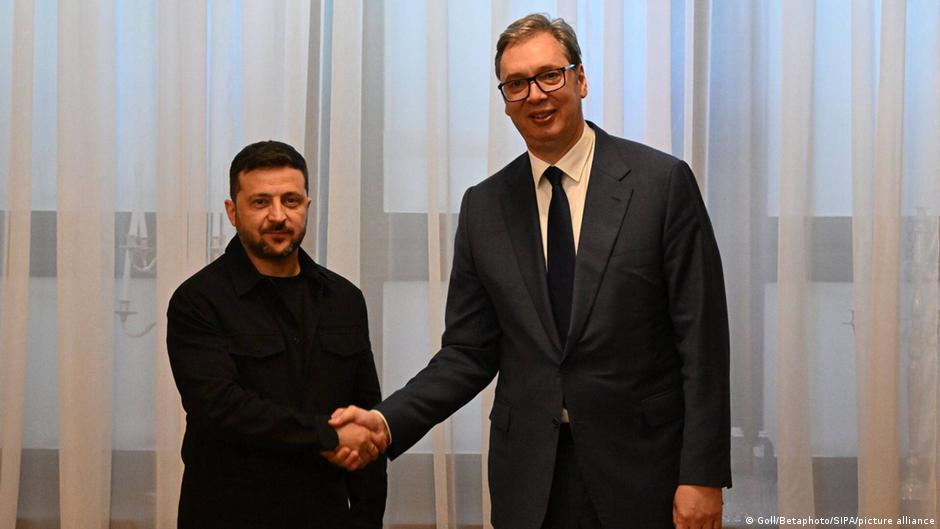
Hungary Blocks Opening of Key EU Accession Negotiation Chapters for Ukraine
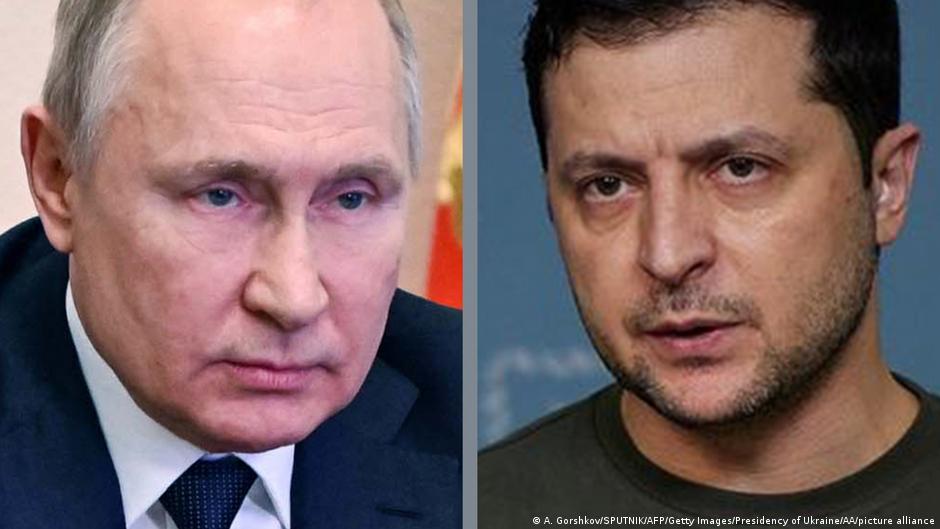
Hungary blocks Ukraine from opening key EU accession negotiation clusters, complicating regional enlargement efforts and delaying economic reforms.

Hungary blocks Ukraine from opening key EU accession negotiation clusters, complicating regional enlargement efforts and delaying economic reforms.

US strikes on Iranian infrastructure escalate tensions, risking broader regional instability and disruptions to global energy markets critical to economic stability.

Ukraine's parliament will vote on July 16 to confirm Sergey Koretsky as prime minister, initiating a major government reshuffle with significant implications for economic and defense policies.

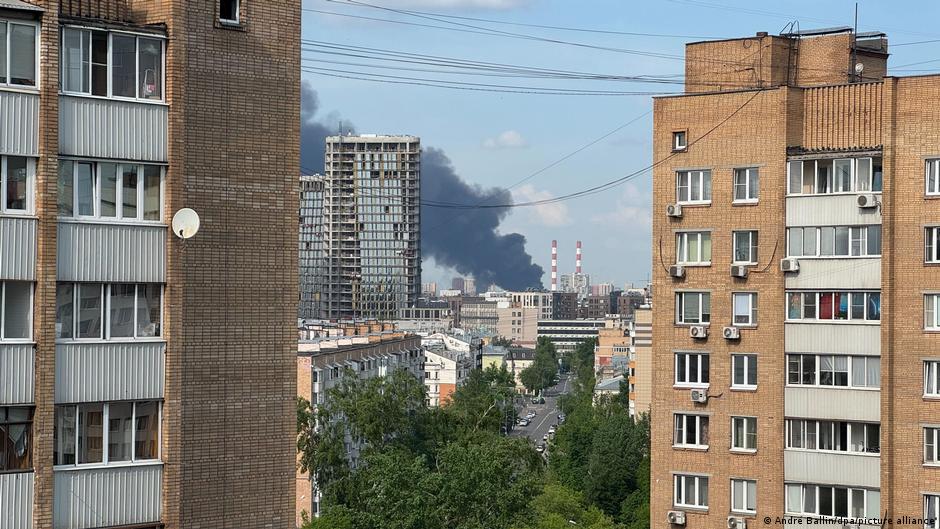
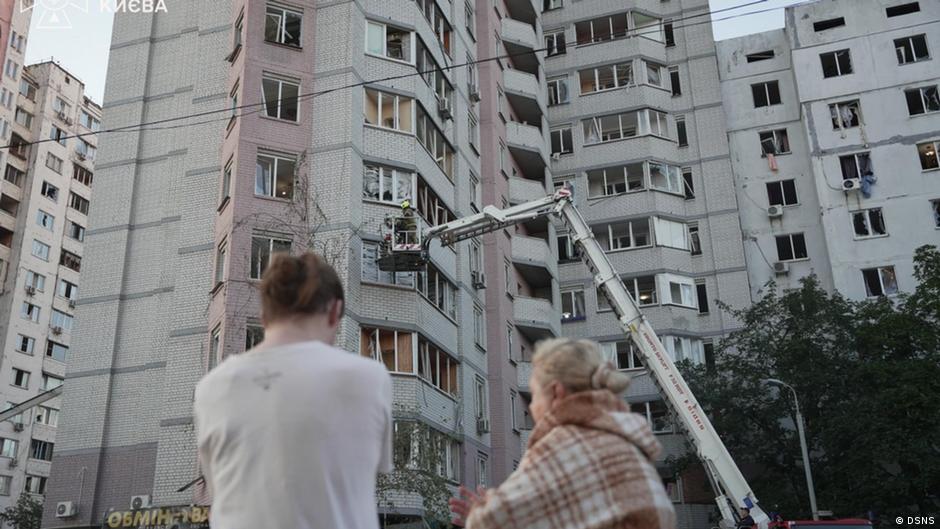
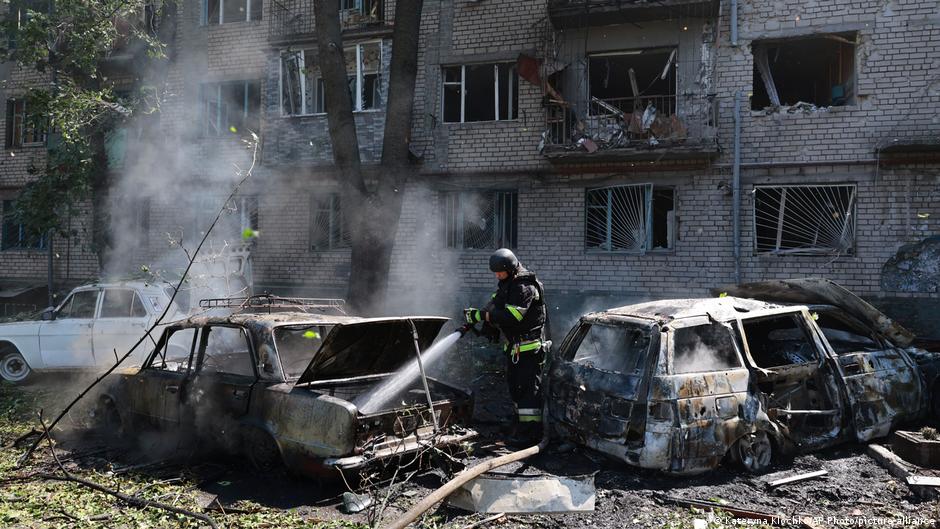
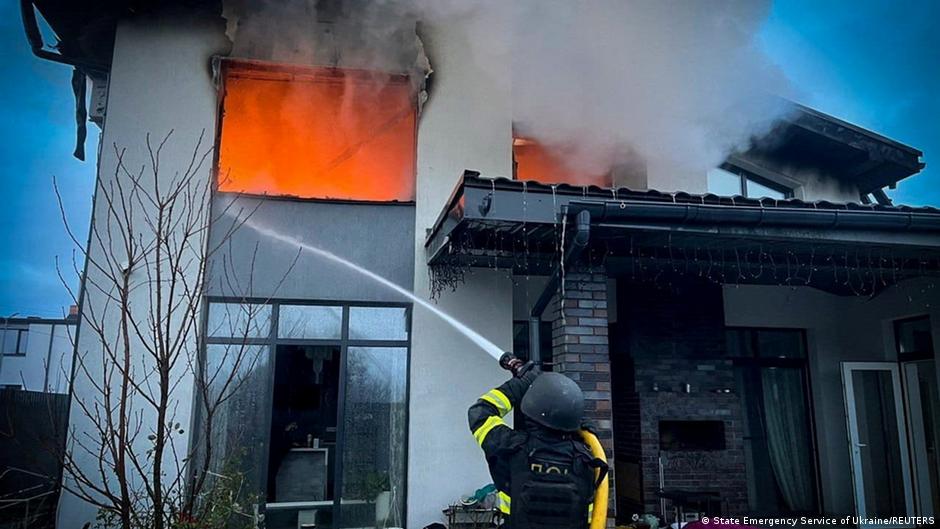
Russian missile and drone strikes on Kyiv and Kharkiv escalate conflict, threatening Ukraine's economic stability and regional markets.

Germany defends the International Criminal Court against U.S. efforts to curtail its authority, highlighting global justice and sovereignty implications.

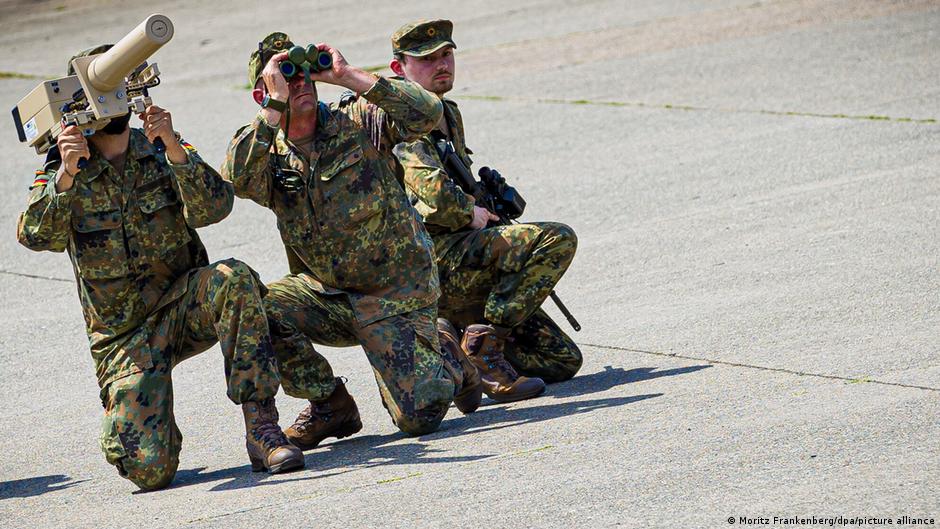
Germany has seen a sharp increase in military service refusals in early 2026, driven by security concerns and conscription reforms aimed at expanding the Bundeswehr’s size.

Darlene Graham Norton has been appointed to her late brother Lindsey Graham’s Senate seat, securing the GOP’s fragile majority amid critical national and international issues.

A massive wildfire near Paris has destroyed over 1,300 hectares, underscoring the intensifying risks of climate-induced disasters amid Europe’s record heatwave.

German President Steinmeier calls for Europe to uphold international law and counteract the ruthless geopolitical strategies of Russia and the US amid rising populism and reform challenges.
Former Spanish PM Rajoy's remarks questioning the Frenchness of France's football team ignite political backlash and debates on national identity in Spain and France.

The EU recommends cutting €2 million in funding from the Venice Biennale due to Russia’s controversial participation, raising questions about cultural diplomacy amid geopolitical conflicts.

Russian drone and missile strikes on Kharkiv and Ukrainian industrial sites intensify conflict, posing significant risks to Ukraine’s economy and regional stability.

Anne Widdecombe, former Conservative MP and Reform UK speaker, was murdered in southwest England, prompting urgent calls to enhance security for British lawmakers amid rising political tensions.

Russia’s missile strikes on Kyiv intensify civilian casualties amid rising hostilities, with major implications for regional stability and global energy markets.

Russia has closed the Azov-Don Canal indefinitely following Ukrainian drone attacks on vessels, disrupting grain exports and driving wheat prices higher amid escalating regional tensions.

June 2026 saw the highest civilian casualties in Ukraine since the Russian invasion began, signaling escalating conflict with profound economic and geopolitical ramifications.

Iran held a private funeral for former Supreme Leader Ali Khamenei amid ongoing U.S.-Iran tensions, with uncertainties around leadership succession and renewed regional hostilities.

The US has launched new military strikes against Iran to prevent shipping disruptions in the Strait of Hormuz, intensifying regional tensions and threatening global energy security.

Fuel prices in Crimea have surged nearly 80% in one week amid Russia’s export restrictions and supply shortages, signaling broader energy market challenges and policy shifts.

Uzbek aluminium producer AKFA Aluminium is preparing for its first international bond issuance, marking a milestone in regional capital market integration and corporate transparency.

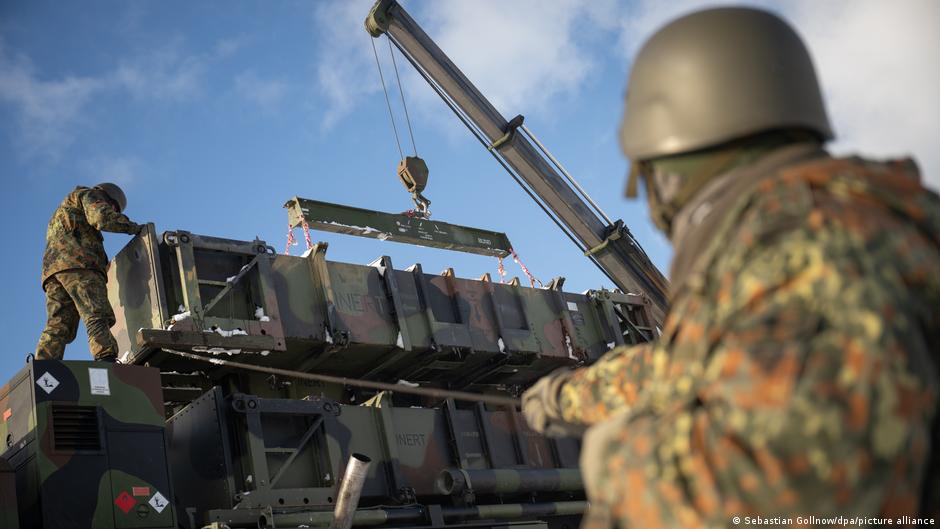
Germany plans a record €124.7 billion defense budget for 2026, marking a 25.5% rise and signaling a major shift in European security and economic policy.

Russian missile and drone strikes on Kyiv and Kharkiv intensify, causing casualties and infrastructure damage with significant economic and geopolitical implications.

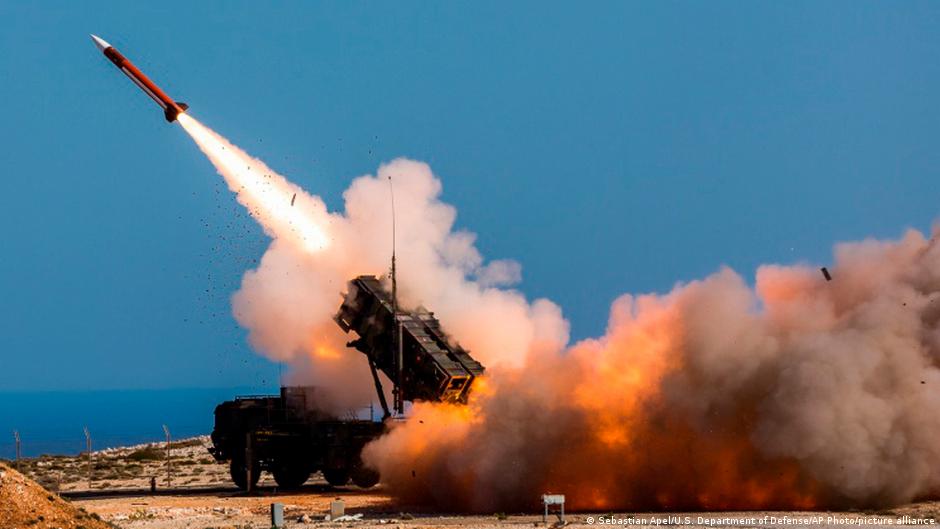
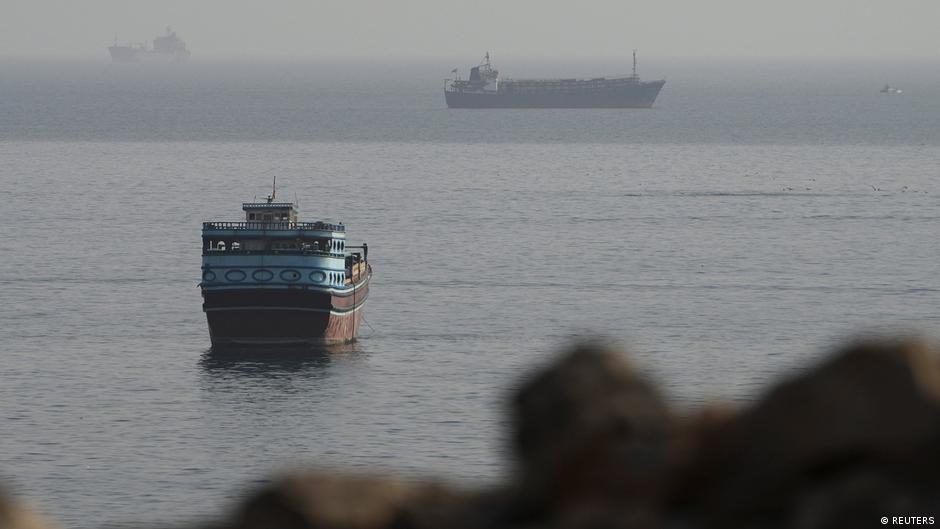
US military strikes on Iran follow attacks on tankers near the Strait of Hormuz, escalating Gulf tensions with significant implications for global energy security and maritime trade.

Germany’s 2027 budget increases defense spending and borrowing amid Russian security concerns, raising questions about economic growth and fiscal sustainability.

Canada's decision to procure German-designed Type 212CD submarines marks a pivotal moment in transatlantic defense collaboration and Arctic security strategy.

Gazprom has contracted with Russia's Defense Ministry to form mobile units protecting gas infrastructure, reflecting heightened security concerns amid geopolitical tensions and economic risks.

Russian missile and drone strikes on Kyiv have caused civilian casualties and infrastructure damage, escalating tensions with potential global economic repercussions, especially for supply chains and energy markets.

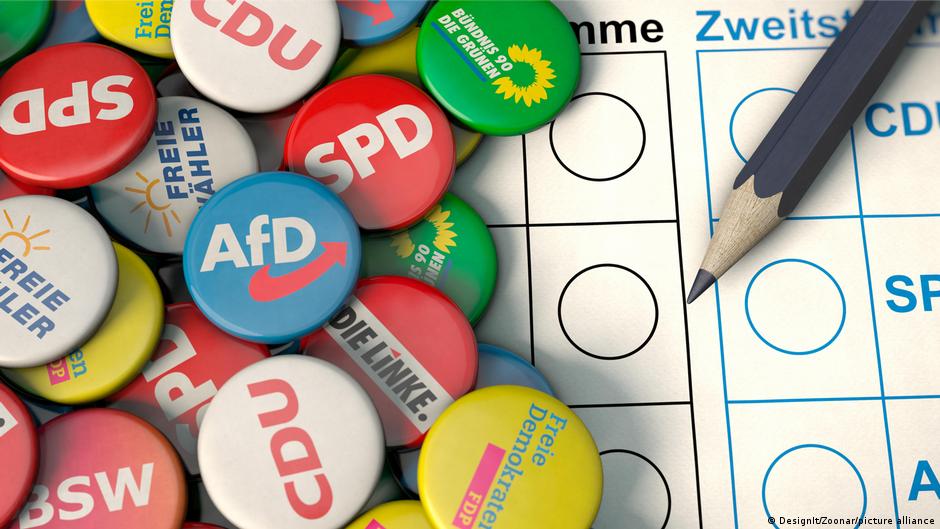
A recent INSA poll shows 45% of Germans oppose banning the far-right AfD, which remains the country's most popular party, outpacing CDU/CSU by 8 points.

Severe thunderstorms and extreme heat forced Washington D.C. to cancel major Independence Day events commemorating the U.S. 250th anniversary, underscoring climate-related challenges.

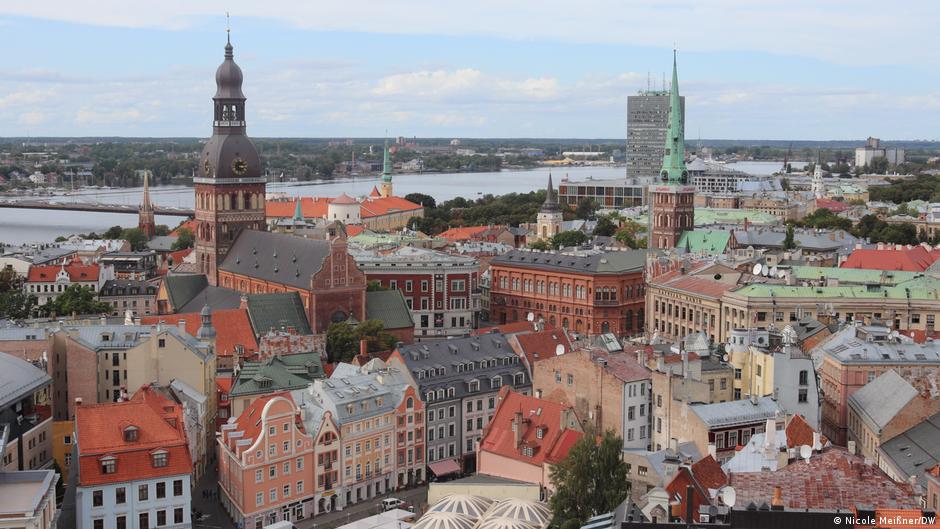
Latvian President Edgars Rinkēvičs warns NATO to prepare for potential escalation with Russia, stressing the need for increased military capabilities and clear deterrence signals to Moscow.

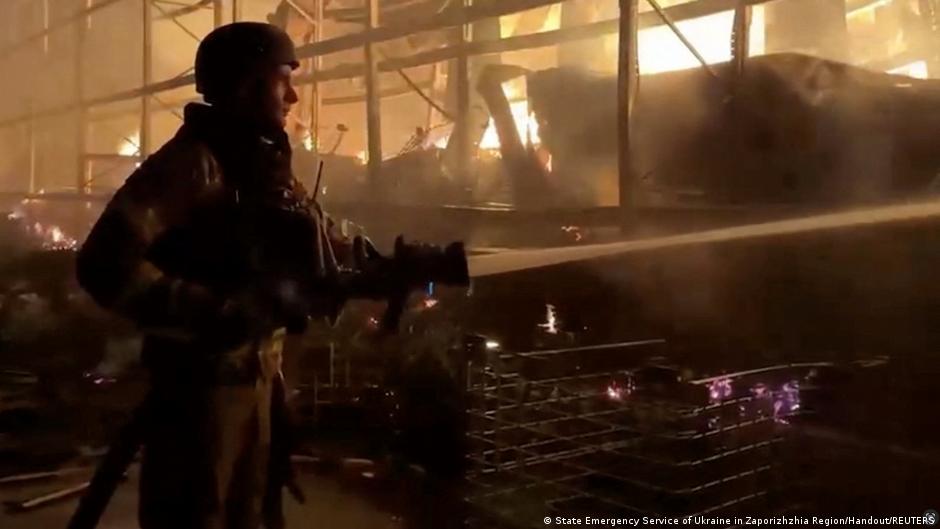
Russian drone and missile attacks on Sumy and Zaporizhzhia caused civilian casualties and infrastructural damage, signaling heightened regional conflict with significant economic repercussions.

Russia’s July 2 strikes across multiple Ukrainian regions caused civilian deaths and injuries, highlighting the war's ongoing humanitarian and economic toll.

Belarus advises citizens against traveling to Russia's border regions due to security threats from drone strikes amid the ongoing Ukraine war, impacting cross-border mobility and regional stability.

Russia permits continued use of higher-sulfur Euro-3 fuels domestically until 2026 amid refining disruptions, excluding exports to EAEU countries, signaling a shift in energy policy priorities.
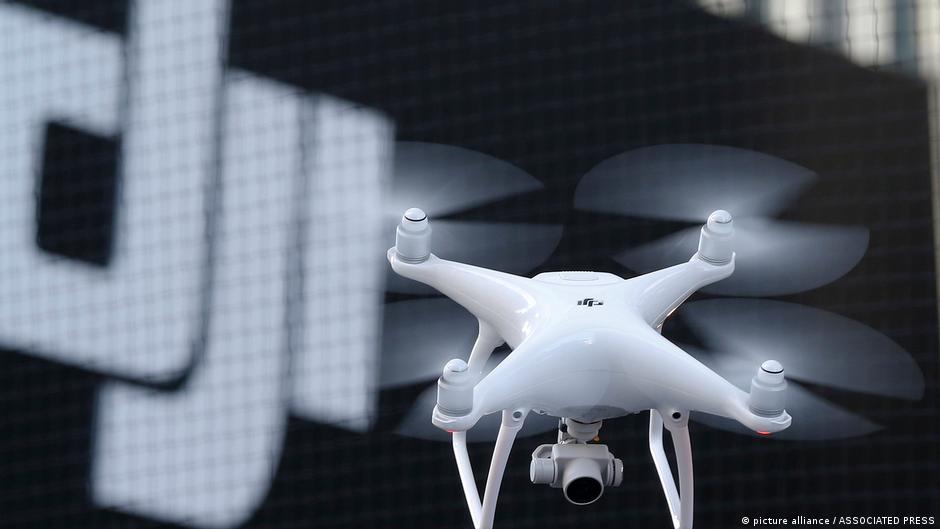
Two German businessmen admitted to violating EU sanctions by shipping machinery components to Russia via front companies in Kyrgyzstan and Turkey, raising concerns about enforcement challenges.

Russian missile and drone strikes on Kyiv caused civilian casualties and infrastructure damage, raising concerns about Ukraine's economic stability and regional security.

France joins Italy, Spain, and Hungary in tightening visa rules for Russian citizens, signaling a coordinated EU response with significant economic and geopolitical consequences.

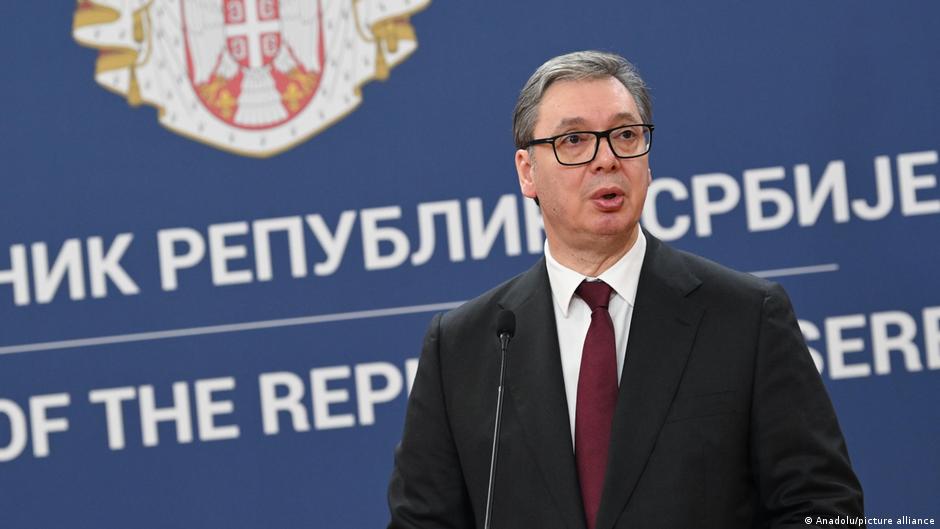
The US has extended a temporary license allowing Serbian oil company NIS to operate under sanctions while Gazprom's stake sale deadline is repeatedly postponed.

The EU reduces duty-free steel import quotas by 47%, imposing a 50% tariff on excess imports to protect its steel industry from cheap global steel surpluses.

Poland expelled 11 individuals accused of organizing Russia-funded protests among Ukrainian refugees, highlighting ongoing Russian interference in European domestic affairs.

German and US foreign ministers reaffirmed their indispensable partnership amid global economic instability and discussed NATO burden-sharing and support for Ukraine.

Yulia Navalnaya receives Bavaria’s European Prize for her resilient opposition to Russia’s authoritarian regime and her advocacy for human rights and democracy.

Ukraine’s Zelensky proposes a National Pantheon and new European Order amid diplomatic tensions with Poland, reflecting complex dynamics in national identity and EU integration.

Graz, Austria’s second-largest city, reaffirms communist leadership focused on housing policies, highlighting contrasting urban and national political-economic dynamics.

Poland's opposition leader Kaczyński calls to block Ukraine’s EU accession talks amid rising bilateral tensions and divergent historical narratives, raising broader European economic and political concerns.

US forces struck Iranian military sites following attacks on commercial vessels in the Strait of Hormuz, heightening geopolitical risks to global energy supply and economic stability.

Russian ballistic missile attacks on Kyiv and multiple Ukrainian regions escalate conflict, threatening regional stability and global economic stability.

Russia's aviation fuel imports from Belarus surged nearly fourfold in May 2026 amid domestic production setbacks, prompting policy shifts and regional supply realignments.
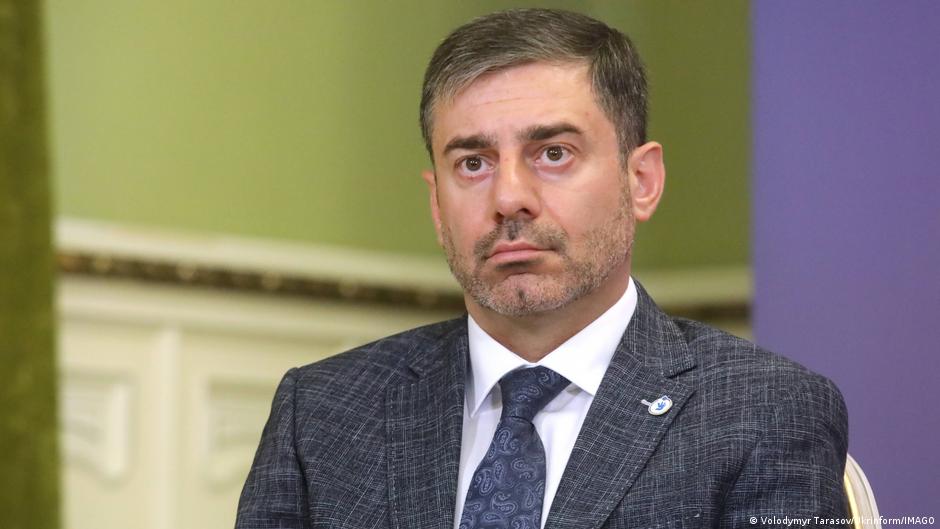
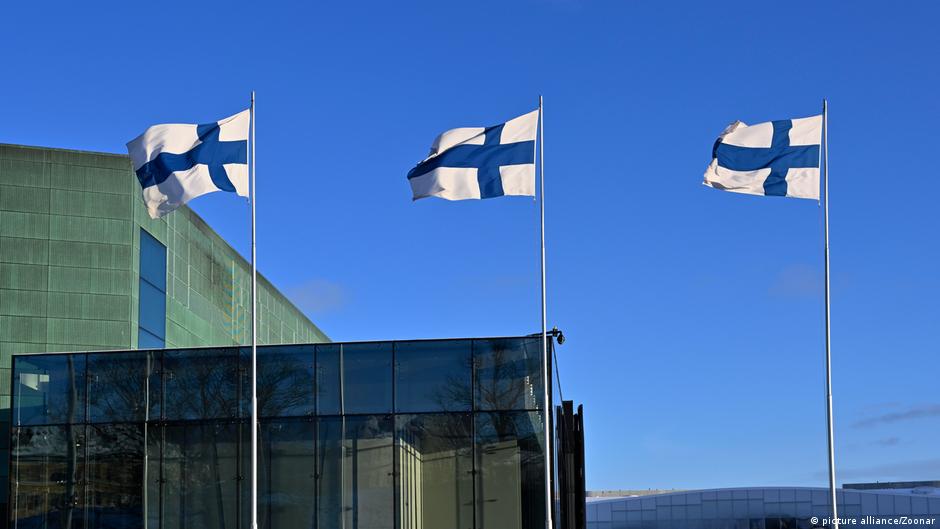
Finland amends its atomic energy law to lift the ban on nuclear weapons import, aligning with NATO membership and reshaping regional security dynamics.

Russia closes Romania’s consulate in St. Petersburg after Bucharest shut the Russian consulate in Constanța following a drone incident in Galați, raising regional security concerns.