Russian Drone Strikes on Zaporizhzhia Result in Civilian Casualties Amid Rising Regional Tensions
Drone attacks on Zaporizhzhia caused civilian deaths and injuries, signaling ongoing conflict risks with broader economic implications.
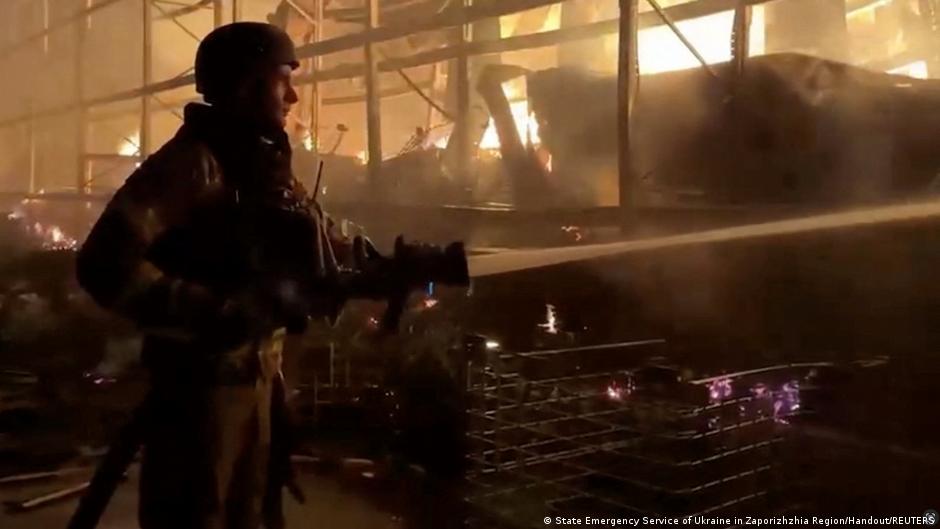
In the early hours of August 19, Russian drone strikes targeted the city of Zaporizhzhia, resulting in the death of one civilian and injuring six others, according to regional military administration leadership. The attacks caused damage to both residential and non-residential structures, triggering fires and ongoing search and rescue operations amid fears of additional casualties under debris.
Implications for Regional Stability and Economic Risks
The strike on Zaporizhzhia highlights the persistent volatility in southeastern Ukraine, a region critical for both energy transit and industrial output. The city is home to key infrastructure, including power plants and transportation hubs that serve not only Ukraine but also broader European energy markets.
Such targeted attacks exacerbate concerns over the security of supply chains and the stability of regional economies. The ongoing conflict continues to pose significant risks to investment climates and the long-term economic recovery of Ukraine and neighboring states.
"Damage to residential and industrial facilities disrupts civilian life and economic activity, underscoring the broader consequences of military conflict beyond immediate human losses," noted economic analysts familiar with the region.
The use of drones and precision-guided munitions in densely populated urban areas raises the stakes for international policy responses. These developments may prompt shifts in global security strategies and influence the allocation of resources toward conflict mitigation and infrastructure protection.
Furthermore, the uncertainty generated by such attacks contributes to heightened market volatility, impacting commodity prices and investor confidence. Governments and multinational organizations are closely monitoring these events to assess potential escalations and to calibrate economic policies accordingly.