Kyiv Mayor Urges Temporary Departures as Russian Strikes Raise Winter Risks
Vitaliy Klitschko said Kyiv is preparing reserve heating systems and stockpiles as intensified Russian attacks test urban resilience.
Kyiv Mayor Vitaliy Klitschko has urged residents of the Ukrainian capital who have friends or relatives elsewhere in the country to consider leaving the city temporarily, as intensified Russian attacks increase the risk of severe disruption to basic services before winter.
In an interview with AFP published on Wednesday, October 8, Klitschko said the immediate issue facing Kyiv was no longer only military pressure, but the survival of a large urban population exposed to repeated strikes on infrastructure, residential areas and transport links.
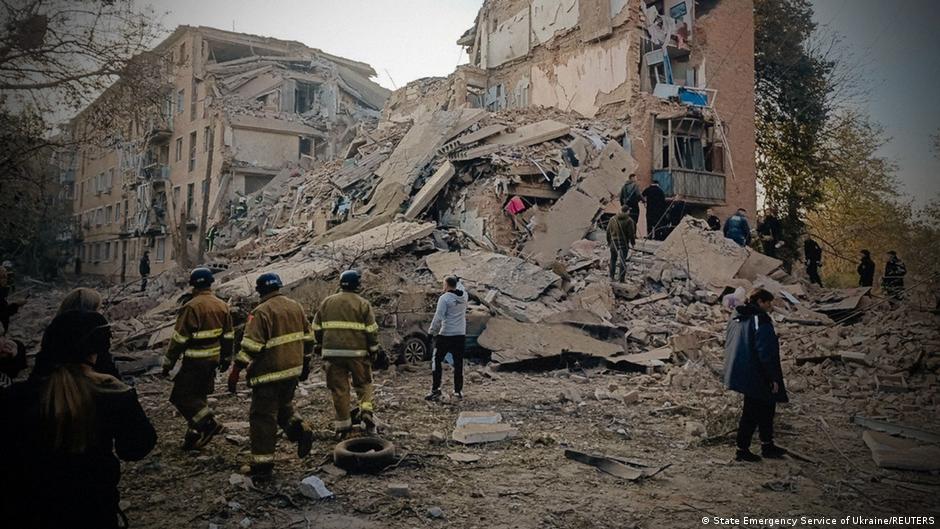
“Today, it is a matter of survival,” Klitschko said, pointing to daily reports of destroyed buildings, wounded residents and deaths as shelling of the city intensifies.
The mayor stressed that he was not calling for a full evacuation of Kyiv. He argued that a mass departure would serve the objective of Russian President Vladimir Putin, saying Moscow’s preferred outcome would be for Ukrainians to abandon their cities and the country itself. His message instead was narrower: those with viable options elsewhere in Ukraine should consider relocating temporarily while the city faces a worsening security and infrastructure environment.
Infrastructure Risk Becomes a Macro-Economic Variable
For senior decision-makers, the warning from Kyiv’s mayor is significant because it frames Russia’s campaign not only as a military confrontation but as an attempt to impose economic and administrative stress on Ukraine’s largest cities. Kyiv is a political, logistics, communications and labor-market hub. Sustained pressure on the capital can affect government continuity, business operations, transport flows and household confidence far beyond the municipal boundary.
Klitschko warned that if Russian attacks disrupt the water supply system, Kyiv could face a “fairly large-scale” crisis. Such a scenario would create immediate humanitarian pressure, but it would also carry broader economic consequences. Water, heating, communications and transport are the core systems that allow a modern city to sustain commercial activity, public services and emergency response. When those systems become uncertain, the cost of operating, insuring, staffing and supplying businesses rises sharply.
The city authorities are preparing for winter by building reserve heating systems and accumulating fuel, food and drinking water, according to the mayor. These preparations point to a shift in urban economic management under wartime conditions. Municipal policy is moving from conventional service provision toward redundancy, stockpiling and contingency planning, with local administrations required to act as both civil protection agencies and economic stabilizers.
Yet Klitschko also underlined the limits of local preparation. However well the authorities and residents prepare, he said, if air defenses do not work, Kyiv could face a bad scenario. That statement highlights a central policy dilemma for Ukraine and its international partners: urban resilience depends not only on municipal investment and emergency reserves, but also on the performance of national air defense and the supply chains that support it.
Russia’s Targeting Pattern Signals Strategic Pressure
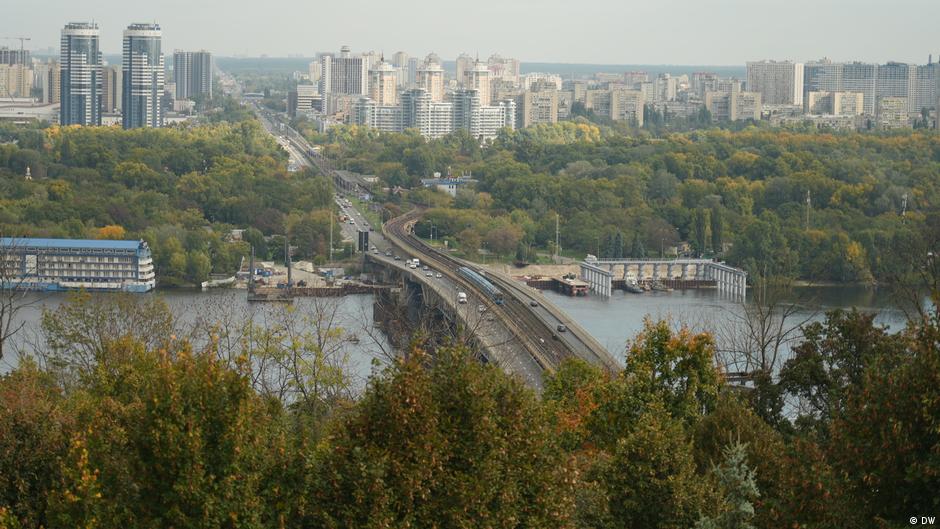
According to the source account, Russia intensified attacks on Kyiv in September. In early October, Russian forces also began striking bridges across the Dnipro River that connect the right-bank and left-bank parts of the capital. These bridges had not previously been targeted. The reported expansion of targets to bridges adds a new layer of risk for urban mobility, logistics and emergency coordination inside the city.
The strikes have also targeted energy and communications facilities, as well as railway infrastructure. These categories matter economically because they form the connective tissue of the wartime economy. Energy systems keep homes, factories, hospitals and data networks functioning. Communications infrastructure supports public administration, financial services and military coordination. Railways remain critical to the movement of goods and people, especially in a country operating under prolonged conflict conditions.
On October 3, Ukrainian President Volodymyr Zelensky said Russia had adopted a new strategy of airstrikes through which the Kremlin was trying to force Ukrainians to leave Kyiv and other major cities. If that assessment is correct, the strategy would represent an effort to convert military pressure into demographic and economic pressure: weakening urban centers by making daily life more costly, less predictable and more dangerous.
That approach carries long-term implications. Large-scale temporary departures can disrupt labor markets, school systems, municipal revenue, consumer demand and small businesses. Even when residents remain within Ukraine, internal displacement changes regional economic burdens, requiring other cities to absorb additional demand for housing, services and employment. If repeated over time, these movements can reshape investment decisions and deepen the fiscal strain on local and national authorities.
For foreign governments and businesses assessing Ukraine’s trajectory, Klitschko’s comments underscore the importance of infrastructure defense as an economic policy priority. Air defense, reserve heating, fuel storage, water protection and transport resilience are not separate from macro-economic stability. They are increasingly prerequisites for maintaining output, governance capacity and social cohesion in a prolonged war.
The mayor’s message also reflects a careful political balance. By advising temporary relocation for those who can manage it, Kyiv’s leadership is acknowledging real risks without endorsing abandonment of the capital. That distinction matters for confidence. A full evacuation call could trigger broader economic and psychological shocks. A conditional recommendation, aimed at households with alternatives, seeks to reduce pressure on the city while preserving the principle that Kyiv remains functioning and defended.
As winter approaches, Kyiv’s vulnerability will be measured not only in the number of strikes but in whether critical systems can continue operating under stress. The economic consequences of the coming months will depend on the interaction between Russian targeting, Ukrainian air defenses, municipal preparedness and the ability of residents and firms to adapt without hollowing out the capital’s productive base.