White House Says U.S. Envoys Discussed Concrete Ukraine Plans in Moscow
The Trump administration says its envoys raised specific next steps with Vladimir Putin before planned talks with Volodymyr Zelensky in Kyiv.
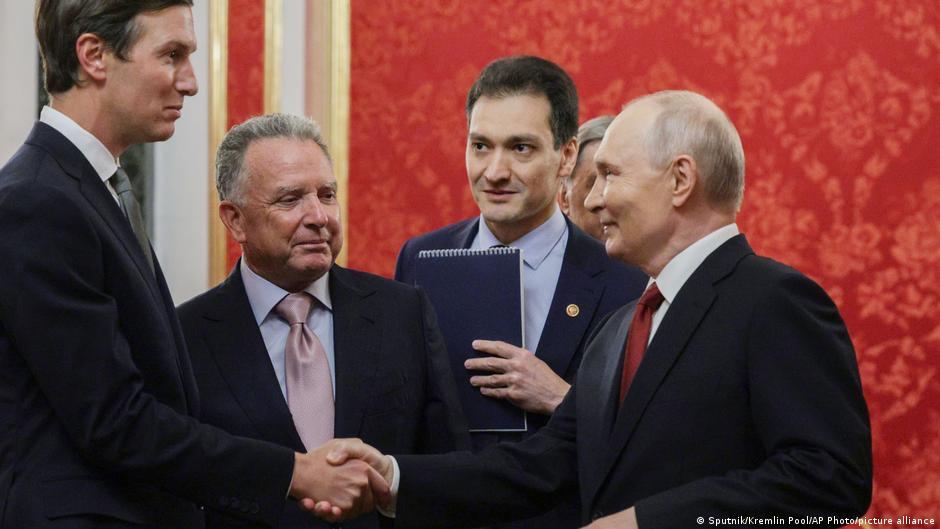
The White House said U.S. representatives held detailed discussions with Russian President Vladimir Putin on “concrete plans” for the next steps toward ending the war in Ukraine, a diplomatic move that could signal a new phase in Washington’s approach to one of the world economy’s most destabilizing conflicts.
According to a White House official cited by AFP late Saturday night, September 6, U.S. presidential special envoy Stephen Witkoff and Jared Kushner, the son-in-law of Donald Trump, discussed specific proposals during their meeting with Putin in Moscow. The official said those plans were expected to be made public “in the coming weeks,” and that the U.S. envoys were looking forward to “no less productive meetings” in Ukraine.
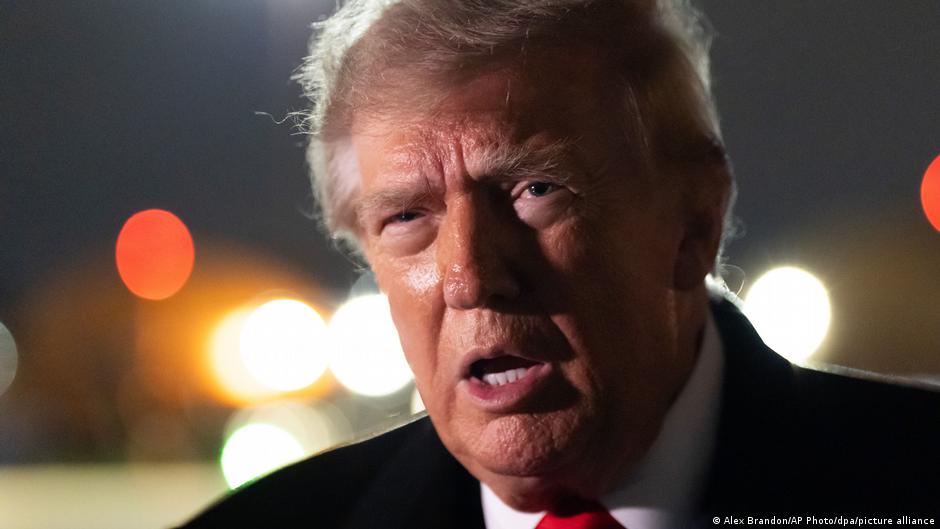
Trump also announced a new diplomatic initiative aimed at ending the war, saying Witkoff and Kushner had carried a plan “to end the war,” AFP reported. The U.S. president did not specify whether the plan envisaged transferring Ukrainian territory to Russia. He said only: “We have an idea for peace.”
For senior economic decision-makers, the significance lies less in the limited details disclosed so far than in the possibility that Washington is preparing a more explicit diplomatic framework. The war has reshaped European defense spending, energy security planning, grain and metals trade, sanctions architecture, reconstruction financing and investor assumptions about geopolitical risk. Any credible negotiation track, even at an early stage, would be watched closely by governments, central banks, commodity traders and multinational firms exposed to Europe, the Black Sea region and sanctions-sensitive supply chains.
From Moscow to Kyiv
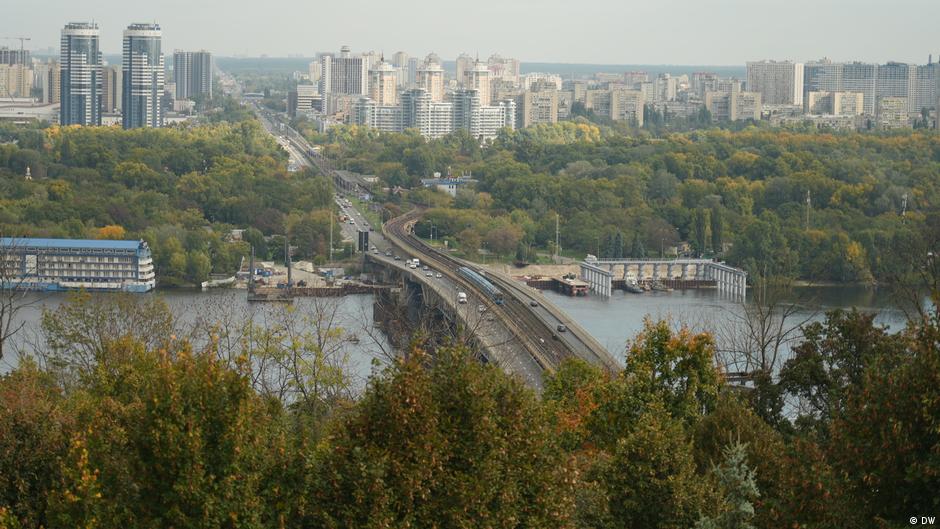
Following their visit to Moscow, Kushner and Witkoff are due to travel to Kyiv for their first talks with Ukrainian President Volodymyr Zelensky. Flight-tracking service Flightradar24 showed that the Boeing C-32A aircraft carrying the U.S. envoys landed at 01:30 local time at the airport in Rzeszow, Poland, a key transit point for travel into Ukraine. Their Boeing departed Moscow’s Vnukovo airport and flew west while bypassing Belarus, then crossed the airspace of Latvia, Lithuania and Poland. The envoys are expected to continue to the Ukrainian capital by train.
The sequencing is politically and economically important. A U.S. proposal discussed first in Moscow and then in Kyiv will be assessed by allies for whether it preserves Ukrainian agency, whether it implies pressure on Kyiv, and whether it could alter the future structure of sanctions, security guarantees or reconstruction commitments. The absence of detail on territorial questions leaves unresolved the issue most likely to determine the durability of any settlement and the economic geography of postwar Ukraine.
In Moscow, Russian officials described the talks as unusually frank. Yuri Ushakov, an aide to Putin, told Russian journalists that the American delegation had presented “several ideas” on how the war in Ukraine could be brought to an end.
“The American representatives carefully prepared for this trip. They not only expressed interest in the earliest possible cessation of hostilities, but also presented several ideas on possible paths to a solution,” Ushakov said.
Ushakov added, according to Interfax, that the talks were “timely and very useful for both sides.” He said Putin had confirmed his readiness to continue working with the Americans in search of political and diplomatic outcomes.
At the same time, Russian state-facing accounts of the meeting emphasized Moscow’s battlefield assessment. RBC reported that the Russian side gave the Americans its evaluation of the course of military operations in Ukraine, highlighting successes by the Russian army and expressing “confidence in achieving the stated goals.” According to the agency, Trump’s envoys promised to use that information during their talks in Kyiv.
Policy Stakes Beyond the Battlefield
The diplomatic initiative comes with major macroeconomic stakes. A pathway to de-escalation could eventually reduce risk premiums in European markets, reshape expectations for energy flows and defense budgets, and open a long debate over financing Ukraine’s reconstruction. Conversely, a proposal seen as rewarding territorial conquest or weakening Ukraine’s bargaining position could intensify policy divisions within the transatlantic alliance and prolong uncertainty for investors and governments.
Ukraine’s fiscal needs, European security spending and sanctions enforcement have become embedded in medium-term budget planning across Western capitals. Any U.S.-led shift in diplomacy could therefore influence not only the military trajectory of the war but also the policy assumptions behind aid packages, industrial production, infrastructure planning and sovereign risk assessments. For emerging markets, food and energy price channels remain central, particularly if Black Sea trade routes or Russian export constraints are affected by negotiation dynamics.
Zelensky spoke by phone with the U.S. presidential envoys while they were in Russia and said he was ready to halt strikes on Moscow for the next three days. In a social media post, he said the diplomatic plan for the following day in Kyiv involving the American team had been approved.
“We are waiting for Steve Witkoff and Jared Kushner and are ready for a substantive conversation,” Zelensky said.
The next stage will test whether the initiative represents a structured diplomatic process or an opening exchange of ideas whose details remain politically difficult. For markets and policymakers, the key variables will be the treatment of territory, the status of security guarantees, the future of sanctions, and whether any ceasefire proposal can command support in Kyiv as well as in Moscow and Washington.