Venezuela Releases 131 Political Prisoners Amid National Reconciliation Talks
Government and opposition agree on judicial reform as part of Venezuela’s broader efforts toward political stabilization.
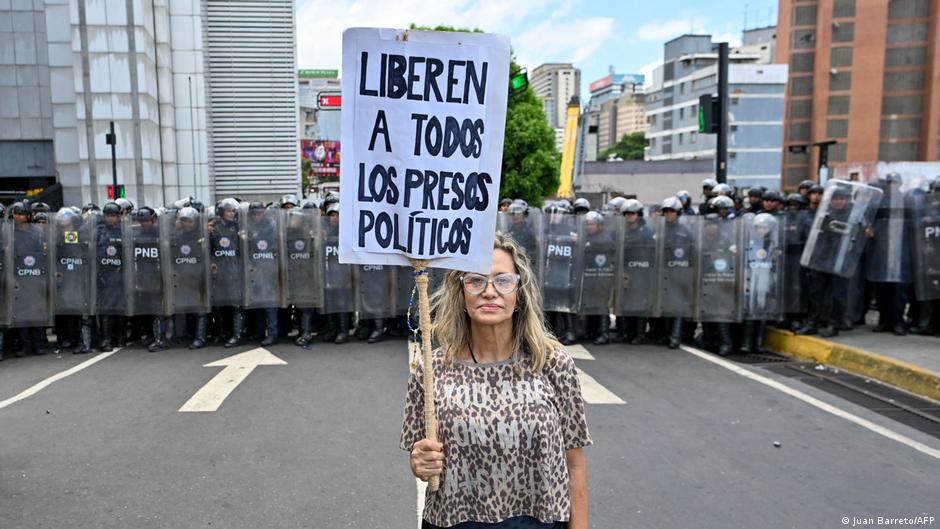
In a significant development following the first round of national reconciliation talks, Venezuelan authorities have released 131 political prisoners. This move marks an important milestone in the ongoing dialogue between the temporary government and opposition forces aimed at resolving the country's prolonged political crisis.
Progress and Political Implications
The first round of negotiations concluded on August 12, culminating in an agreement on judicial reform and the release of detainees previously accused or confirmed to be involved in crimes related to political activities. The government reported that those freed were subjected to "alternative measures of freedom restriction," though details about these measures remain undisclosed.
"Not all have been freed yet, but all political prisoners deserve full freedom. We must continue to demand this until every citizen reunites with their family," said Dinora Figuera, head of the opposition negotiation delegation.
The release of these prisoners underlines a cautious but tangible step toward political stabilization in Venezuela, a country long burdened by political polarization and economic hardship.
U.S. Secretary of State Marco Rubio described the release as an "important step toward national reconciliation," noting that over 1,046 political prisoners have been freed since the beginning of the year. The United States has strongly supported the ongoing negotiations, placing diplomatic pressure on Venezuelan authorities to advance political reforms.
Before the dialogue commenced, under U.S. influence, acting Venezuelan President Delcy Rodríguez signed an amnesty law that facilitated the release of several hundred political prisoners, signaling a willingness to engage in reform-oriented dialogue.
While the initial round of talks has focused on judicial reforms and prisoner releases, the broader implications for Venezuela’s economic and political future remain to be seen. Sustained dialogue and implementation of agreed reforms are critical for restoring domestic stability and rebuilding international confidence.
Global Economic and Policy Implications
Venezuela’s political stabilization efforts, including judicial reform and the release of political prisoners, carry significant long-term economic consequences. A more stable political environment could pave the way for improved foreign investment and the revival of Venezuela’s oil-dependent economy, which has been severely impacted by sanctions and internal unrest.
Moreover, political reconciliation may influence global energy markets by enabling Venezuela to increase crude oil exports, potentially affecting global supply dynamics. For policymakers and international investors, the evolving situation in Venezuela is a key factor in Latin American economic forecasts and global commodity strategies.
However, the path to sustainable economic recovery depends on the continuation and deepening of political reforms, adherence to the rule of law, and the establishment of transparent governance structures. Failure to maintain momentum could exacerbate social and economic instability, with ripple effects across the region.