US Military Strikes Iranian-Bound Cargo Ship, Tightening Control Over Strait of Hormuz
US forces disabled a cargo vessel attempting to breach Iran's blockade, underscoring Washington's strategic dominance over a key global shipping route.
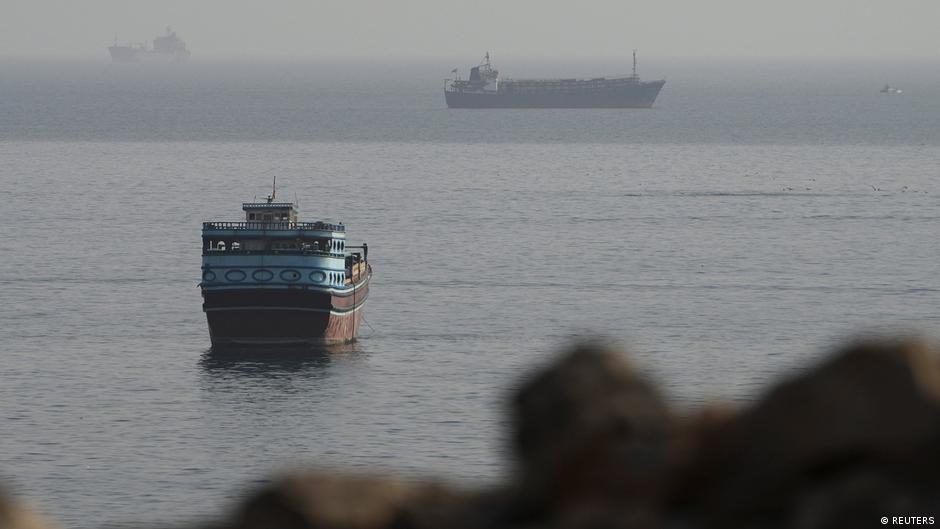
On August 11, the United States military launched a missile strike against a Panama-flagged cargo vessel, the M/V Vela Nova, which was attempting to breach the US-imposed blockade of Iran by entering one of its ports. The action, confirmed by the US Central Command (CENTCOM), highlights the intensifying geopolitical contest over the Strait of Hormuz, a critical chokepoint for global oil shipments.
Strategic Implications for Global Trade and Security
The cargo ship was targeted after ignoring multiple warnings from US forces. A US Navy MH-60 helicopter fired two Hellfire missiles at the vessel’s engine room, disabling its steering capabilities. CENTCOM reported that as of August 11, it had diverted 55 commercial vessels attempting to violate the blockade, disabled three such ships, and boarded two others.
“We fully control the Strait of Hormuz,” stated US President Donald Trump, emphasizing the US commitment to maintaining dominance over this essential maritime corridor.
The Strait of Hormuz is a vital artery through which approximately 20% of the world’s petroleum passes daily. Control over this narrow waterway not only influences regional security dynamics but also directly impacts global energy markets and economic stability. The blockade and the US's aggressive enforcement measures signal a significant escalation in pressure on Iran, with potential ripple effects on shipping costs, insurance premiums, and supply chain reliability worldwide.
Iran has responded by imposing new conditions for reopening the Strait, demanding compensation for damages from past conflicts and the lifting of US sanctions. This posturing could prolong uncertainties for international trade flows and prompt further shifts in global energy supply chains. Market participants and policymakers must closely monitor these developments, as prolonged disruption or escalation could exacerbate inflationary pressures globally and compel strategic realignments among energy-importing nations.
According to vessel tracking data from maritime intelligence platforms, the last known position of the Vela Nova was recorded on August 6 in the Indian port of Navi Mumbai, prior to the incident.
President Trump’s remarks indicated a zero-tolerance stance toward any Iranian attempts to challenge US authority in the region. “If the Iranians do anything, they will be hit hard,” he warned, reinforcing the perception of a US commitment to maintaining uninterrupted control over this significant maritime gateway.
In summary, the US’s recent strike against the Vela Nova illustrates a broader strategic effort to enforce economic sanctions on Iran by controlling critical maritime routes. The incident underscores the fragility of global supply chains dependent on geopolitically sensitive nodes and highlights the potential for military confrontations to influence long-term economic and energy security outcomes.