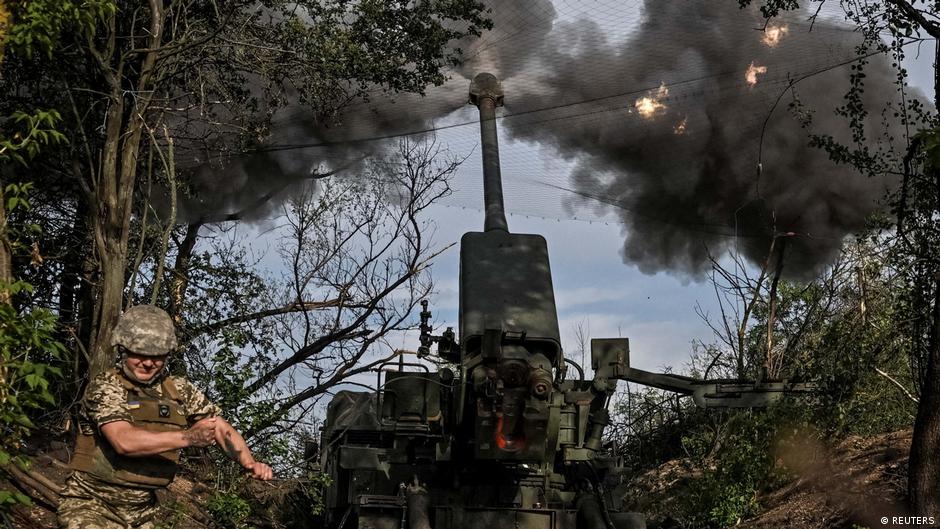
NATO Confirms Readiness to Counter Iranian Threats Against European Military Sites
NATO pledges strong deterrence amid reports of Iran planning strikes on bases in Bulgaria and Cyprus, signaling heightened geopolitical tensions.
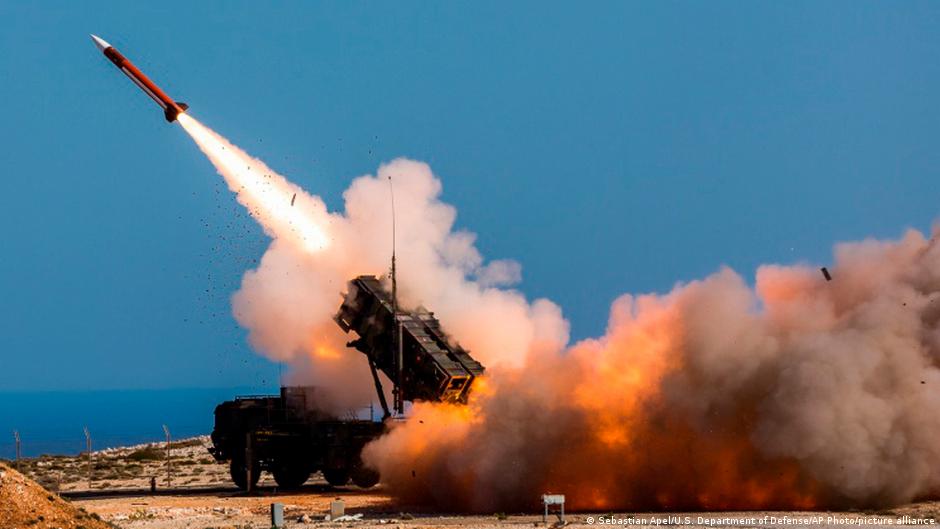
Following reports that Iran is considering attacks on military installations within Europe, NATO has reiterated its commitment to defend alliance members and respond decisively to any threats.
An unnamed NATO official told Reuters on August 19 that the alliance's deterrence and defense strategy remains robust and effective. These comments came after media outlets reported that Iran might target military sites in Bulgaria and Cyprus.
Geopolitical and Economic Implications of Rising Tensions
Bulgaria authorized the United States in July to use its airbase for refueling operations, while Cyprus hosts British airbases, positioning both countries as strategic nodes in US and NATO military logistics. The potential targeting of these bases by Iran represents a serious escalation in regional security dynamics that could have broader economic consequences, particularly for European supply chains and energy routes.
The Financial Times reported that Iran has discussed striking targets in Europe, specifically on Cyprus and Bulgaria, as a possible response to escalating US-Iran tensions. Additionally, The New York Times cited sources indicating that Iran considered, but ultimately declined, attacks on a Ukrainian port in retaliation for a Ukrainian strike on an Iranian vessel in the Caspian Sea.
Tehran has not publicly commented on these specific threat reports. However, on August 19, General Ali Abdollahi Aliabadi, a senior Iranian military commander, issued a warning to Gulf states cooperating with the US, accusing them of facilitating attacks on Iranian territory.
This development follows a significant diplomatic rupture: the United Arab Emirates has suspended all trade, commercial exchanges, and financial transactions with Iran until further notice. The UAE accused Tehran of launching two missile attacks directed at its territory, allegedly targeting maritime navigation routes, claims that Iran has denied.
“Our deterrence and defense strategy is strong and effective,” a NATO official emphasized, underscoring the alliance’s preparedness to counter emerging threats.
These developments underscore a growing risk of conflict spillover from the Middle East into Europe, with potential disruptions to trade, energy markets, and regional stability. For senior policymakers and economic strategists, understanding the evolving security landscape is crucial to anticipating shifts in global supply chains and investment climates.
Increased military posturing by Iran against NATO members could prompt reassessments of defense allocations and risk premiums across affected regions. Businesses reliant on Eastern European transport corridors or Gulf maritime routes may face heightened uncertainty and costs, influencing long-term economic forecasts.
Moreover, the UAE’s trade suspension with Iran signals a hardening of economic barriers in the Gulf, potentially realigning regional trade flows and impacting global energy markets. This may accelerate shifts toward alternative export routes and supply sources, with broad implications for global commodity prices and economic resilience.
As strategic tensions intensify, coordinated policy responses by NATO and allied states will be essential to preserve economic stability and security in an interconnected global environment.